
What Is the Maillard Reaction and Why Does Food Taste Better
Key takeaways
- The Maillard reaction is browning chemistry between amino acids and reducing sugars under heat.
- It builds hundreds of new flavor compounds, which is why seared and baked food tastes deeper than boiled food.
- Dry surfaces, high heat, and time control how strong the reaction gets.
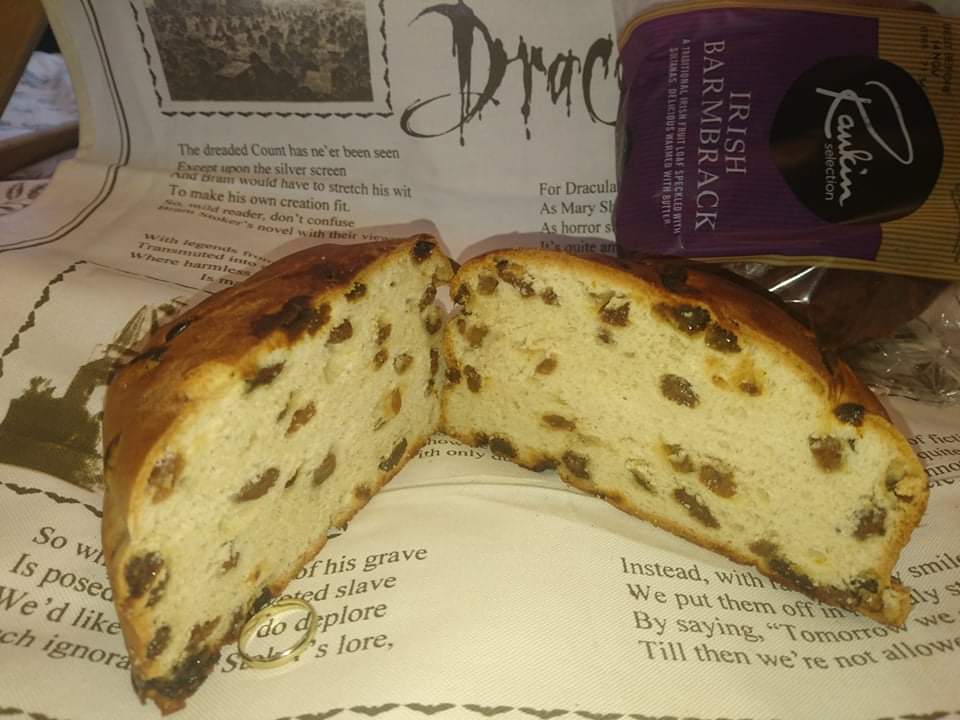
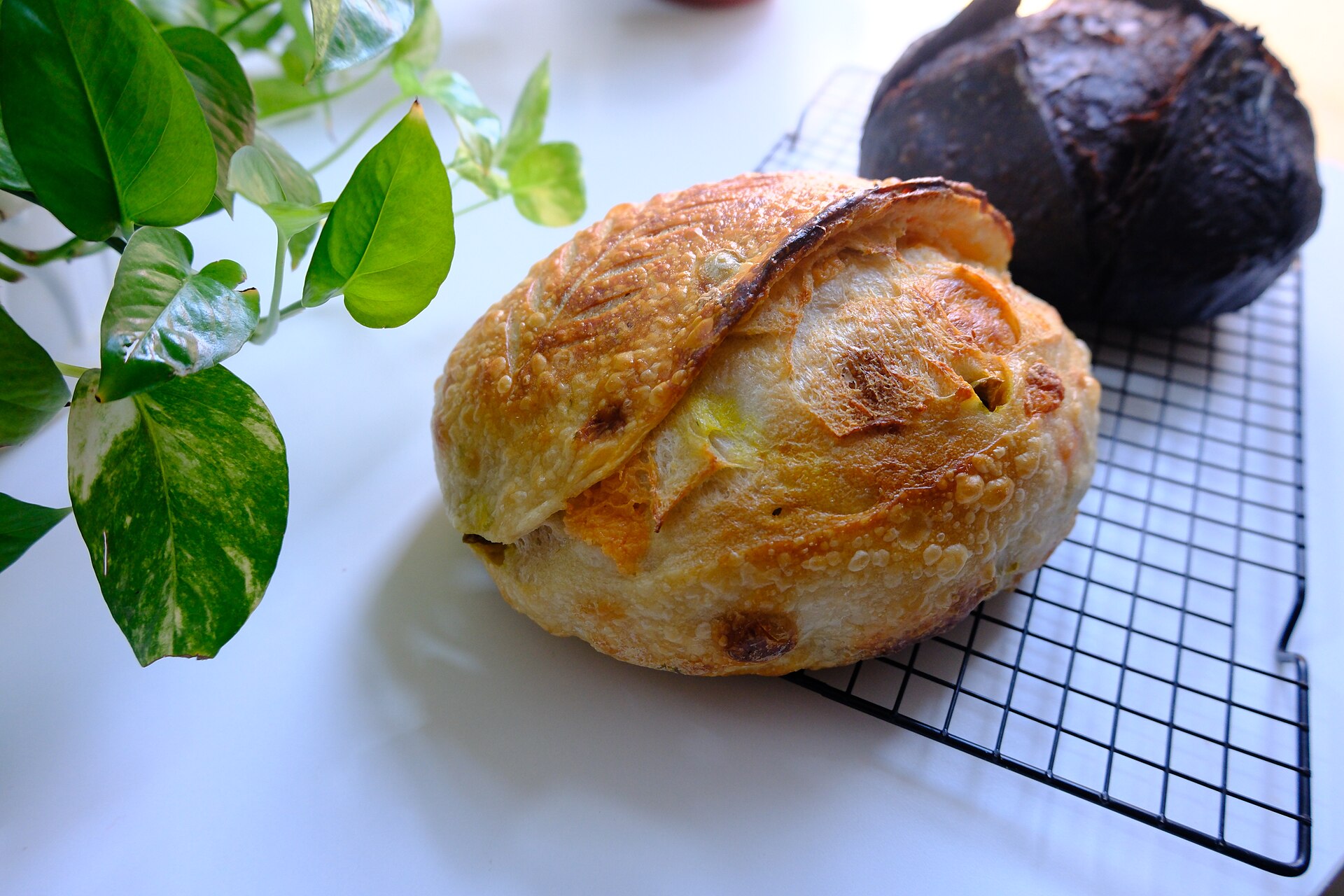
The Maillard reaction is the chemistry behind the brown crust on bread, the sear on a steak, and the roasted aroma of coffee. It happens when amino acids and reducing sugars meet under heat and form a cascade of new compounds.
Those new compounds carry color, aroma, and flavor. A raw steak and a seared steak contain many of the same starting ingredients. The seared one tastes richer because heat has rearranged those ingredients into hundreds of flavor molecules that were not there before.
This article explains what the Maillard reaction is, including how it works, why it makes food taste better, and how cooks control it.
What is the Maillard reaction?
The Maillard reaction is a form of non-enzymatic browning. That means it happens through chemistry, not through enzymes. It starts when the carbonyl group of a sugar reacts with the amino group of an amino acid or protein.
The pair forms an unstable compound, which rearranges into more stable Amadori compounds, which then break down into a wide mix of flavor and color molecules.
The brown pigments at the end of that chain are called melanoidins. They give browned food its color. The intermediate molecules give it aroma.
Chemist Jean-Marie Lehn, a Nobel Prize winner, called the Maillard reaction "the most widely practiced chemical reaction in the world," according to Wikipedia.
The reaction is named after French chemist Louis-Camille Maillard. He first described it in 1912, while trying to reproduce biological protein synthesis. In 1953, chemist John E.
Hodge, working with the United States Department of Agriculture, established a mechanism for the reaction. Cooks had used the effect for thousands of years. Scientists only named it in the twentieth century.
Temperature sets the pace. The reaction typically proceeds rapidly from around 140 to 165 degrees Celsius (280 to 330 degrees Fahrenheit), according to Wikipedia. Below that range, it still happens, but slowly.
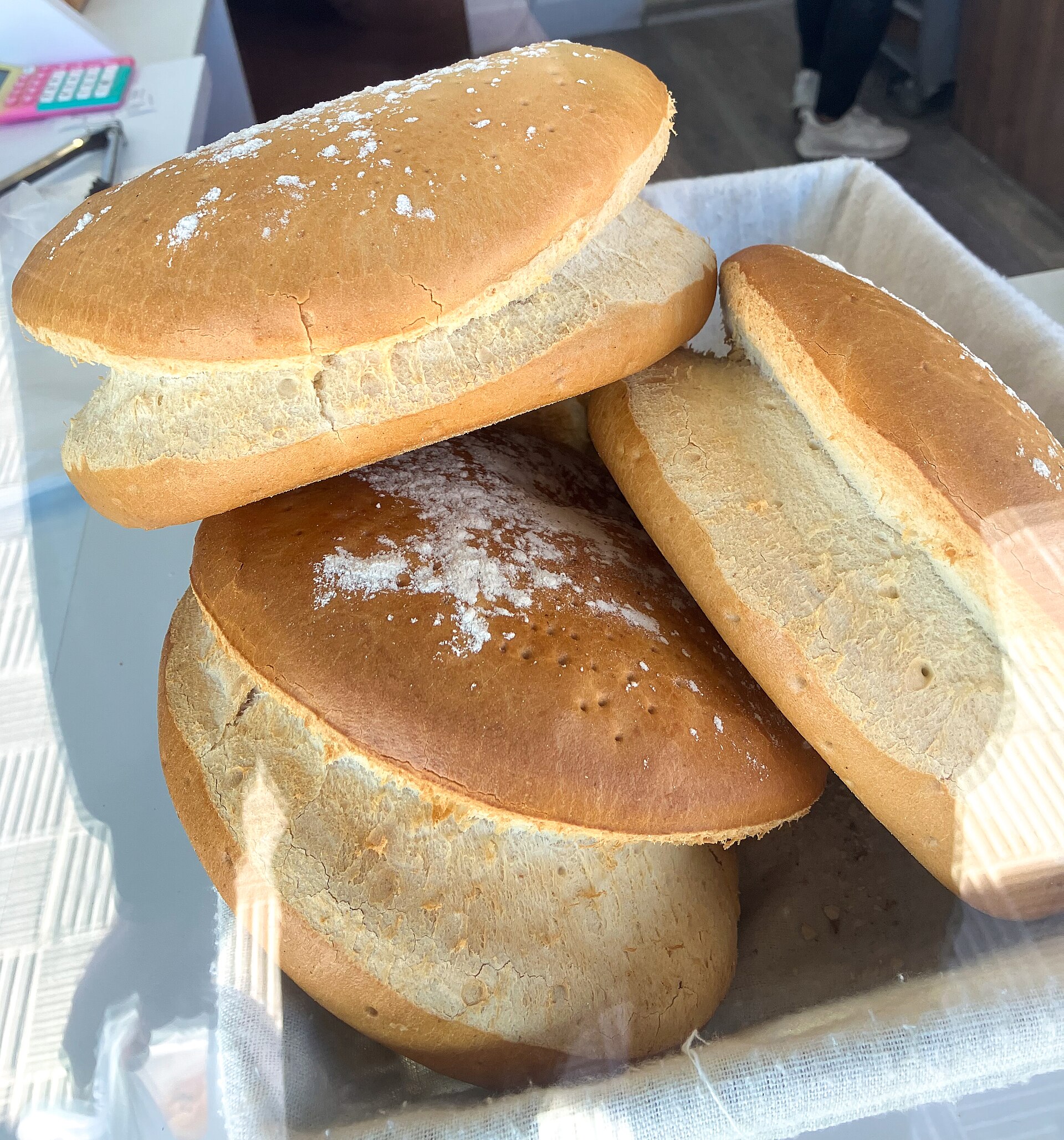
That is why a loaf baked in a cool oven stays pale, while the same dough turns golden in a hotter one.
Why does it make food taste better?
Raw ingredients have limited flavor. Heat plus the Maillard reaction multiplies it. Wikipedia notes that Maillard reactions can produce hundreds of different flavor compounds, depending on the food, the temperature, the cooking time, and the presence of air.
Those compounds then break down into yet more flavor compounds.
Some of those molecules are potent at tiny levels. Two examples are 6-acetyl-2,3,4,5-tetrahydropyridine, which carries a biscuit or cracker-like flavor in baked goods, and 2-acetyl-1-pyrroline, which gives cooked rice and pandan their typical smell. Both have odor thresholds below 0.06 nanograms per liter, according to Wikipedia.
A trace amount shapes what you taste.
The reaction also builds savory depth. It contributes to the umami taste in fried onions, the roasted notes in coffee, and the browned flavor of seared meat. Fiveable describes the result as toasted, nutty, savory, and sometimes meaty aromas.
That mix reads to the brain as cooked, rich, and appetizing.
Color helps too. Humans judge food by sight before taste. A golden crust signals crispness and doneness.
A pale surface signals the opposite. The Maillard reaction delivers both the color and the flavor at once, which is why a browned roast looks ready and tastes ready.
The effect spans the pantry. Wikipedia lists seared and grilled meats, bread crusts, roasted coffee, French fries, malted barley in whiskey and beer, dried and condensed milk, dulce de leche, black garlic, chocolate, toasted marshmallows, and roasted peanuts. Each one leans on the same chemistry, with different starting ingredients producing different flavors.
Maillard browning is not caramelization
People often mix up the Maillard reaction and caramelization. Both brown food. Both respond to heat.
They are different processes, and the difference matters for cooking.
Caramelization is the breakdown of sugars alone under heat. No amino acids are involved. It produces sweet, buttery, and slightly bitter notes.
Think of sugar melting into caramel in a pan.
The Maillard reaction needs both amino acids (or proteins) and reducing sugars. It produces savory, roasted, and toasted notes alongside sweet ones. A bread crust browns mostly through the Maillard reaction, because dough contains both protein and sugars.
A spoonful of plain sugar browning in a pan is caramelization.
Fiveable puts the test simply. If a food has both protein and sugar and gives off toasted, savory, roasted notes, the Maillard reaction is usually the better explanation. If the browning comes from sugar alone, caramelization fits better.
Many real dishes involve both at once, especially at high heat.
At still higher temperatures, a third process joins in. Pyrolysis breaks food down further and creates acrid, burnt flavors. Wikipedia notes that above Maillard range, caramelization and then pyrolysis become more pronounced.
The line between deeply browned and burnt is short. That is why a dark crust can taste complex while a blackened one tastes bitter.
What controls the reaction
Four levers decide how much Maillard browning a dish gets: temperature, moisture, time, and pH. Cooks adjust them constantly, often without naming the chemistry.
Temperature comes first. Higher heat speeds the chemical steps, so browning and flavor compounds form faster. That is why a hot skillet sears a steak while a lukewarm one merely steams it.
Recipes that call for a 350-degree oven often sit in Maillard range, which is one reason that temperature appears so often.
Moisture matters just as much. Water on a food surface holds the temperature near the boiling point until it evaporates. Browning stays weak until the surface dries out.
Fiveable notes that this is why a wet stew does not brown the way a dry skillet does. Patting meat dry before searing is a direct application of this rule.
Time extends the reaction. Longer cooking at a given heat produces more browning and deeper flavor, up to the point where bitterness takes over. A loaf left in the oven past golden turns dark, then bitter, then burnt.
Acidity shifts the pace. Alkaline conditions speed the reaction. Wikipedia notes that lye applied to pretzels darkens them because the amino groups become more reactive in an alkaline environment.
Acidic conditions slow the reaction down. A splash of vinegar or lemon will not stop browning, but it nudges it slower.
Ingredients set the ceiling. Foods with more reducing sugars, more amino acids, and lower moisture brown more readily. A milk-rich dough browns faster than a lean one, because milk adds sugars and proteins.
That is why two breads baked at the same temperature can brown at different rates. Resting meat after cooking matters for a different reason, and our guide to why meat needs to rest explains the juice and texture side of the story.
How cooks use it at home
The most useful move is to dry the surface. Pat meat, tofu, or vegetables dry with a towel before they hit the pan. Leave space between pieces so steam escapes instead of pooling.
Crowding a pan drops the temperature and traps moisture, which stalls browning.
Preheat the pan. A hot pan starts the reaction at once. A cool pan lets juices leak out first, and the food boils in its own liquid.
The same logic applies to an oven. A fully preheated oven browns a crust faster than one still climbing to temperature.
Do not move food too soon. A steak needs steady contact with hot metal to build a crust. Lifting and flipping every few seconds cools the surface and breaks the process.
Let one side brown, then turn it once.
Use sugar and protein with intent. A marinade with a little sugar speeds browning on grilled meat. A brush of milk or egg wash deepens the crust on bread and pastry.
Both add Maillard reactants to the surface, exactly where the heat hits hardest.
Watch color, not the clock. Golden brown means the reaction is working. Dark brown means it is near its peak.
Black means pyrolysis has taken over. Pull food when the color and aroma match the dish you want, not when a timer says so.
The acrylamide trade-off
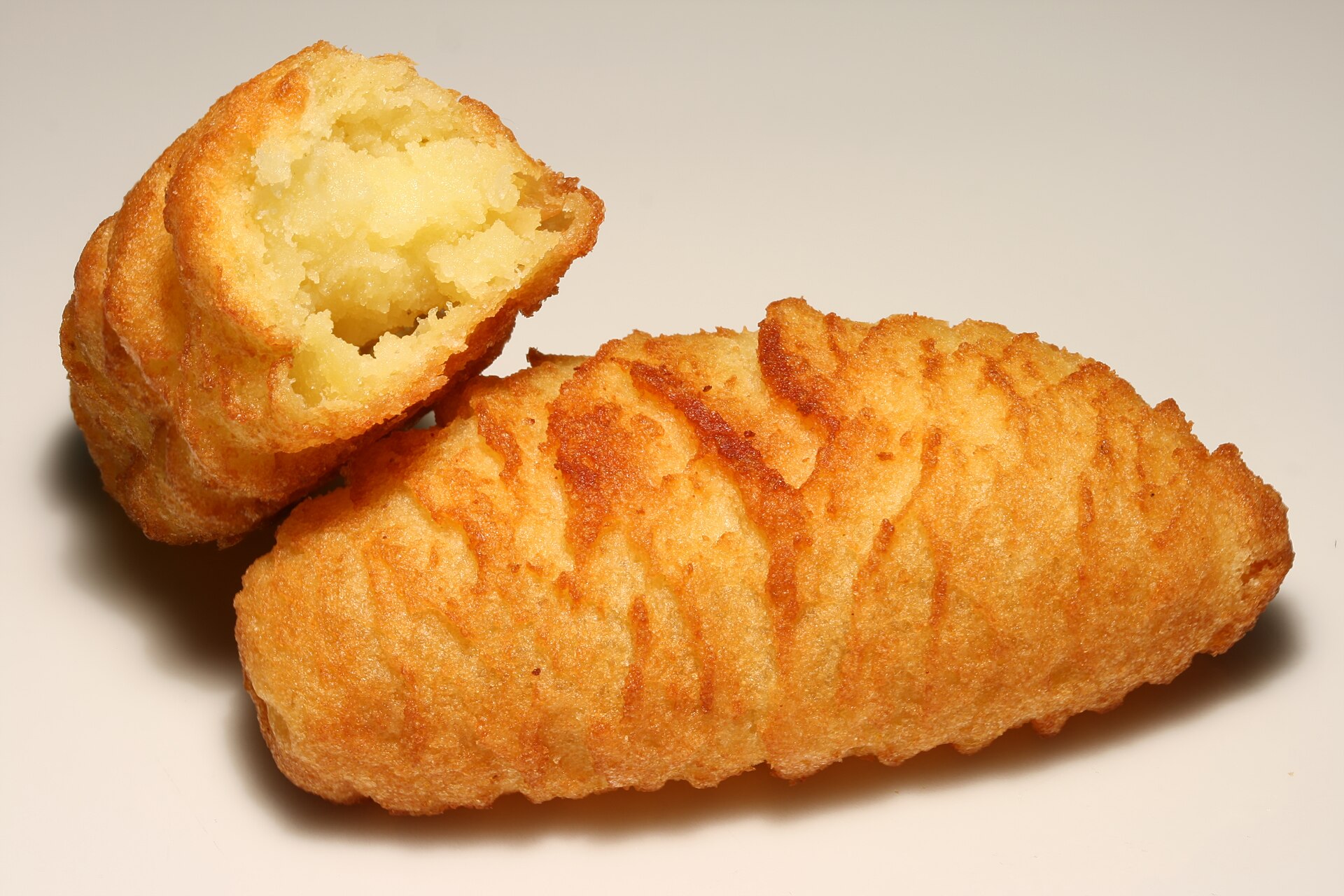
The Maillard reaction has one real downside. At high heat, it can form acrylamide, a compound that forms when reducing sugars react with the amino acid asparagine. It shows up most in fried or baked starchy foods, such as French fries and potato crisps.
Wikipedia describes acrylamide as a probable human carcinogen. That wording matters. The risk comes from dose and exposure over time, not from one serving of browned food.
Cooking at lower temperatures, avoiding deep browning on starchy foods, and not eating heavily charred portions all reduce formation.
The same reaction can also reduce the availability of some amino acids, especially lysine. Fiveable notes this trade-off between sensory appeal, safety, and nutrient quality. The practical takeaway is balance.
Brown food for flavor, but do not chase the darkest possible color on every dish.
Frequently asked questions
Does the Maillard reaction happen in a microwave?
It happens very little. Microwaves heat water inside food and rarely push surfaces into Maillard range. That is why microwaved bread turns soft rather than crusty.
A short finish under a broiler or in a hot pan can add browning after microwaving.
Why does boiled meat not brown?
Boiling caps the surface temperature near 100 degrees Celsius, well below the rapid Maillard range of 140 to 165 degrees. The meat cooks through, but the surface stays wet and cool. Searing after boiling, or roasting instead, adds the browning step.
Does searing seal in juices?
No. Searing builds flavor and color on the surface. It does not form a waterproof seal.
Juices still escape, which is why rest time and internal temperature matter more for juiciness than the sear itself.
The bottom line
The Maillard reaction turns heat, protein, and sugar into color and flavor. Dry the surface, use real heat, give it time, and pull food at golden brown. That single piece of chemistry explains more about good cooking than any gadget, and it works on every stove.
If you want to practice the same idea on a staple, try our guide to cooking rice that never turns sticky or burnt. For baking that depends on the right sugar, see granulated sugar vs caster sugar in baking.
Tags: Maillard reaction, browning, cooking science, flavor
Latest in Food
- Why Meat Needs to Rest After Cooking
- How to Cook Rice That Never Turns Sticky or Burnt
- Granulated Sugar vs Caster Sugar in Baking
- How to Fix an Oversalted Dish Without Starting Over
Subscribe to the Rive News newsletter for one practical explainer every week.
Related stories

Why Does Bread Go Stale Faster in the Refrigerator?
Bread goes stale faster in the fridge because starch recrystallizes fastest near 4°C. Here is the retrogradation science and the right way

Baking soda and baking powder: what's the difference?
Baking soda is pure sodium bicarbonate; baking powder adds two dry acids for double-acting lift. Learn when to use each, plus exact

What Is the Maillard Reaction in Simple Terms?
The Maillard reaction is the browning chemistry between amino acids and sugars above 140 C that creates the crust, color, and rich flavor