
How to Keep Cut Avocados From Turning Brown Longer
By Rive News / Research desk | Rive News / Published October 24, 2026 at 9:00 AM PKT
Key takeaways
- Browning is caused by the enzyme polyphenol oxidase reacting with oxygen in the air, not by the avocado going bad.
- Lemon or lime juice plus plastic wrap pressed directly on the surface beats every folk method in head-to-head testing.
- Leaving the pit in only protects the flesh touching the pit; the rest of the surface browns normally.
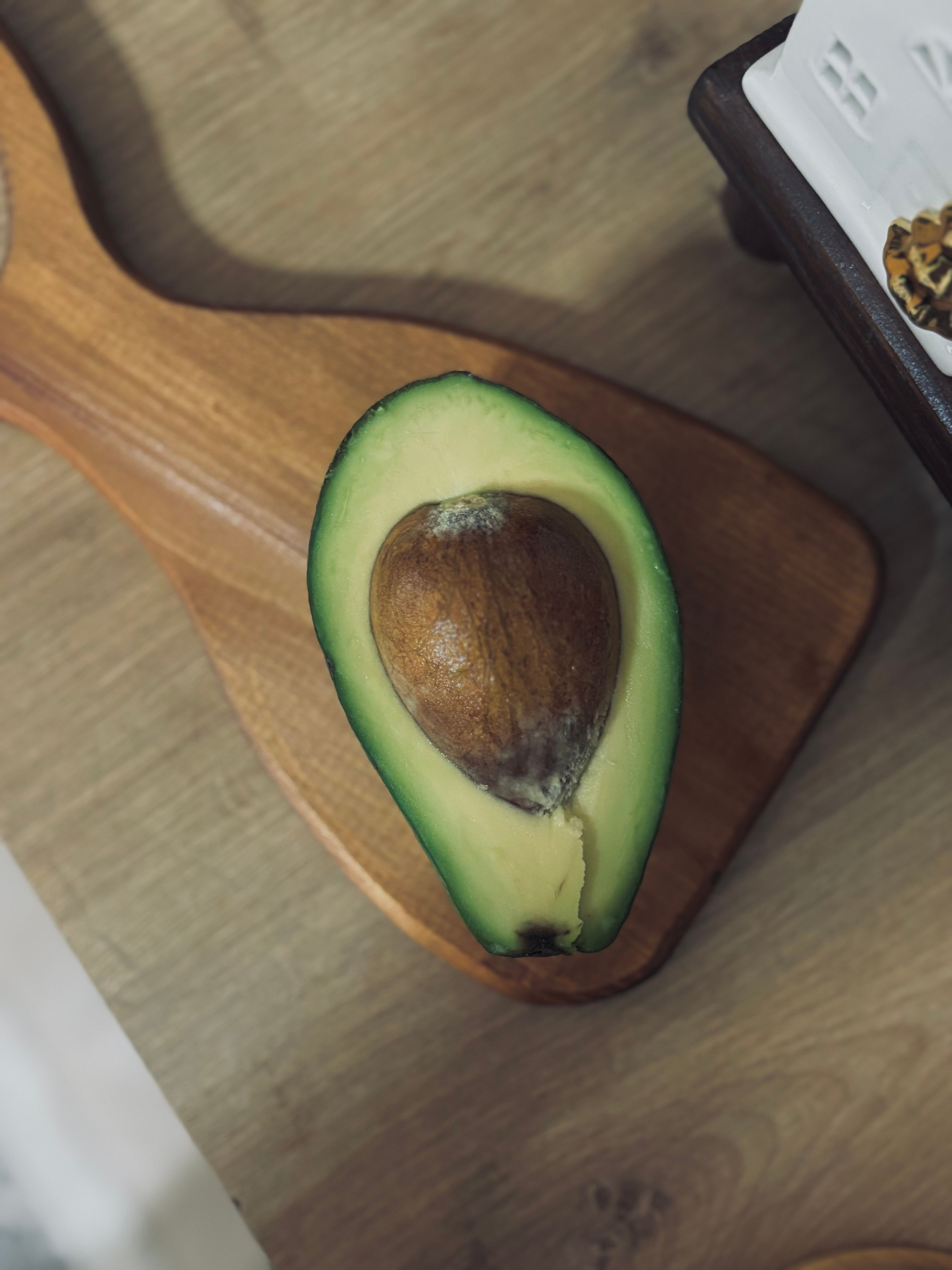
[A freshly halved avocado. Once the flesh meets air, an enzyme starts the browning reaction within minutes. Photograph: Pexels]
Image Credits: Pexels
A cut avocado starts browning almost the moment the knife comes out. Within an hour the bright green flesh can look muddy and unappetizing, even though it is still perfectly fine to eat. The brown color is not rot; it is chemistry.
The culprit is an enzyme called polyphenol oxidase. When the avocado's cells are cut open, the enzyme meets oxygen in the air and speeds up the oxidation of phenols in the flesh, creating brown pigments. The same enzyme browns bananas, apples, and potatoes, but avocados do it faster because of their high fat content and enzyme concentration.
This article explains what actually stops the reaction, what the pit trick really does, and the method that kept avocados green longest in a controlled test.
Why the flesh turns brown
Cutting an avocado damages its cells and releases polyphenol oxidase into the surrounding tissue. The enzyme uses oxygen to convert naturally occurring phenols into melanin-like pigments, which is the brown you see. Three factors control the speed: how much surface is exposed to air, the acidity of the surface, and the temperature.
Acid matters because polyphenol oxidase is less active in acidic environments, which is the entire scientific basis of the lemon juice trick. Cold matters because low temperatures slow enzymatic reactions, which is why refrigeration helps even though it cannot stop browning on its own. Surface area matters too, because every square millimeter of exposed flesh is a reaction site.
There is one more subtle factor. Iron and copper ions can participate in the oxidation reactions with food phenols, so a carbon steel knife can theoretically speed browning slightly if iron ions transfer to the flesh. A ceramic blade is chemically inert and avoids the issue entirely, though for most home cooks this is a minor detail next to air exposure.
What the test actually showed
Advice about avocado storage is mostly folklore, but one controlled experiment put the popular methods head to head.
At the 2016 California State Science Fair, student Ashley A. Teele tested six preservation methods on fifteen cut avocados: pit, lemon juice, olive oil, onion, and plastic wrap, plus a plain control. The avocados were stored identically in the refrigerator and checked every nine hours over three days.
Lemon juice won clearly. It kept the avocado at an acceptable level of browning for 36 hours, while the other methods lasted between 18 and 27 hours.
The ascorbic acid in the lemon juice slowed oxidation better than the alternatives by blocking oxygen from reacting with the phenolic compounds and by lowering the pH, which reduces the enzyme's activity. The onion method performed slightly better than the remaining options, but none of them came close to the citrus treatment.
That result matches what professional chefs do. David Lee, co-founder and executive chef at PLANTA Restaurants, told Allrecipes that the reliable method combines acid with a physical barrier: "Pressing plastic wrap directly onto the surface physically blocks oxygen, while the acid from citrus helps slow down that enzymatic reaction." His point is that many tricks only partially reduce oxidation, so when air is still present, browning continues; a true barrier is what makes the approach work consistently.
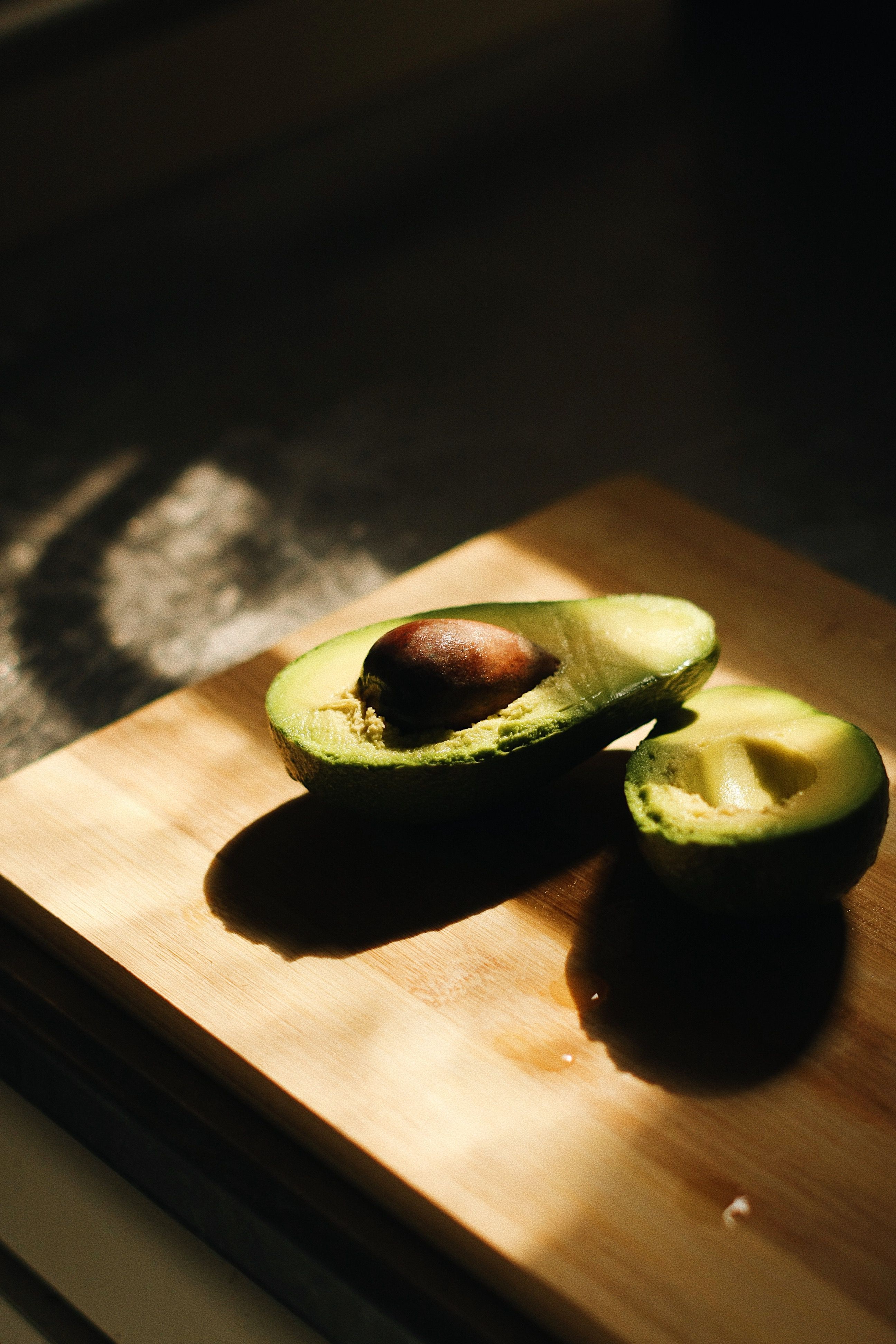
[Acid plus an airtight barrier is the combination chefs and tests both point to. Photograph: Pexels]
Image Credits: Pexels
The pit trick, honestly assessed
Leaving the pit in the unused half is the most repeated avocado tip on the internet, and it is only partly true. The pit physically blocks oxygen from the flesh directly beneath it, so that small area stays greener longer. The rest of the cut surface, which is most of it, browns exactly as it would without the pit.
The method works best as a supplement, not a strategy. Brush the exposed surface with citrus juice, press wrap tightly onto it, and keep the pit in place too. But if you are choosing one trick, the pit alone is the weakest of the serious options.
Onion, the surprise runner-up in the science-fair test, works through sulfur compounds, but it leaves the avocado tasting faintly of onion, which limits its real-world use. Olive oil has its fans: brushed lightly over the cut surface before wrapping, it adds a thin barrier against air and works especially well for halves stored overnight, according to chef Rena Awada of Healthy Fitness Meals. It is a reasonable backup when no citrus is on hand.
The method that works: step by step
For avocado halves, squeeze fresh lemon or lime juice lightly over the exposed flesh, just enough to coat it. Freshly squeezed juice works better than bottled because it has higher vitamin C content, which adds antioxidant protection. Then press plastic wrap directly onto the surface, pushing out air pockets, and refrigerate; this combination typically keeps the avocado fresh for 48 to 72 hours with minimal browning.
For guacamole, mix the citrus juice into the mash from the start, since every bit of surface area is exposed. Smooth the top flat with a spoon to minimize the area touching air, then press wrap onto the surface the same way. Vacuum-sealed containers or reusable silicone lids work even better than wrap if you have them.
Skip the viral hacks that lack backing: submerging cut avocado in water creates contamination risk without reliably stopping browning, and loose tin foil leaves too many air gaps to matter. The chemistry is simple: block the oxygen, lower the pH, keep it cold. Methods that do at least two of the three work; methods that do one do not.
If the onion angle interests you, the sulfur chemistry behind it connects to other kitchen reactions, like why onions make you cry when you chop them.
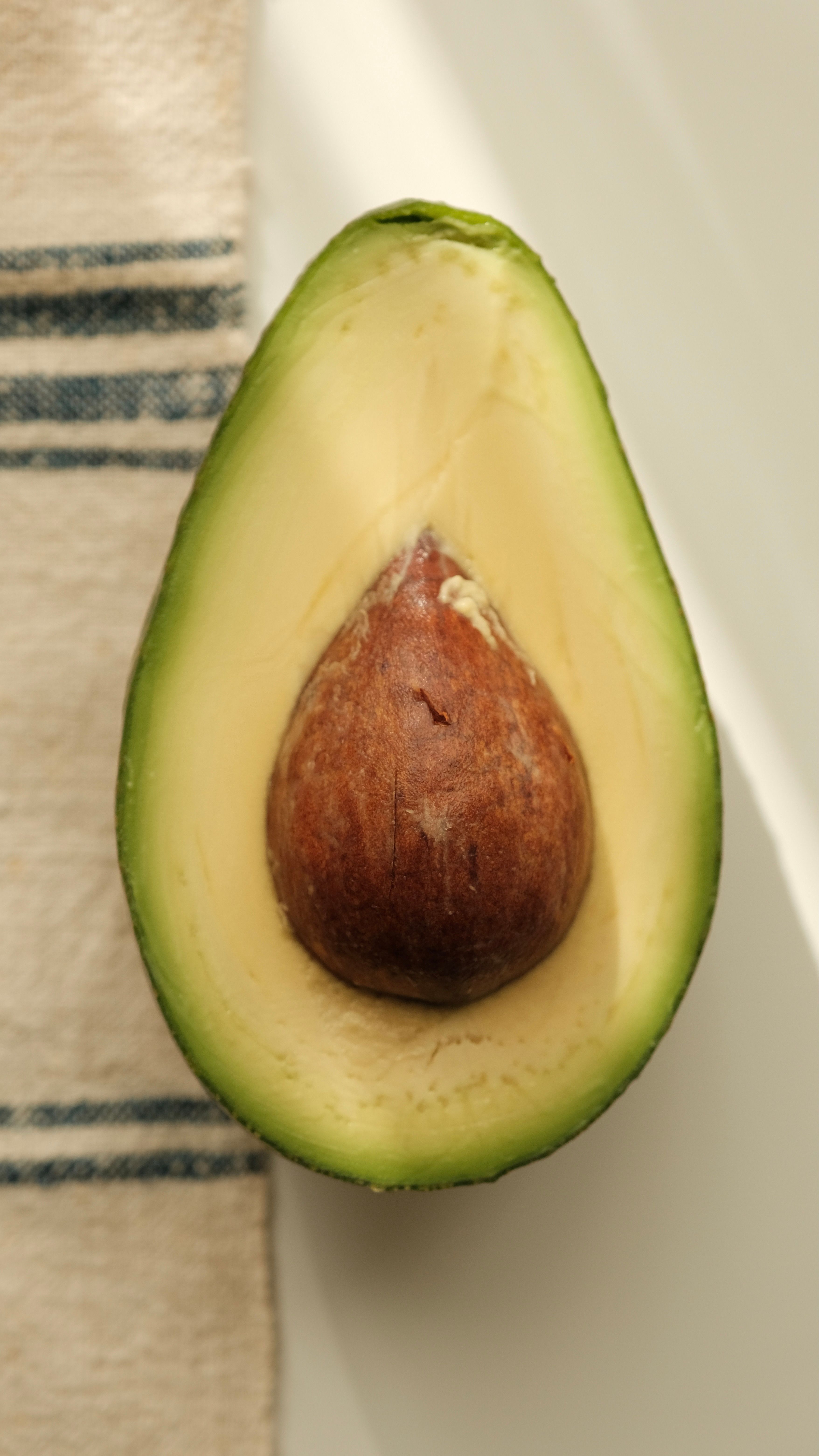
[Coat with citrus, press wrap directly onto the flesh, and refrigerate. That is the whole method. Photograph: Pexels]
Image Credits: Pexels
Frequently asked questions
Is brown avocado safe to eat?
Yes, as long as it smells and tastes normal. Browning is an enzymatic reaction, not spoilage. If the flesh is slimy, smells off, or tastes sour, that is actual spoilage and it should be discarded, but color alone is not a safety signal.
Does leaving the pit in really stop browning?
Only where the pit touches the flesh. It blocks oxygen from that small area, so the spot under the pit stays greener. The surrounding cut surface browns normally, so use the pit together with citrus juice and a tight wrap, not instead of them.
Which works better, lemon juice or lime juice?
Both work through the same mechanism: acidity that inhibits polyphenol oxidase. In practice they are interchangeable for preservation. Choose based on the flavor you want, since lime suits guacamole and lemon suits toast.
How long does the lemon juice and wrap method last?
In the controlled test, lemon juice kept browning acceptable for 36 hours on its own. Combined with a tight wrap and refrigeration, home cooks typically get 48 to 72 hours of good color. After that, texture declines even if the color holds.
Why does guacamole brown faster than halves?
Surface area. A mashed avocado exposes far more flesh to air than a flat cut half. Mixing citrus juice through the mash and pressing wrap directly onto the smoothed surface compensates for it, which is why restaurant guacamole often includes lime juice from the start.
The bottom line
Avocado browning is an enzyme meeting air, and the fix is equally straightforward. Acid slows the enzyme, a tight barrier starves it of oxygen, and the fridge slows everything down. Lemon juice plus wrap pressed right onto the flesh beat every folk remedy in a real test, and the pit can stay in the bowl for looks while the chemistry does the actual work.
Tags: avocado, food storage, kitchen tips, food science, cooking
Rive News's research desk covers food and cooking with explainers grounded in documented sources.
Related
- Why Do Onions Make You Cry? The Kitchen Chemistry Explained
- Why does milk curdle when heated or mixed with acid: the science
- Why do some cakes sink in the middle?
- What Is the Difference Between Granulated and Caster Sugar?
Get kitchen science explainers in your inbox every week. Subscribe for one email, no spam.
Rive News publishes research-backed explainers. Corrections: contact the research desk with the article URL and the fact to check.
Related stories
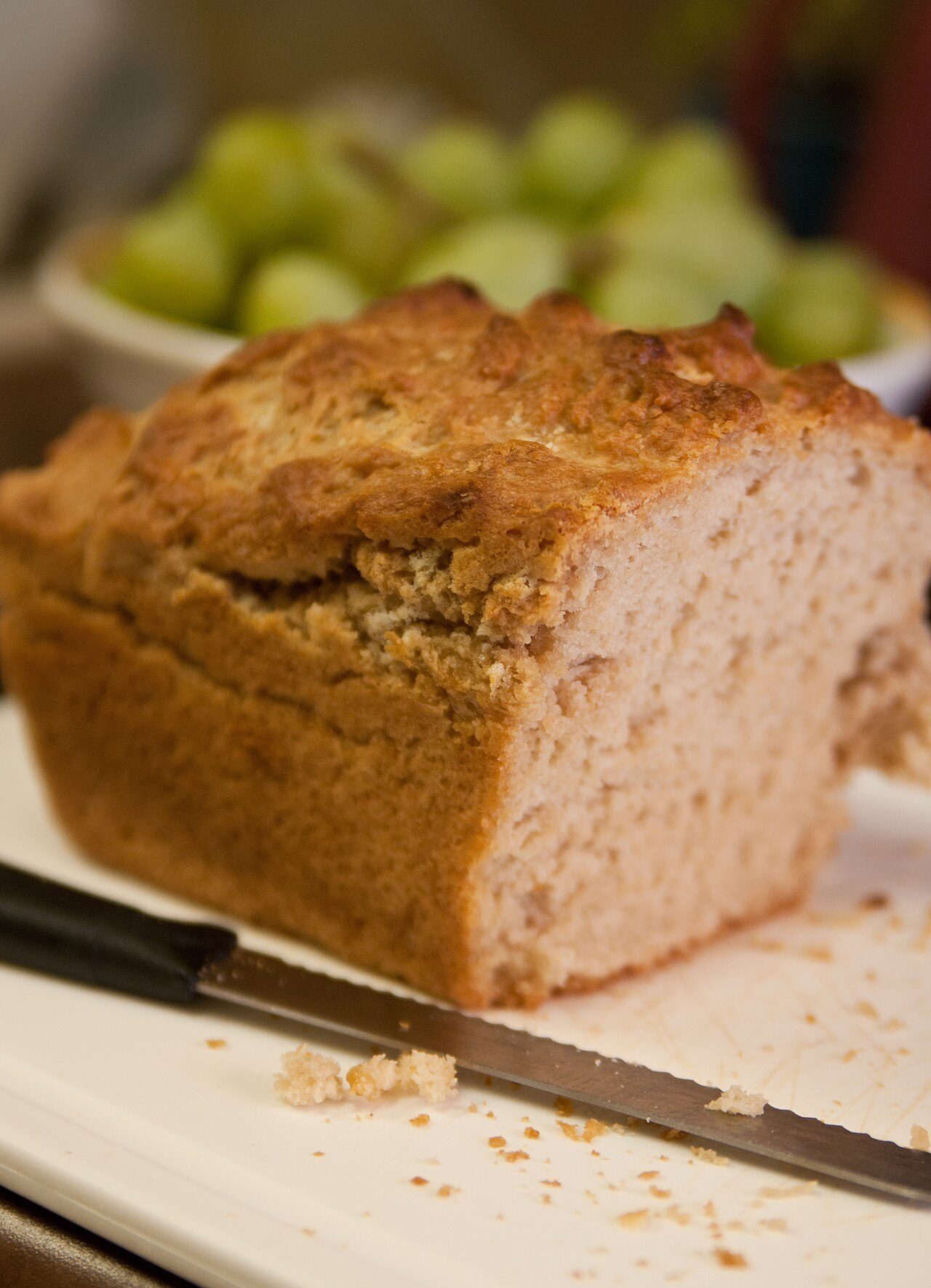
Why Does Bread Go Stale Faster in the Refrigerator?
Bread goes stale faster in the fridge because starch recrystallizes fastest near 4°C. Here is the retrogradation science and the right way
Baking soda and baking powder: what's the difference?
Baking soda is pure sodium bicarbonate; baking powder adds two dry acids for double-acting lift. Learn when to use each, plus exact
What Is the Maillard Reaction in Simple Terms?
The Maillard reaction is the browning chemistry between amino acids and sugars above 140 C that creates the crust, color, and rich flavor