
Why apples turn brown after cutting, and how to stop it
Key takeaways
- Browning is an enzyme reaction: cutting breaks cell walls, letting polyphenol oxidase meet phenolic compounds and oxygen, which forms brown melanin.
- The brown color is harmless. It is the apple's natural defense chemistry, and the fruit is safe to eat for some hours after cutting.
- Lemon juice is the fastest home fix: its acid and vitamin C block the enzyme, keeping slices bright.
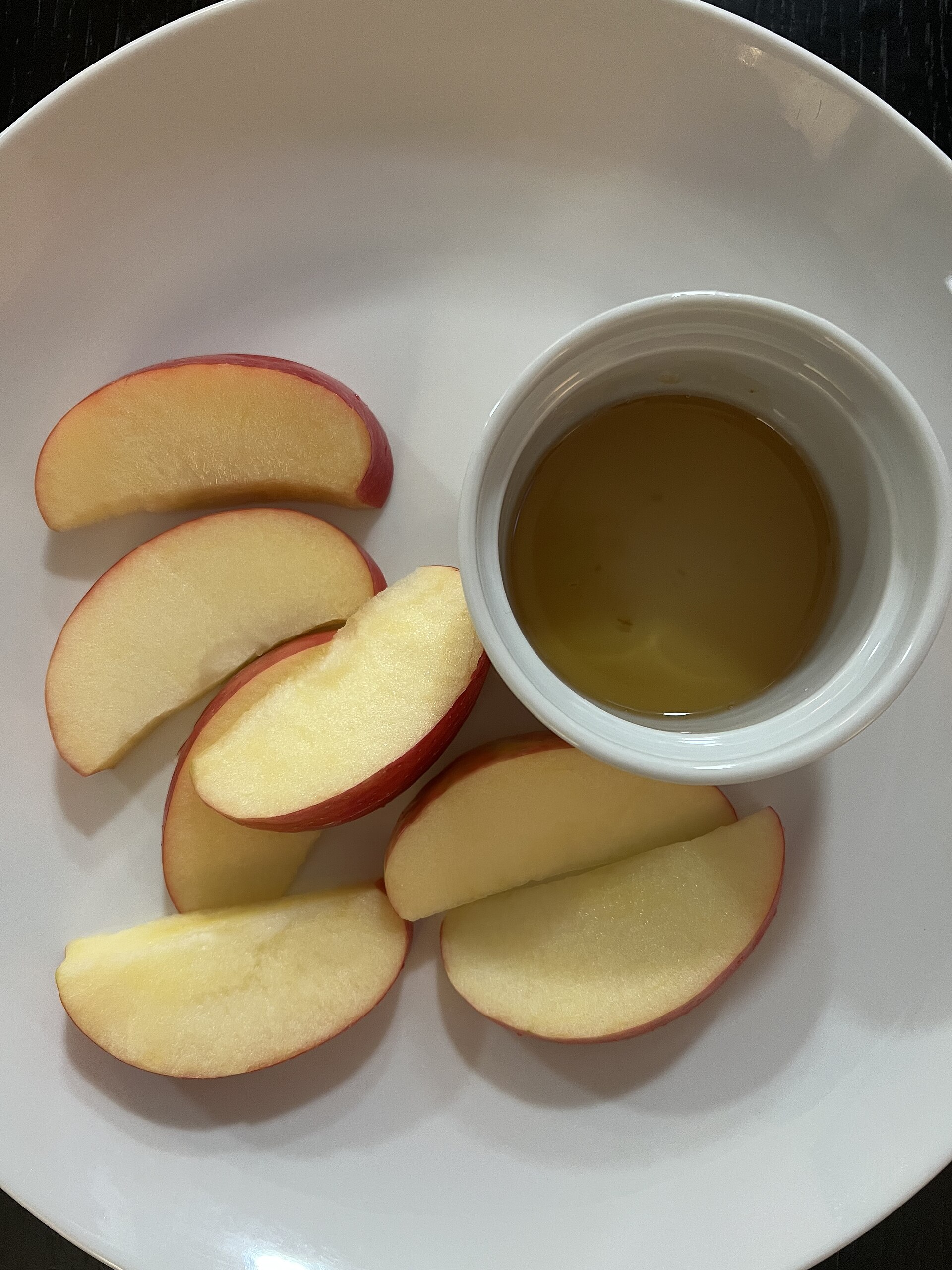
A cut apple starts browning within minutes. The surface darkens even though nothing has been added and nothing has spoiled. The cause is chemistry, not decay: slicing breaks the apple's cells, and that damage sets off a reaction between an enzyme, compounds in the fruit, and the air.
This article explains what enzymatic browning is, walks through the reaction step by step, looks at why some apple varieties brown faster than others, and covers the proven ways to keep cut apples bright.
Enzymatic browning: the reaction in plain terms
Inside an intact apple, the ingredients for browning are kept apart. Phenolic compounds sit in the cell's vacuoles, while the enzyme polyphenol oxidase (PPO, also called tyrosinase) sits in the cell's plastids. Cutting or bruising smashes those compartments together and lets air in.
Lynne McLandsborough, a professor of food science at the University of Massachusetts Amherst, told Scientific American what happens next: once oxygen is present in the injured tissue, PPO enzymes rapidly oxidize the phenolic compounds into o-quinones, colorless precursors that then react to form brown-colored products. The o-quinones react with amino acids or proteins, or they link together into polymers, and the result is melanin, the brown pigment.
A study published in the journal HortScience described it the same way: enzymatic browning follows from the oxidation of polyphenols to quinones by PPO, and the quinones then polymerize with other quinones or phenolics, creating brown pigments. Think of it as a kind of controlled rust: oxygen transforms the fruit's chemistry, and brown is the visible result.
This reaction is a defense mechanism. The quinones formed along the way act as natural antiseptics that help protect the apple from bacteria and fungi. The plant is, in a real sense, sealing its wound.
Why some apples brown faster than others
Not every apple browns at the same speed. An apple's browning potential depends on its PPO level and its phenolic compound concentration, and both vary by variety and growing conditions, according to the Organic Consumers summary of the research.
There is a trade-off: apples with higher levels of phenolic compounds tend to be better for health, but they also brown faster. One study suggested that Fuji, with its higher phenolic content at harvest, is a strong choice for fresh eating. A variety called Aori27, with the lowest PPO activity and the lowest polyphenol content, showed the lowest browning potential, making it better suited to processing.
Food-Info.net notes that acid is the other variable: fruits with a pH below 5, such as oranges and lemons, do not brown at all. Only soft, low-acid fruits with a pH between 5 and 7 are sensitive to the reaction, which is why apples, pears, bananas, and potatoes brown while citrus does not.
Brown apples are safe to eat
The brown color looks unappetizing, but it is not rot. The melanins formed by enzymatic browning are not toxic, and brown fruits are safe to eat for some hours after cutting, according to Food-Info.net. The texture and flavor may shift slightly toward bitter and astringent as the reaction proceeds, which is why browning reduces perceived quality.
The same reaction is put to work on purpose elsewhere. Enzymatic browning contributes to the desirable color and flavor of raisins, prunes, coffee, tea, and cocoa. For tea and cocoa the process is sometimes mislabeled as fermentation, but no microbes are involved: it is the same PPO-driven chemistry, harnessed instead of prevented.
How to stop apples from browning
Every prevention method works by blocking one of the three requirements: the enzyme, the oxygen, or the reaction conditions. Anne Marie Helmenstine, a science writer with a Ph.D. in biomedical sciences, outlined the main levers for ThoughtCo:
- Add acid. Lemon juice is the classic fix. It is high in ascorbic acid (vitamin C), and it has a low, acidic pH. The ascorbic acid reacts with oxygen before oxygen can reach the PPO enzyme, and the acidic environment denatures the enzyme, reducing its activity, according to Testbook's chemistry explanation.
- Add heat. Cooking inactivates the enzyme outright. A brief blanch denatures PPO and stops browning completely.
- Block oxygen. Putting cut fruit under water or vacuum-packing it slows the reaction by starving it of air. This slows browning but does not stop it, since oxygen remains trapped in the tissue.
- Chill it. Refrigeration slows enzyme activity by lowering the temperature. Cold alone buys time, not immunity.
One caution from Helmenstine: cutting with a corroded or low-quality steel knife can increase browning, because the corroded metal makes more iron salts available for the reaction. A clean, sharp knife gives you a slower start.
FAQ
Is a brown apple still good to eat?
Yes, for some hours after cutting. The brown pigment is melanin, which is not toxic. The flavor may turn slightly bitter, but the fruit is safe. Browning is a chemical change, not spoilage.
How long does lemon juice keep apples from browning?
Tossed in lemon juice, apple slices stay bright for hours rather than minutes. The acid lowers the pH and the vitamin C intercepts oxygen, stalling the enzyme. Rinse lightly if you dislike the tart taste.
Why do some apples brown faster than others?
Varieties with higher phenolic content and higher PPO activity brown faster. Growing conditions matter too. Fuji browns relatively fast; low-PPO varieties stay pale much longer.
Does putting apple slices in water really work?
It helps by limiting air contact, but it only slows the reaction. Water plus lemon juice is the better combination: the acid actively blocks the enzyme while the water blocks the oxygen.
The bottom line
A browning apple is showing you its defense system at work: broken cells, oxygen, and the enzyme polyphenol oxidase produce quinones and then melanin, exactly as the plant designed. The color is harmless and even useful in foods like tea and cocoa. In a fruit salad, though, the fix is easy: toss the slices in lemon juice. The acid and vitamin C block the enzyme before the brown can form.
Rive News's research desk covers food science and grocery literacy.
Latest in food
- Why honey crystallizes and whether it is still good
- Do bananas really prevent muscle cramps
- Why coffee tastes bitter and how to fix it at home
- Why some cucumbers taste bitter sometimes
Subscribe for one practical food explainer every week.
Related stories

Why Does Bread Go Stale Faster in the Refrigerator?
Bread goes stale faster in the fridge because starch recrystallizes fastest near 4°C. Here is the retrogradation science and the right way

Baking soda and baking powder: what's the difference?
Baking soda is pure sodium bicarbonate; baking powder adds two dry acids for double-acting lift. Learn when to use each, plus exact

What Is the Maillard Reaction in Simple Terms?
The Maillard reaction is the browning chemistry between amino acids and sugars above 140 C that creates the crust, color, and rich flavor