
Why Do Beans Cause Gas in Your Digestive System?
This article is for general information only and is not medical advice.
Key takeaways
- Beans contain oligosaccharides such as raffinose and stachyose that humans cannot digest.
- Gut bacteria ferment these sugars in the large intestine, releasing hydrogen and carbon dioxide.
- Soaking beans and discarding the water can cut gas-forming sugars by 25-47%.
Beans cause gas because they contain a family of complex sugars called oligosaccharides that the human body cannot digest. These sugars travel intact to the large intestine, where gut bacteria ferment them and release gas as a byproduct.
This article explains which sugars are responsible, why your body cannot break them down, and which preparation methods actually reduce the gas.
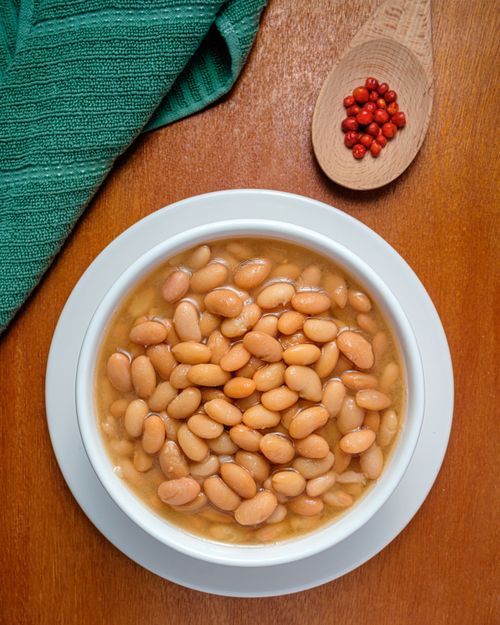
Image Credits: Pexels (free-use license)
The sugars your body cannot digest
The culprits are the raffinose family oligosaccharides: raffinose, stachyose, and verbascose. These are short chains of simple sugars linked together, and they appear in all legumes.
Most carbohydrates are broken down and absorbed in the small intestine. But humans do not produce enough of the enzyme alpha-galactosidase, which is needed to split these particular sugars apart. So the oligosaccharides pass untouched through the mouth, stomach, and small intestine.
Verywell Health notes that because the body cannot break them down, the sugars make it all the way to the large intestine undigested. This is not a sign of intolerance or weak digestion. It is universal human biology.
What gut bacteria do with them
The large intestine is home to bacteria that can digest what you cannot. These microbes possess enzymes that break the oligosaccharide chains into simpler carbohydrates, and they release gases as waste products from the fermentation process.
ThoughtCo explains that bacteria release hydrogen, nitrogen, and carbon dioxide as waste products, and about a third of the relevant bacteria can also produce methane. The more of these sugars reach the colon, the more gas the bacteria produce.
This is also why the gas arrives hours after eating. Biomel's nutrition team points out that fermentation happens mainly in the large intestine, so symptoms appear gradually as gas builds up and is released over time, not immediately after the meal.
The process is not all bad. Fermentation also produces short-chain fatty acids, including butyrate, which help support the gut lining, reduce inflammation, and provide fuel for colon cells.
Which beans cause the most gas
The amount of these sugars varies by bean type. Science Insights reports that black-eyed peas (cowpeas) tend to have higher concentrations of these indigestible sugars, while fava beans and black soybeans rank lower.
Preparation matters as much as variety. Undercooked beans are one of the biggest reasons people struggle with digestion. Extended cooking breaks down anti-nutritional compounds including trypsin inhibitors, tannins, and phytates, which interfere with digestion beyond the gas issue.
There is also a safety angle with kidney beans specifically. They contain phytohemagglutinin, a lectin-class toxin found in high amounts in raw beans, and eating them undercooked can cause vomiting and diarrhea.
The FDA recommends soaking kidney beans for at least five hours, discarding the water, and boiling them in fresh water for at least 30 minutes.
How soaking actually helps
Soaking works because oligosaccharides are highly water-soluble. They leach out of the beans and into the surrounding water during an eight to twelve hour soak.
The critical step is discarding that soaking water and cooking in fresh water. If you cook the beans in the same liquid they soaked in, those sugars go right back in.
The reductions are measurable. According to Health Chosun's review of published studies, soaking kidney beans and discarding the water cut raffinose by 25%, stachyose by 24.8%, and verbascose by 41.7% in a study published in the Journal of Nutritional Science and Vitaminology. A separate study in the Kasetsart Journal of Natural Science found that soaking red kidney beans for 12 hours and pressure cooking for 15 minutes reduced raffinose by 47% and stachyose by 44%.
Breath-hydrogen measurements confirm the effect on the body. In a study published in the American Journal of Clinical Nutrition, healthy adults who ate 80g of regular soybean powder produced a total breath hydrogen concentration of 157.9ppm over eight hours, versus 50.8ppm from soybean powder with lower raffinose and stachyose content, roughly one-third.
Other ways to reduce the gas
A pinch of baking soda, about one-eighth teaspoon per cup of dried beans, in the soaking or cooking water creates an alkaline environment that helps break down oligosaccharides.
Kombu, the dried seaweed used in Japanese cooking, naturally contains alpha-galactosidase, the exact enzyme the human body lacks for breaking down bean sugars. Adding a strip to the pot is a traditional workaround.
Digestive enzyme supplements containing alpha-galactosidase work on the same principle. Taken immediately before eating beans, the enzyme breaks down the sugars in the small intestine before bacteria can ferment them.
Eating smaller portions also helps. Large servings deliver more fermentable carbohydrate at once, and regular bean eaters often report that their digestion adjusts over time. Gradually increasing intake over a couple of weeks gives your gut bacteria time to adapt, which many people find reduces symptoms more than any single preparation trick.
FAQ
Does rinsing canned beans help?
Yes. Rinsing canned beans washes away some of the oligosaccharides dissolved in the canning liquid. It also removes excess sodium, so it is worth doing regardless.
Is bean gas a sign of a food intolerance?
No. Gas from beans is normal human biology, not an intolerance. Everyone lacks the enzyme needed to digest these sugars.
Persistent pain or dramatic symptoms are a different matter and worth discussing with a clinician.
Do lentils cause as much gas as beans?
Lentils contain similar oligosaccharides, but their smaller size and thinner skins mean they cook faster and break down more completely, which many people find easier on digestion.
Why do I get gas hours after eating beans?
Fermentation happens in the large intestine, not the stomach. It takes hours for the undigested sugars to travel there, which is why the gas builds gradually and appears well after the meal.
The bottom line
Beans cause gas because raffinose-family sugars pass undigested into the large intestine, where bacteria ferment them into hydrogen and carbon dioxide. Soak dried beans, discard the soaking water, cook them thoroughly, and the gas drops measurably.
Latest in Food & Cooking
- Why your stomach growls when you are hungry
- How to keep avocados from turning brown
- How to tell if cooking oil has gone bad
- Why pancakes come flat instead of fluffy
Subscribe for one practical food-science explainer every morning.
Related stories
Why Does Bread Go Stale Faster in the Refrigerator?
Bread goes stale faster in the fridge because starch recrystallizes fastest near 4°C. Here is the retrogradation science and the right way
Baking soda and baking powder: what's the difference?
Baking soda is pure sodium bicarbonate; baking powder adds two dry acids for double-acting lift. Learn when to use each, plus exact

What Is the Maillard Reaction in Simple Terms?
The Maillard reaction is the browning chemistry between amino acids and sugars above 140 C that creates the crust, color, and rich flavor