
Why bread dough rises faster in a warm kitchen
By Rive News / Research desk | Rive News / Published October 27, 2026 at 9:00 AM PKT
Key takeaways
- Yeast is a living organism that feeds on sugars in flour and releases carbon dioxide.
- Warmth speeds yeast metabolism, so gas is produced faster and dough rises sooner.
- Most recipes proof at 75 to 80 degrees Fahrenheit, balancing speed with flavour; very hot dough can kill yeast, while cold dough rises slowly but often tastes better.
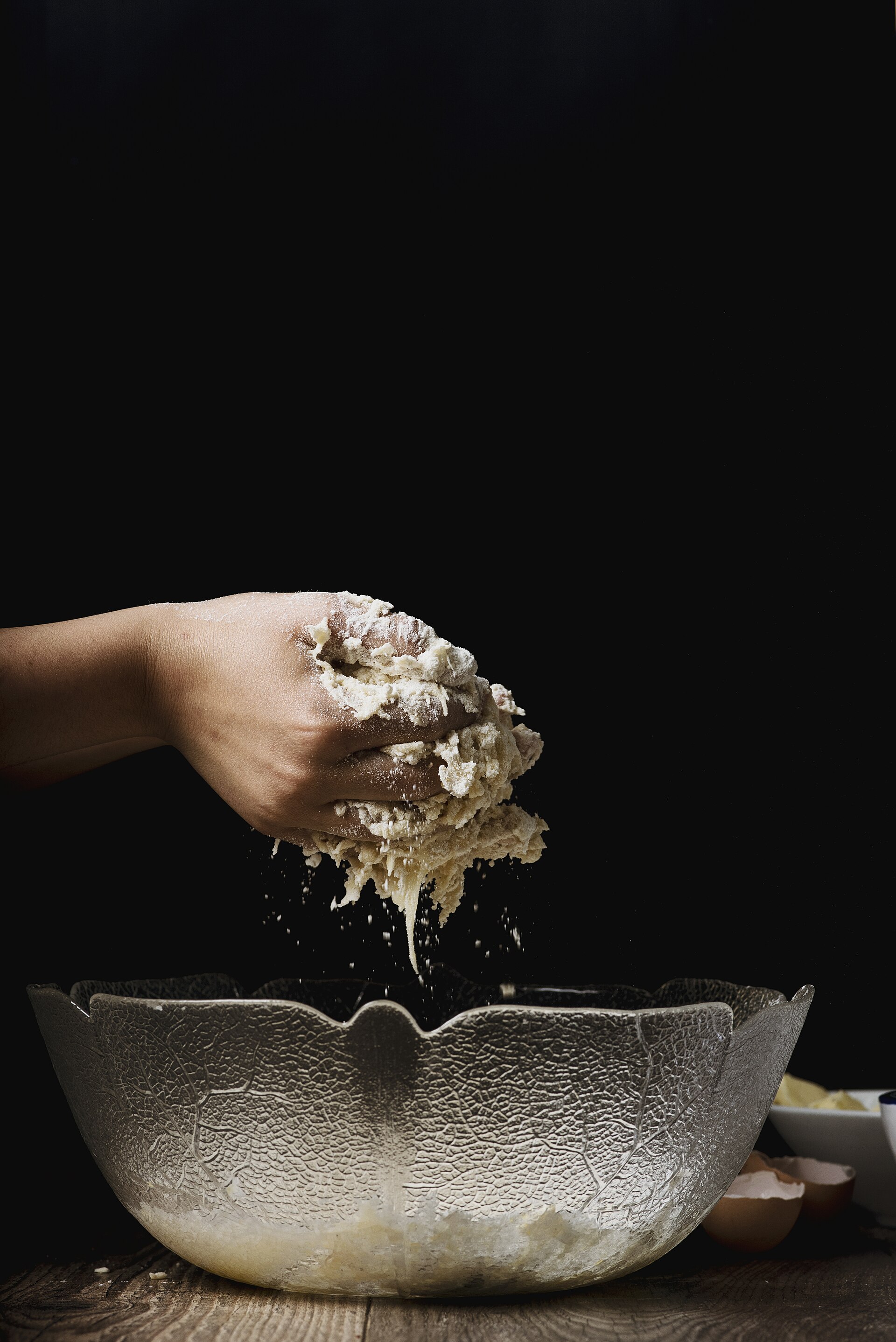
A hand kneading dough over a glass bowl, the stage before warmth starts to speed fermentation. Photograph: Gaelle Marcel
Image Credits: Wikimedia Commons
Bread dough rises because yeast is alive and hungry. Baker's yeast, Saccharomyces cerevisiae, feeds on simple sugars in flour and releases carbon dioxide gas and alcohol as by-products. The gas bubbles get trapped in the dough's elastic gluten network, and the dough expands.
Temperature controls how fast that living process runs.
This article explains how warmth speeds fermentation, which temperatures bakers use, why cold dough rises slowly, and what a warm kitchen does to flavour.
Yeast works faster when it is warm
Temperature is the dial bakers control most directly. Biology Insights puts it simply: yeast ferments faster in warmth and slower in cold. Most bread recipes call for proofing somewhere around 75 to 80 degrees Fahrenheit (24 to 27 degrees Celsius), which balances speed with flavour development.
The reason is metabolism. Warmth supplies energy that activates the enzymes yeast uses to break down sugars. A 2024 study on bread production, published in Foods and cited by K24 Digital, notes that the temperature of the dough determines the growth rate of Saccharomyces cerevisiae, with an optimal range of 34 to 38 degrees Celsius and a pH of 4.0 to 5.2. That optimal range is warmer than most kitchens, which is why a warm spot can cut rising time sharply.
Food52, drawing on Harold McGee's On Food and Cooking, adds a useful benchmark: the closer the temperature is to 95 degrees Fahrenheit, the more efficiently yeast feeds and produces carbon dioxide. At that warmth, yeast is working near its peak. The trade-off, which matters for flavour, is covered below.
Cold works in the opposite direction. Cold water keeps dough chilly and forces yeast into a sluggish, near-dormant state. Gas production slows to a crawl, and a noticeable rise can take hours instead of one or two.
That is why the same recipe can double in an hour on a warm day and barely move on a cold one.
The gluten net has to catch the gas
Rising is not only about gas production. It is also about trapping that gas. Kneading develops gluten, a network of proteins that stretches around gas bubbles like a net.
If the net is weak, gas escapes and the loaf stays flat, however active the yeast is.
Warmth helps here indirectly, because a warmer, softer dough ferments faster and its yeast population grows. BakeryBits notes that fermentation and the increase in yeast cell numbers happen faster when dough is warmer, and that a dough kept at about 25 degrees Celsius gives a medium rise. A wetter dough also rises faster, because fermentation runs more easily when the mixture is soft and cell walls stay flexible.
Salt plays a regulating role. Most bread formulas use around 1.5 to 2 percent salt relative to flour weight, according to Biology Insights. Salt strengthens gluten, which helps the loaf rise upward rather than spread sideways, but it also slightly reduces total carbon dioxide production.
That balance is why bakers rarely skip salt, even though it slows yeast a little.
Yeast quantity matters too. BakeryBits gives a practical rule for dried fast-action yeast: 1 gram per 100 grams of flour gives a medium-speed rise that takes 90 to 120 minutes before shaping. More yeast speeds the rise, but it does not replace temperature control, and too much yeast can produce off flavours.
Warm is fast, cold is flavourful
Speed is not the only goal. A warm rise is fast, but a cold rise is often more flavourful. Cold fermentation in a refrigerator, which many artisan bakers prefer, slows yeast dramatically and allows more time for enzymes to break down starches and for flavour compounds to accumulate.
Biology Insights notes that a cold-retarded dough might take 12 to 24 hours to develop instead of one or two.
Baking Sense makes the same point in practical terms: yeast is most active around 95 degrees Fahrenheit, but at that temperature it also produces stronger, sometimes unpleasant by-products, while a fermentation temperature around 75 to 80 degrees Fahrenheit allows good activity and clean, pleasant flavour. Lower temperatures can easily extend fermentation by an hour or more, and that extra time is when complex, desirable flavours develop.
Food52 warns that speeding up fermentation, whether by more yeast, warmer temperatures, or added enzymes, has the same effects: less flavour and significant structural changes. Dough may not rise as high, the crumb may be denser, and the dough may be less elastic and harder to shape. For a weeknight pizza dough, that trade may be fine.
For a loaf where flavour is the point, it is not.
The practical choice is therefore a balance. Use a warm spot when time is short. Use a cooler spot, or the refrigerator overnight, when flavour matters more than speed.
Judge readiness by the dough, not the clock: it should roughly double, feel puffy, and spring back slowly when poked.
How to use a warm kitchen well
A warm kitchen in summer may already sit at 75 to 80 degrees Fahrenheit, which is ideal. In winter, a baker needs a warm spot. An oven with only the light on, but the oven itself off, is a common choice, because the light gives gentle, draft-free warmth.
A spot near, but not on, a preheating oven works too.
Avoid direct heat. Dough placed on a very hot surface, or in an oven that is actually on, can overheat. Yeast dies at high temperatures, and a dough that gets too hot will stop rising altogether.
Warm water for mixing should feel comfortably warm to the hand, around 35 to 40 degrees Celsius for a quick rise, not hot.
Watch the dough, not just the timer. In a warm kitchen, check after 30 to 45 minutes rather than waiting for the full time in the recipe. Over-proofed dough collapses, because the gluten net stretches too far and the yeast runs out of food.
A dough that has doubled and holds a gentle dent when poked is ready to shape.
If the kitchen is cold, do not panic. Give the dough more time, or move it to a warmer spot for the last part of the rise. A cold rise overnight in the refrigerator is a legitimate method, not a failure, and it often produces a better loaf.
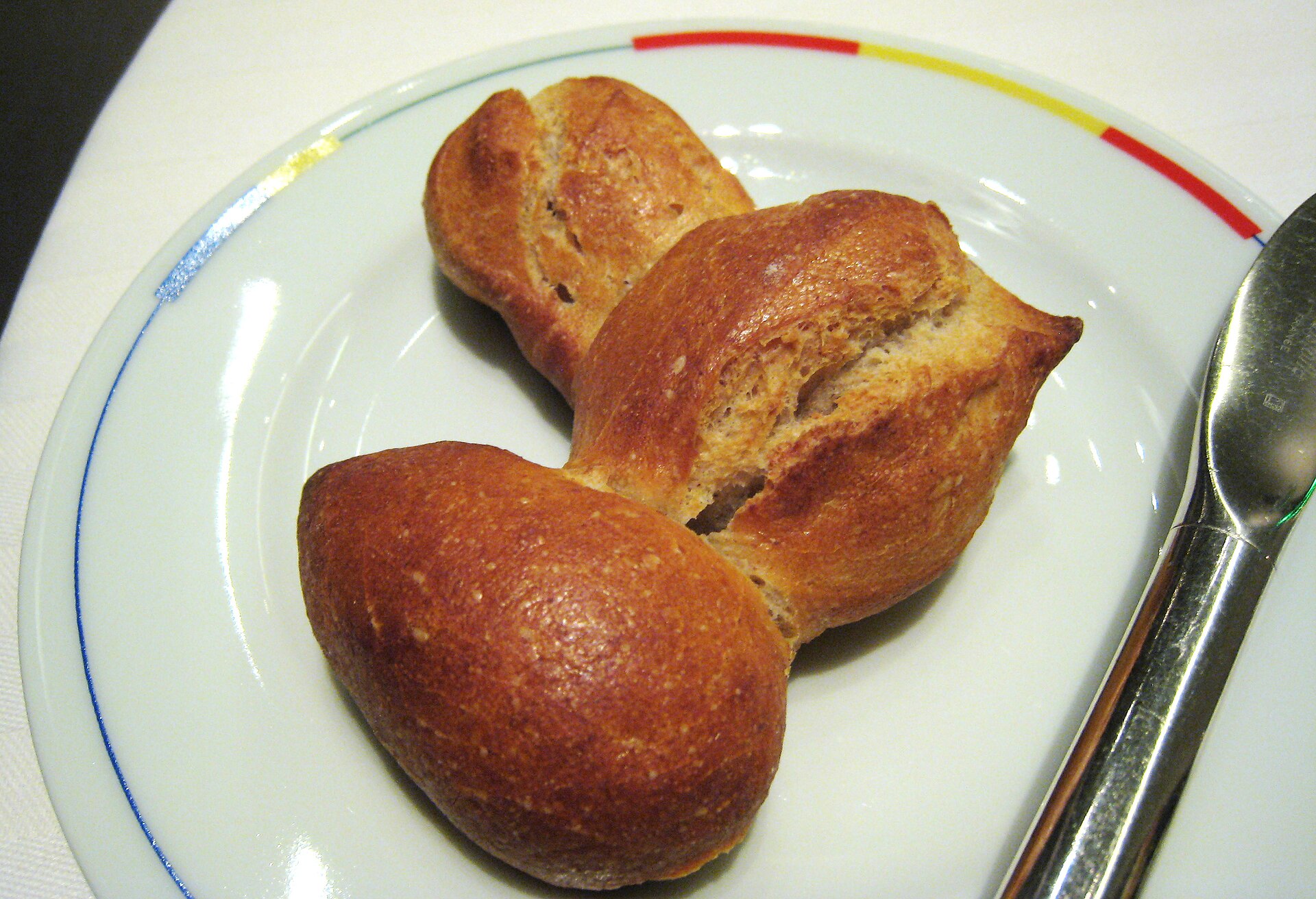
A baked loaf of bread, the result of gas trapped in gluten and set by the heat of the oven. Photograph: the bread loaf
Image Credits: Wikimedia Commons
Frequently asked questions
What temperature is best for proofing bread dough?
Most recipes use 75 to 80 degrees Fahrenheit for a balance of speed and flavour. Warmer dough, near 95 degrees Fahrenheit, rises faster but can taste less clean.
Can dough rise too fast in a very warm kitchen?
Yes. Over-proofed dough can collapse, because the gluten stretches too far and yeast exhausts its food. Check warm dough early, after 30 to 45 minutes.
Does cold dough ever rise properly?
Yes, it just takes longer. A refrigerator rise of 12 to 24 hours is a standard artisan method and often gives a more complex flavour than a fast warm rise.
The bottom line
Dough rises faster in a warm kitchen because warmth speeds yeast metabolism, so carbon dioxide is produced faster and trapped in the gluten net sooner. That speed comes with a cost: less time for flavour to develop, and a higher risk of over-proofing. Use warmth when time is short, use a cooler rise when flavour matters, and judge the dough by size and feel rather than by the clock alone.
Tags: bread baking, yeast, fermentation, dough
Rive News is a research desk that writes plain-English explainers from public sources, with no fake authors or invented baking tests.
Related
- Why bread dough rises twice
- What is gluten and why kneading develops it in dough
- Baking soda and baking powder: what is the difference?
- Why bread goes stale so fast
Subscribe for one practical food explainer each week.
Standards: facts are attributed to named public sources; no dietary advice is offered here.
Related stories
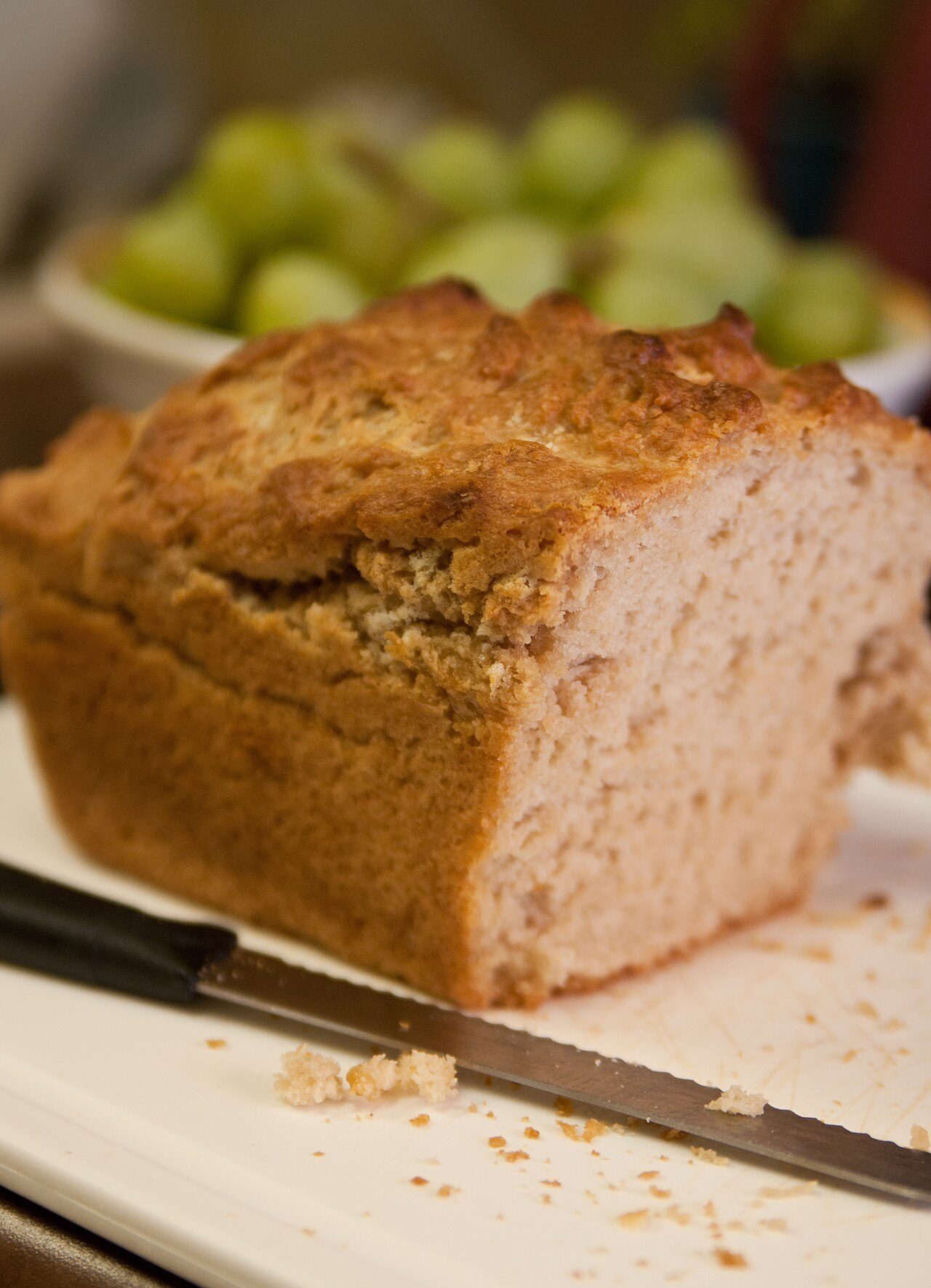
Why Does Bread Go Stale Faster in the Refrigerator?
Bread goes stale faster in the fridge because starch recrystallizes fastest near 4°C. Here is the retrogradation science and the right way
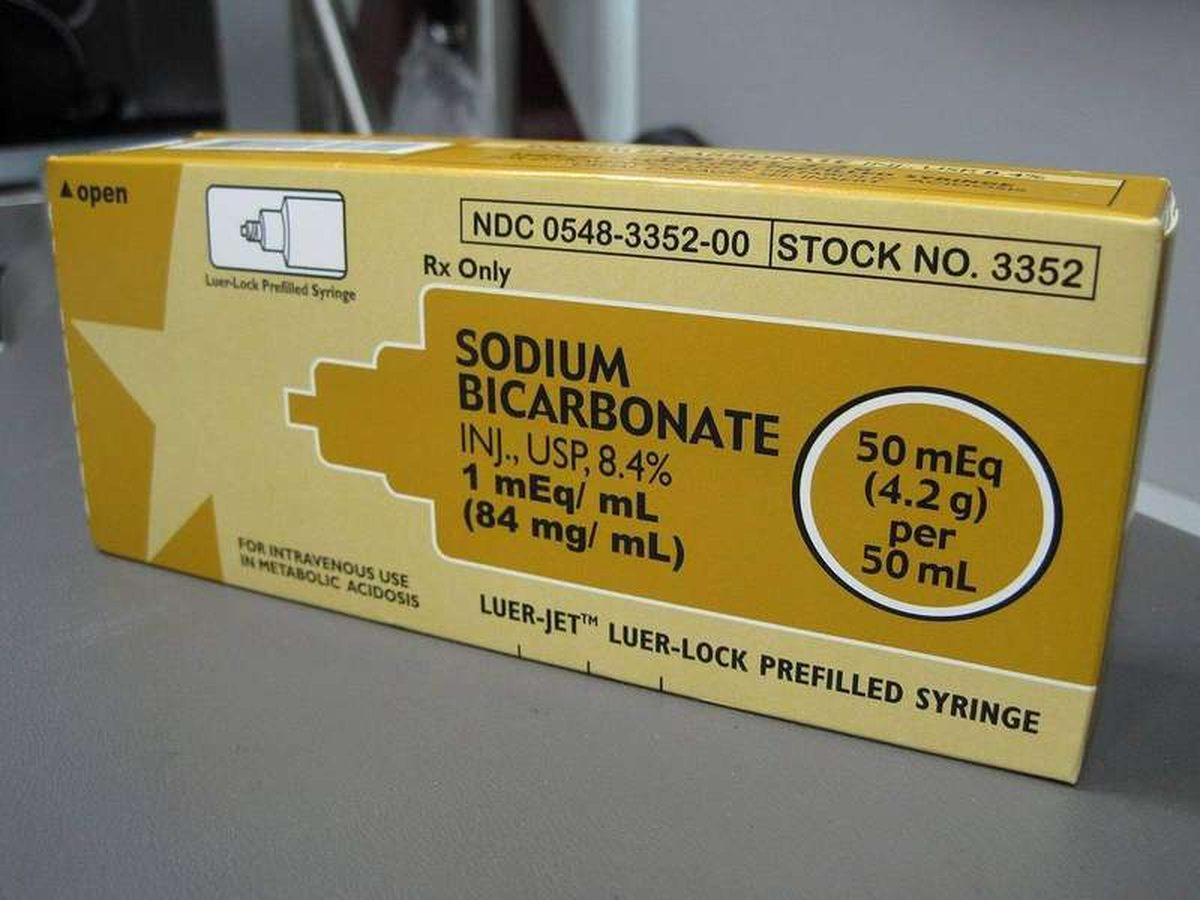
Baking soda and baking powder: what's the difference?
Baking soda is pure sodium bicarbonate; baking powder adds two dry acids for double-acting lift. Learn when to use each, plus exact
What Is the Maillard Reaction in Simple Terms?
The Maillard reaction is the browning chemistry between amino acids and sugars above 140 C that creates the crust, color, and rich flavor