
Why cookies spread too thin or stay too thick in the oven
Key takeaways
- Cookies are a timed race: fat and sugar melt and flow while flour, egg, and starch set the structure. Whichever wins decides thickness.
- Too-thin cookies usually mean soft butter, warm dough, a cool oven, or too little flour holding the shape.
- Too-thick cookies usually mean over-chilled dough, too much flour, or expired leaveners. Small ratio changes fix both directions.
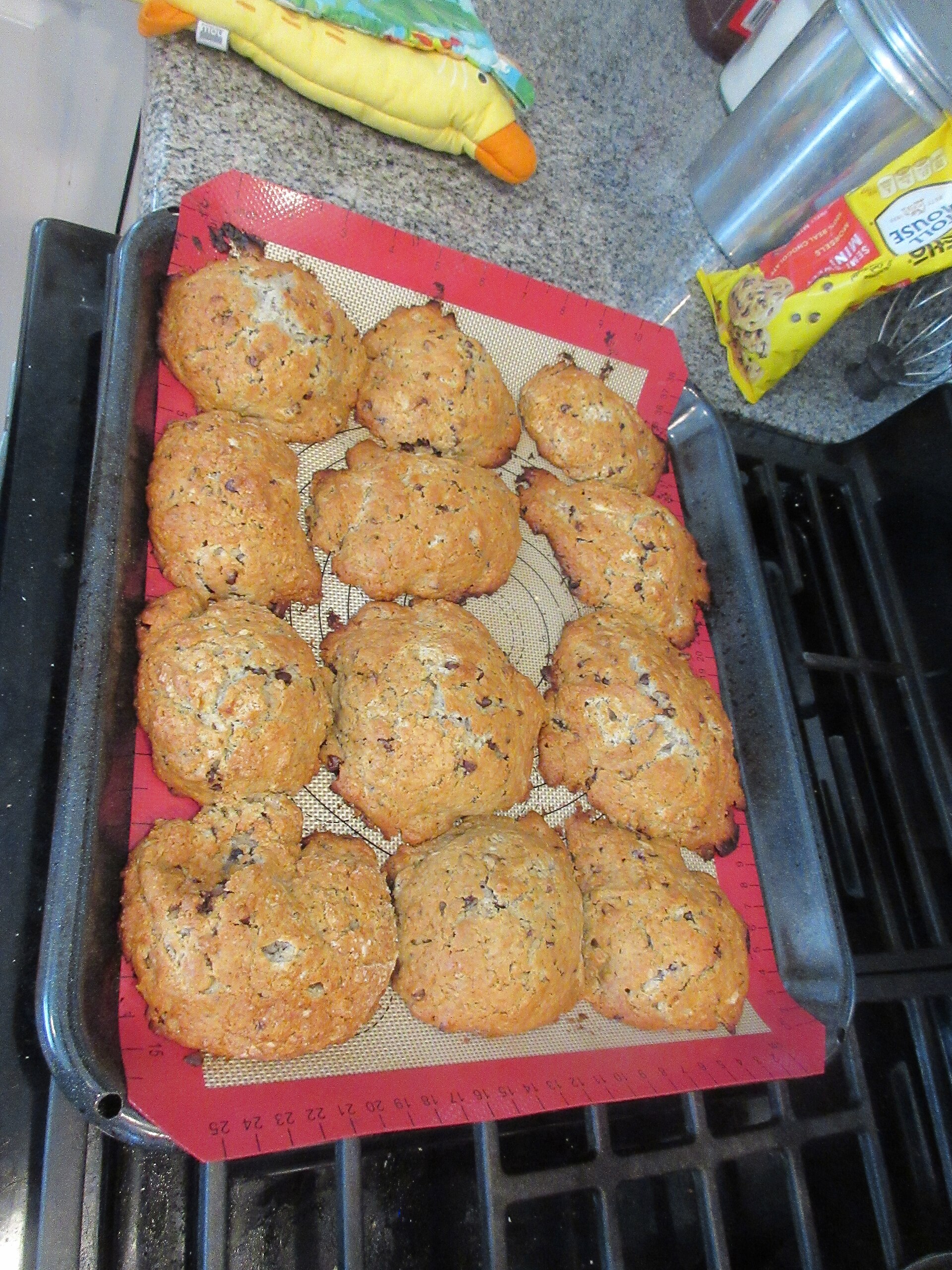
Cookie spread is simply how far a scoop of dough flows outward in the oven before it sets. Some recipes aim for thin, crisp, lacy discs. Others aim for thick, tall, soft-centered mounds.
When the result lands far from either target, the cause is almost always the same set of variables acting in opposite directions.
This article explains the baking science behind spread, including the five things that happen inside a cookie in the oven, why some batches go too thin, why others stay stubbornly thick, and how to get the thickness you actually want.
What decides spread: a race between melting and setting
A food technologist's description of baking, published by Tanya Singh on LinkedIn, breaks the oven phase into five overlapping events:
- Fat melts, which weakens the dough's structure and lets it flow.
- Sugar dissolves and softens the dough further.
- Flour proteins develop and starch gelatinizes (absorbs water and firms up), building the cookie's final structure.
- Water turns to steam and escapes.
- Temperature controls the timing of everything.
The key insight is the timing. If the fat melts before the flour-and-starch structure sets, the cookie gets more time to spread.
If the structure sets quickly, spread stops early. So every variable in cookie baking, from butter temperature to flour quantity to oven heat, is really a lever on that race.
Too thin: what pushes cookies to spread
Soft or melted butter is the most common culprit. Butter that is too soft melts fast in the oven and runs before the structure has set, leaving flat, greasy discs.
"Flat cookies happen when the fat melts before the structure sets," said McKenney, a professional baker quoted by Better Homes & Gardens.
Warm dough and hot pans speed up the same failure. Dough that goes into the oven at room temperature or warmer starts spreading the instant it lands on the sheet. A baking sheet still warm from a previous batch is worse: the fat starts melting on contact, before the oven heat even enters the picture.
A cool oven is the sneakier cause.
If the oven has not fully preheated, the butter melts slowly over a longer bake while the flour and egg take longer to set. More time liquid means more spread.
Quaker Oats' baking guide advises heating the oven for at least 10 minutes and using an oven thermometer. Thermostats drift over time, and a dial set to 350°F may not be telling the truth.
Then there is flour. Flour is the scaffolding; more flour means more structure and less spread.
Scooping flour straight from the bag with a cup can pack in far more than the recipe intends. A light hand can leave the dough too weak to hold its shape. A kitchen scale removes this guesswork.
Low-protein flour also builds less structure. So swapping bread flour for cake flour, or simply shorting the flour, pushes cookies thinner.
Sugar plays a role too. Sugar liquefies as it heats, and higher sugar ratios lead to more spread. Swapping brown sugar for white changes moisture and chew as well as spread. So stick to the recipe's specified ratio when troubleshooting.
Too thick: what stops cookies from spreading
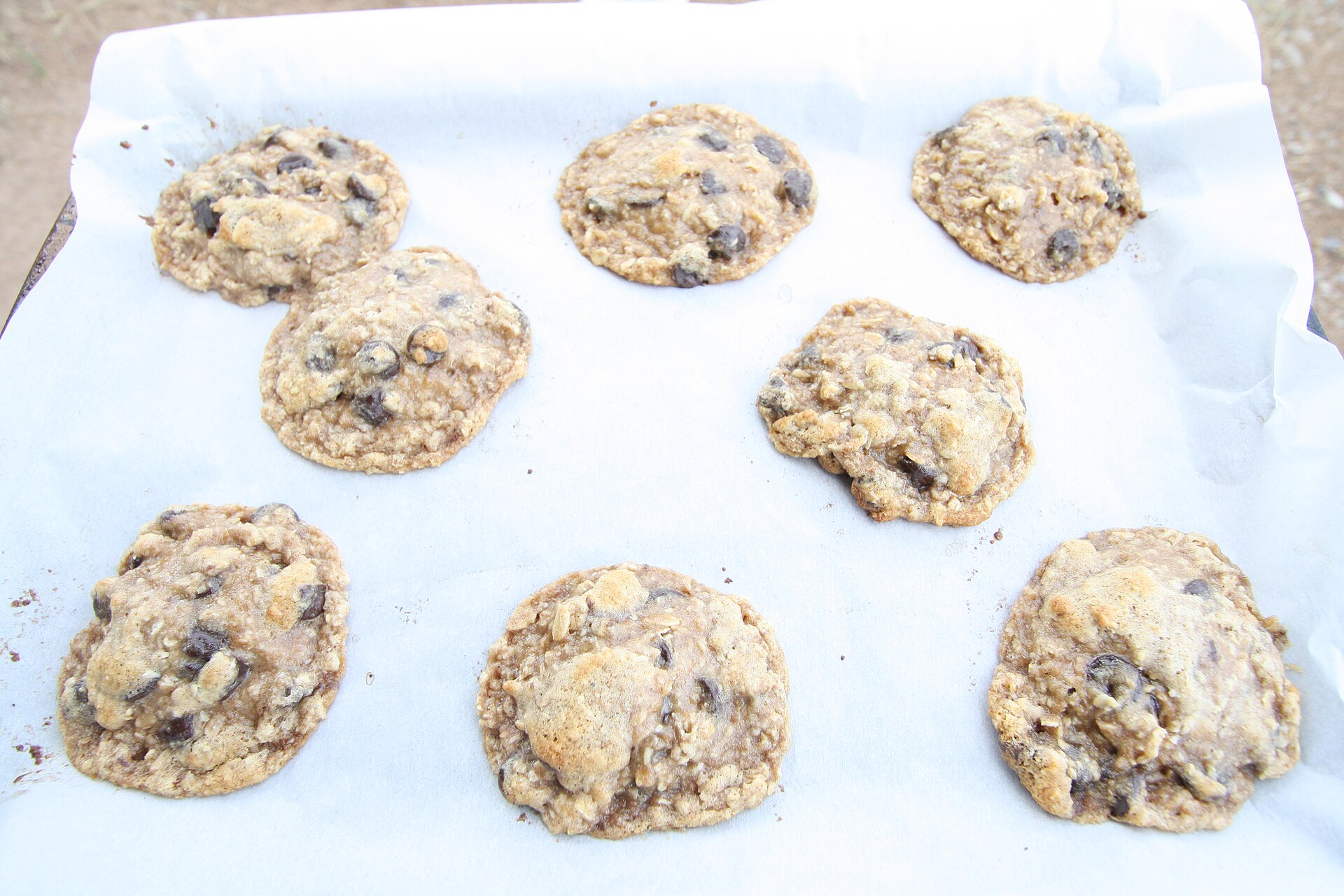
Chilling is the usual suspect when cookies barely spread at all. Cold, firm fat melts slowly, so the structure sets before the cookie has flattened.
This is often a feature, not a bug: many recipes call for chilling precisely to control spread. But dough chilled overnight and scooped rock-hard into a moderate oven can bake up into tall domes with pale, underbaked middles.
Too much flour works the same way in reverse. A heavy-handed scoop builds excess structure, and the cookie never gets a chance to flow. The same applies to flour substitutions that add protein or absorption, such as swapping in bread flour or adding extra oats without adjusting liquid.
Expired leaveners round out the thick-but-flat paradox. (Leaveners are baking soda and baking powder, which make dough rise.) Baking soda and baking powder lose potency over time, so cookies never get the lift that would round out their shape.
BHG's guide notes both directions of the same problem: fresh leaveners give lift, dead ones give dense discs. Test baking soda with a splash of vinegar and baking powder with hot water; fizzing means they are still alive.
Getting the thickness you actually want
Start with butter at the right temperature: softened enough to hold a fingerprint when pressed, but still cool and never oily or melted. For most drop cookies, that means butter that yields slightly under pressure at room temperature, not butter zapped in the microwave.
Chill the dough when the recipe says so, and consider chilling when it doesn't but your kitchen is warm. Twenty minutes in the refrigerator firms the fat enough to slow spread. The cookies will need 2 to 3 extra minutes in the oven, according to Quaker Oats' troubleshooting guide. For very buttery doughs, an hour or even overnight works better.
Use cool, light-colored sheets lined with parchment rather than greased pans, which let dough slide. Preheat fully, verify with a thermometer, and resist opening the door more than once or twice: each peek drops the temperature and extends the liquid phase.
Measure flour by weight when you can. If you must use cups, spoon the flour in and level it with a straight edge rather than packing it down.
And match your leaveners to the recipe: baking soda needs an acid (like brown sugar) to react, while baking powder brings its own. The difference matters more than most bakers expect, as explained in the difference between baking soda and baking powder.
One more variable: mix-ins. Extra chocolate, nuts, or a larger egg change moisture and structure. So an already-spready dough gets worse with heavy additions. In reverse, a dough that bakes up too thick can be helped by slightly reducing flour or adding a tablespoon of liquid.
FAQ
Why do my cookies spread but the recipe photo shows thick cookies?
The photo was likely taken in a cold kitchen with chilled dough, an accurate oven, and weighed flour. If any of those differ in your kitchen, spread increases. Chill the dough and check your oven temperature first.
Can I fix dough that is already mixed and too soft?
Yes. Refrigerate the mixed dough for at least 30 minutes, or scoop it and chill the scoops. Cold, firm fat spreads far less.
You can also fold in a tablespoon or two of flour if the dough looks visibly slack.
Does chilling really make that much difference?
It does. Chilling firms the fat so the structure starts setting before the cookie flows outward. It is the single most reliable fix for excessive spread. Skipping a called-for chill is a top cause of flat cookies.
Why do my cookies spread more in summer?
Warm kitchens soften butter faster and raise dough temperature before baking even starts. In summer, chill both the dough and the shaped scoops. Consider mixing with butter a few degrees cooler than usual.
My cookies are thick but pale and doughy inside. What happened?
Over-chilled dough baked in an under-preheated oven. Let scoops sit at room temperature for 10 minutes before baking. Make sure the oven is fully preheated, and add a few minutes to the bake time.
The bottom line
Thin cookies and thick cookies are the same race run at different speeds: fat melts and flows while flour, egg, and starch build structure. Keep butter cool but pliable, chill the dough, preheat the oven fully, and measure flour carefully, and you control which side wins. Small details make a big difference in cookies, as McKenney told BHG: fix one variable at a time and your next batch will land where you aimed.
---
Topics: baking science, cookies, baking tips, troubleshooting
Rive News is a research desk publishing evidence-checked explainers on everyday questions.
Latest in Food
- Why pancakes come out flat instead of fluffy
- Why cake sinks in the middle after baking
- How gluten develops when you knead dough
- Baking soda versus baking powder: the difference
Get one evidence-checked explainer like this in your inbox each week. Subscribe for the weekly roundup.
Rive News applies a standards desk: claims carry sources, corrections are published with timestamps, and no story is invented. Copyright 2026.
Related stories

Why Does Bread Go Stale Faster in the Refrigerator?
Bread goes stale faster in the fridge because starch recrystallizes fastest near 4°C. Here is the retrogradation science and the right way t

Baking soda and baking powder: what's the difference?
Baking soda is pure sodium bicarbonate; baking powder adds two dry acids for double-acting lift. Learn when to use each, plus exact substitu

What Is the Maillard Reaction in Simple Terms?
The Maillard reaction is the browning chemistry between amino acids and sugars above 140 C that creates the crust, color, and rich flavor of