
Why Fresh Pasta Cooks Faster Than Dried: Moisture and Starch Science
Key takeaways
- Fresh pasta cooks in about 2-4 minutes because its dough already holds 12-25% water; dried pasta needs 8-12 minutes to rehydrate from under 12%.
- Fresh dough contains eggs and more water, making a softer, more pliable noodle that heats through almost instantly in boiling water.
- The speed advantage is also a warning: fresh pasta overcooks quickly, turning mushy and gummy if left in the pot too long.
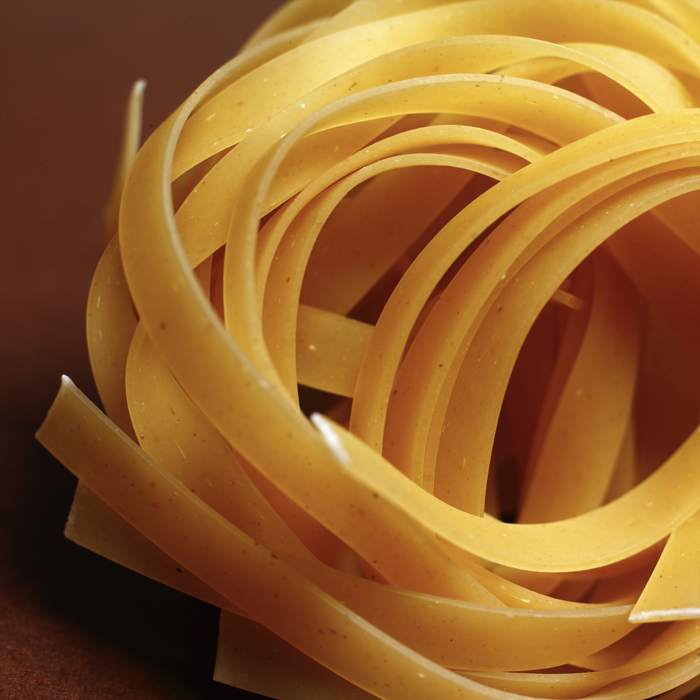
Drop fresh tagliatelle into boiling water and it is done in about 2 to 4 minutes. Drop dried spaghetti into the same pot and you wait 8 to 12 minutes. Both are wheat noodles, so why the huge gap?
The answer comes down to water: fresh pasta is already hydrated, so the boiling step mostly heats and sets it, while dried pasta must soak up water and soften its starch from scratch.
This article explains why fresh pasta cooks faster than dried pasta, what role eggs and moisture play, and how to time each type so neither turns mushy.
What cooking pasta actually does
Cooking pasta is mostly about two things: hydrating starch and setting structure. Wheat flour is packed with starch granules and gluten-forming proteins. In boiling water, starch granules absorb water, swell, and soften, a process food scientists call gelatinization.
The noodle goes from rigid to tender as water works its way from the surface to the core.
A dried noodle is essentially a dehydrated version of the same food. The slow, low-temperature drying process used in manufacturing drives the water content below 12%, which gives dried pasta its famous shelf life of up to two years.
All of that removed water must be put back during cooking before the starch can fully soften. That rehydration is what fills most of those 8 to 12 minutes.
Moisture: the head start fresh pasta carries
Fresh pasta skips the drying step entirely, so it keeps 12-25% water locked into the dough. That moisture is not a small detail. The higher water content means the starch granules are already partially hydrated before the noodle ever touches the pot, and the dough is softer and more pliable throughout.
As pasta maker Maruzza Pasta explains, the eggs and fine flour in fresh pasta create a dough that is softer and more pliable, allowing it to cook through almost instantly once submerged in boiling water. In contrast, dried pasta has been dried, removing most of the moisture and requiring more time to rehydrate and cook. The difference in thickness often adds to the effect: fresh noodles are frequently rolled thinner than their dried equivalents, so heat reaches the center faster.
Put together, fresh pasta enters the pot with a running start. The boiling water mainly needs to bring the noodle to temperature and finish gelatinizing the starch, which takes about 2 to 4 minutes depending on thickness.
The ingredient difference: eggs change everything
The recipes are not identical either. According to pasta sauce brand Paesana, cited by Tasting Table, dried pasta is made from semolina flour, water, and salt, while fresh pasta uses the same base plus eggs and more water. The eggs do more than add richness.
They raise the protein content, contribute to the dough's tender structure, and help create the silky mouthfeel fresh pasta is known for.
That ingredient difference also explains the handling rules. Fresh pasta contains eggs, so it must be refrigerated and used within a few days, or frozen for longer storage. Dried pasta has no perishable ingredients, which is why a box can sit in the pantry for months.
It is the same trade-off you see across the kitchen: moisture buys tenderness and speed, but costs shelf life.
Why the speed is also a warning
Fresh pasta's quick timing comes with a catch. Because the noodle is already hydrated and delicate, the window between perfectly tender and mushy is narrow.
Overcooking fresh pasta makes it gummy and can wash away flavor. The practical rule is simple: start checking for doneness after 2 minutes. The noodle is ready when it is tender but still slightly firm to the bite, the state Italians call al dente.
Sauce choice matters too, for the same structural reasons. Tasting Table notes that dried pasta's firmer texture stands up to thick, chunky sauces and long simmering, making it the right pick for a hearty Bolognese.
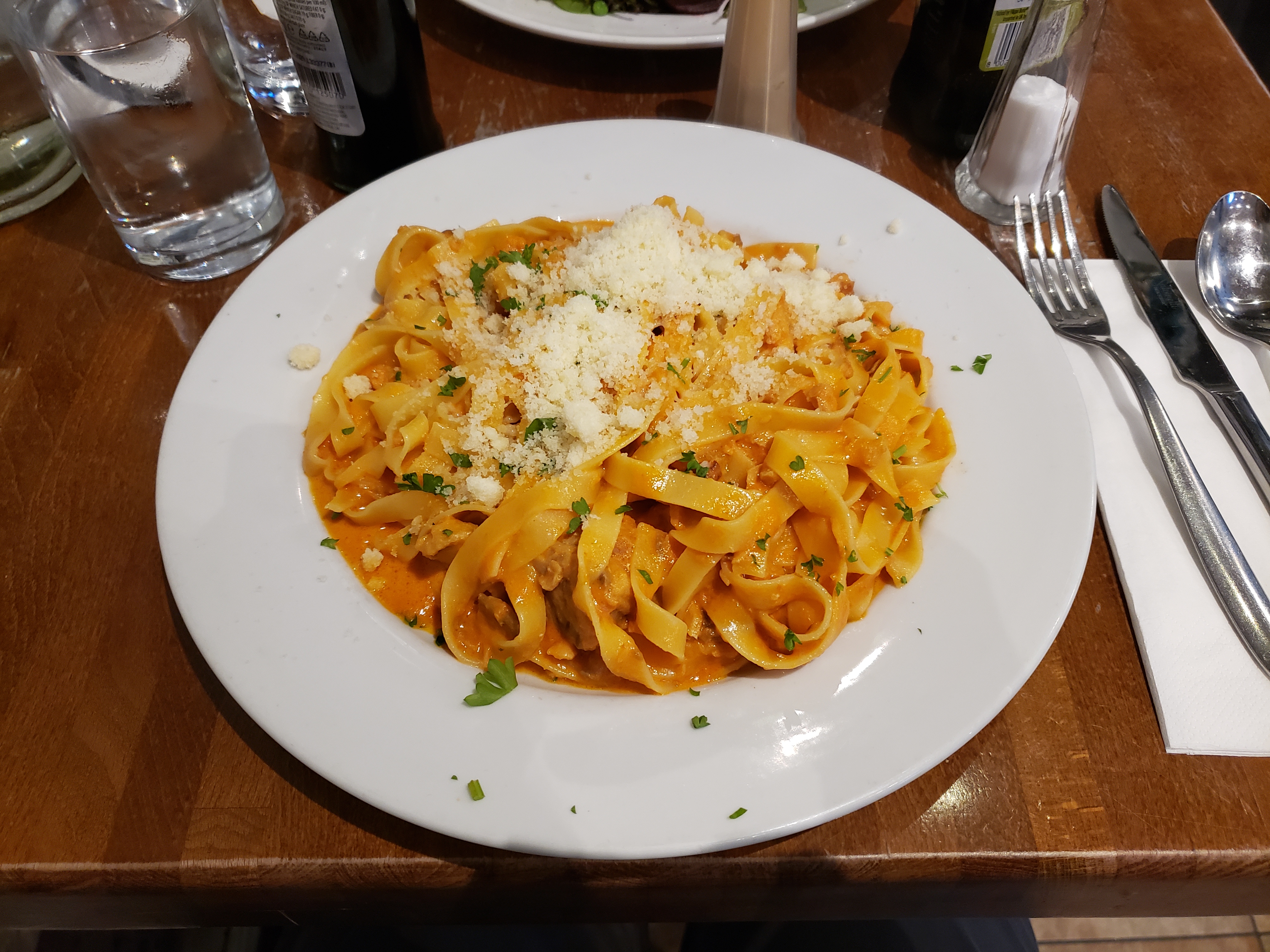
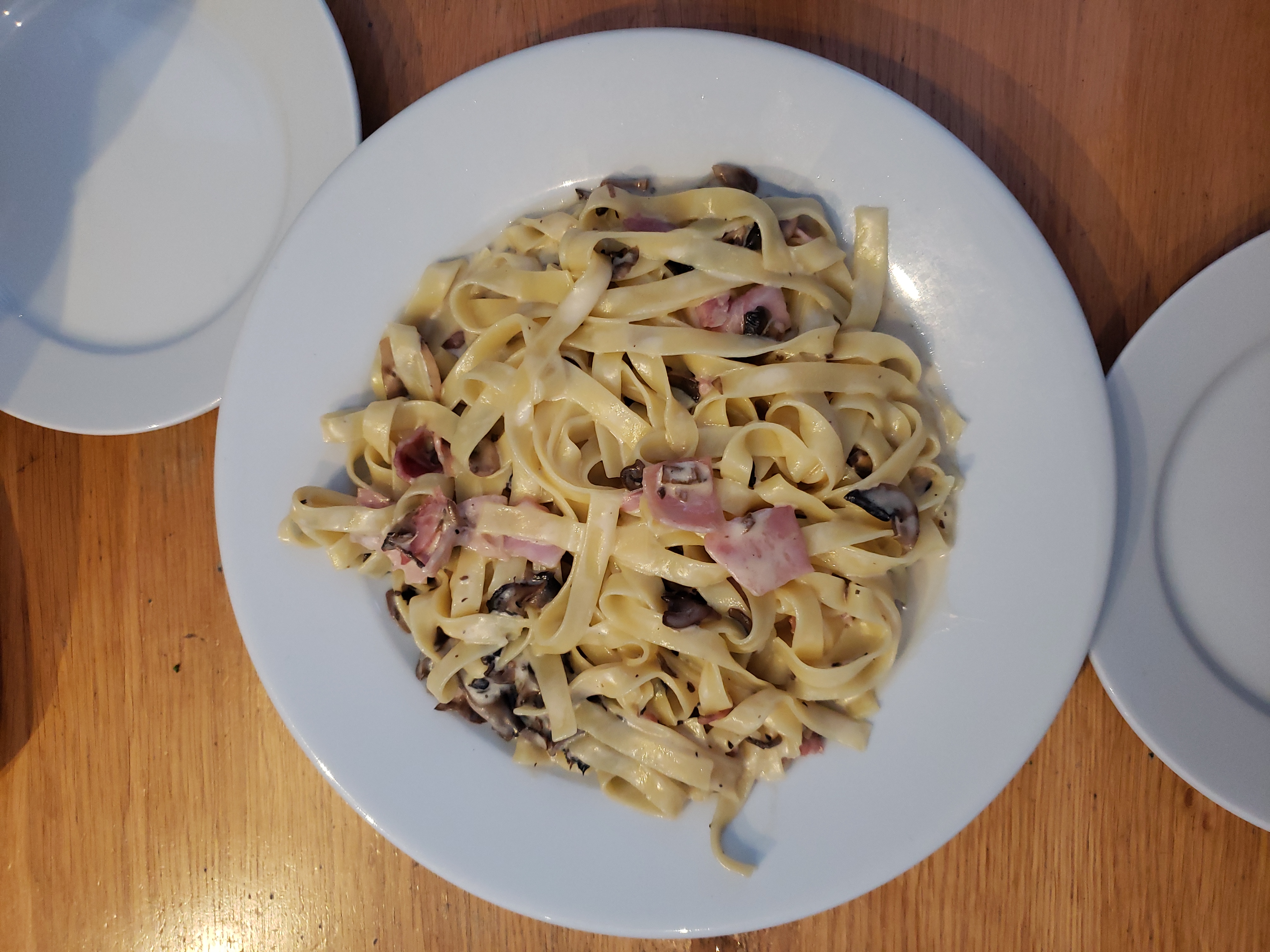
Fresh pasta, delicate and tender, shines with lighter, quicker preparations: butter and sage, a simple tomato sauce, or a cream-based sauce that will not overwhelm it. Fettuccine, pappardelle, and tagliatelle are the classic fresh cuts, usually tossed in smooth sauces.
One more habit separates good pasta from great. Salt the boiling water before the pasta goes in, roughly a tablespoon per quart.
The salt seasons the noodle from the inside as it hydrates, something no amount of sauce can fix later. Fresh pasta, with its short boil, has less time to absorb that seasoning, so properly salted water matters even more for it than for dried.
The bottom line
Fresh pasta cooks in minutes because it never gave up its water. With 12-25% moisture already in the dough, plus eggs that keep the noodle tender, it needs only a quick boil to finish, while dried pasta spends 8-12 minutes rehydrating from below 12% water. The practical lessons: start tasting fresh pasta at 2 minutes, never rinse either type (the surface starch helps sauce cling), and match the noodle to the sauce the way you would match the method to the dish when bread dough needs its two rises.
FAQ
Q: How long does fresh pasta take to cook?
A: Typically 2 to 4 minutes in well-salted boiling water, depending on thickness. Start checking at 2 minutes, because fresh pasta goes from done to mushy quickly.
Q: Can I overcook fresh pasta?
A: Yes, easily. Its high moisture content and delicate structure mean extra minutes in the pot turn it gummy and flavorless. If you must cook ahead, toss the drained pasta in a little olive oil to keep it from sticking, and keep the boil short.
Q: Is fresh pasta healthier than dried pasta?
A: Not dramatically. Fresh pasta has more protein from the eggs and fewer additives, but dried pasta made from whole grains can offer more fiber. Both fit into a balanced diet; the bigger nutritional difference usually comes from the sauce.
Q: Should I rinse fresh pasta after cooking?
A: No. Rinsing washes away the surface starch that helps sauce adhere to the noodles. Use a slotted spoon to move fresh pasta straight from the pot to the sauce.
---
Topics: fresh pasta, dried pasta, cooking times, pasta science
Rive News is the research desk behind this publication, covering travel, food, science, and everyday explainers.
Latest in Food
- Why Does Bread Dough Need to Rise Twice?
- Why Does Rice Get Mushy and How Do Absorption Ratios Work?
- Why Do You Salt Eggplant Before Cooking?
Subscribe for weekly food science explainers and practical kitchen tips.
Related stories

Why Does Bread Go Stale Faster in the Refrigerator?
Bread goes stale faster in the fridge because starch recrystallizes fastest near 4°C. Here is the retrogradation science and the right way

Baking soda and baking powder: what's the difference?
Baking soda is pure sodium bicarbonate; baking powder adds two dry acids for double-acting lift. Learn when to use each, plus exact

What Is the Maillard Reaction in Simple Terms?
The Maillard reaction is the browning chemistry between amino acids and sugars above 140 C that creates the crust, color, and rich flavor