
Why Rice Gets Mushy and How Absorption Ratios Work
Key takeaways
- Rice turns mushy when grains absorb more water than they can hold, rupturing starch granules that then glue the batch together.
- The absorption method works by giving the pot exactly the water the rice needs, usually 1:1.5 for long-grain white rice, not the 1:2 printed on packages.
- A rinse, the lowest possible simmer, an undisturbed lid, and a 10-minute off-heat rest prevent mushiness more than any gadget.
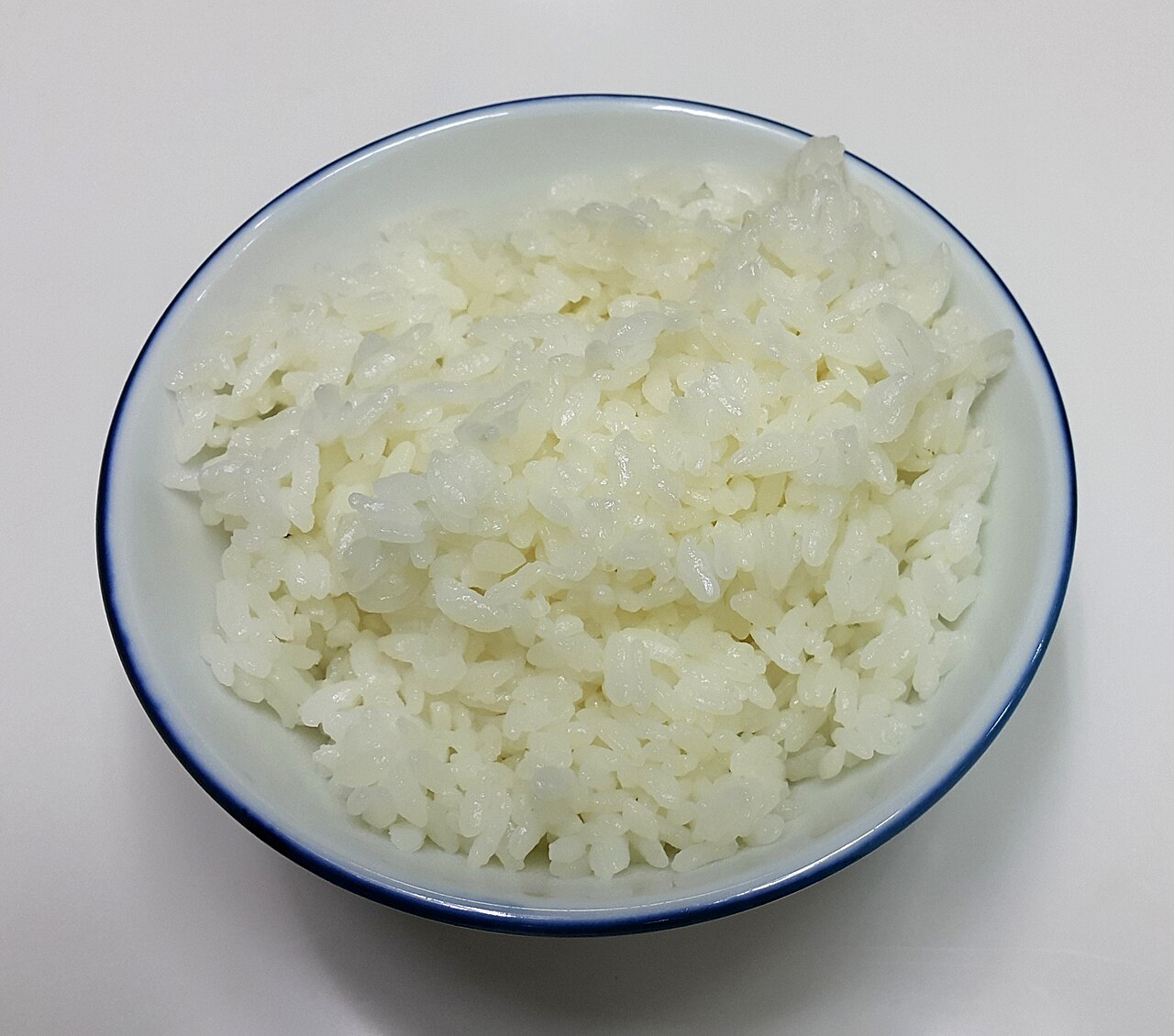
Mushy rice is rice that has absorbed more water than its structure can handle. The grains swell past their limit, their starch granules burst, and the released starch turns the cooking liquid into a gluey paste. The result is a soft, sticky mass instead of separate, fluffy grains.
The absorption method is the standard stovetop fix: you cook the rice in a measured amount of water with the lid on, and by the time the water is gone, the rice is done. No draining, no guesswork. The entire method stands or falls on one thing, the water-to-rice ratio.
This article takes a closer look at mushy rice, including the starch science inside every grain, how the absorption method actually works, why the package ratio misleads cooks, and the habits that keep rice fluffy.
What mushy rice actually is
A grain of rice is a compressed package of starch granules held together by a thin protein network. Cooking rice is a controlled hydration event. Get the water and heat right and the starches swell evenly, the outer layer sets, and each grain stays intact.
Mushy rice is what happens when any one variable goes wrong. Too much water forces the grains to keep absorbing past their capacity until the protein network ruptures and starch bleeds into the surrounding liquid.
Too much heat agitates the grains like stirring would, breaking them apart. Stirring during cooking does the same damage mechanically, releasing starch directly into the water.
The KitchenCurious guide on consillar.com sums up the mechanism in one line.
""It's about controlling how much starch leaves the grain and enters the liquid," writes the KitchenCurious rice guide. "That's the whole game.""
The starch inside every grain: amylose vs amylopectin
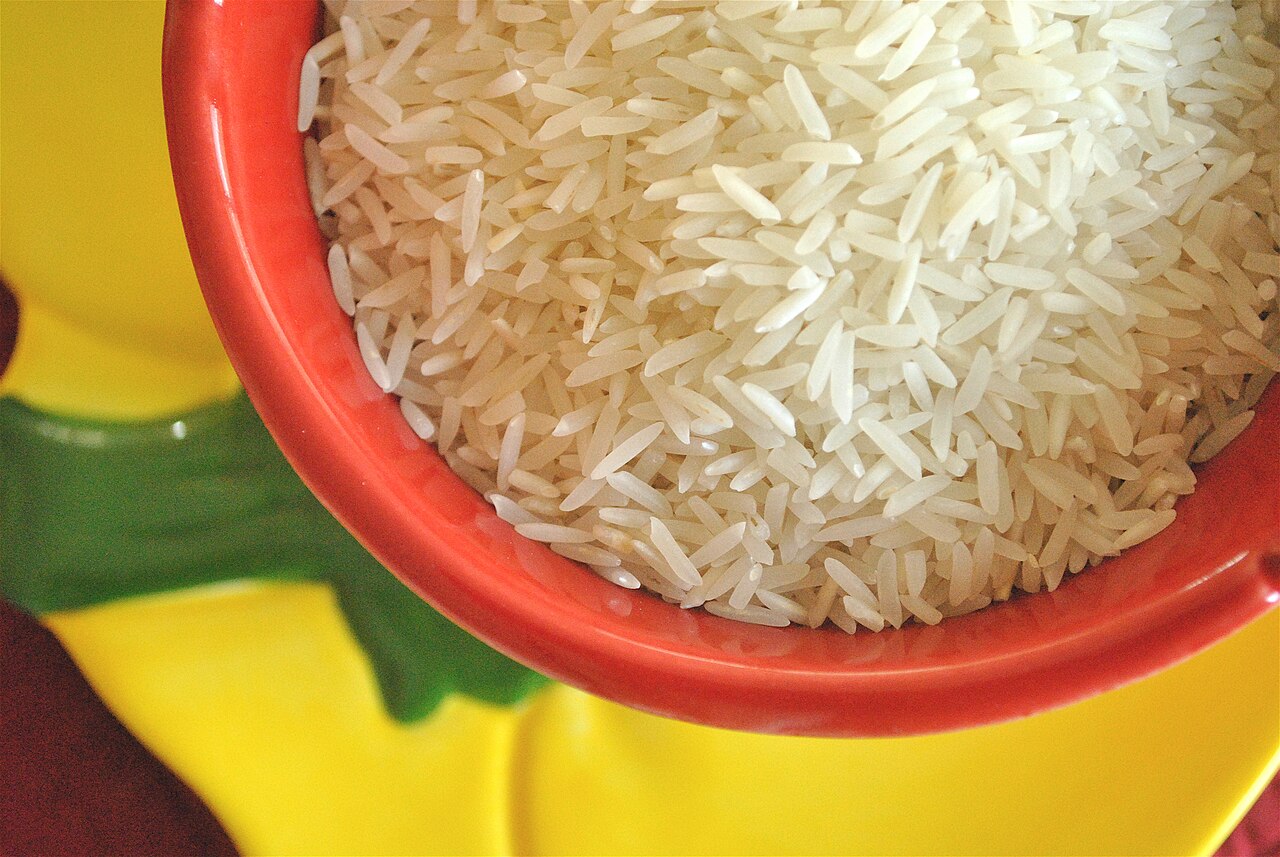
Rice starch comes in two forms, and their ratio decides almost everything about texture. Amylose is a long, straight-chain molecule that absorbs water modestly and stays contained inside the grain. Amylopectin is highly branched, swells aggressively, and dissolves out of the grain when over-hydrated, gelling the surrounding liquid.
High-amylose varieties cook up dry and separate. High-amylopectin varieties are creamy or sticky by design. When you over-water standard long-grain rice, you force its amylopectin to behave like risotto rice, the wrong starch behavior for the dish.
| Rice type | Amylose | Natural texture | Absorption ratio |
|---|---|---|---|
| Basmati | ~25% | Dry, separate, fluffy | 1:1.5 |
| Long-grain white | ~22% | Separate, light | 1:1.5 to 1:1.75 |
| Jasmine | ~18% | Slightly sticky, fragrant | 1:1.25 |
| Short-grain white | ~15% | Sticky, clumps | 1:1.1 |
| Arborio / risotto | ~12% | Creamy, very sticky | Gradual liquid, stirred |
| Brown rice | ~23% | Chewy, nutty, separate | 1:2.5 |
Research published in the International Journal of Biological Macromolecules confirmed the mechanism: the quantity of water regulates the gelation of starch granules. Past the optimal ratio, grains swell excessively, starch becomes more mobile and leaches, and the texture turns sticky. Higher water levels also slow starch crystallization during cooling, which keeps the mushy structure around longer.
How the absorption method actually works
Around 60 to 75°C (140 to 165°F), starch granules begin absorbing water and swelling in a process called gelatinization. At the correct ratio and temperature, the swelling is controlled: each grain takes exactly what it needs, the outer layer sets, and the grain holds its shape.
The absorption method exploits this by sealing the system. A tight lid traps steam, and steam is the real cooking medium.
Once the pot reaches a boil, you drop the heat to the lowest possible simmer and leave the lid alone for 12 to 15 minutes. The gentle residual heat finishes the job without agitating the grains.
Lifting the lid breaks the system. Steam escapes, temperature drops, and the carefully balanced water ratio shifts. That is why every reliable method says the same thing: set a timer and do not peek.
Why the 1:2 ratio on the package misleads
Almost every bag of white rice prints the same instruction: one cup of rice, two cups of water. For most long-grain varieties, that ratio is too high, and it gets worse once you rinse.
Rinsing is not optional for fluffy rice. Milling leaves a coating of loose surface starch on every grain, and unwashed rice dumps that starch straight into the cooking water, raising starch concentration before gelatinization even begins. The fix is two or three cold-water rinses until the water runs mostly clear.
But washed rice is already hydrated. Tests cited by Citchenware show that a cup of washed, drained rice carries roughly 1/8 to 1/4 cup of residual water clinging to the grains. Add the full two cups on top and the pot is systematically over-watered.
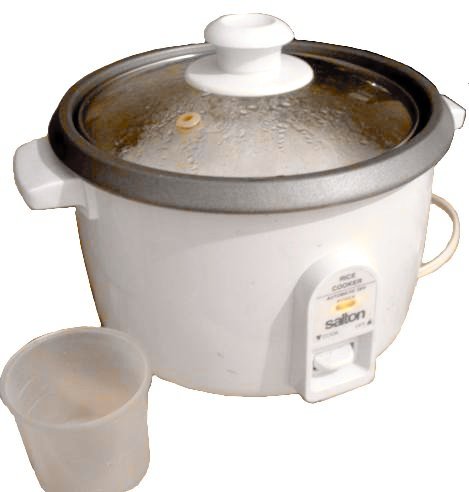
For washed long-grain white rice, 1 cup of rice to 1.5 cups of water is the widely recognized sweet spot on the stovetop. Electric rice cookers need even less, often 1:1.2 or 1:1.25, because their sealed environment loses almost nothing to evaporation.
The four habits that prevent mushiness
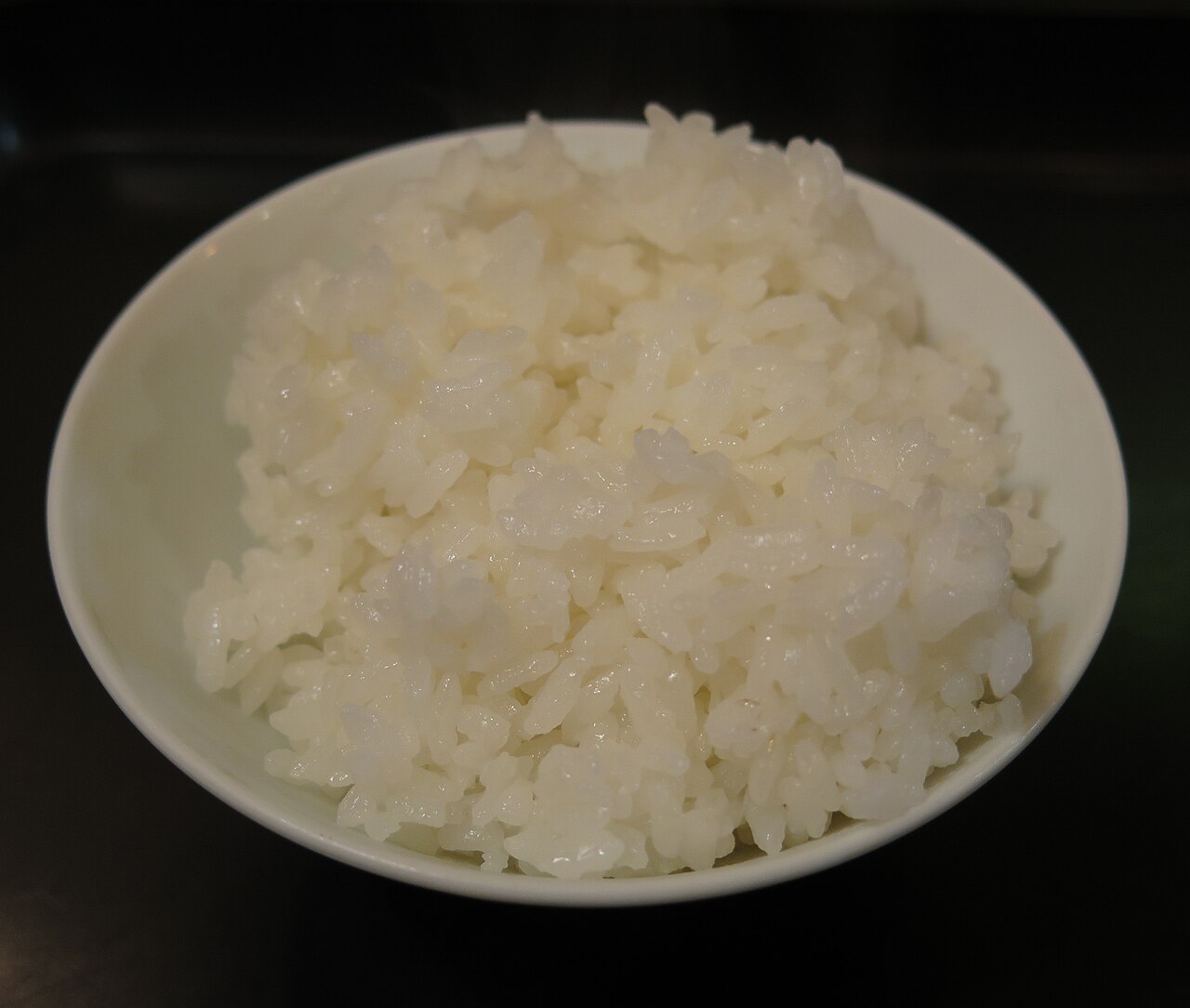
Rinse until the water runs clear. Two to three cold rinses, swirling with your hand, takes under two minutes and removes the surface starch that causes clumping. Skip this only for risotto and sticky rice, where you want that starch.
Use the ratio for your variety, measured with the same vessel for rice and water. For washed long-grain white rice on the stove, start at 1:1.5 and adjust from there.
Bring to a boil, then drop to the lowest simmer immediately and cover tightly. Sustained high heat agitates the grains and evaporates water unevenly, which can leave you with mushy and undercooked grains in the same pot.
Rest the covered pot off the heat for 10 minutes before serving. This steam rest lets moisture redistribute so the bottom grains are not wetter than the top ones, and the grains firm up slightly. Then fluff with a fork, whose tines separate grains, instead of a spoon, which mashes them.
Rescuing rice that already went mushy
If the damage is mild, rinse the rice under cold water to wash off excess surface starch, then spread it on a baking sheet and bake at 400°F for 8 to 12 minutes to dry it out. A drizzle of oil before baking helps the grains crisp lightly instead of clumping.
If it is truly gluey, do not serve it as a side. Repurpose it: fried rice made from chilled overcooked rice can still work, since the cold firms the starch, and porridge or rice pudding turns the defect into the point of the dish.
What is the best water ratio for white rice?
For washed long-grain white rice on the stovetop, use 1 cup of rice to 1.5 cups of water. Basmati does well at 1:1.5 after a 20-minute soak; jasmine prefers about 1:1.25. Brown rice needs much more, around 1:2.5, with a longer cook time.
Should I rinse rice before cooking?
Yes, for any rice you want fluffy and separate. Rinsing removes the loose surface starch from milling that would otherwise dissolve into the cooking water and glue the grains together. Two to three rinses until the water is mostly clear is enough.
Why can't I stir rice while it cooks?
Stirring physically breaks the softened grains and releases their internal starch into the liquid, creating a paste-like texture. High heat does the same thing through agitation. Once the pot reaches a simmer, the rice should not be touched until the rest is done.
Is mushy rice safe to eat?
Yes. Mushiness is a texture problem, not a safety problem. The rice is fully cooked and safe.
The one thing to watch is storage: cool leftovers quickly and refrigerate them, since cooked rice should not sit at room temperature for long.
The bottom line
Mushy rice comes from too much water, too much heat, too much stirring, or skipped rinsing, and each cause has a direct fix. Use the right absorption ratio for your variety (1:1.5 for washed long-grain white rice), rinse the grains, simmer low with the lid on, rest 10 minutes off the heat, and fluff with a fork. Control the water and the starch, and the rice does exactly what you want.
Tags: rice, cooking tips, kitchen science, grains
Latest in Food
- Why Do You Salt Eggplant Before Cooking
- Why Garlic Turns Blue or Green in Pickles
- Why Hard-Boiled Eggs Get a Green Ring Around the Yolk
- Why Fresh Pasta Cooks Faster Than Dried Pasta
Get one kitchen-science explainer in your inbox every morning. Subscribe to the Rive News newsletter.
Related stories

Why Does Bread Go Stale Faster in the Refrigerator?
Bread goes stale faster in the fridge because starch recrystallizes fastest near 4°C. Here is the retrogradation science and the right way

Baking soda and baking powder: what's the difference?
Baking soda is pure sodium bicarbonate; baking powder adds two dry acids for double-acting lift. Learn when to use each, plus exact

What Is the Maillard Reaction in Simple Terms?
The Maillard reaction is the browning chemistry between amino acids and sugars above 140 C that creates the crust, color, and rich flavor