
Why Does Garlic Turn Blue or Green in Pickles? Chemistry Explained
Key takeaways
- Garlic turns blue or green when its sulfur compounds and enzymes react under acidic conditions, forming pyrrole pigments.
- Three linked pyrrole rings read blue and four read green, which is why the color ranges from teal to grassy green.
- The color is harmless and does not change the taste; blanching cloves for 10 seconds inactivates the enzymes that cause it.
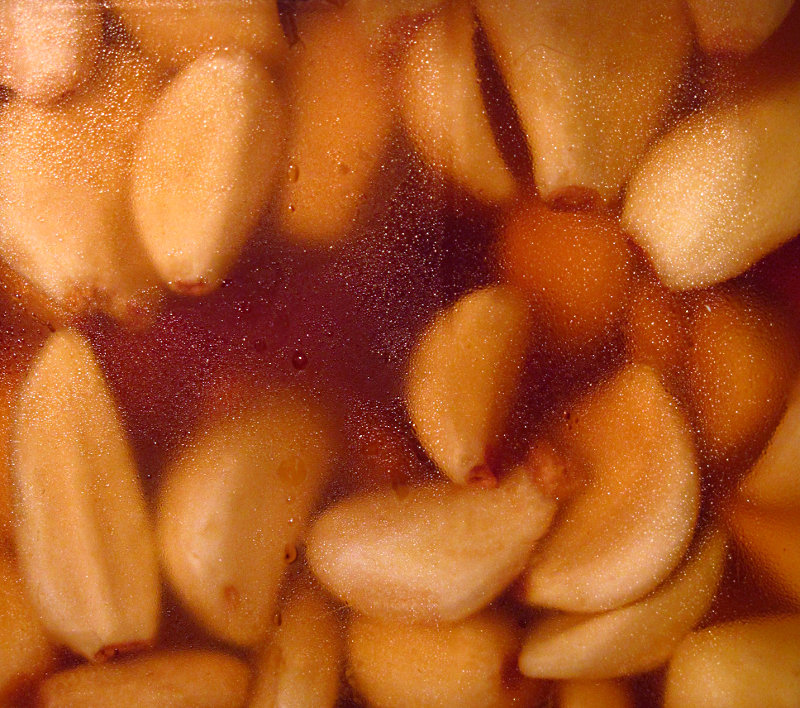
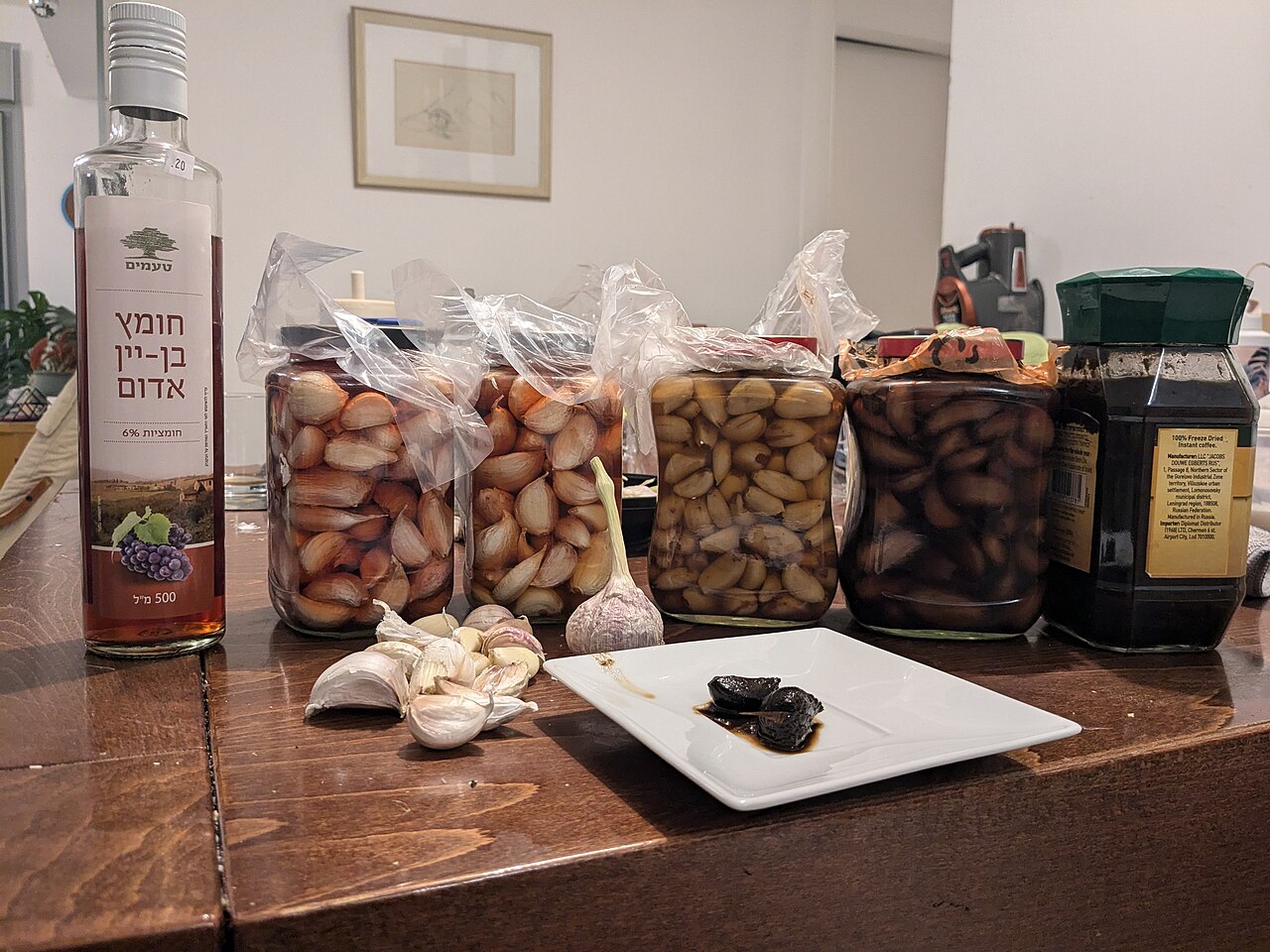
Garlic turns blue or green in pickles when the clove's natural chemistry meets an acidic brine. The ivory-white cloves can shift to teal blue, blue-green, or grassy green over hours or days in the jar. The change looks alarming, and many first-time picklers throw the batch away.
The color is not spoilage, mold, or a sign of fake garlic. It is an enzymatic reaction between garlic's sulfur compounds and amino acids, sped up by acid. Food scientists have mapped the mechanism, and university extension services are unanimous: it is safe to eat.
This article takes a closer look at blue and green garlic, including the chemistry behind the color, why pickles trigger it, whether it is safe, the tradition of turning garlic green on purpose, and how to prevent it.
What is actually happening in the jar
Fresh garlic stores sulfur compounds and an enzyme called alliinase in separate cells. Cutting or crushing breaks those cell walls, letting the enzyme mix with the sulfur. That reaction produces allicin, the compound behind garlic's pungent smell, plus a cascade of related sulfur chemistry.
Under acidic conditions, the amino acids and sulfur compounds link into carbon-nitrogen rings called pyrroles. Those rings absorb light in ways our eyes read as color.
Tasting Table's food-science reporting notes the key detail: molecules with three linked pyrrole rings look blue, while those with four look green. The four-ring structure closely resembles chlorophyll, the pigment that makes leaves green.
Research published in the Journal of Agricultural and Food Chemistry found that the pigment is a mixture of numerous pyrrole-based purple, blue, and yellow species joining together, which explains why the color ranges so widely from jar to jar.
Why pickles trigger the reaction
Acid is the accelerator. Adding vinegar, lemon juice, or even the lactic acid produced during fermentation lowers the pH, which speeds the reaction between the sulfur compounds and amino acids. The long exposure time of pickling gives the chemistry days or weeks to run, far longer than a quick saute.
Several factors make the color change more likely. Immature, sprouting, or older garlic reacts more readily, and bulbs with purple or red tinges seem more prone to it. Trace metals play a role too: Penn State Extension notes that iron, tin, or aluminum from pots, water, or pipes can react with garlic's pigments, and sulfur compounds can react with trace copper to form blue-green copper sulfate.
Revolution Fermentation, cited by Tasting Table, explains that even a mild brine can trigger the change, since lacto-fermentation produces its own lactic acid. The same reaction can tint garlic cooked with tomatoes or vinegar in a pan.
Is blue or green garlic safe to eat?
Yes. Every major food-safety authority that has addressed the question gives the same answer.
Penn State Extension states that the blue or green color is caused by an enzymatic reaction and is perfectly harmless. Georgia Cooperative Extension adds that the change does not mean the garlic has spoiled, and the pickled vegetables, including the garlic, are safe to eat. Michigan State University calls the phenomenon explicitly "not a safety concern," and the University of California's agriculture division confirms the color shift is cosmetic.
The one real caveat is ordinary spoilage judgment. Absent any sign of spoilage, such as foul smell or mold, blue garlic is safe to eat. If a jar smells off or shows mold, the color is not the problem to worry about.
Taste is unaffected too. The pigments are flavorless at the levels involved, so blue pickled garlic tastes like the garlic you put in the jar.
The garlic that turns green on purpose
In China, the color change is not an accident but a tradition. Laba garlic is pickled specifically to turn jade green, and it is an important accompaniment to the Laba harvest festival. Cooks there have produced the green color deliberately for centuries, using vinegar and timing to push the same pyrrole chemistry to its most vivid result.
That history is worth remembering the next time a jar turns teal in your pantry. The reaction you got by accident is one that other cooks pursue on purpose.
How to prevent the color change
There is no guaranteed way to stop it, since so many variables feed the reaction, but several steps lower the odds.
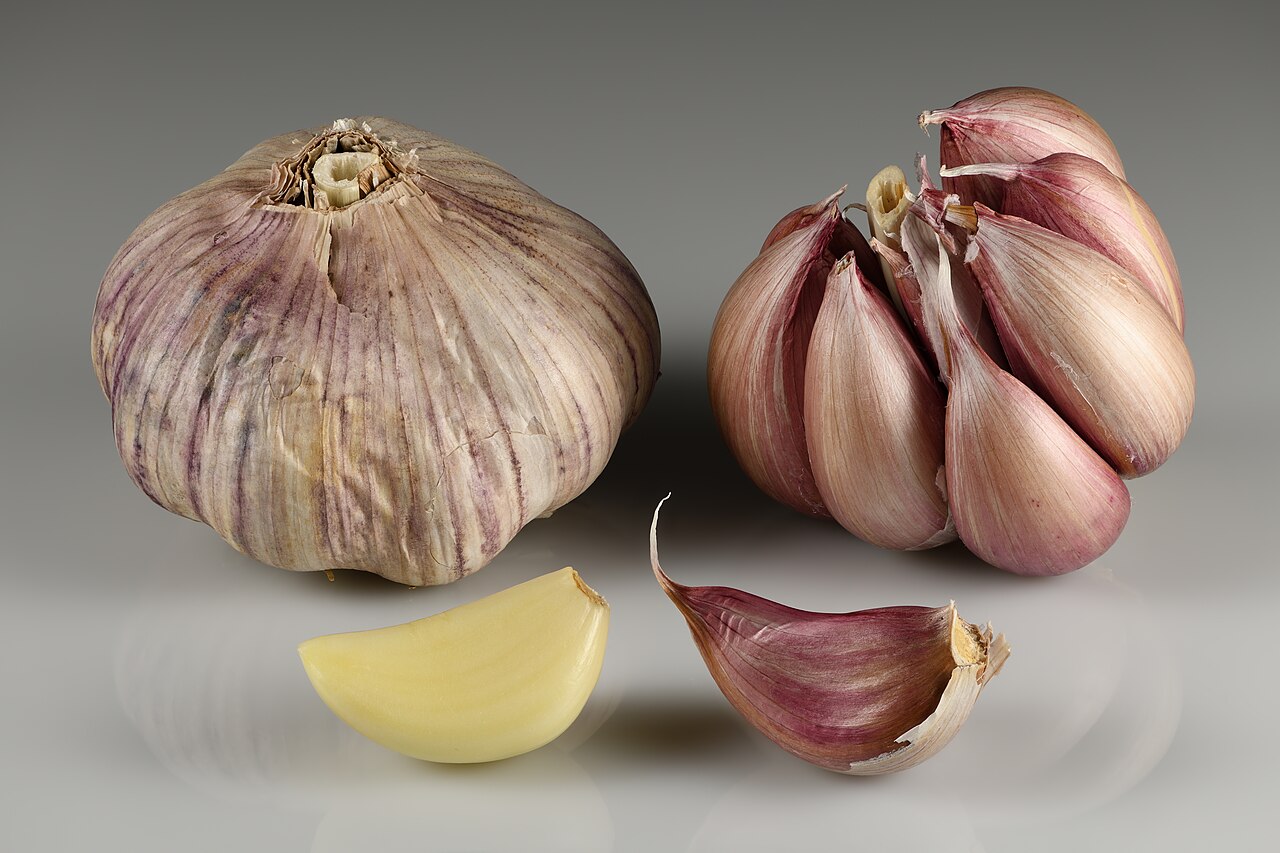
Start with fresh, fully mature garlic. Older cloves carry larger stores of sulfur compounds and enzymes, so fresher bulbs react less. Penn State Extension recommends a 10-second blanch in boiling water, which inactivates the enzymes behind the color change before pickling begins.
Mind your materials. Use stainless steel pots and utensils rather than reactive metals, mix the brine with distilled water, and choose salt without iodine, since trace minerals can set the reaction off. Store finished jars in a cool, dry place away from sunlight, because temperature swings can shift the pH and trigger the change late.
If you do get blue garlic despite all this, treat it as a feature. It is safe, it tastes the same, and it makes a good story at the table.
Is blue garlic in pickles safe to eat?
Yes. Penn State Extension, Georgia Cooperative Extension, Michigan State University, and the University of California all confirm that blue or green garlic from this reaction is harmless and safe to eat. The color is enzymatic, not microbial.
Can I still eat pickled garlic that turned green?
Yes, as long as the jar shows no signs of actual spoilage. A sour or rotten smell, mold, or slimy texture means the batch is bad regardless of color. Color alone is never the reason to discard pickled garlic.
How do I stop garlic from turning blue in pickles?
Use fresh, mature garlic, blanch the cloves for 10 seconds in boiling water to inactivate the enzymes, use stainless steel equipment, distilled water, and non-iodized salt, and store jars somewhere cool, dry, and dark. None of this guarantees prevention, but each step reduces the odds.
Does the color change the taste?
No. The blue and green pyrrole pigments are flavorless at the concentrations involved. Multiple sources confirm the discoloration has no influence on the taste of the pickled garlic or the surrounding brine.
The bottom line
Garlic turns blue or green in pickles because acid accelerates a natural reaction between its sulfur compounds, enzymes, and amino acids, building blue and green pyrrole pigments. The color is harmless, the taste is unchanged, and the same chemistry is cultivated on purpose in Chinese Laba garlic. Blanch fresh cloves for 10 seconds and control your metals and minerals if you want to avoid it, or just enjoy the science experiment in the jar.
Tags: garlic, pickling, food chemistry, food safety
Latest in Food
- Why Do You Salt Eggplant Before Cooking
- Why Rice Gets Mushy and How Absorption Ratios Work
- Why Hard-Boiled Eggs Get a Green Ring Around the Yolk
- Why Potatoes Turn Green and What Solanine Is
Get one kitchen-science explainer in your inbox every morning. Subscribe to the Rive News newsletter.
Related stories

Why Does Bread Go Stale Faster in the Refrigerator?
Bread goes stale faster in the fridge because starch recrystallizes fastest near 4°C. Here is the retrogradation science and the right way

Baking soda and baking powder: what's the difference?
Baking soda is pure sodium bicarbonate; baking powder adds two dry acids for double-acting lift. Learn when to use each, plus exact

What Is the Maillard Reaction in Simple Terms?
The Maillard reaction is the browning chemistry between amino acids and sugars above 140 C that creates the crust, color, and rich flavor