
Why garlic turns blue in pickles and stays safe
By Rive News / Research desk | Rive News / Published October 27, 2026 at 9:00 AM PKT
Key takeaways
- Garlic turns blue or green in pickles when its sulfur compounds react with acid and trace metals such as copper.
- The color change is cosmetic only: extension services including Michigan State University call it not a safety concern.
- Blue garlic is easy to tell from spoiled garlic, which smells sour, feels mushy, and grows fuzzy mold instead of even color.
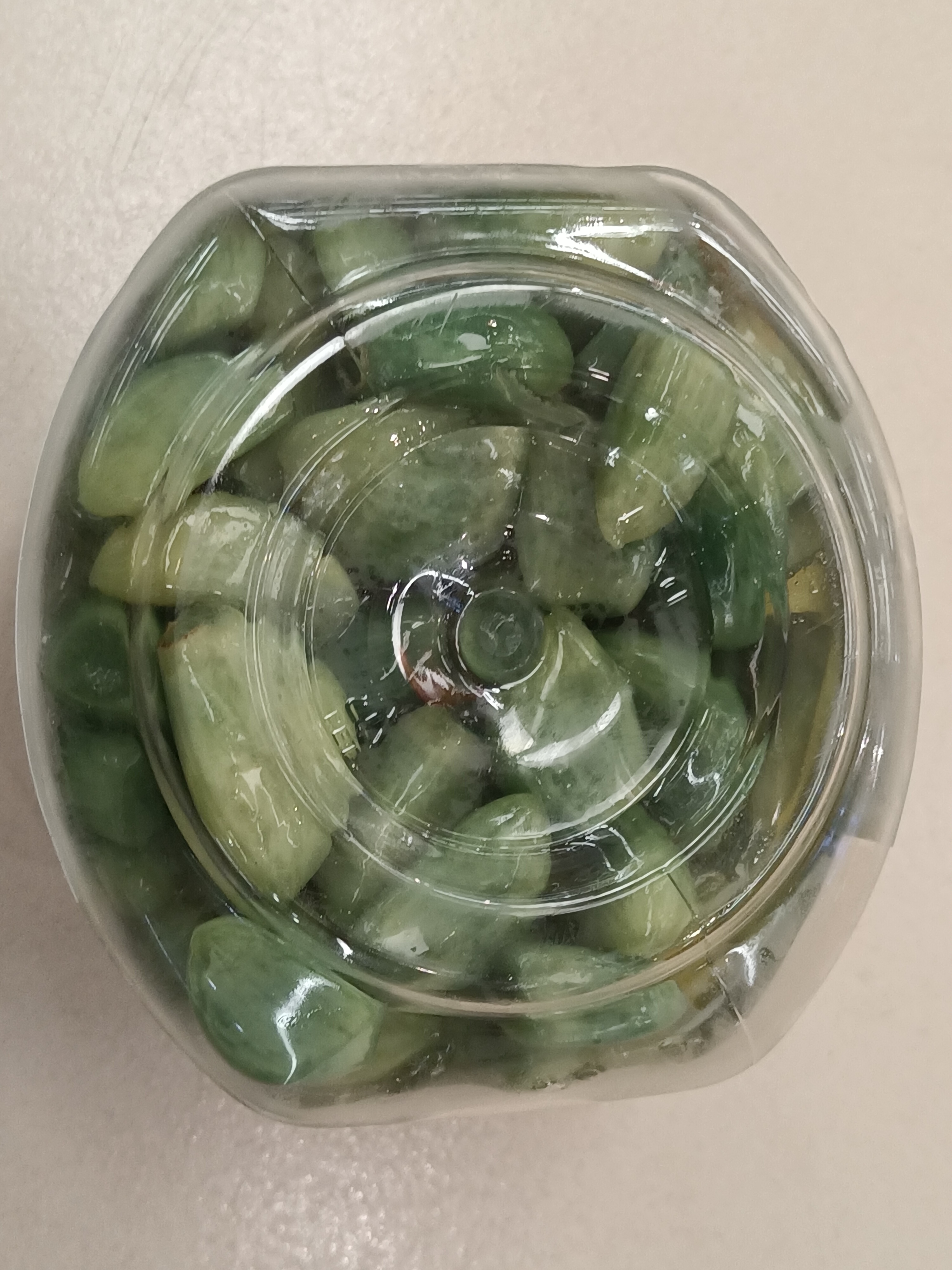
[Green pickled garlic, called laba garlic in China, where the color is prized.] Photograph: Wikimedia Commons contributor
Image Credits: Wikimedia Commons
Garlic turns blue or green in pickles because of a natural chemical reaction, not because it has gone bad. When garlic is cut or crushed, an enzyme called alliinase starts working on the clove's sulfur compounds. In an acidic liquid such as vinegar, and in the presence of trace metals, those reactions produce pigments that tint the clove blue, green, or teal.
The color can look alarming, especially in a jar of otherwise pale pickles. It is, however, one of the best-documented harmless surprises in home cooking. This article explains why garlic turns blue in pickles, including the chemistry, why pickling triggers it, whether it is safe, and how to avoid it if you dislike the look.
The chemistry in plain terms
Garlic's flavor comes from sulfur compounds, and the same chemistry that makes it pungent also makes it colorful. Cutting or crushing a clove breaks its cells open, letting the enzyme alliinase meet sulfur-containing molecules that were previously kept apart. Those molecules then react to form new compounds, some of which are pigments.
Flavor scientist Arielle Johnson, author of Flavorama, explains the key step this way: "Alliinase can react with sulfur-containing molecules, such as free amino acids, which create vivid blue and green pigments." The pigments are related to the anthocyanin family, the same class of compounds that colors blueberries and red cabbage. That is why the blue of pickled garlic looks so vivid: it is a genuine plant pigment, not a dye or a sign of decay.
Acid steers the reaction, and the same chemistry explains why garlic also turns blue or green when cooked. Vinegar-based pickles, lemon dressings, and other acidic foods shift the pigment chemistry toward blue and purple tones.
Alkaline conditions, such as cooking with baking soda, tend to push the color toward green instead. The exact shade depends on the acidity of the liquid, the garlic's age, and which metals are present.
Why pickles trigger it so often
Pickling combines every trigger at once. The cloves sit cut or lightly crushed in vinegar for days or weeks, giving the enzyme reaction plenty of time to run. The acid keeps the pigment chemistry active, and the long soak lets even tiny amounts of metal from water, pipes, or containers take part.
Temperature speeds the process. In warmer brine above 20 degrees Celsius, visible color can appear within 12 to 48 hours, while cooler storage may delay noticeable change for several days. That is why a jar pickled in a warm kitchen can turn startlingly blue overnight, while the same recipe in a cold pantry changes slowly.
Certain garlic is more prone to the reaction. Immature or sprouting cloves, older garlic near the end of its storage life, and garlic stored at cold temperatures all turn blue more readily. Johnson notes that garlic is more likely to turn blue after cold storage, and that garlic for Chinese laba pickles is often aged for months before pickling precisely to increase the color.
Is blue garlic safe to eat?
Yes. The guidance from university extension services is explicit on this point.
Michigan State University Extension describes blue or green garlic from these reactions as not a safety concern, and the University of California's agriculture division states that garlic is still safe to eat even after the color shift. The change affects appearance, not safety or flavor.
The color may even signal something useful. Because the reaction is more likely in immature garlic or under especially reactive conditions, blue cloves can hint that the garlic was harvested early or that the pickling liquid was unusually acidic. Neither fact makes the food unsafe, but both explain why one batch turns blue while another stays white.
One tradition treats the color as a feature rather than a flaw. In China, laba garlic is pickled in vinegar until it turns a vivid green, and the color is prized as a sign of a good batch. The pickles are traditionally made around the Laba Festival and served with dumplings, where the bright color is part of the appeal.
Blue garlic versus spoiled garlic
The important distinction is between garlic that turned blue during cooking or pickling and garlic that was already discolored before preparation. Garlic that changes color in the jar or pan, while staying firm and smelling normal, is reacting chemically. Garlic that was blue, green, or fuzzy while sitting unused on the counter is a different story, and mold is the likely cause.
Use these checks before eating:
- Smell: blue garlic from pickling smells like normal garlic, while spoiled garlic smells sour, rotten, or like ammonia.
- Texture: reacted garlic stays firm and crisp, while spoiled garlic feels mushy, slimy, or shriveled.
- Pattern: the pickling reaction colors the clove evenly or in smooth streaks, while mold grows in fuzzy patches on one part of the clove.
- Timing: color that appears during pickling or cooking is a reaction, while color present before preparation deserves suspicion.
When in doubt, the smell and texture tests decide. Even color with a normal garlic smell is a chemical reaction, while any fuzzy growth or sour smell means the clove should be thrown away regardless of color.
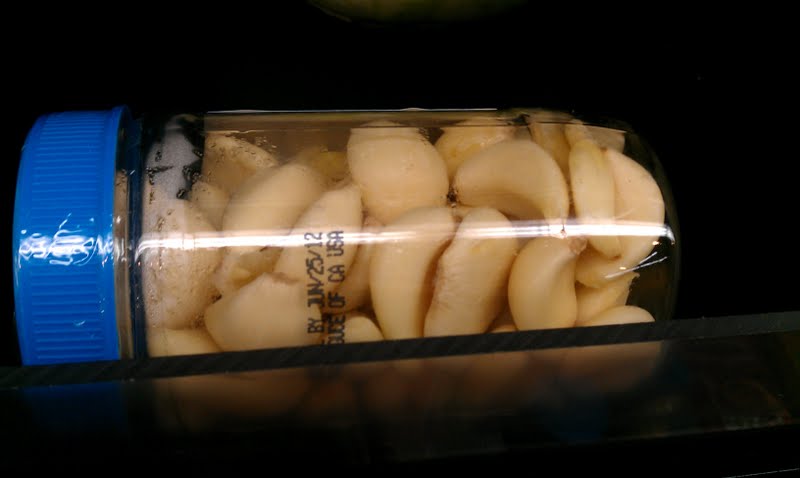
[Fresh garlic bulbs and peeled cloves before pickling.] Photograph: Wikimedia Commons contributor
Image Credits: Wikimedia Commons
How to prevent it if you dislike the look
The simplest prevention is to use young, fresh garlic. Older garlic is more likely to turn blue, and garlic toward the end of its storage life, which can run up to six months on a counter, carries the highest risk. Buying firm, heavy bulbs and using them promptly lowers the odds.
Avoid metal contact where you can. Use glass jars and non-metal utensils for pickling, and check whether your water supply runs through copper pipes, since copper ions are a strong trigger. Distilled water removes that variable entirely, though most cooks find it unnecessary.
Blanching the cloves briefly before pickling can also help, because heat deactivates the alliinase enzyme before the reaction gets going. Some recipes add a short hot-water dip for exactly this reason. If you still get some color, remember that it is cosmetic, and the pickles are fine to serve.
Frequently asked questions
Does blue garlic taste different?
No, the color change does not noticeably change the flavor. The same sulfur chemistry that creates the pigment also creates garlic's normal flavor, so a blue clove tastes like the garlic it was. Very old garlic may taste weaker, but that is age, not color.
Can blue garlic make you sick?
No, the reaction itself is harmless, according to university extension guidance. Food poisoning risks in pickles come from improper acidity or storage, not from pigment. If the pickles were made and stored correctly, blue color alone is not a hazard.
Why did only some cloves in my jar turn blue?
Cloves differ in age, maturity, and position in the jar, so they react at different rates. Cloves nearer metal lids or in warmer spots may color first. Uneven coloring is normal and does not mean some cloves are unsafe.
Should I throw away blue pickled garlic?
No, unless it also shows signs of spoilage such as a sour smell, mushy texture, or fuzzy mold. Color alone is not a reason to discard food, and throwing it away wastes perfectly good pickles.
The bottom line
Garlic turns blue in pickles because cutting releases the enzyme alliinase, which reacts with sulfur compounds in acid and trace metals to form blue-green pigments. Pickling supplies all the triggers at once: acid, time, and metal ions, with warmer brine speeding the change.
The color is cosmetic, extension services call it not a safety concern, and one culinary tradition prizes it. Check smell and texture rather than color when judging a clove, and only discard garlic that is fuzzy, mushy, or sour.
Tags: garlic, pickling, food chemistry, food safety
Rive News is a research desk that explains food science and everyday topics from public sources, without invented experts or first-hand claims.
Related
- Why garlic turns blue or green when cooked
- Why garlic turns blue or green in pickles
- Why meat turns brown in the fridge, and is it safe?
Subscribe for one practical explainer in your inbox every morning.
Standards: facts in this article trace to the public sources listed above; corrections are published when a source is shown to be wrong.
Related stories
Why Does Bread Go Stale Faster in the Refrigerator?
Bread goes stale faster in the fridge because starch recrystallizes fastest near 4°C. Here is the retrogradation science and the right way
Baking soda and baking powder: what's the difference?
Baking soda is pure sodium bicarbonate; baking powder adds two dry acids for double-acting lift. Learn when to use each, plus exact
What Is the Maillard Reaction in Simple Terms?
The Maillard reaction is the browning chemistry between amino acids and sugars above 140 C that creates the crust, color, and rich flavor