
Why Does Garlic Turn Blue in Pickles and Vinegar?
Key takeaways
- Blue garlic is safe to eat: the color comes from harmless sulfur-based pigments, not spoilage.
- Acid plus trace copper or iron triggers the reaction; mildly acidic brines (pH 4 to 6) favor it most.
- Young, freshly harvested garlic and reactive metal cookware make the blue shift more likely.
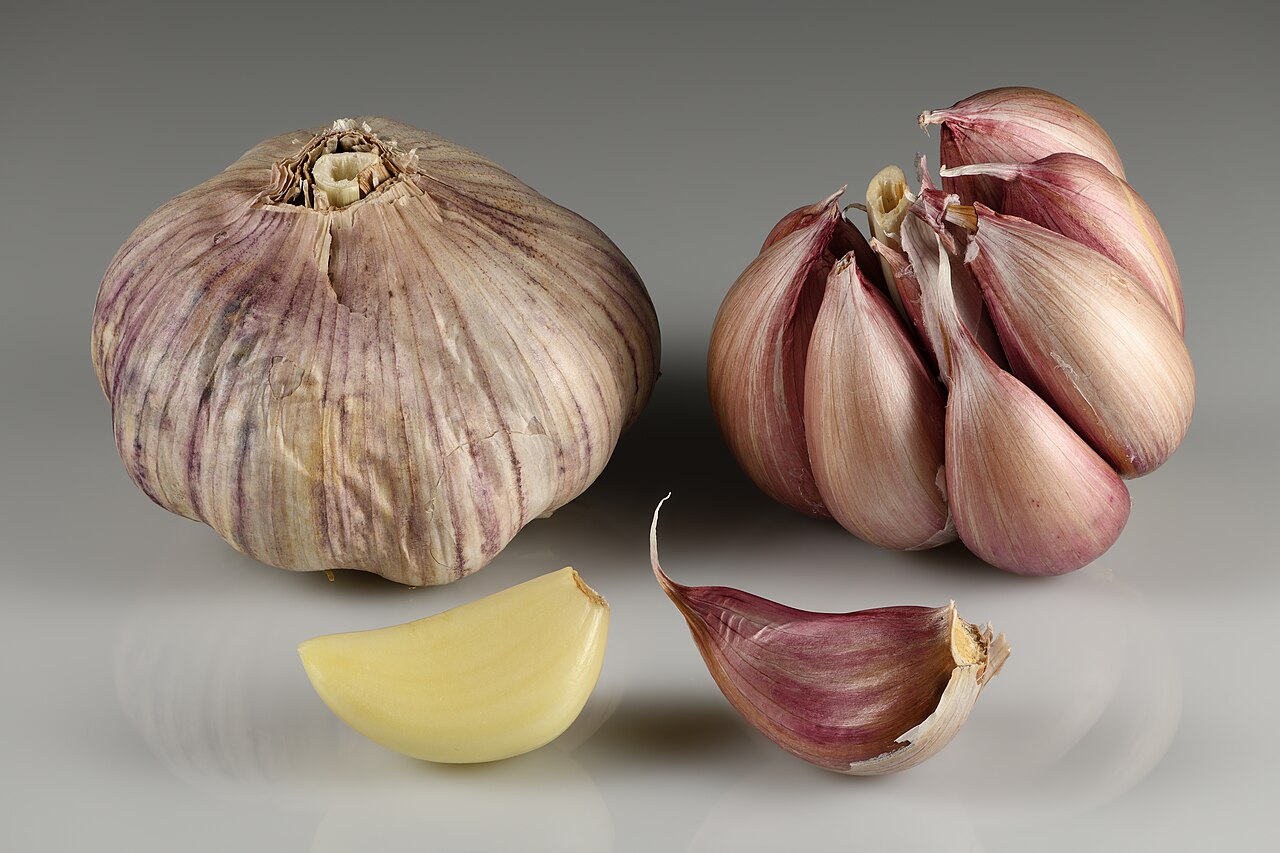
You peel a jar of homemade pickles, and the garlic cloves inside have turned an alarming shade of turquoise. Your first instinct is to throw the whole batch away.
Do not. That blue-green tint is one of the best-understood color reactions in food chemistry, and it says nothing bad about safety or flavor.
This article explains why garlic turns blue in pickles and vinegar, including the sulfur chemistry behind the color, the conditions that trigger it, whether it is safe, and how to prevent it if you prefer your cloves white, plus answers to common questions.
Is blue garlic safe?
Yes. Every food-science source on the subject agrees: blue or green garlic is completely safe to eat. The color is a visual transformation with no impact on flavor safety, and it is not a sign of spoilage, mold, or contamination.
The pigments are natural reaction products of compounds already present in the garlic. They are stable and harmless. If the pickles were prepared with proper acidity and hygiene, a blue tint changes nothing about their safety.
There is one nuance worth knowing. The reaction consumes some of the volatile sulfur compounds that give garlic its punch, so deeply blued cloves can taste slightly milder than white ones. The difference is subtle, and many cooks never notice it.
In China, the effect is even celebrated. Laba garlic is deliberately marinated in vinegar until it turns jade green for New Year feasts, prized as a sign of good luck and good flavor. What alarms a first-time pickler delights a cook who expects it.
The sulfur chemistry behind the color
Raw garlic is packed with sulfur-containing amino acids, including alliin and S-1-propenyl-L-cysteine sulfoxide. When you cut, crush, or peel a clove, you damage its cells and let the enzyme alliinase meet alliin, producing allicin, the compound behind garlic's signature bite and smell.
In the right conditions, the chemistry keeps going. Under acidic conditions, or in the presence of trace metals such as copper or iron, allicin-derived sulfur compounds react with amino acids to form ring-shaped molecules called pyrroles. These link into larger blue-green pigments known as polypyrroles.
Acid is the biggest trigger. Vinegar, lemon juice, and the lactic acid that builds up during fermentation all lower the pH and accelerate pigment formation. Mildly acidic environments around pH 4 to 6 promote the reaction most strongly; interestingly, very strong acids like distilled white vinegar at pH near 2.4 produce less discoloration than milder rice or cider vinegars.
Metals act as catalysts. Even trace copper or iron ions from water, cookware, or utensils can kick the reaction into gear, sometimes turning cloves blue within minutes. This is why the same garlic stays white in a glass jar but blues in a copper pot.
What makes it more or less likely
Young, freshly harvested garlic blues most readily. Fresh cloves carry higher levels of the reactive sulfur compounds and enzymes that feed pigment formation. Cold-stored garlic is also prone, as are cloves that have started sprouting.
Time matters. In fermented pickles like kimchi, lactic acid builds slowly, so garlic can shift color days or weeks into the ferment. A delayed blue tint in an old jar is normal chemistry continuing at its own pace, not a new problem.
Heat is a double-edged sword. Brief blanching denatures alliinase and reduces bluing, but it also kills the enzyme that creates allicin, flattening garlic's flavor and aroma. Most fermentation-minded cooks consider that trade a bad one.
Container choice is the simplest lever. Glass, stainless steel, and food-grade plastic are inert and keep metal ions out of the brine. Copper, cast iron, and unlined aluminum introduce the very ions that catalyze the pigments, so they are worth avoiding for pickling.
For a related allium puzzle, see why onions make you cry and how to stop it, and for the cooked-garlic version of this reaction see why garlic turns blue during cooking.
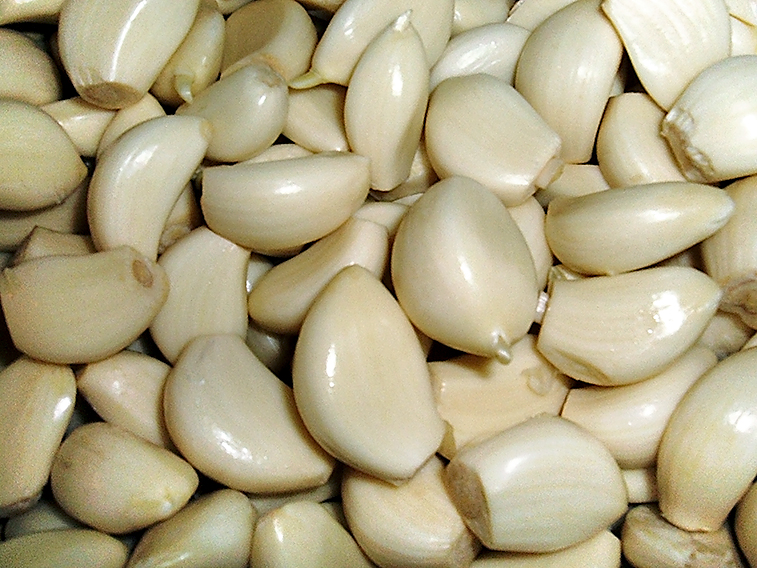
How to prevent blue garlic when pickling
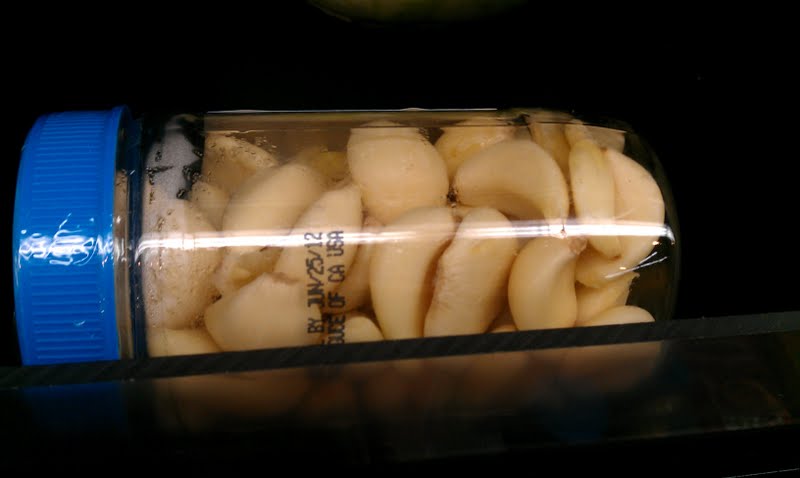
Use non-reactive equipment throughout. Mason jars, stainless-steel pots, and glass or stainless utensils keep copper and iron out of the equation. If your tap water is high in minerals, filtered water removes one more variable.
Mind your vinegar. Standard 5 percent acidity vinegar gives reliable preservation and, at the stronger end of the acid range, somewhat less bluing than milder vinegars. Check the label and avoid diluting below effective strength.
Keep cloves fully submerged and the equipment sterilized. These are general pickling best practices, but they also minimize the air exposure and stray contamination that nudge side reactions along.
Consider blanching only if color matters more than flavor. A two to three minute steep in boiling brine softens cloves and tamps down the enzymes behind the blue shift, while preserving more character than a full pre-boil. For most home picklers, though, the simplest advice is to accept the color: it is proof of fresh garlic and active chemistry, not a flaw.
FAQ
Is it safe to eat garlic that turned blue in pickles?
Yes. The blue color comes from harmless sulfur-based pigments formed when garlic compounds react with acid or trace metals. It is not spoilage and does not affect safety, though very blue cloves may taste slightly milder.
Why did only some cloves turn blue?
Pigment formation depends on local conditions: how much cell damage each clove suffered, its age and sulfur content, and its exposure to acid and metal ions. Variation within one jar is completely normal.
Does blue garlic mean my pickles went bad?
No. Spoilage shows different signs: off smells, mushy texture, cloudy brine with active bubbling after fermentation should have finished, or mold. Color change alone, without those signs, is just chemistry.
Can I still use blue garlic in cooking?
Absolutely. It behaves like normal garlic in recipes. If the color bothers you in a pale dish, save the blued cloves for stews, roasts, and sauces where nobody will see them.
The bottom line
Garlic turns blue in pickles and vinegar because its sulfur compounds react with acid and trace metals to form harmless blue-green pigments. The color is safe, the flavor barely changes, and prevention is straightforward: glass or stainless steel, standard-strength vinegar, and fresh handling. Or do as Chinese cooks do and enjoy the jade.
Latest in Food & Cooking
- Why does garlic turn blue during cooking?
- Why do onions make you cry, and how do you stop it?
- How to tell if cooking oil has gone bad
- How to keep avocados from turning brown
Get one practical kitchen explainer like this every morning. Subscribe to the Rive News newsletter.
Image Credits: Wikimedia Commons / Ivar Leidus, BrokenSphere, Home Cooking Secrets
Related stories
Why Does Bread Go Stale Faster in the Refrigerator?
Bread goes stale faster in the fridge because starch recrystallizes fastest near 4°C. Here is the retrogradation science and the right way
Baking soda and baking powder: what's the difference?
Baking soda is pure sodium bicarbonate; baking powder adds two dry acids for double-acting lift. Learn when to use each, plus exact
What Is the Maillard Reaction in Simple Terms?
The Maillard reaction is the browning chemistry between amino acids and sugars above 140 C that creates the crust, color, and rich flavor