
Why Olive Oil Smokes at Different Temperatures: Acidity and Refining
Key takeaways
- Olive oil's smoke point hinges on free fatty acid (FFA) content: lower acidity means a higher smoke point.
- Fresh, low-acidity extra virgin olive oil can smoke near 425F, while cheap high-acidity bottles may smoke under 350F.
- Refined olive oil smokes higher and more consistently, but smoke point itself is a poor measure of how stable an oil is when heated.
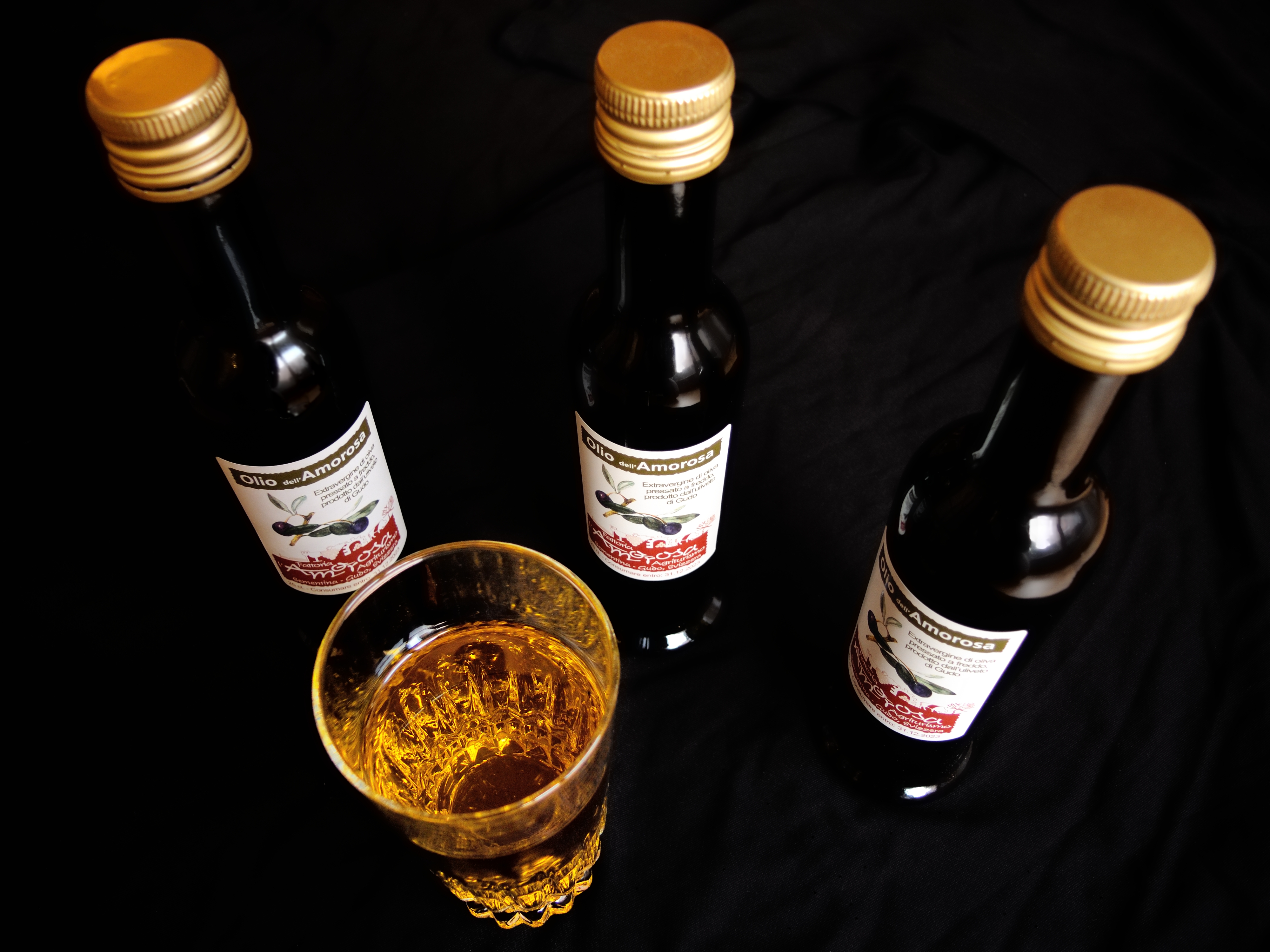
One bottle of olive oil starts smoking at 320F. Another holds steady past 400F. Both say "olive oil" on the label, and both are telling the truth about themselves, because smoke point is not a property of olive oil in general.
It is a property of each specific bottle, set by how the olives were handled and how the oil was processed.
This article explains why olive oil smokes at different temperatures, what free fatty acids have to do with it, and why the number on the chart is less important than cooks once believed.
What the smoke point actually measures
The smoke point is the temperature at which an oil begins to break down and produce visible smoke. Standardized testing defines it as the temperature where the fat produces a thin, continuous stream of bluish smoke under controlled conditions. Past that point, the oil degrades: flavor turns harsh, and continued heating can form unpleasant compounds such as acrolein.
Here is the part most charts gloss over. The measurement itself is empirical and often poorly reproducible.
The standard method, AOCS Official Method Cc 9a-48, relies on a person watching for the first wisp of smoke, which is subjective and sensitive to lighting and lab conditions. Researchers writing in the journal Foods in 2025 noted that even the light bulbs specified in the original method have been replaced by LEDs in most labs, raising questions about whether endpoint detection is still consistent. When two reputable charts list extra virgin olive oil at 325-375F in one place and 320F in another, the measurement's fuzziness is part of the reason.
Free fatty acids: the hidden dial
The dominant factor behind the variation is free fatty acid content, usually abbreviated FFA and reported as "acidity," though it has nothing to do with sour taste. FFAs come from the breakdown of the oil's triglycerides, and their level reflects the quality of the fruit and handling: bruised olives, delays before pressing, and poor storage all raise acidity.
The relationship is direct and well documented: the lower the FFA, the higher the smoke point.
Carefully made artisan extra virgin oils can have acidities as low as 0.1%, and an excellent extra virgin typically sits around 0.2 to 0.3%. A fresh, high-quality oil with FFA under 0.3% can have a smoke point around 425F, making it a solid everyday cooking choice.
By contrast, a typical inexpensive supermarket extra virgin may run 0.6 to 0.7% acidity, nudging the International Olive Council's legal limit of 0.8%, and will smoke noticeably sooner. Those small-looking differences in acidity move the smoke point by dozens of degrees.
Researcher Richard Gawel in Australia tested extra virgin olive oils and mapped smoke point against FFA, confirming the pattern: every step down in free fatty acids bought a higher smoking temperature. The California Olive Oil Council requires its certified oils to stay at or below 0.5 FFA, which puts them at roughly 350F or above on his scale.
Refining: why "light" olive oil smokes higher
The other major swing comes from processing. Refining, which involves filtering, heat, and sometimes chemical treatment, strips out free fatty acids and other volatile compounds.
The result is a neutral-tasting oil with a longer shelf life and a higher, more consistent smoke point. "Pure olive oil," "light olive oil," and plain "olive oil" on store shelves are all refined grades, which is why they behave more predictably in a hot pan than an unfiltered extra virgin.
The same pattern shows up across every oil. Kitchen references list refined avocado oil at 480-520F against about 375F for unrefined, and refined sesame at 410F against 350F unrefined. Refining buys heat tolerance at the cost of flavor and some nutrients, which is why unrefined oils are steered toward dressings and finishing while refined grades take the high-heat work.
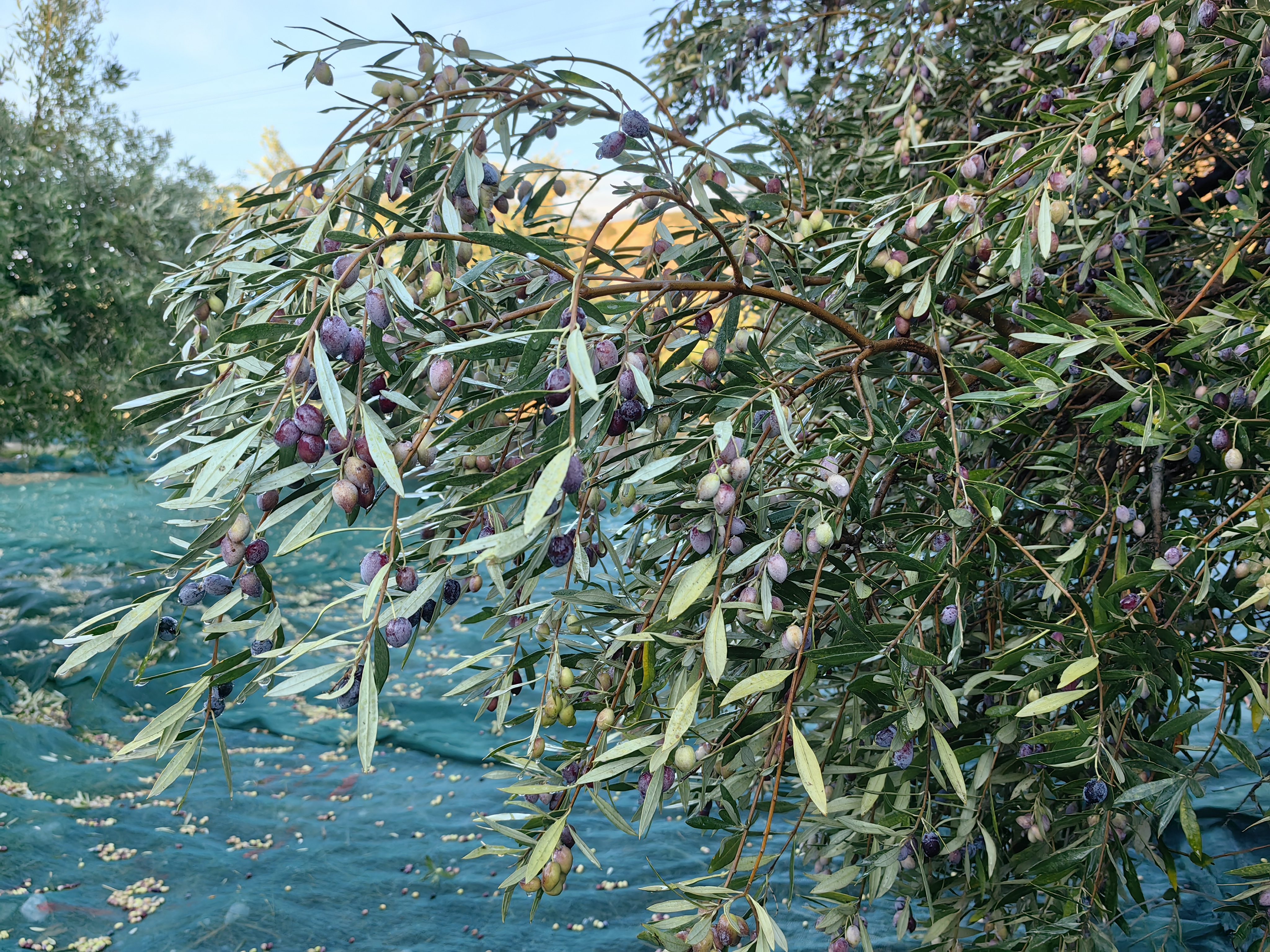
Impurities matter too. Water, sediment, and leftover olive particles in a poorly settled oil break down early and drag the smoke point down, another reason a cloudy farmhouse bottle can smoke before a polished one.
The twist: smoke point is not the whole story
Here is where the conventional wisdom breaks. For years, cooks were told to pick high-smoke-point oils for safety.
Newer research says the smoke point does not actually predict how an oil behaves when heated. What predicts stability is the oil's chemistry: the percentage of polyunsaturated fats (lower is better) and how much the oil has been refined (less is better).
By those measures, extra virgin olive oil, with its low polyunsaturated fat and zero refining, proved the most stable cooking oil in testing cited by the North American Olive Oil Association, outperforming most seed oils. Researcher Leandro Ravetti attributed this to three factors: the oleic acid composition of olive oils, the fact that regular olive oil is typically blended with 15-20% unrefined virgin oil, and the relatively gentle physical refining used for olive oil compared with the aggressive high-heat solvent refining of seed oils.
The practical upshot: a good extra virgin olive oil is safe for everyday sauteing, roasting, and pan-frying, even though its smoke point on a chart looks modest. Keep it below sustained smoking, do not overheat it repeatedly, and remember that a bottle already used for an hour in a fryer will smoke sooner than a fresh one.
The bottom line
Olive oil smokes at different temperatures because each bottle has its own free fatty acid level and processing history. Fresh, low-acidity extra virgin oil can approach 425F, cheap high-acidity bottles smoke much earlier, and refined grades trade flavor for a higher, steadier threshold.
And the chart number matters less than it used to: stability when heated depends more on the oil's fatty acid profile than on the first wisp of smoke. Store oil cool and dark, buy from transparent producers, and cook with confidence, the same evidence-first approach that explains why fresh pasta boils faster than dried.
FAQ
Q: What is the smoke point of extra virgin olive oil?
A: It varies by bottle, typically 320-375F on most charts, but a fresh low-acidity oil (under 0.3% free fatty acids) can smoke near 425F. Refined olive oil generally smokes higher and more consistently.
Q: Is it safe to cook with extra virgin olive oil at high heat?
A: Yes for normal sauteing, roasting, and pan-frying, as long as you keep it below sustained smoking and do not repeatedly overheat the same oil. Research shows extra virgin olive oil is among the most stable cooking oils when heated, despite its moderate smoke point.
Q: Why does refined olive oil have a higher smoke point?
A: Refining strips out free fatty acids and volatile compounds that break down early, leaving a neutral oil that smokes later and more predictably. The trade-off is less flavor and fewer of the compounds associated with extra virgin oil's character.
Q: Does an old bottle of olive oil smoke sooner?
A: It can. Age, heat, and light raise free fatty acid levels and degrade the oil, lowering its smoke point over time. Store olive oil in a cool, dark place and use it within a reasonable time after opening.
---
Topics: olive oil, smoke point, cooking oils, kitchen science
Rive News is the research desk behind this publication, covering travel, food, science, and everyday explainers.
Latest in Food
- Why Does Fresh Pasta Cook Faster Than Dried Pasta?
- Why Do You Salt Eggplant Before Cooking?
- Why Do Hard-Boiled Eggs Get a Green Ring Around the Yolk?
Subscribe for weekly food science explainers and practical kitchen tips.
Related stories

Why Does Bread Go Stale Faster in the Refrigerator?
Bread goes stale faster in the fridge because starch recrystallizes fastest near 4°C. Here is the retrogradation science and the right way

Baking soda and baking powder: what's the difference?
Baking soda is pure sodium bicarbonate; baking powder adds two dry acids for double-acting lift. Learn when to use each, plus exact

What Is the Maillard Reaction in Simple Terms?
The Maillard reaction is the browning chemistry between amino acids and sugars above 140 C that creates the crust, color, and rich flavor