
Why rice goes sticky or fluffy depending on cooking
By Rive News / Research desk | Rive News / Published October 27, 2026 at 9:00 AM PKT
Key takeaways
- Rice texture comes from its starch mix: amylose keeps grains separate, while amylopectin makes them cling.
- Long grain rice such as basmati cooks fluffy, while short grain rice such as sushi rice cooks sticky by design.
- Rinsing, water ratio, resting, and not stirring decide whether even the right variety turns out fluffy.
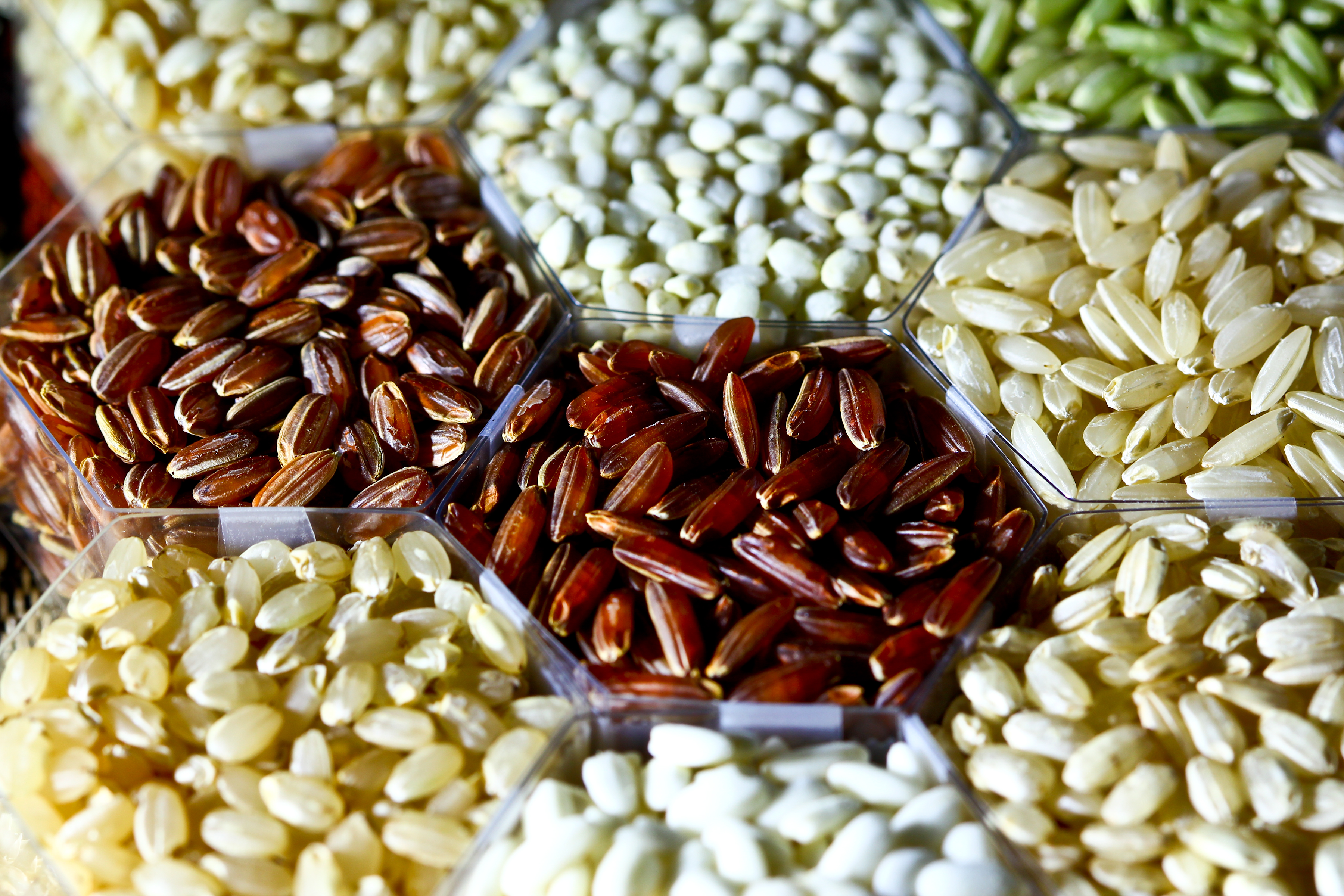
Rice grains of different varieties, whose starch mix decides whether cooked rice clings or stays separate. Photograph: the subject
Image Credits: Wikimedia Commons
Rice is the seed of a grass, and it becomes the staple food for over half of the world when cooked. Yet the same bag of rice can turn out fluffy on one day and gluey on the next, and different varieties seem to follow different rules entirely. The difference is not luck, since it comes down to starch, water, and handling.
Two starches live inside every grain. Amylose is a long, straight molecule that resists breaking apart, while amylopectin is a branched molecule that swells eagerly and sticks. The balance between them, set by the variety, decides the texture before the pot even heats up.
This article explains rice texture, including the two starches that set it, how variety predicts the result, why rinsing matters, how water ratio and heat shape the grains, and the resting step that finishes the job.
The two starches that set texture
Starch is the main carbohydrate in rice, and it behaves differently depending on its shape. Amylose molecules are linear chains that pack tightly together, so they absorb water slowly and hold their shape during cooking. Grains rich in amylose therefore stay firm and separate, even when fully cooked.
Amylopectin molecules branch like a tree, with many ends that grab water at once. Those branches swell quickly, leak from the grain surface, and tangle with neighbouring grains as they cool. Grains rich in amylopectin therefore turn soft, moist, and sticky, which suits dishes where clinging is the goal.
Heat drives a process called gelatinisation, where starch granules absorb water, swell, and soften. The Times of India reports research in the International Journal of Biological Macromolecules showing that the water to rice ratio controls how far that swelling goes. Too much water lets granules swell until they burst and release their starch, while the right amount lets them soften without breaking open.
Cooling adds a second process called retrogradation, where starch molecules regroup and firm up. That is why rice left in the pot firms as it cools, and why properly rested rice feels drier and more separate than rice served straight off the boil. Texture is therefore decided twice, once by heat and once by cooling.
How variety predicts the result
Variety is the strongest predictor of texture, and it explains most kitchen arguments about rice. Long grain rice from the Indica cultivar, including basmati and jasmine, contains more amylose and tends to stay intact on cooking, dry and fluffy. The Rice article notes exactly that pattern, contrasting long grain behaviour with medium and short grain behaviour.
Medium grain rice, from Japonica or Indica cultivars or a hybrid of both, is moist and tender and tends to stick together. Calrose, the variety behind much Californian rice, sits in this group, which is why it suits bowls and everyday meals better than pilaf. Short grain rice, mainly from the Japonica cultivar, has an oval shape and a sticky texture, and it stars in sushi, where grains must hold together, and in risotto, where arborio releases starch into a creamy sauce.
Glutinous rice, sometimes called sticky rice, sits at the extreme end of the scale. It contains almost no amylose, so its amylopectin dominates completely and the cooked grains fuse into a soft mass. That result is a feature of the variety, not a cooking failure, and no amount of rinsing will make it fluffy.
Choosing the wrong variety for the dish guarantees disappointment. A cook who wants separate grains should start with long grain rice, while a cook who wants sushi or risotto should embrace a sticky variety. Method can rescue a borderline case, but it cannot rewrite the starch balance inside the grain.
Why rinsing matters so much
Milling leaves a fine dust of loose starch on the surface of every grain. During harvest, drying, and transport, grains rub against each other and shed that powder, which clings to the outside like flour on a worktop. When unrinsed rice hits hot water, that surface starch dissolves at once and forms a glue that binds grains together.
Rinsing removes that dust before cooking starts. Cold water, swirled through the rice several times until it runs mostly clear, carries the loose starch away and leaves the grain surfaces clean. The Times of India explains that washing away excess surface starch removes the substance needed to create a clumpy mass, which is why the step matters more than any later trick.
Rinsing does not change the starch inside the grain, so it cannot turn short grain rice into long grain rice. It only removes the extra glue that would otherwise exaggerate whatever stickiness the variety already has. That is why rinsed basmati cooks dramatically fluffier, while rinsed sushi rice stays pleasantly sticky rather than turning gluey.
Some cooks skip rinsing for dishes where stickiness helps, such as risotto or rice pudding. There the surface starch is an ingredient, since it thickens the sauce and binds the dish. The rule is therefore not to always rinse, but to rinse when separate grains are the goal and to skip it when creaminess is the goal.
How water ratio and heat shape the grains
Water ratio decides how much the grains swell and whether they burst. A common starting point for long grain white rice is roughly one part rice to one and a half parts water by volume, though the exact ratio varies by variety and age. Older rice absorbs more water than freshly milled rice, so a fixed two to one ratio often overhydrates it.
Too much water causes two problems at once. Grains swell past their limit, burst, and release internal starch into the pot, while the extra liquid keeps the finished rice wet and heavy. Too little water causes the opposite failure, with hard centres and uneven cooking, since the grains at the bottom cook while those at the top stay dry.
Heat management matters as much as measurement. A vigorous boil agitates the grains, breaks their surfaces, and releases more starch, while a gentle simmer lets them absorb water calmly. Stirring during cooking has the same effect, since each stir knocks grains together and frees starch, which is why most rice methods forbid stirring after the pot is covered.
The absorption method, where the rice simmers covered until all water is absorbed, gives the cook the most control. The lid traps steam, the heat stays even, and the grains finish in their own moisture rather than in a pool of extra water. Lifting the lid repeatedly breaks that control, since escaping steam drops the temperature and dries the top layer.
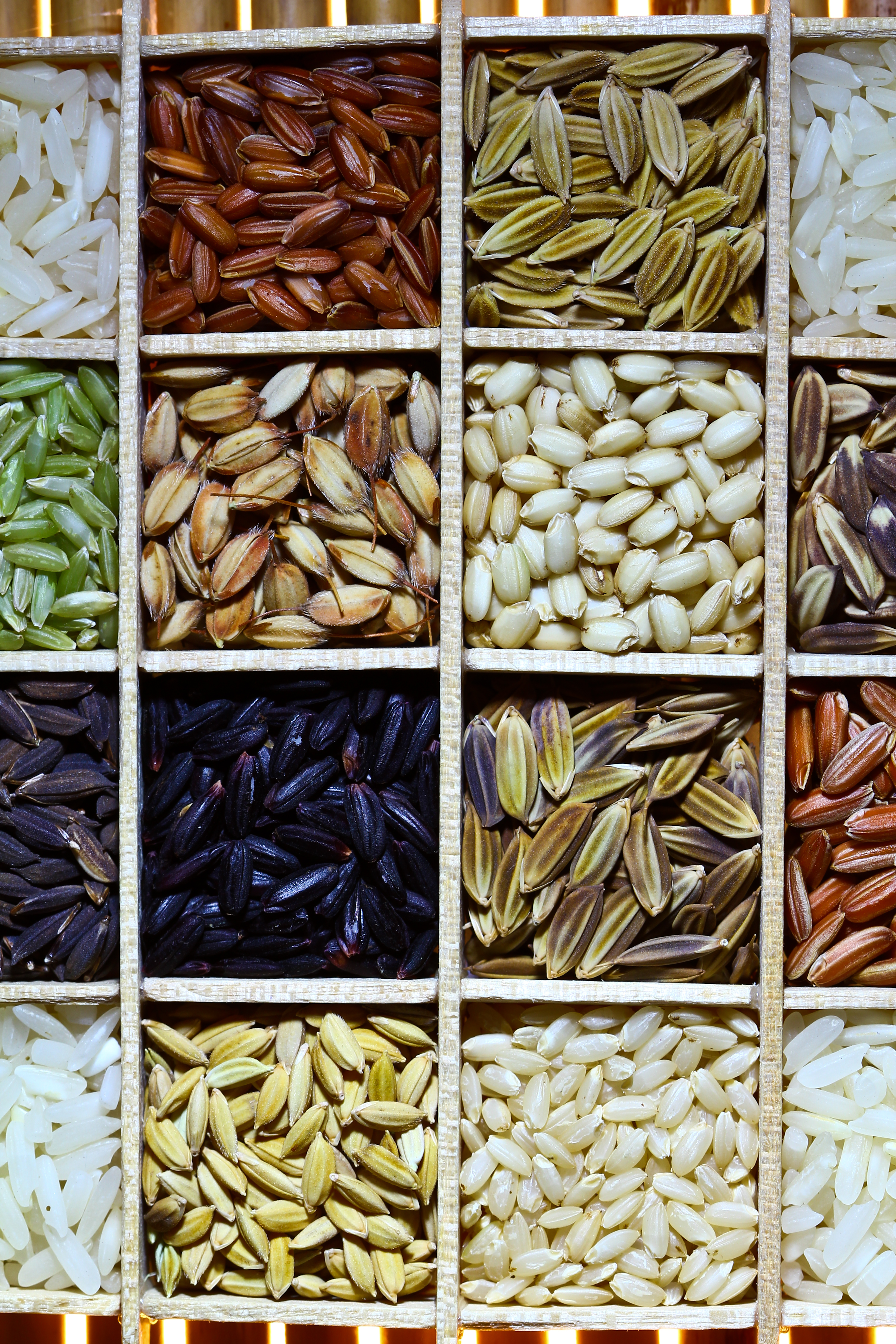
A small sample of the many rice cultivars held in the International Rice Research Institute collection. Photograph: the subject
Image Credits: Wikimedia Commons
The resting step that finishes the job
Resting is the step most cooks skip, and it explains many pots that look perfect yet eat sticky. When cooking ends, the grains still hold uneven moisture, with the bottom wetter than the top and the surface coated in starch gel. Ten minutes of covered rest lets that moisture even out and lets surface starch firm up.
Fluffing with a fork after resting separates the grains without breaking them. A spoon or a vigorous stir would crush the soft grains and release fresh starch, undoing the rest. The fork lifts and separates, letting steam escape and giving each grain air around it.
Cooked white rice is about 69 percent water, 29 percent carbohydrate, and 2 percent protein per 100 grams, according to United States Department of Agriculture data cited in the Rice article. That high water content is why the resting and fluffing steps matter so much, since the difference between fluffy and soggy is often just a few grams of surface moisture.
Serving immediately from the pot traps that moisture. The grains sit in their own steam, continue to soften, and collapse into each other on the plate. A short rest costs nothing and consistently produces the driest, most separate result the variety allows.
Frequently asked questions
Should I rinse rice every time?
Rinse when you want separate, fluffy grains, since rinsing removes loose surface starch that glues grains together. Skip rinsing for risotto or rice pudding, where that starch helps thicken the dish.
Why is my basmati still sticky after rinsing?
Check the water ratio and the resting step, since too much water or no rest can make even rinsed basmati gluey. Avoid stirring during cooking, keep the lid on, and rest the pot for ten minutes before fluffing.
Can I fix rice that is already sticky?
Spread it on a tray to cool and dry, then fluff it gently with a fork once the surface firms. It will not become perfectly fluffy, but cooling and air exposure reduce the worst of the clumping.
Does soaking rice help or hurt fluffiness?
A short soak of 20 to 30 minutes helps long grain rice cook evenly, since the grains hydrate before heat arrives. Soaking short grain rice for the same dish can increase stickiness, so match the soak to the variety and the goal.
The bottom line
Rice goes sticky or fluffy because of its starch mix first and its cooking method second. High amylose long grain rice stays separate, high amylopectin short grain rice clings, and rinsing, water ratio, gentle heat, and resting decide how far each variety leans. Match the variety to the dish, rinse when fluffiness is the goal, and let the pot rest before fluffing.
Try the same variety twice, once rinsed and rested and once straight from the bag, and the difference will teach the lesson better than any recipe. Texture stops feeling like luck once the starch is understood.
Tags: rice, cooking science, starch, basmati
The Rive News research desk writes plain language explainers from public sources, with every key claim tied to a named document or dataset.
Related
- How to cook rice that is never sticky or burnt
- Why rice gets mushy and how absorption ratios work
- Why pasta sticks together right after draining
- What is the Maillard reaction in simple terms
Subscribe for one practical explainer each week, written in plain language and checked against public sources.
Rive News standards: no invented quotes, no invented statistics, and every number traced to a public source.
Related stories
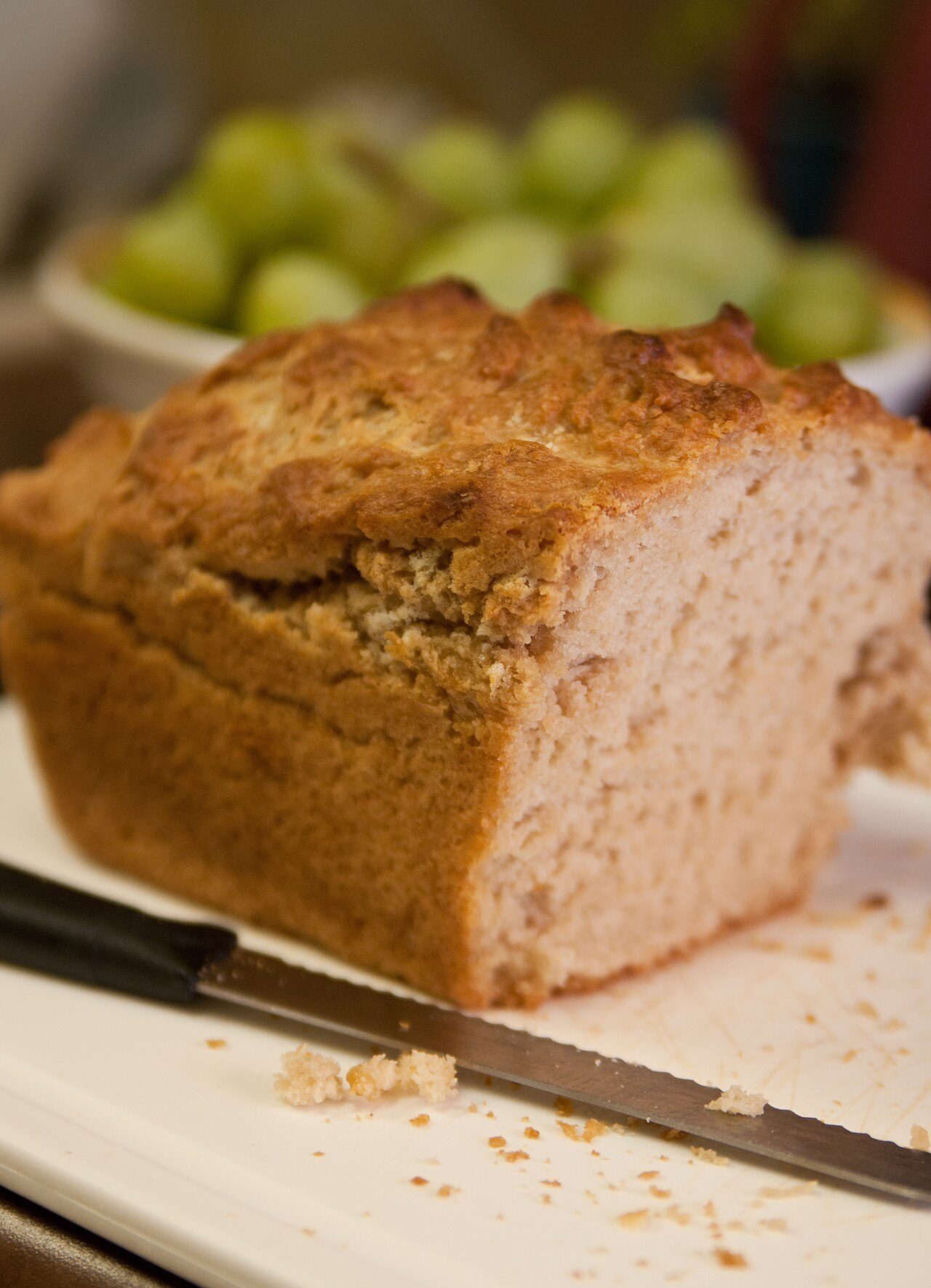
Why Does Bread Go Stale Faster in the Refrigerator?
Bread goes stale faster in the fridge because starch recrystallizes fastest near 4°C. Here is the retrogradation science and the right way
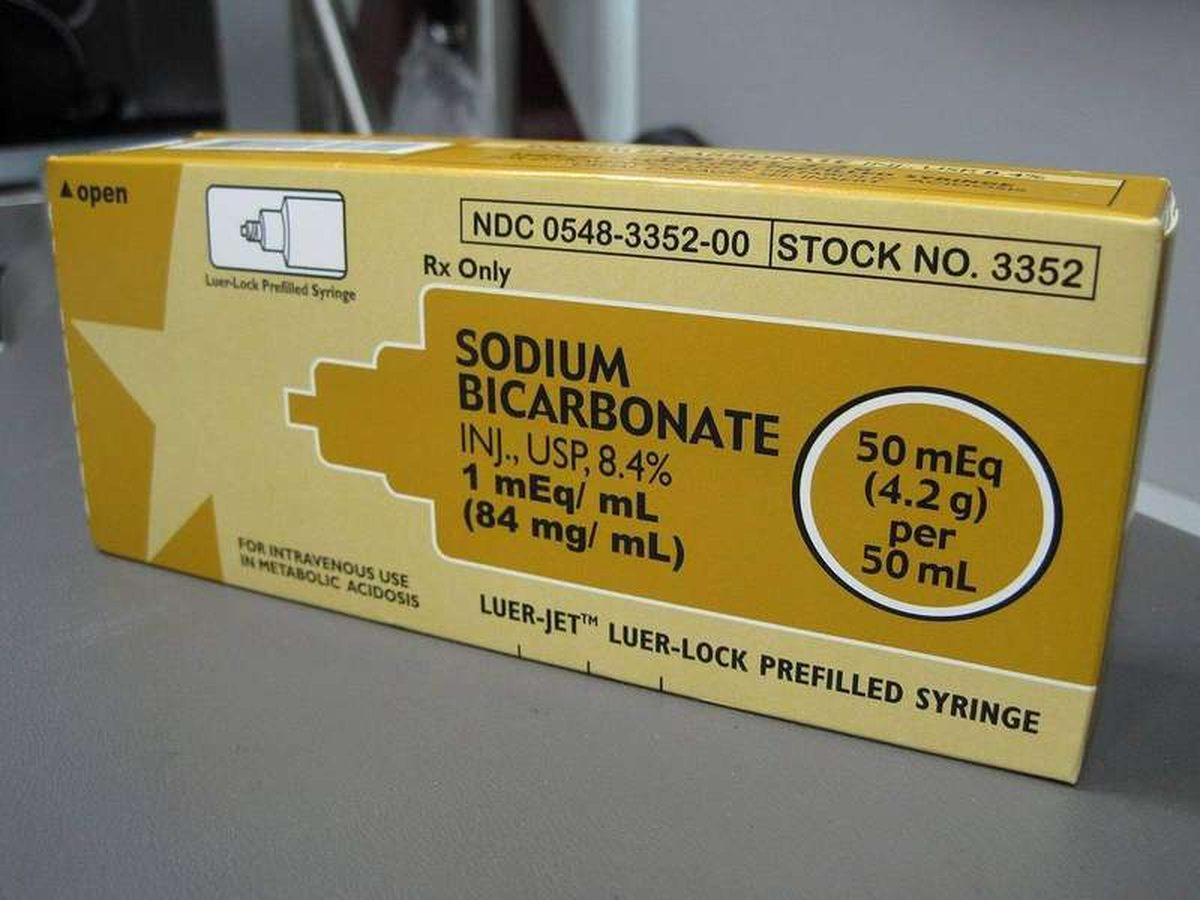
Baking soda and baking powder: what's the difference?
Baking soda is pure sodium bicarbonate; baking powder adds two dry acids for double-acting lift. Learn when to use each, plus exact
What Is the Maillard Reaction in Simple Terms?
The Maillard reaction is the browning chemistry between amino acids and sugars above 140 C that creates the crust, color, and rich flavor