
Why your flat sparkling water tastes sour and stale
By Rive News / Research desk | Rive News / Published October 29, 2026 at 9:00 AM PKT
Key takeaways
- Flat sparkling water tastes sour because dissolved carbon dioxide keeps forming carbonic acid even after the bubbles escape.
- The bubbles themselves are not the sour taste; studies found flat carbonated water still tasted bitter to testers.
- Minerals in the water and the loss of fizz make the sharp, sour note stand out more once a bottle goes flat.
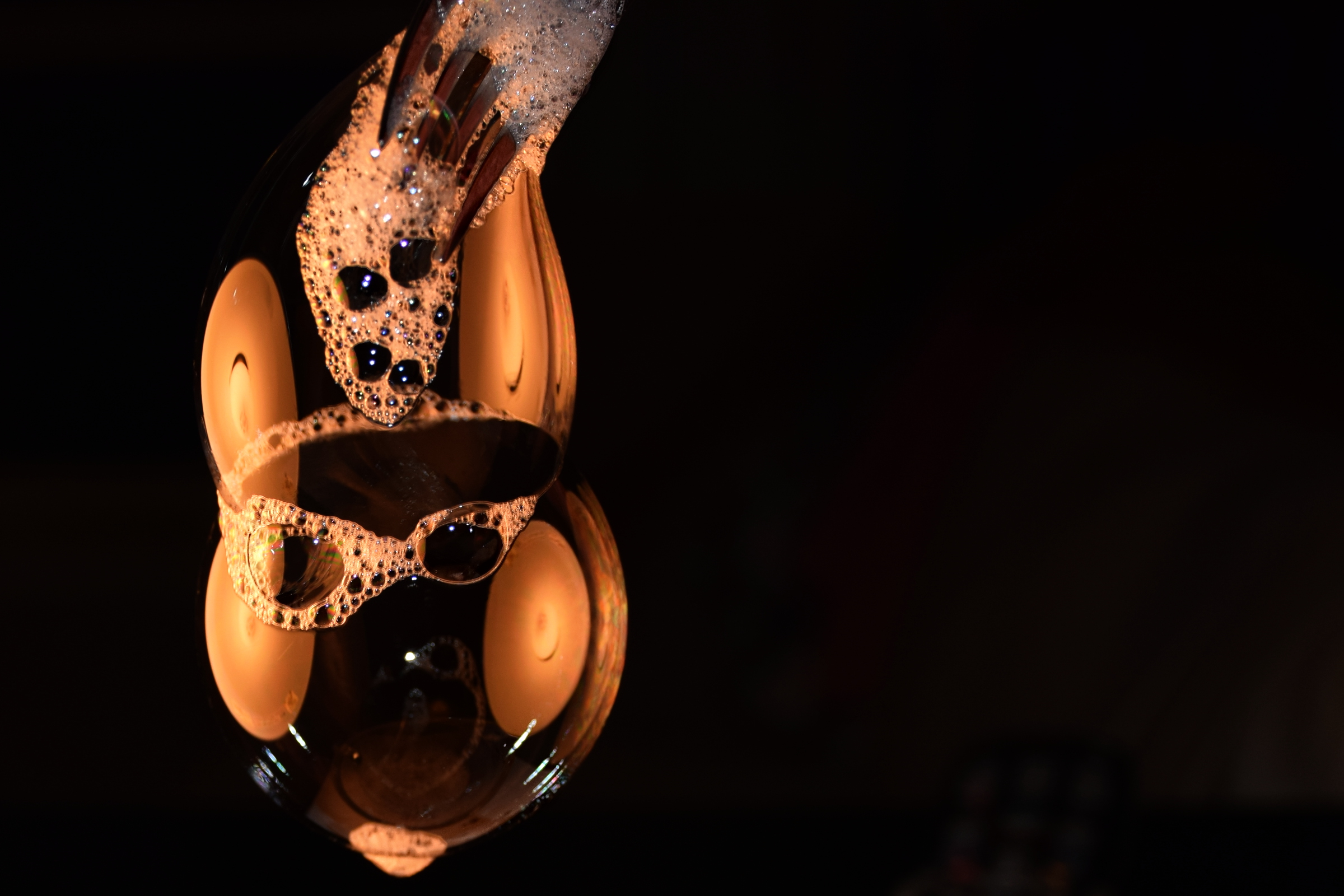
[A glass of sparkling water filled with rising bubbles.] Photograph: VV Nincic
Image Credits: Wikimedia Commons
Sparkling water is plain water with carbon dioxide gas forced into it under pressure. When that gas meets water, a small share of it reacts to form carbonic acid, a weak acid with the formula H2CO3. That acid is the main reason sparkling water tastes tangy, and it explains why the sour note lingers after the fizz fades.
This article explains what carbonic acid does in the glass, why flat sparkling water can taste more sour than fresh, and what else shapes the flavor, including minerals, temperature, and storage.
What carbonation actually puts in the water
Carbonation starts inside a sealed bottle or can. Pressure pushes carbon dioxide into the water until the gas above the liquid and the gas dissolved in it reach equilibrium, according to Smore Science. At that point, the drink holds far more dissolved gas than it could at normal air pressure.
Some of the dissolved gas reacts with water to form carbonic acid. Smore Science states the point plainly: "The carbonic acid in the beverage is what makes it taste a little sour." The bubbles you see are gas escaping, not acid itself.
That distinction matters. A freshly opened bottle gives you fizz, cold temperature, and acid all at once.
A flat bottle gives you mostly the acid, minus the distraction. The sour taste was present all along.
Why the sour taste survives after the fizz
Open a bottle and the pressure above the liquid drops to match the air outside. Dissolved gas starts leaving, which is why bubbles rise and the drink eventually goes flat. But not all of the gas leaves at once.
Traces of carbon dioxide stay dissolved for a while, and that dissolved gas keeps forming small amounts of carbonic acid. Chesbrewco reports that flat carbonated water still produced the same bitter taste as bubbly water in taste studies, which undercut the old idea that popping bubbles caused the flavor. The acid, not the popping, did the work.
Carbonated water is also far more acidic than still water. Plain water sits near pH 7, while published explanations put sparkling water roughly in the pH 3 to 5 range depending on how much gas is dissolved. Your tongue is sensitive to that shift, so even a weak acid registers clearly.
Why flat water can taste worse, not just different
Losing fizz changes more than texture. Bubbles stimulate touch and pressure sensors in the mouth, and that tingle competes with taste signals. When the tingle goes away, the sour signal has less competition.
Research cited by Chowhound, from the National Institute of Dental and Craniofacial Research, found that carbonic acid interacts with an enzyme called carbonic anhydrase 4 on sour-sensing cells of the taste buds. That interaction helps explain why carbonation produces a distinct taste and not just a physical sensation.
Minerals add a second layer. Sparkling mineral waters carry calcium, magnesium, sodium, and potassium in different amounts, and those minerals shape flavor on their own.
In a fresh bottle, fizz and cold can mask mineral notes. In a flat bottle, the mineral edge and the acid edge both sit in the open, which can read as stale or slightly bitter.
Temperature plays a role too. Cold dulls some taste perception, so a flat bottle that has also warmed up can taste sharper than the same water served cold. The acid did not necessarily increase; your perception of it did.
Does flat sparkling water go bad
Flat is not the same as spoiled. An opened bottle that has simply lost its gas is still water with dissolved minerals and a small amount of acid. It will taste dull, but the flatness alone does not make it unsafe.
Storage still matters. A bottle left open for days can pick up odors from the fridge, and any drink sipped from directly can collect bacteria from the mouth over time. If flat sparkling water smells off or has been sitting open for a long time, pouring a fresh glass is the sensible move.
Sealed bottles keep their gas far longer. Once the seal breaks, the clock starts.
Recapping tightly and keeping the bottle cold slows the escape of gas, but it does not stop it. Every opening lets more carbon dioxide out.
Can you fix flat sparkling water
You cannot fully restore a flat bottle by shaking it or leaving it in the fridge. Shaking drives more gas out of solution, which is the opposite of what you want. Cold storage only slows further loss.
A home carbonator can re-carbonate flat water, since it forces fresh gas back in under pressure. That works best with plain water rather than water that already has flavorings or sweeteners added. A pinch of baking soda is sometimes suggested online to soften acidity, but it changes the flavor and adds sodium, so it is a trade-off rather than a true fix.
The simplest fix is prevention. Buy smaller bottles if you rarely finish a large one in one sitting. Recap promptly, keep the bottle cold, and drink it within a day or two of opening for the best fizz.
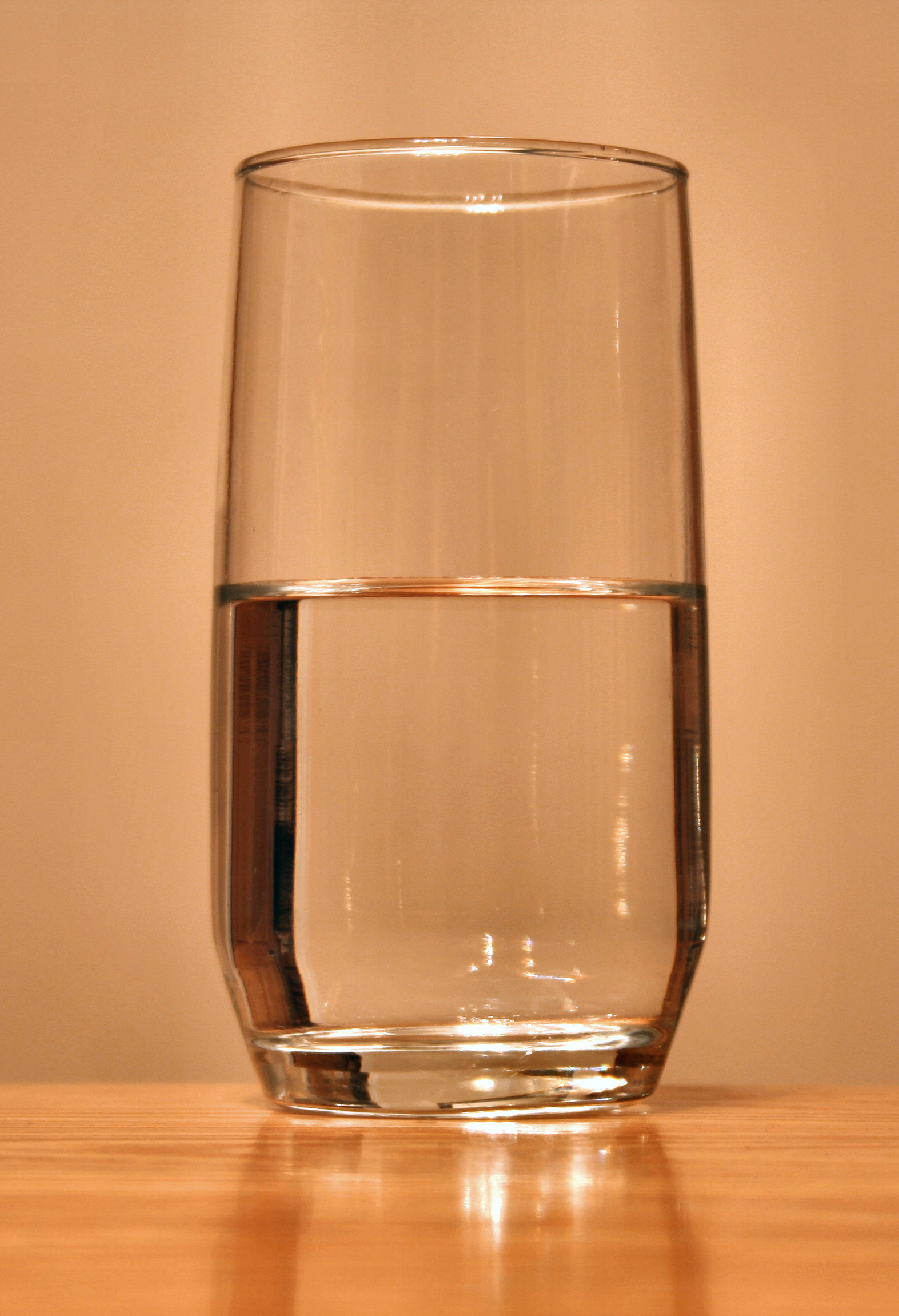
[A glass of still water, which has no added carbon dioxide and no carbonic acid tang.] Photograph: Derek Jensen
Image Credits: Wikimedia Commons
Frequently asked questions
Why does sparkling water taste sour but still water does not
Still water has no added carbon dioxide, so it forms no carbonic acid. Sparkling water does, and that weak acid stimulates sour-sensing cells on the tongue. The difference is chemistry, not just fizz.
Is the sour taste a sign of something wrong with the water
No, not on its own. A mild sour or tangy note is normal for carbonated water and comes from carbonic acid. An unusual smell, visible mold, or a flavor far stronger than usual is a better reason to discard it.
Why does flat soda taste sweeter instead of sour
Soda contains sugar or sweetener, and carbonic acid normally balances that sweetness. When the gas escapes, the acid level drops and nothing offsets the sugar, so the drink tastes sweeter. Plain sparkling water has no sugar to unmask, so its acid note stands alone.
Does sparkling water damage teeth
Carbonated water is acidic, and acids can soften tooth enamel over time with frequent exposure. Plain sparkling water is far less acidic than cola or citrus juice, and drinking it with meals and rinsing with still water afterward reduces contact time. People with existing dental concerns should ask their dentist rather than rely on a general article.
The bottom line
Flat sparkling water tastes sour because the acid stays behind when the bubbles leave. Carbon dioxide dissolved in water forms carbonic acid, and enough of that gas lingers after opening to keep the tang going. Without fizz and cold to mask it, the sour note feels stronger, and minerals in the water can add their own edge.
If you want the crisp version, keep bottles sealed, cold, and small enough to finish quickly. Once the fizz is gone, the water is not ruined, but it will never taste quite like a fresh pour again.
Tags: sparkling water, carbonation, food science
Rive News is the research desk behind this article, covering everyday food science from published sources.
Related
- Why sourdough tastes sour and where its flavor comes from
- What the Maillard reaction is in simple terms
- Why bread goes stale so fast
- Why honey crystallizes and whether it is still good to eat
Subscribe for one everyday food-science explainer in your inbox each week.
Rive News publishes explainers from named public sources; corrections are noted on the article page.
Related stories
Why Does Bread Go Stale Faster in the Refrigerator?
Bread goes stale faster in the fridge because starch recrystallizes fastest near 4°C. Here is the retrogradation science and the right way
Baking soda and baking powder: what's the difference?
Baking soda is pure sodium bicarbonate; baking powder adds two dry acids for double-acting lift. Learn when to use each, plus exact
What Is the Maillard Reaction in Simple Terms?
The Maillard reaction is the browning chemistry between amino acids and sugars above 140 C that creates the crust, color, and rich flavor