
Why Sourdough Tastes Sour and Where Flavor Comes From
Key takeaways
- Sourdough's tang comes from acids made by lactic acid bacteria living in the starter.
- Lactic acid gives a mild, creamy sourness, while acetic acid gives a sharp, vinegary punch.
- Fermentation temperature and time shift the balance between the two acids, so bakers control the flavor.
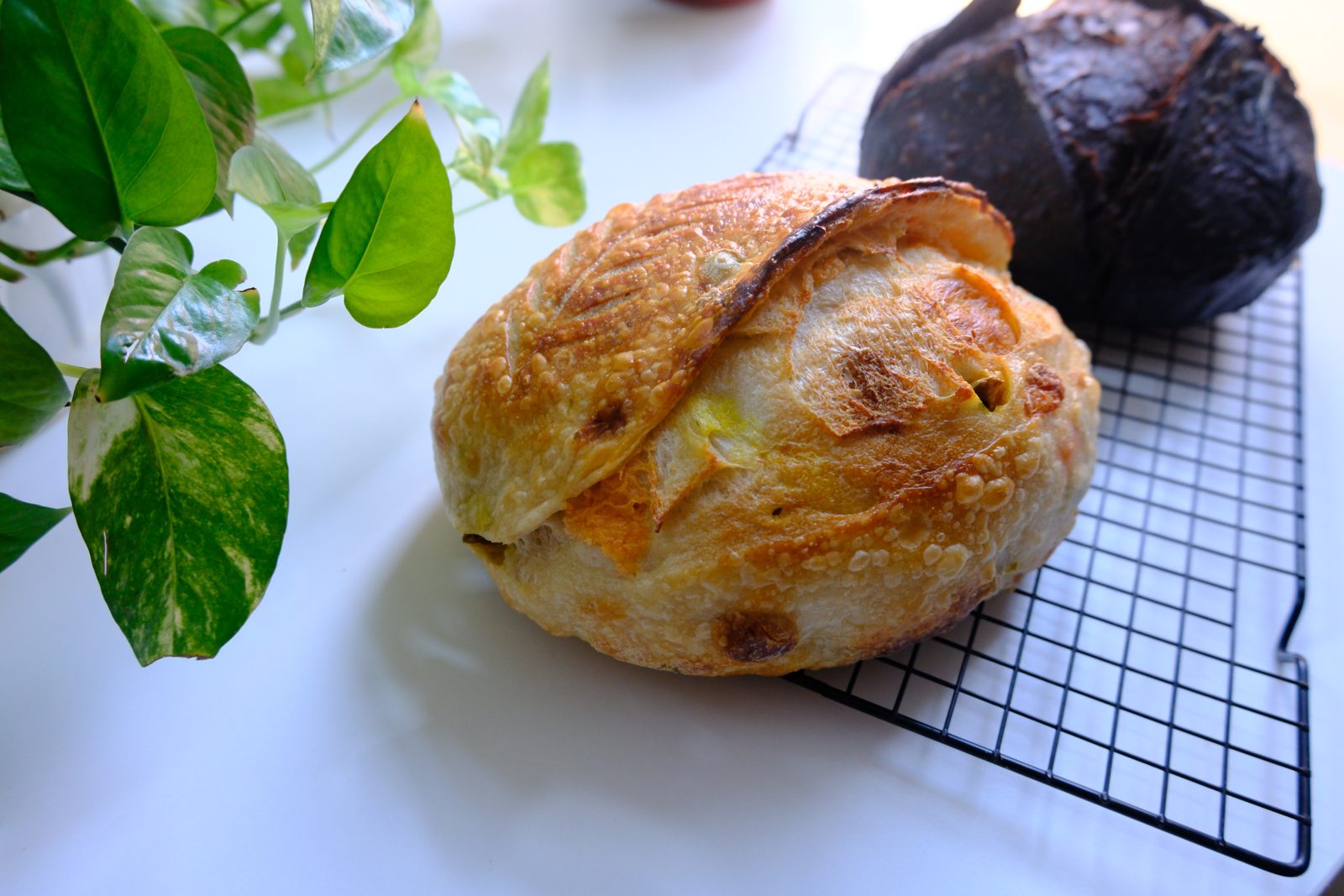
Sourdough is the oldest kind of leavened bread, and it tastes like nothing else in the bakery. A slice can be mildly tangy or sharply sour, with a depth that plain yeast bread never reaches.
The flavor is not added. It is made inside the dough by living microbes.
This article explains what sourdough is, which microbes create the sour taste, how two acids shape the flavor, and why fermentation conditions change the loaf you get.
What sourdough actually is
Sourdough starts with two ingredients: flour and water. Mixed together and left alone, they become a starter, a living culture of wild yeast and bacteria. The starter does the same job as a packet of commercial yeast, but it brings far more flavor with it.
As soon as flour meets water, an enzyme in the flour called amylase wakes up and starts breaking down complex starches into sugars. Wild yeast and bacteria then feed on those sugars during fermentation.
The yeast produces carbon dioxide, which makes the dough rise, plus alcohol as a byproduct. The bacteria produce acids, which make the dough sour.
The wild yeast in a starter is a different strain from commercial packaged yeast. The Kitchn identifies it as Saccharomyces exiguus, a strain that lives in the air and on plants, grains, and fruits. Some of it is already present in the flour, and more joins when the flour and water are stirred together.
The bacteria are lactobacilli, the same family of bacteria found in yogurt and many cheeses. They are harmless, and they are the real authors of sourdough's flavor.
The partnership between yeast and bacteria is stable enough that a well-fed starter can live for years. As Discover Magazine reported, one baker at Acme Bread Company in Berkeley described keeping a culture alive as microfarming.
The two acids behind the tang
The sour taste of sourdough comes from two organic acids, and they taste different.
Lactic acid gives sourdough its mellow, rich flavor. It is the same acid that gives yogurt its gentle tang.
Acetic acid gives the sharper, vinegary punch. Both are made by the lactobacilli in the starter as they consume sugars, and the balance between them decides whether a loaf tastes creamy or sharply sour.
The balance is not fixed. It shifts with the conditions of fermentation, which is why two bakers using similar starters can bake loaves that taste quite different.
Warm, fast fermentation favors lactic acid and a milder loaf. Cool, slow fermentation favors acetic acid and a sharper tang.
Acidity also changes the dough itself. As lactobacilli convert sugars to lactic and acetic acid, the dough sours to a pH around 3.8, roughly the acidity of mayonnaise, according to Discover Magazine. At that acidity, most competing microbes drop out, leaving only the acid-tolerant yeasts and bacteria that belong in a starter.
The sourness is therefore also a form of protection. It keeps the culture safe from spoilage organisms.
How a starter finds its balance
A new starter does not start out sour. In the first days, almost any microbe can grow in the rich mixture of flour and water, including spoilage bacteria. That is why brand-new starters often go through a strange, unpleasant-smelling phase.
Then the lactic acid bacteria take over. Erin McKenney, a microbial ecologist at North Carolina State University who has studied starter formation, explained to Smithsonian Magazine that by day 3 these bacteria have made the starter so acidic that many early colonists cannot survive.
Only the lactic acid bacteria and a few acid-tolerant yeasts remain. Together, the lactic acid and vinegary acetic acid give sourdough its characteristic tang.
By days 10 to 14, the starter settles into a stable state. The yeasts and lactic acid bacteria grow vigorously, and the yeasts produce enough carbon dioxide to leaven a loaf of bread. At that point, the starter is ready to bake with.
The classic San Francisco sourdough studies captured this partnership in detail. Researchers Sugihara and Kline showed how nicely yeasts and lactobacilli live together.
The principal yeast they found now goes under the name Candida milleri, and the principal bacterium, a species never found in nature before, was named Lactobacillus sanfranciscensis. Modern taxonomy has since renamed it Fructilactobacillus sanfranciscensis, but the partnership it describes is the same one in starters today.
Why fermentation conditions change the flavor
Bakers control sourdough flavor mainly through time and temperature. A long, cool fermentation gives the bacteria more time to produce acetic acid, so the loaf comes out sharper. A short, warm fermentation favors lactic acid, so the loaf stays mild and creamy.
Cold proofing is the clearest example. Many bakers shape the loaf and let it ferment in the refrigerator overnight or longer before baking.
The cold slows the yeast, so the dough does not over-rise, while the bacteria keep working slowly and building acidity. The result is a more complex, tangier loaf than a same-day bake.
Feeding habits matter too. A starter that is fed regularly with fresh flour and water stays vigorous and balanced.
A hungry starter that sits unfed grows more acidic, and the extra acid can push the flavor toward sharp and unpleasant. Regular feeding keeps the culture in the range where it produces pleasant tang instead of harsh sourness.
Flour choice plays a smaller role. Whole grain flours bring more minerals and more microbes, and they ferment faster than white flour.
They also add nutty, wheaty notes of their own. The sourness still comes from the bacteria, but the flour sets the background the acids play against.
Why sourdough tastes more complex than regular bread
Commercial yeast bread rises fast and tastes mostly of wheat and crust. Sourdough ferments slowly, and the slow fermentation builds a wider range of flavors.
The bacteria contribute not only acids but also aromatic compounds that give the bread its smell. Discover Magazine noted that European researchers credit the bacteria with carbon dioxide as well as aromatic compounds that infuse bread with flavor and aroma.
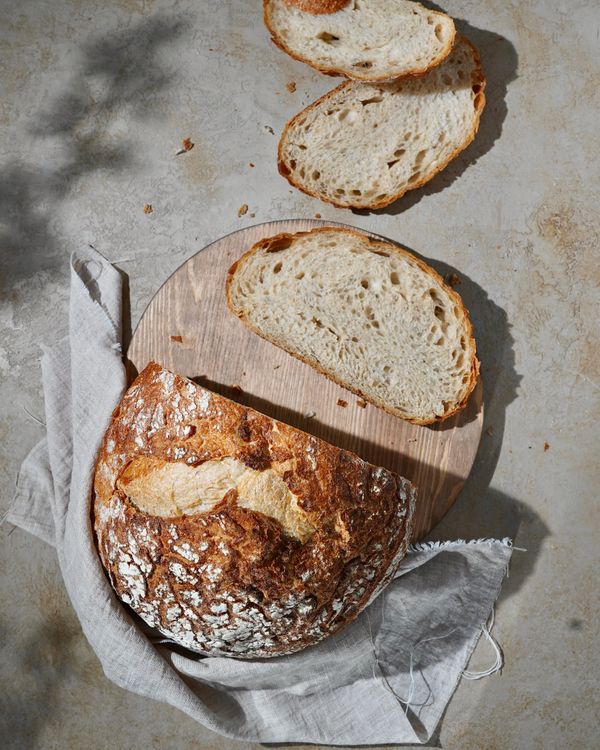
The acids change texture too. A more acidic dough holds gas differently and produces the open, chewy crumb that sourdough fans prize. The acidity also slows staling, which is one reason a sourdough loaf stays good longer than a plain white loaf.
There may be a nutritional side effect as well. Microbiologist Guylaine Lacaze of the Belgian bakers' supply company Puratos told Smithsonian Magazine that the increased acidity activates an enzyme called phytase, which makes minerals like calcium and phosphate more available. The claim rests on unpublished studies, so it should be read as a possibility rather than a proven benefit.
The same slow fermentation explains why sourdough keeps well. Acidity discourages mold, so a sourdough loaf resists spoiling longer than a neutral-pH bread.
Bakers who store bread in a bread box rather than the fridge get the best of both, since refrigeration dries bread out. Like potatoes that turn green in the light, bread responds to its storage conditions, and a cool, dry, dark spot keeps it at its best.
What makes one sourdough more sour than another
Three factors decide how sour a loaf tastes: the starter, the fermentation, and the bake.
The starter sets the starting point. An active starter fed on a regular schedule produces a balanced mix of acids. A starter that has gone hungry, or one kept very acidic, will push the loaf toward sharpness.
Fermentation sets the balance. Longer and cooler fermentation favors acetic acid and a sharper loaf.
Shorter and warmer fermentation favors lactic acid and a milder loaf. This is the lever bakers reach for most often.
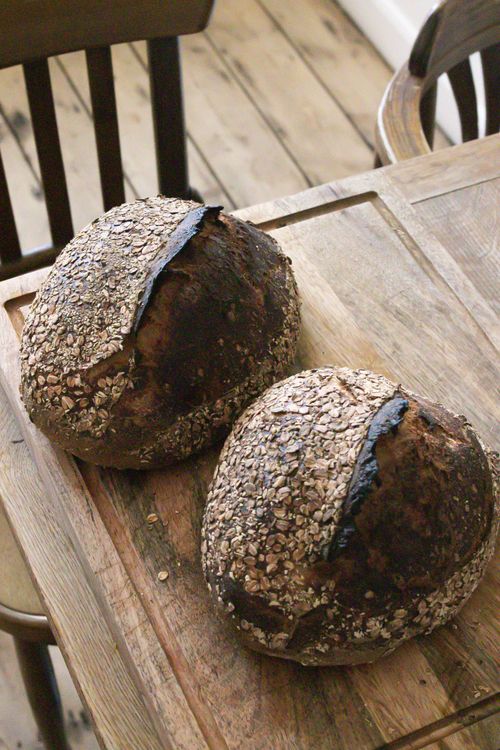
The bake sets the finish. A dark, well-baked crust adds roasted, caramel notes that balance the tang.
A pale loaf tastes more one-dimensionally sour, because there is less crust flavor to round it out. None of this changes the acids themselves, but it changes how sour the loaf seems.
None of these factors involves adding anything sour. Vinegar is not an ingredient in real sourdough.
If a bread tastes of vinegar because vinegar was added, it is imitation sourdough, not the fermented kind. True sourdough gets all of its tang from the microbes in the starter.
This is also why sourdough flavor is hard to copy with shortcuts. A fast bread with added acid can mimic the sourness, but it cannot reproduce the aromatic compounds that a slow fermentation builds. The flavor comes from time, and time is the one ingredient that cannot be faked.
The same principle shows up across the kitchen: chocolate seizes when water touches it because chemistry runs on its own schedule, and spices lose flavor over time because their aromatic compounds escape. Sourdough works because its microbes are given the time to do their work.
FAQ
Why does sourdough taste sour?
Sourdough tastes sour because lactic acid bacteria in the starter produce lactic acid and acetic acid during fermentation. Lactic acid gives a mild, creamy tang, and acetic acid gives a sharper, vinegary punch. The balance between the two acids decides how sour the loaf tastes.
Is sourdough supposed to be very sour?
Not always. Sourdough ranges from mildly tangy to sharply sour depending on fermentation time and temperature.
Warm, short fermentations make mild loaves, while cool, long fermentations make sharper ones. Both are normal.
What bacteria make sourdough sour?
Lactic acid bacteria, mainly species of Lactobacillus and related genera, make the acids. The best-known sourdough bacterium is Fructilactobacillus sanfranciscensis, first described from San Francisco sourdough. Wild yeasts in the starter provide the rise.
Does sourdough contain vinegar?
Real sourdough contains no added vinegar. Its vinegary note comes from acetic acid, which the bacteria produce naturally during fermentation. Bread with vinegar added for flavor is not true sourdough.
Why does my sourdough taste more sour than the bakery's?
Home starters often ferment longer or sit unfed between bakes, which raises acidity. A regularly fed starter, a shorter bulk fermentation, and a warmer proof usually produce a milder loaf.
The bottom line
Sourdough tastes sour because living bacteria in the starter turn sugars into two acids: mild lactic acid and sharp acetic acid. The yeast raises the dough, but the bacteria write the flavor. Time and temperature decide the balance, which is why the same starter can produce a gentle loaf one week and a tangy one the next.
The sourness is not a flaw or an additive. It is the signature of a slow fermentation, and it is the reason sourdough tastes like nothing else.
Tags: sourdough, bread, fermentation, baking
Latest in Food
- Why Potatoes Turn Green and What Solanine Means
- Why Does Whipped Cream Turn to Butter If You Overwhip
- Why Does Chocolate Seize When Water Touches It
- Why Do Spices Lose Flavor Over Time
Subscribe for one practical food science explainer in your inbox each week.
Related stories

Why Does Bread Go Stale Faster in the Refrigerator?
Bread goes stale faster in the fridge because starch recrystallizes fastest near 4°C. Here is the retrogradation science and the right way

Baking soda and baking powder: what's the difference?
Baking soda is pure sodium bicarbonate; baking powder adds two dry acids for double-acting lift. Learn when to use each, plus exact

What Is the Maillard Reaction in Simple Terms?
The Maillard reaction is the browning chemistry between amino acids and sugars above 140 C that creates the crust, color, and rich flavor