
Why Potatoes Turn Green and What Solanine Means
Key takeaways
- Potatoes turn green when light triggers chlorophyll, the same pigment that colors leaves.
- The same light exposure raises solanine, a bitter natural toxin, even though solanine itself is colorless.
- Peeling and cutting away green parts removes most solanine, but a fully green or bitter potato belongs in the bin.
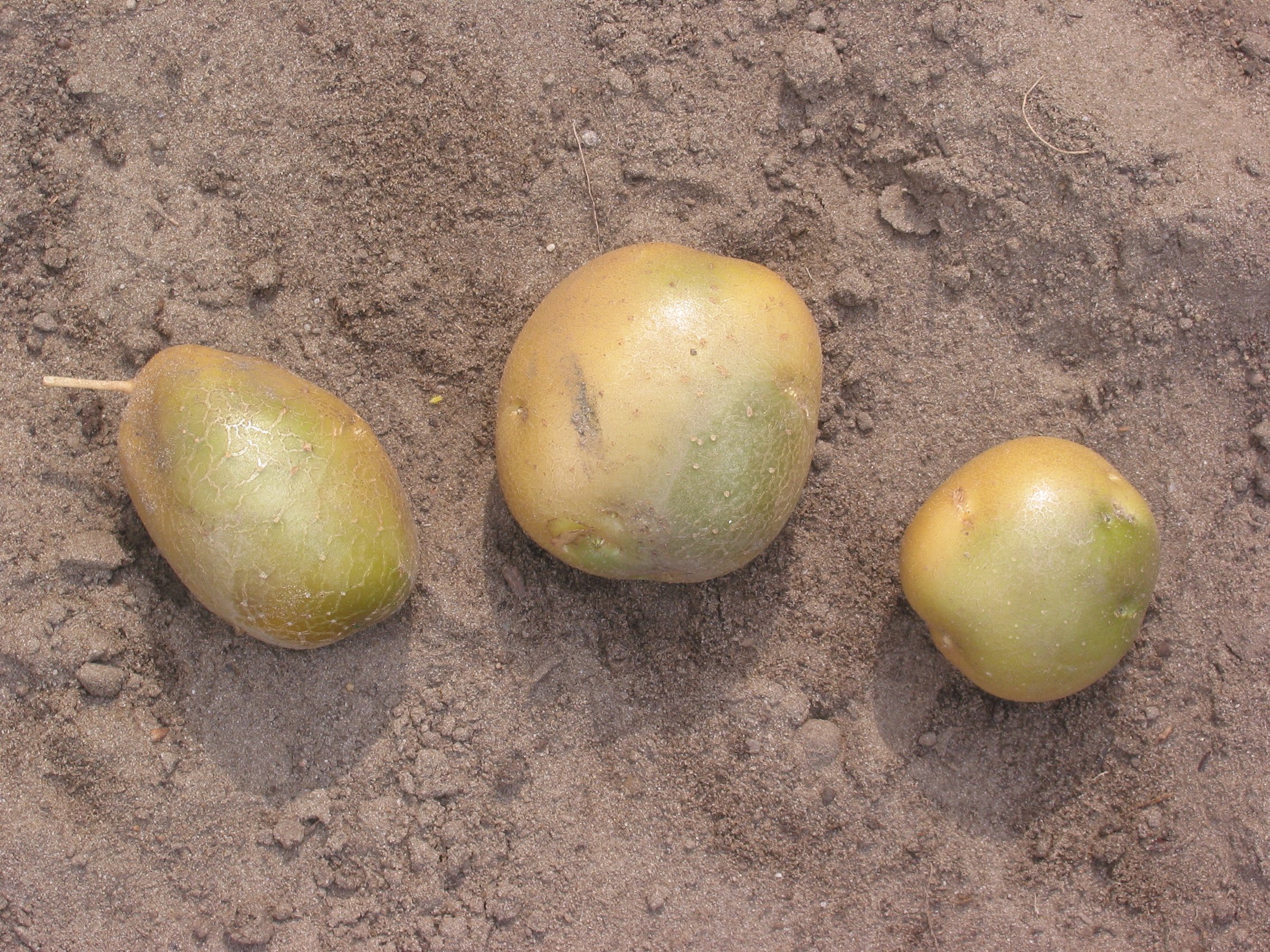
A potato left on the counter can turn green in a matter of days. The change looks harmless, like a vegetable slowly becoming a plant again. In a sense, that is exactly what is happening.
This article explains why potatoes turn green, what solanine is, when a green potato is safe to eat, and how to store potatoes so the problem never starts.
What makes potatoes turn green?
Potatoes are tubers, which are swollen underground stems. Underground, they stay pale because they never see light. Once light reaches the skin, the tuber behaves like the above-ground part of a plant and starts making chlorophyll.
Chlorophyll is the green pigment that lets plants turn sunlight into food. It is harmless on its own, and it is the same pigment found in spinach, lettuce, and every green leaf you eat.
The green color is therefore not the poison. It is a warning sign that the potato has been sitting in the light.
Light exposure is the main trigger. A potato stored on a kitchen counter, on a windowsill, or in a thin bag near a window will green faster than one kept in a dark cupboard.
Potatoes grown too close to the soil surface can even turn green before harvest, which is why growers mound soil around the plants as they grow. If you grow your own, hilling potatoes as they grow keeps the tubers covered and pale.
Temperature matters too. Greening is an enzymatic process, and enzymes work faster in warmth.
According to Gardening Know How, greening does not occur at 40 degrees Fahrenheit (4 degrees Celsius), while it is most likely around 68 degrees Fahrenheit (20 degrees Celsius). A warm, bright kitchen is the worst combination.
What is solanine?
Solanine is a glycoalkaloid, a naturally occurring compound that potatoes produce as a defense against pests and disease. It belongs to the same family of compounds found across the nightshade family, which includes eggplants and tomatoes. In a normal potato, solanine sits at low levels in the skin and flesh, and higher levels in the sprouts, eyes, leaves, and stalks.
The problem starts with light. The same conditions that trigger chlorophyll also trigger extra solanine production. The two rise together, but they are made independently.
Chlorophyll is green and harmless. Solanine is colorless and bitter, and in large amounts it is toxic.
Solanine is also heat stable to a degree. Cooking reduces it somewhat, but it does not destroy it completely.
That is why a very green potato stays a problem even after boiling or baking. Peeling helps far more than cooking, because most of the solanine sits in and just under the skin.
How much is too much? Regulators set limits on total glycoalkaloids in raw potatoes. The United States Food and Drug Administration limits them to 200 to 250 milligrams per kilogram of raw potato.
Canada sets a similar limit of 200 milligrams per kilogram, while some European countries set a stricter limit of 100 milligrams per kilogram. These limits exist because a high-solanine variety, once identified, can be pulled from the market.
Real-world enforcement still happens. In October 2026, Taiwan's Food and Drug Administration rejected a 339,580 kilogram shipment of United States potatoes after testing found 248 milligrams of glycoalkaloids per kilogram, above Taiwan's 200 milligram limit. The agency noted that cooking cannot fully remove the toxicity, and that eating potatoes with excessive glycoalkaloids could cause headaches, nausea, vomiting, abdominal pain, and diarrhea within two to 24 hours.
Are green potatoes safe to eat?
A small green patch is usually manageable. The United States Department of Agriculture says you do not need to throw out green potatoes, but you should cut or peel away the green skin and any shoots. Peeling removes most of the solanine, since it concentrates near the surface.
A fully green potato is a different story. If the green color runs deep into the flesh, or the potato tastes bitter after cooking, discard it. Bitterness is a useful clue.
Solanine tastes bitter, and a bitter potato can signal high levels even when the green color is faint. A burning sensation in the mouth or throat after eating potato points the same way.
Sprouts deserve the same caution. The eyes and sprouts of a potato hold the highest solanine levels. Trim them away generously, along with any green flesh around them.
If a potato is soft, wrinkled, heavily sprouted, and green all over, it has given you every signal it can. Throw it out.
Symptoms of solanine poisoning usually show up 8 to 12 hours after eating, though they can appear as fast as 30 minutes after a high dose. Reported symptoms range from mild nausea to severe vomiting and diarrhea, along with burning in the throat, headache, and dizziness. Severe cases have included hallucinations, loss of sensation, and paralysis.
One commonly cited estimate puts toxic symptoms at doses of 2 to 5 milligrams per kilogram of body weight, and fatal doses at 3 to 6 milligrams per kilogram. For a regular-weight adult, a life-threatening dose is around 400 milligrams of solanine.
Those numbers sound alarming, but context helps. An ordinary potato contains far less solanine than a toxic dose. The risk comes from eating large amounts of heavily greened or sprouted potatoes, not from one potato with a pale green patch that you peeled.
How to tell a green potato from a spoiled one
Greening is not rot. A green potato can still be firm, dry, and fine once peeled.
Rot shows up differently: soft spots, dark patches, mold, or a sour smell. A potato with rot should be discarded, even if the rest of it looks fine, because mold and decay spread through the flesh in ways you cannot see.
Sprouting is a middle case. A few small sprouts on a firm potato are normal after weeks of storage. Snap them off and peel the potato.
Long, pale sprouts on a soft, shriveled potato mean the tuber has spent its stored energy. The texture will be poor, and the solanine levels may be elevated.
Color alone never tells the whole story. A potato can carry high solanine without looking very green, because solanine is colorless and chlorophyll only tracks light exposure.
Bitterness is the better test. If cooked potato tastes bitter, stop eating it.
How to store potatoes so they stay safe
Good storage prevents greening before it starts. Keep potatoes in a cool, dark, dry place with air moving around them.
A paper bag or a basket inside a dark cupboard works well. The bag blocks light while the paper lets moisture escape.
Avoid the refrigerator for everyday storage. Cold air converts some potato starch to sugar, which changes the flavor and browning when you cook them.
The cool part of a pantry, roughly 45 to 50 degrees Fahrenheit (7 to 10 degrees Celsius), is a better target. If your kitchen runs warm, a dark cupboard away from the stove beats a sunny counter every time.
Keep potatoes away from onions. Onions release moisture and gases that push potatoes to sprout faster.
Apples have a similar effect. Store each in its own spot.
Buy the amount you will use within a few weeks. Potatoes kept for months will sprout eventually, even in good storage. A smaller, fresher bag beats a bulk sack that sits in the light and slowly turns green.
One more habit helps at the store. Check potatoes before you buy them.
Skip bags with green-tinged skins or heavy sprouting, and skip any bag that feels damp. The same care applies to other pantry staples: spices lose flavor over time when heat and light get at them, and potatoes respond to the same enemies.
What about green potatoes in cooking?
A lightly greened potato, peeled well, cooks like any other potato. The green is in the skin and the thin layer beneath it. Once that layer is gone, the flesh underneath is normal.
Peel generously rather than thinly. A vegetable peeler takes off a thin ribbon, so go over green areas twice or cut them away with a knife. Remove the eyes and sprouts as you go.
After peeling, check the flesh. If green still shows in patches, cut those patches out. If the whole potato is green through, discard it.
Some cooks ask whether frying or roasting fixes the problem. Heat does reduce solanine, but it does not eliminate it.
Frying a green potato without peeling it first leaves most of the toxin in place. Peeling is the step that matters.
Potato dishes vary widely in how much peeling they need. A dish like whipped cream turning to butter shows how one small change in technique can transform an ingredient, and potato peeling works the same way: one careful step changes the result. With potatoes, that step is removing the skin and the green layer under it.
FAQ
Can you eat slightly green potatoes?
Yes, if the green area is small and you peel it away along with any sprouts. The United States Department of Agriculture advises cutting or peeling away green skins and shoots. If the potato is green throughout or tastes bitter, throw it out.
Does cooking remove solanine from green potatoes?
Cooking reduces solanine but does not destroy it completely. Peeling and trimming away green parts removes far more of the toxin than cooking alone. Never rely on heat to make a deeply green potato safe.
Why do potatoes turn green in the store?
Potatoes green when they sit under store lights or near windows. The light triggers chlorophyll, and the same exposure raises solanine. Bags with green-tinged potatoes have usually been sitting in the light too long.
Is solanine in all potatoes?
Yes, in small amounts. Every potato contains some glycoalkaloids, including solanine, mostly in the skin and sprouts.
Normal potatoes hold levels far below safety limits. Light exposure, damage, and sprouting raise those levels.
Can green potatoes make you sick?
Yes, in large amounts. Reported symptoms include nausea, vomiting, diarrhea, headache, and a burning throat, usually starting 8 to 12 hours after eating. Ordinary potatoes with a peeled-away green patch are not a realistic risk.
The bottom line
Green on a potato means light got to it, and light raises both chlorophyll and solanine. The green color itself is harmless, but it signals that solanine may be higher than usual. Peel away small green patches and sprouts, and the potato is fine.
If the potato is green through, bitter, or heavily sprouted, toss it. Store future potatoes in a cool, dark, dry spot, and you will rarely face the question at all.
Tags: potatoes, food safety, solanine, storage
Latest in Food
- Why Does Whipped Cream Turn to Butter If You Overwhip
- Why Does Chocolate Seize When Water Touches It
- Why Does Sourdough Taste Sour and Where Does the Flavor Come From
- Why Do Spices Lose Flavor Over Time
Subscribe for one practical food science explainer in your inbox each week.
Related stories

Why Does Bread Go Stale Faster in the Refrigerator?
Bread goes stale faster in the fridge because starch recrystallizes fastest near 4°C. Here is the retrogradation science and the right way

Baking soda and baking powder: what's the difference?
Baking soda is pure sodium bicarbonate; baking powder adds two dry acids for double-acting lift. Learn when to use each, plus exact

What Is the Maillard Reaction in Simple Terms?
The Maillard reaction is the browning chemistry between amino acids and sugars above 140 C that creates the crust, color, and rich flavor