
Why Spices Lose Flavor Over Time and How to Slow It
Key takeaways
- Spice flavor comes from volatile oils that evaporate and oxidize when exposed to air, heat, light, and moisture.
- Ground spices peak for 1 to 3 years, while whole spices can hold flavor for 2 to 5 years.
- Airtight containers in a cool, dark cabinet slow the loss far better than a rack beside the stove.
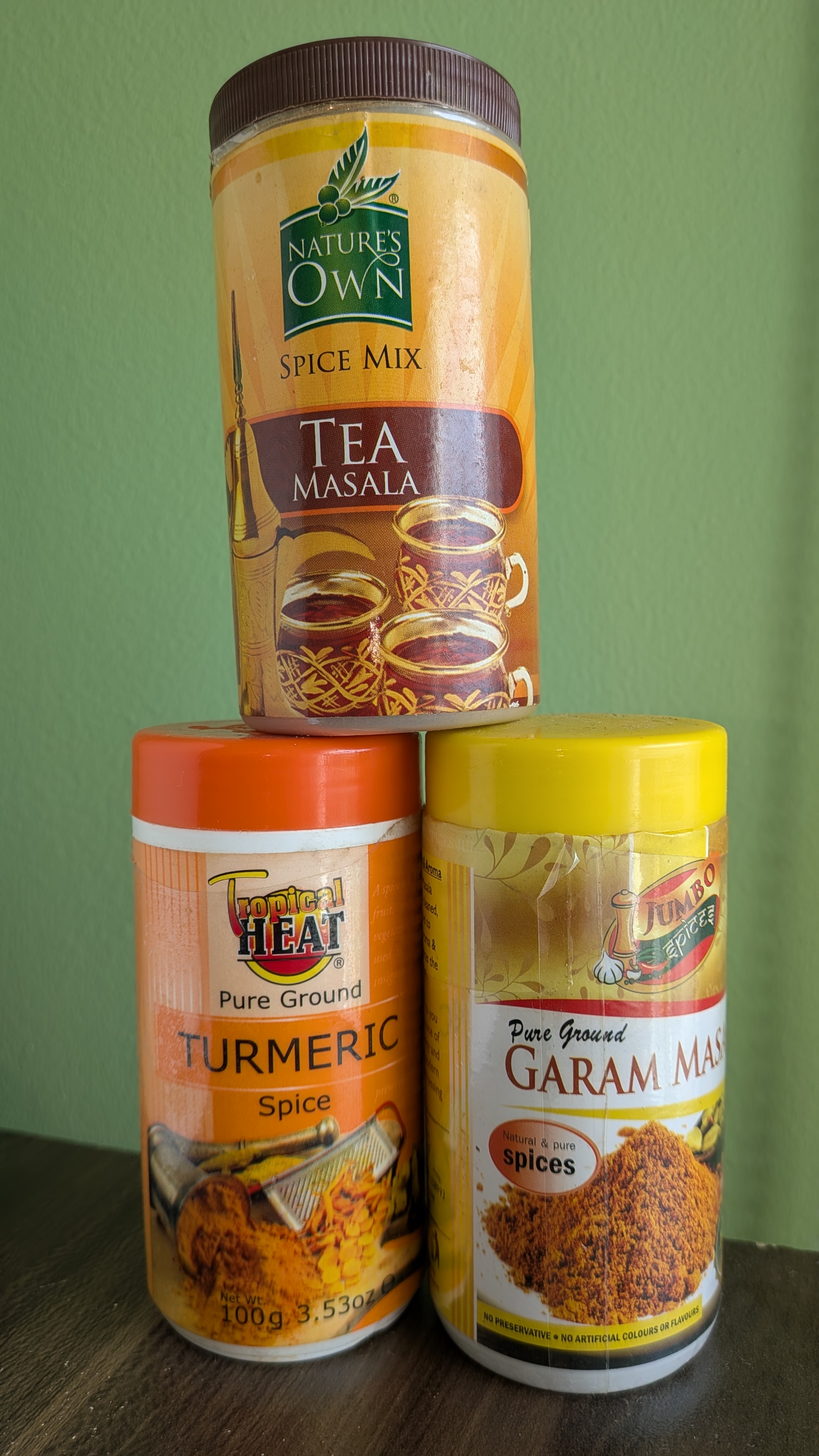
Every cook knows the moment. You shake a familiar spice into a dish, taste it, and find nothing there.
The jar is not empty. The spice inside has simply gone quiet.
Spices do not spoil the way milk does. They fade. The flavor leaves the jar a little at a time, carried off by air, heat, light, and moisture, until only colored dust remains.
This article explains why spices lose flavor over time, how long different spices really last, and how storage can slow the loss.
Where spice flavor actually comes from
Spice flavor lives in volatile oils. These are small aromatic molecules inside the spice that evaporate easily. Cuminaldehyde gives cumin its warm earthiness.
Cinnamaldehyde makes cinnamon smell like cinnamon. When you open a fresh jar, those molecules rise into the air and reach your nose before the spice ever hits the pan.
The word volatile does real work here. These compounds evaporate. They oxidize.
They break down with heat, light, air, and time. In most home kitchens, all four attack at once.
"Most spice flavors come from volatile essential oils, small aromatic molecules that evaporate easily. Oxygen, heat, light and moisture cause spices to lose their essential oils and therefore their potency and flavor," said Hooper, a spice expert quoted by EatingWell. The quote captures the whole problem in one sentence.
Flavor is not a fixed property of a spice. It is a stock of fragile molecules, and every day in a bad spot spends some of it.
Grinding speeds the loss. A whole peppercorn or cumin seed keeps its oils locked inside a hard shell. Grinding cracks that shell open and exposes far more surface area to air.
Jennifer Kellison, director of innovation at Frontier Co-op, told EatingWell that grinding starts the clock of a spice's freshness ticking, because cracking open a seed exposes far more surface area to air. That is why a jar of ground cumin fades while the whole seeds beside it hold steady.
How long spices really last
Spices do not become unsafe as they age. They lose potency. The useful question is not whether a spice has expired, but whether it still has flavor worth cooking with.
Southern Living gives a general guide for peak quality: ground spices last 1 to 3 years, whole spices last 2 to 5 years, and dried herbs last 1 to 3 years. Whole spices keep longer because their oils stay sealed inside. Tasting Table adds that whole spices in a sealed bottle can often last an additional 1 to 2 years beyond ground spices, while leafy herbs are far more delicate and fade fastest of all.
Kellison put a similar number on whole spices in EatingWell, saying cooks get a longer life out of whole spices, up to three years. The ranges differ slightly by source because storage conditions matter as much as the calendar. A sealed jar in a cool cabinet beats an open jar beside the stove by a wide margin, whatever the label says.
The stove rack is the classic trap. It looks organized and keeps spices within reach. It also sits in the warmest, steamiest spot in the kitchen.
Allrecipes reports research finding that spices stored near the stove can lose up to half their aromatic compounds in as little as six months, while the same spices kept in a cool, dark cabinet still smelled alive after a year. Every time you boil water, steam and heat rise directly into those jars. The oils loosen, and a little more aroma slips away for good.
Opened containers lose potency about three times faster than sealed ones, according to the same report, regardless of the date on the label. Light and humidity destroy spice flavor faster than time alone. The beautiful open rack beside the stove is, by nearly every measure, the worst place for spices to live.
How to tell a spice has faded
Your senses are the best test. Chef Lior Lev Sercarz, owner of New York's spice atelier La Boîte, told Tasting Table that spices do not go bad as such, and that their aroma and flavor are what make them worthwhile. His advice was simple: keep track of when you bought them, use them up, and smell them.
The smell test works in seconds. Open the jar and sniff. A fresh spice smells strong from a few inches away.
A faded spice smells faint, dusty, or like nothing at all. For a second check, rub a pinch between your palms or warm it in a dry pan for a few seconds.
Heat wakes up the remaining oils. If the aroma still does not show up, the spice is spent.
Color is a weaker clue. Some spices keep their color long after their flavor fades. Paprika can still look red when it has lost its punch.
Turmeric stays yellow. Trust your nose over your eyes.
Taste is the final check. A pinch on the tongue should deliver the spice's character: warmth from cumin, bite from black pepper, sweetness from cinnamon. If the taste is flat, woody, or dusty, the jar has done its time.
You do not need to throw faded spices away for safety, since they are not dangerous. You only need to stop expecting them to flavor your food.
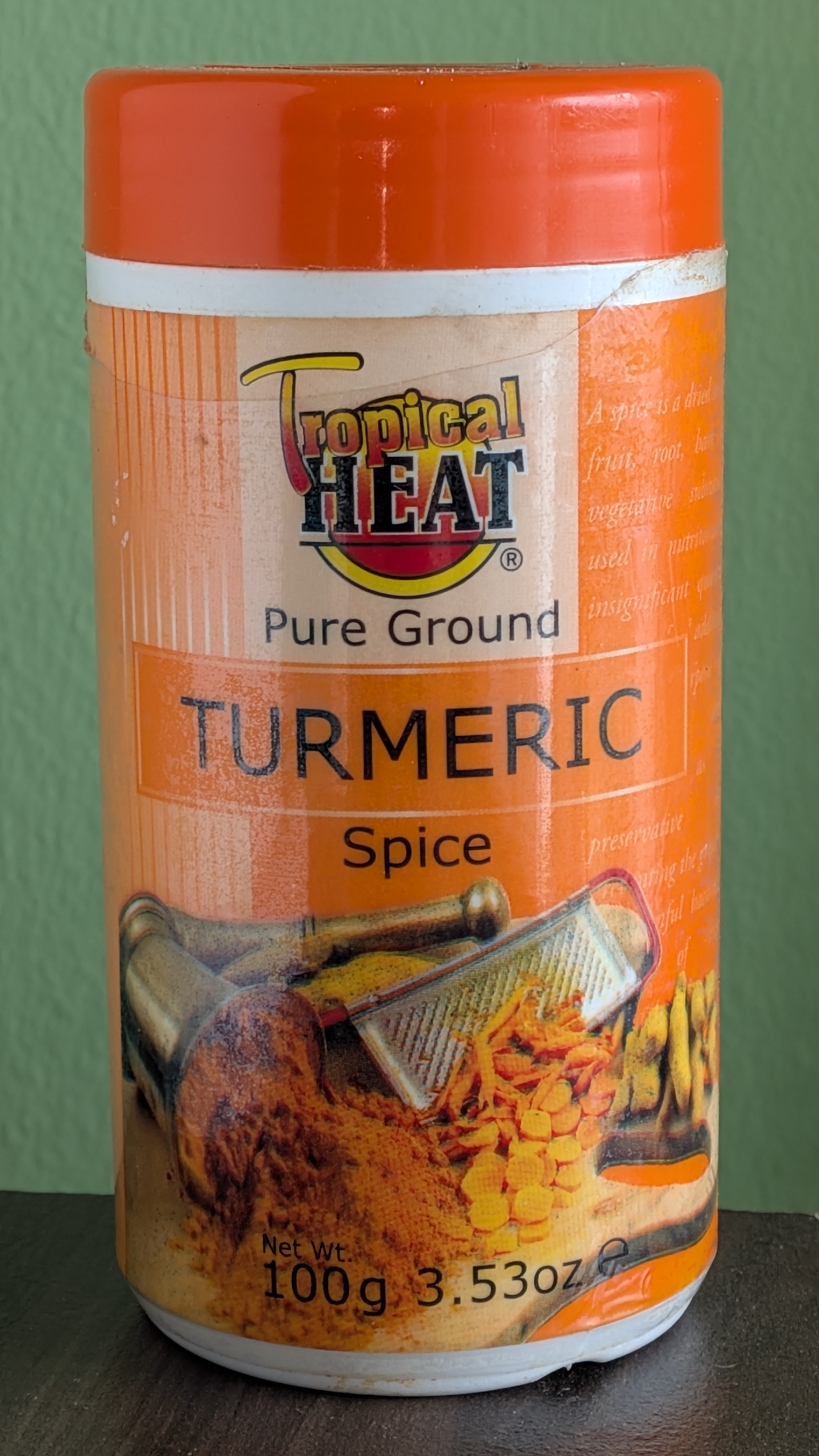
How to store spices so they keep their flavor
The rules are boring, and they work. Keep spices in airtight containers, in a cool, dark, dry place, and buy whole when you can.
Airtight containers matter because air is the main thief. Glass jars with tight-fitting lids or high-quality spice containers keep oxygen out.
The jar a spice comes in usually seals well enough. If you buy from bulk bins or bags, decant the spice into a jar rather than leaving it in a loosely closed bag.
A cool, dark cabinet or a deep drawer beats a countertop rack. The ideal spot stays at room temperature or below, away from the stove, the oven, the dishwasher, and any sunny windowsill. Humidity matters too.
Steam from cooking drifts into open jars, and damp spice clumps and loses flavor faster. Never shake a jar directly over a steaming pot. Spoon the spice out instead, so steam never enters the jar.
Whole spices are the best long-term buy. Whole peppercorns, cumin seeds, coriander seeds, cinnamon sticks, and nutmeg hold their flavor far longer than their ground versions. Grinding them right before they hit the pan gives the freshest taste.
A blade coffee grinder reserved for spices handles most jobs, and a mortar and pestle works for small amounts. A microplane grates nutmeg in seconds.
Buy in amounts you will actually use. A small jar finished within a year beats a bulk bag that sits half-used for three.
Label jars with the purchase date so you can judge age at a glance. When you restock, use the oldest jar first.
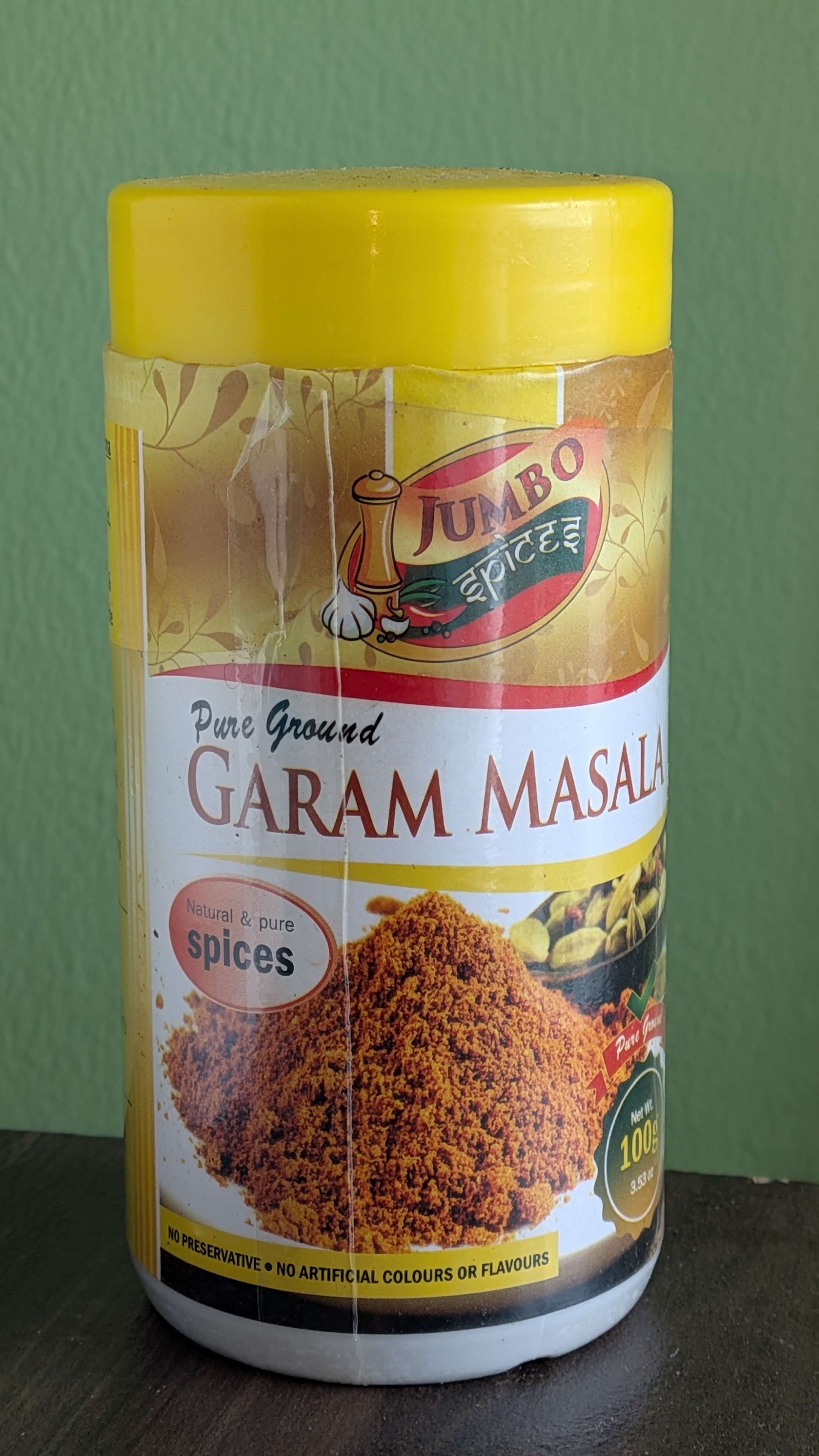
One more habit helps. Keep spice jars away from the light even inside the cabinet.
Amber glass or opaque containers block light that clear glass lets through. If your jars are clear, a closed cabinet door does the same job.
Can faded spices be revived
Partly, but only briefly. Toasting a faded spice in a dry pan can wake up the oils that remain.
A minute over medium heat, shaken often, can bring back some aroma. Blooming spices in hot oil or ghee works the same way, pulling the remaining flavor into the fat.
What toasting cannot do is replace oils that have already evaporated. A spice that smells like nothing will still taste like nothing after toasting. At that point, the honest move is to replace the jar.
There is also a compensation trap. When flavor disappears, cooks often add more spice to make up for it. With salt-heavy blends, that means adding more salt while the flavor never shows up.
The dish ends up over-seasoned and still bland. Fresh spice at the normal amount beats double the amount of a faded jar every time.
The same storage logic applies across the pantry. Potatoes turn green in the light for the same reason spices fade: heat and light drive chemical change.
Sourdough starters and chocolate that seizes when water touches it show the same lesson from the other direction. Ingredients keep their character when they are stored the way their chemistry demands.
FAQ
Do spices expire?
Spices do not spoil or become unsafe in the way fresh food does. They lose potency as their volatile oils evaporate and oxidize.
An old spice is safe to eat but may add little flavor. Judge by smell, not by the date on the label.
How long do ground spices last?
Ground spices hold peak flavor for about 1 to 3 years in a sealed jar kept cool and dark. Opened jars near heat fade much faster, sometimes within months.
Do whole spices last longer than ground?
Yes. Whole spices keep their oils sealed inside, so they last 2 to 5 years, and often 1 to 2 years longer than the same spice ground. Grind just before cooking for the freshest flavor.
Should spices be stored in the fridge?
No, for most spices. Refrigerators add moisture, and taking jars in and out causes condensation.
A cool, dark, dry cabinet or drawer is better. The one exception is chili flakes and paprika in very hot climates, where the fridge can slow flavor loss if the jar is truly airtight.
Why does my spice rack near the stove ruin spices?
Heat and steam from cooking rise straight into jars stored near the stove. Research reported by Allrecipes found such spices can lose up to half their aromatic compounds in as little as six months. A cool, dark cabinet keeps the same spices lively after a year.
The bottom line
Spices lose flavor because their volatile oils evaporate and break down under air, heat, light, and moisture. Ground spices fade within 1 to 3 years, whole spices hold on for 2 to 5, and herbs fade fastest of all. You cannot stop the loss, but you can slow it sharply: airtight jars, a cool dark cabinet away from the stove, whole spices ground fresh, and small quantities bought often.
Smell the jar before you cook. If the aroma is gone, the flavor is gone too, and no amount of shaking will bring it back.
Tags: spices, storage, cooking, pantry
Latest in Food
- Why Potatoes Turn Green and What Solanine Means
- Why Does Sourdough Taste Sour and Where Does the Flavor Come From
- Why Does Whipped Cream Turn to Butter If You Overwhip
- Why Does Chocolate Seize When Water Touches It
Subscribe for one practical food science explainer in your inbox each week.
Related stories

Why Does Bread Go Stale Faster in the Refrigerator?
Bread goes stale faster in the fridge because starch recrystallizes fastest near 4°C. Here is the retrogradation science and the right way

Baking soda and baking powder: what's the difference?
Baking soda is pure sodium bicarbonate; baking powder adds two dry acids for double-acting lift. Learn when to use each, plus exact

What Is the Maillard Reaction in Simple Terms?
The Maillard reaction is the browning chemistry between amino acids and sugars above 140 C that creates the crust, color, and rich flavor