
How to Grow Chillies Indoors All Year Round
Key takeaways
- Chillies need 12 to 16 hours of light a day, steady warmth, and a bright spot or grow light to fruit indoors.
- No insects indoors means you pollinate by hand, moving pollen from flower to flower with a small brush.
- Chillies are perennials, so a cut-back plant can rest over winter and fruit again the next year.
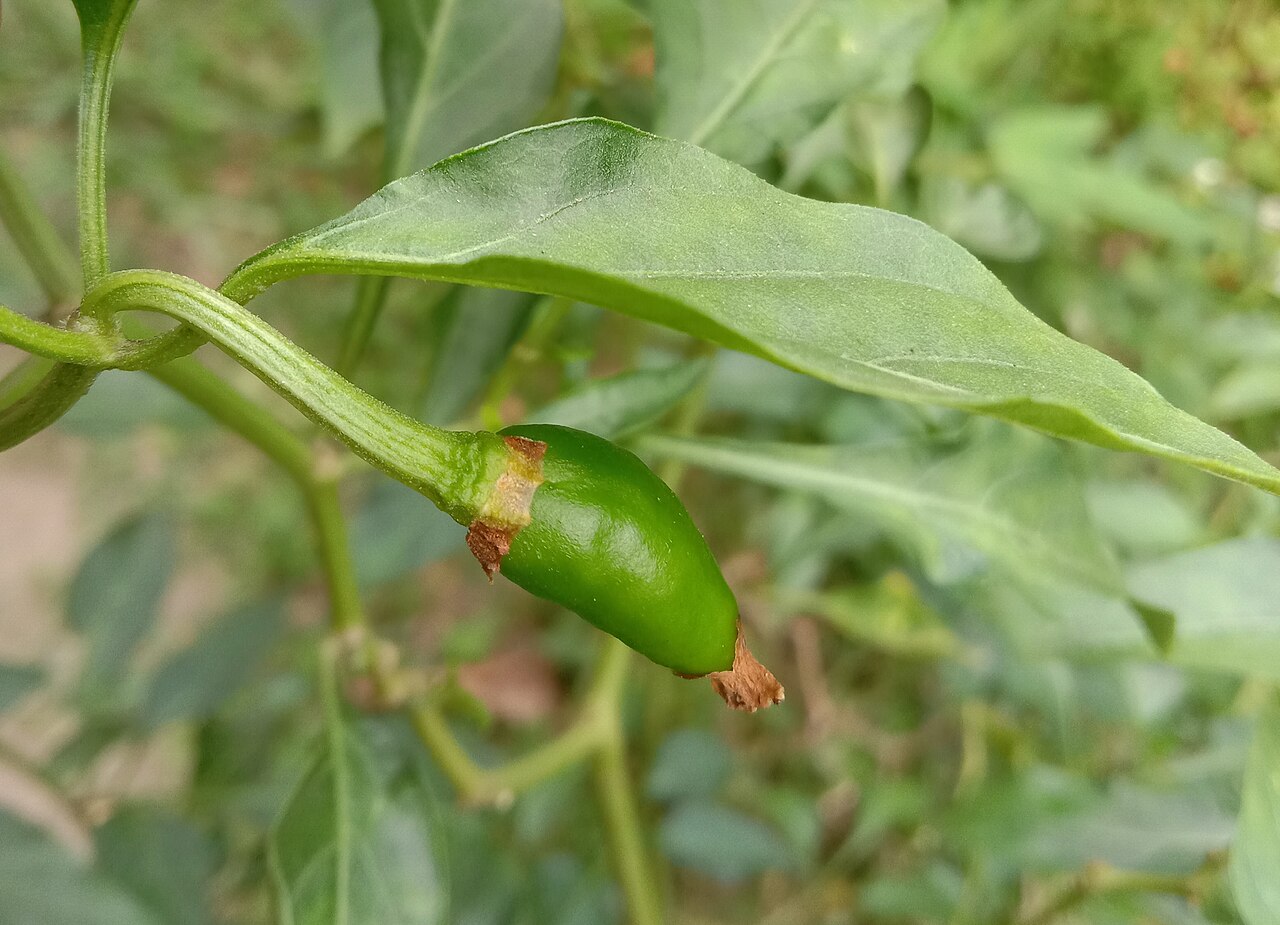
Chillies are heat-loving plants, but they do not need a garden. A sunny windowsill or a small grow light can carry a plant from seed to harvest, then through winter and into a second year of fruit. The trick is to give the plant what the outdoors would: light, warmth, air, and pollination.
This article explains how to grow chillies indoors all year, including the best varieties, light and temperature needs, watering and feeding, hand pollination, and how to overwinter plants for another season.
Pick a variety that fits indoors
Chillies belong to the Capsicum genus, which holds an estimated 2,500 to 3,000 varieties, Plantura reports. For indoor growing, size matters more than heat. A compact plant fruits well in a pot and fits a windowsill.
A tall variety outgrows the space and shades itself.
Good indoor picks include Apache, a compact bushy plant that reaches 30 to 60 cm, and Cayenne, an upright plant at 60 to 90 cm, according to the Sorumatik growing guide. Habaneros grow taller, up to 120 cm, and suit growers with more room.
Start with one or two plants. Two plants give you a backup if one struggles. Seeds from a packet beat seeds from a supermarket chilli, since packet seed carries a known variety.
Sow seeds early and warm
Chillies grow slowly. Plantura warns that many varieties need well over 100 days from sowing to the first harvest, so sow indoors between mid-January and early March. An indoor grower is not tied to that window, since the plant never goes outside, but an early start still gives the longest first season.
Soak the seeds first. Plantura advises placing seeds in lukewarm water for a few hours before sowing, which softens the coat and washes away substances that slow germination. Then press 3 to 4 seeds per small pot into low-nutrient seed compost and cover them with soil.
Chillies need darkness to germinate, so the cover matters.
Warmth drives germination. Plantura puts the target at 20 C or above, with sprouting in about 10 to 20 days. Keep the soil moist but not wet, and vent any propagator lid each day so mould does not take hold.
Once seedlings show their second pair of leaves, move each one to its own pot. Plantura calls this pricking out. Handle the seedlings by their leaves, not their stems, and settle them into fresh, richer compost.
Light: the factor that decides everything
Light is the most common reason indoor chillies fail. A plant on a dim shelf grows leggy, drops flowers, and sets little fruit. Chillies want 12 to 16 hours of light a day, the Sorumatik guide states.
A south-facing window gives the most natural light. An east or west window can work if it delivers at least five hours of direct sun, Plantura notes.
When daylight falls short, use a grow light. A full-spectrum LED panel hung 15 to 30 cm above the plant gives steady light through winter, per the Sorumatik guide. The Hot Pepper forum notes that fluorescent lights need a longer day, about 15 to 16 hours, because they are weaker than modern LEDs.
Keep lights close to the leaves, but watch the heat, since a lamp that sits too near can scorch foliage and dry the air.
Turn the pot a quarter turn every few days. The plant leans toward the light, and rotation keeps growth even. If the stem stretches long and pale between leaves, the plant needs more light.
Temperature, humidity, and air
Chillies like steady warmth. The Sorumatik guide sets daytime temperatures at 21 to 27 C, with nights no lower than 18 C. Humidity near 50 to 60 percent suits them.
Dry air in heated homes makes plants wilt, Plantura warns, and low humidity can cause flowers to drop.
A few simple moves fix dry air. Set the pot on a tray of pebbles with water, or place a bowl of water near the radiator. Do not let the pot sit in standing water, since wet roots rot.
Airflow matters indoors. A small fan on low speed mimics an outdoor breeze, which strengthens stems and cuts disease risk.
Temperature also controls fruit set. The Hot Pepper guide lists flower drop when night temperatures pass 24 C, and best flower set when day and night temperatures sit between 16 C and 21 C. A room that stays hot all night can drop its flowers even when the plant looks healthy.
Pots, soil, and watering
A pot of at least 6 litres suits a fruiting chilli, Plantura states, and it must have a drainage hole. The Hot Pepper guide prefers pots of 10 inches or larger, while noting that smaller pots simply grow smaller plants. Start seedlings in small pots and move them up as they grow, rather than dropping a tiny plant into a huge pot where the soil stays wet.
Use a loose, nutrient-rich mix. The Sorumatik guide suggests potting soil with perlite and compost, at a pH of 6.0 to 7.0. Plantura puts the sweet spot near 6.5 for potted plants.
A layer of drainage material at the base helps, but the drainage hole does the real work.
Water by feel, not by calendar. The Sorumatik guide advises watering when the top 2 to 3 cm of soil feels dry. The Hot Pepper guide goes further: wait until the plant just starts to wilt.
Overwatering causes root rot, which is the fastest way to kill an indoor chilli.
Feeding through the fruiting season
Chillies are hungry plants. Once seedlings have fed for about four weeks in fresh compost, start a diluted liquid feed. The Sorumatik guide suggests a balanced, high-potassium feed, such as tomato fertilizer, every 10 to 14 days during the growing season.
Switch feeds as the plant changes. The Hot Pepper guide advises a fertilizer higher in nitrogen during early leafy growth, then a tomato food high in phosphorus and potassium once the plant reaches the size you want.
Ease off in winter. If the plant slows down under short days, cut feeding back and let it rest. A plant that keeps pushing soft growth in dim winter light grows weak stems and invites pests.
Hand pollination: the indoor step you cannot skip
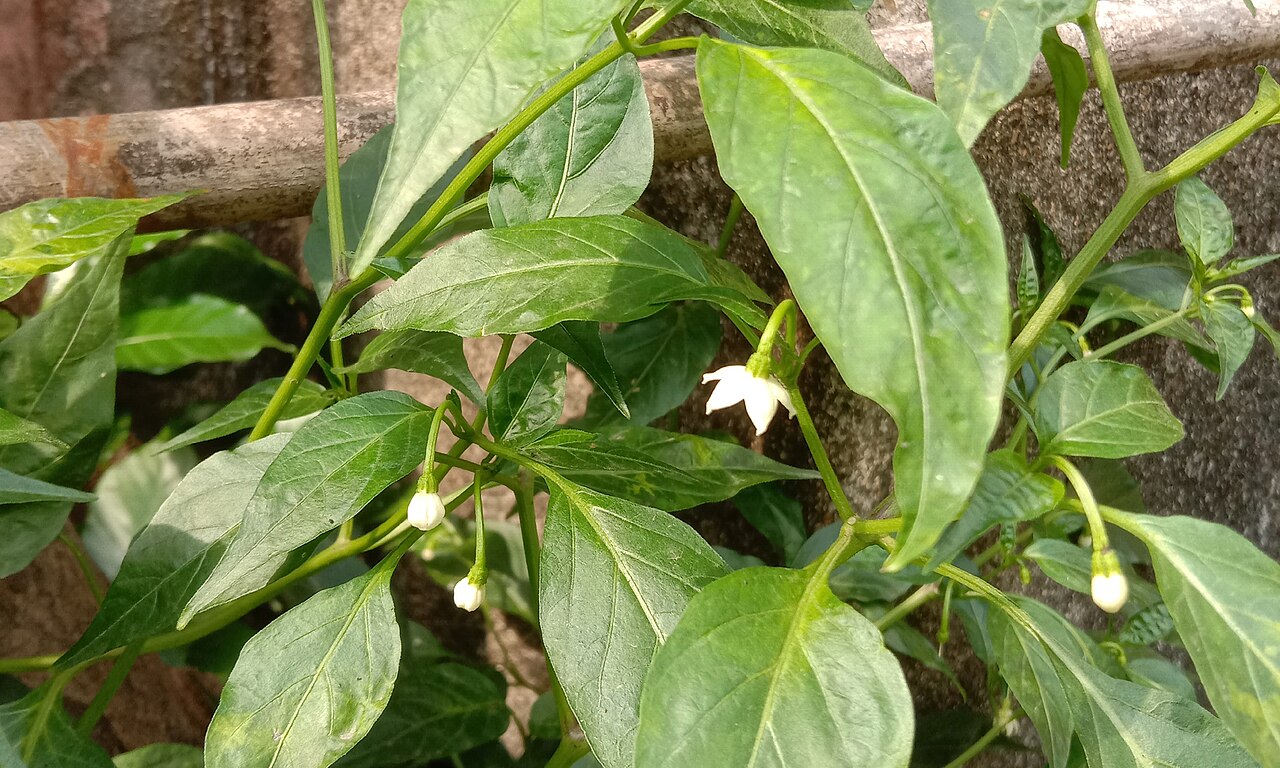
Outdoors, insects and wind move pollen. Indoors, nobody does. Plantura states that growers must pollinate by hand to get fruit, using a small brush or a soft paintbrush to carry pollen from flower to flower.
The method is simple. Each day, while flowers are open, touch the brush to the center of one flower, then to the next, moving around the plant. You can also tap or gently shake the stem so pollen falls onto the stigma.
The Sorumatik guide suggests shaking plants or using a small brush, since bees are not around to help indoors.
Watch the flowers. If blooms open and drop without setting fruit, check light, temperature, and pollination in that order. Flowers that drop in good light and warmth usually need a steadier hand with the brush.
Pests and common problems
Indoor plants escape most outdoor pests, but aphids and spider mites love still, warm rooms. The Sorumatik guide advises wiping leaves with soapy water or using neem oil, and raising humidity to deter mites. Check leaf undersides weekly, since colonies start there.
Yellow leaves usually mean overwatering or a lack of feed. Check the soil first. If it feels wet, hold off watering and let it dry.
Slow growth almost always means low light. Move the plant closer to the window or add grow-light hours before changing anything else. Leggy stems, small leaves, and few flowers all point the same way.
Flower drop has several causes: low humidity, temperature swings, or missed pollination. Fix the easiest first, then watch the next round of flowers. One bad week of blooms does not doom the plant.
Overwintering for a second year
Chillies are perennials, which means a healthy plant can live and fruit for more than one year. That is the real secret to growing chillies indoors all year: you do not restart from seed each spring unless you want to.
As days shorten, the plant slows down. Reduce watering, stop feeding, and let it rest in a bright, cool spot. The Hot Pepper guide describes cutting plants down to a 4-inch stump at the end of the growing season.
The next year's growth comes back bushy, with higher yields, though pod size may shrink.
Do not cut back a plant that still holds fruit you want to ripen. Let those pods finish, then prune. Keep the stump in light and water it sparingly through winter.
Second-year plants often fruit earlier than seedlings, since the root system is already built. Keep the same pot or move up one size in spring and return the plant to its brightest spot.
Frequently asked questions
Can chillies really grow indoors all year?
Yes, with enough light and warmth. Plantura confirms that all chilli species suit indoor cultivation, with smaller varieties preferred for space. A grow light covers winter, and hand pollination replaces insects.
How much light do indoor chillies need?
About 12 to 16 hours a day, per the Sorumatik guide. A south-facing window plus a grow light in winter covers most homes. Fluorescent lights need the longer end of that range, about 15 to 16 hours.
Why do my chilli flowers drop without setting fruit?
Common causes are hot nights above 24 C, low humidity, dim light, or missed pollination, per the Hot Pepper and Sorumatik guides. Check temperature and light first, then pollinate daily while flowers are open.
How often should I water indoor chillies?
When the top 2 to 3 cm of soil feels dry, the Sorumatik guide advises. Water deeply until it drains, then empty the saucer. Overwatering causes root rot, so err on the dry side.
Should I cut my chilli plant back in winter?
Yes, once fruit has finished. The Hot Pepper guide describes cutting to a 4-inch stump, after which the plant regrows bushy the next year. Reduce water and stop feeding while it rests.
The bottom line
Grow chillies indoors by giving them what summer gives: long bright days, steady warmth, moist but not wet soil, and a daily hand with pollination. Sow early, feed through the fruiting season, and cut the plant back to rest over winter. A plant treated this way can fruit year after year from the same windowsill.
Tags: chillies, indoor gardening, vegetables, houseplants
Latest in Gardening
- Why tomato leaves curl and how to fix it
- How to plant garlic in autumn for a summer harvest
- How to fix a patchy lawn and bare spots
- How to grow carrots in containers without forked roots
Subscribe for one practical gardening guide in your inbox each week.
Related stories

What Is Companion Planting and Does It Work?
Marigolds work as a nematode cover crop, but the basil flavor claim failed repeated tests. An honest evidence review of what companion

Determinate vs. indeterminate tomatoes: growth, pruning, and harvest differences
Determinate tomatoes grow to a set size and ripen all at once, while indeterminate types vine all season. That one difference shapes

How to improve clay soil for gardening
Gypsum will not fix ordinary clay soil, say extension experts. What actually works: 2 to 3 inches of compost, mulch, better drainage,