
Why leaves change colour in autumn, explained simply
By Rive News / Research desk | Rive News / Published October 28, 2026 at 9:00 AM PKT
Key takeaways
- Summer leaves already contain yellow and orange pigments, hidden under dominant green chlorophyll.
- Red and purple colours are different: many trees manufacture them fresh in autumn.
- Shortening days trigger the change, while weather fine-tunes how vivid it becomes.
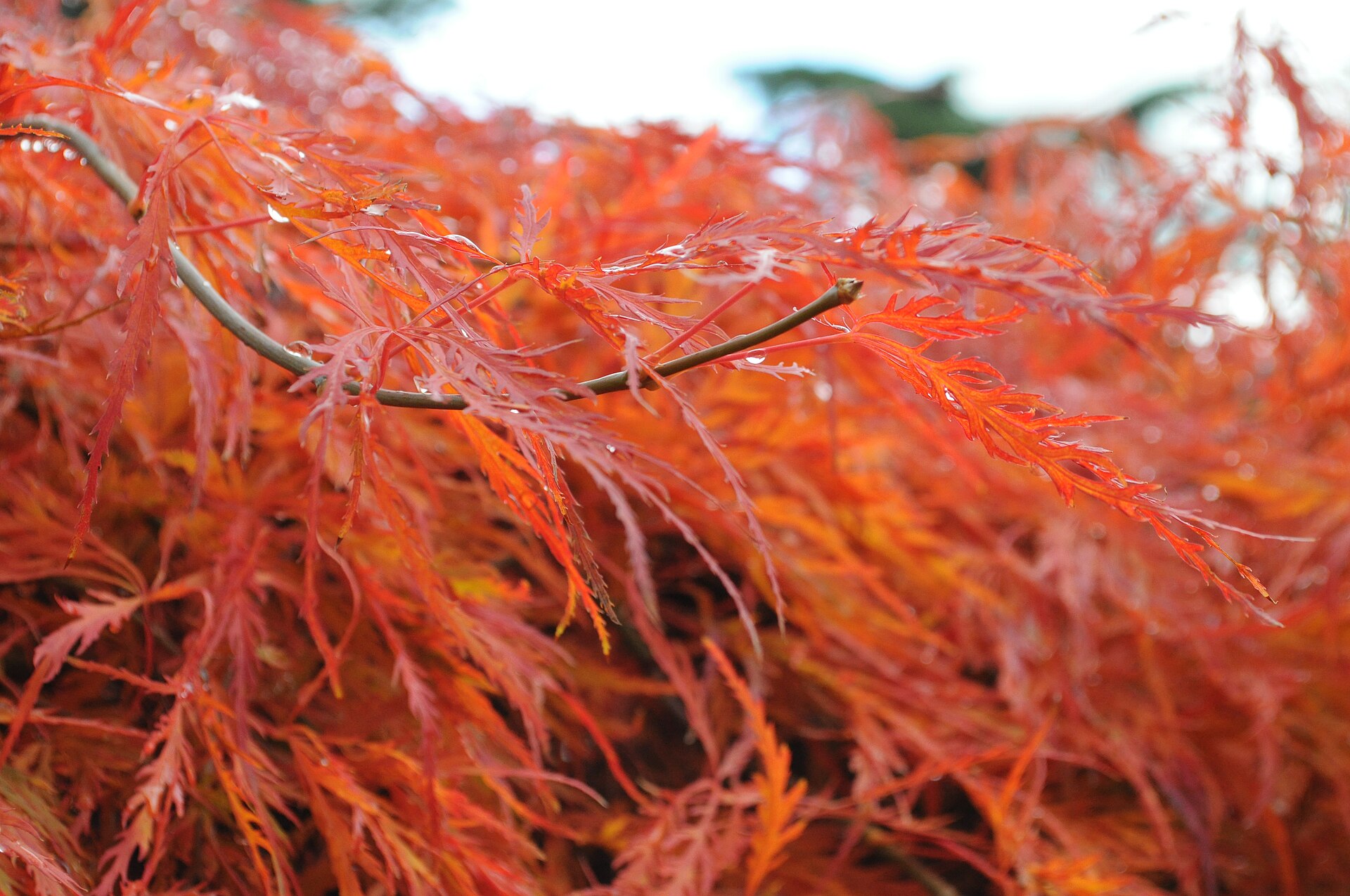
[Japanese maple foliage in autumn in Seattle, Washington.] Photograph: Joe Mabel
Image Credits: Wikimedia Commons
Every autumn, green canopies turn gold, orange, and red, as if someone had repainted the trees overnight. The truth is more economical than that.
Most of the colour was already there, hidden. The rest is made fresh in the final weeks before the leaves fall.
This article explains why leaves change colour in autumn, including chlorophyll, carotenoids, anthocyanins, and tannins, and it covers what sets the timing and why some years blaze while others fade.
Green is a mask, not the whole story
Chlorophyll is the green pigment that lets leaves capture sunlight for photosynthesis. During the growing season, it converts carbon dioxide and water into sugars that feed the tree. Forestry England explains that chlorophyll absorbs blue and yellow wavelengths from light but reflects green, which is why leaves look green to us.
That green is so dominant that it hides other pigments present in the leaf all summer. Yellow xanthophylls and orange carotenoids are there from the start, helping the leaf capture light, but they are masked by the sheer amount of chlorophyll. Carleton College's arboretum notes that corn and carrots owe their colours to the same carotenoid family.
So the first part of autumn colour is not creation but revelation. When chlorophyll fades, the colours underneath finally show. That is why birch, aspen, ginkgo, and hickory turn reliably golden yellow each year: their yellow pigments were waiting all along.
Short days start the countdown
The main trigger for the change is day length, not cold. As days shorten in autumn, trees stop making chlorophyll and begin dismantling what remains. Carleton College explains that shorter days and colder weather cut off the nutrient supply to the leaves, and that nitrogen and phosphorus in the leaves are reabsorbed into branches and twigs for winter storage.
That recovery is the point of the whole process. Leaves are temporary structures, and a tree that simply let them fall would lose valuable nutrients. Instead, it runs a regulated ageing process called senescence, breaking down chlorophyll and pulling useful materials back into the wood before the leaf drops.
Temperature and moisture adjust the timing, but they do not set the clock. That is why peak colour arrives at roughly the same time each year in a given place, and why it moves from north to south and from high ground to low ground through the season.
Yellow and orange are revealed
Once chlorophyll production stops, the green fades because chlorophyll is chemically unstable and breaks down without replacement. The yellow and orange carotenoids, which are more stable, remain behind and become visible. Forestry England describes this as a three-phase process: green, then yellow, then fiery red.
The shade a tree shows depends on which pigments it carries and in what amounts. A tree rich in xanthophylls turns clear yellow.
A tree with a mix of carotenoids turns orange or gold. Mixtures of pigments produce the varied shades that make a hillside look painted rather than uniform.
This also explains why yellow is the most reliable autumn colour. It requires no new work from the tree, only the removal of the green mask. A healthy tree with a good summer of photosynthesis will usually deliver a solid yellow display, even in a year when reds disappoint.
Red and purple are made fresh
Red is a different story. Anthocyanins, the pigments behind red, purple, and crimson leaves, are mostly produced in autumn itself, not revealed from summer stores. The United States Department of Agriculture guidance, as summarised by foliage researchers, links their production to bright light and sugars trapped in the leaf as its stem seals off.
Forestry England notes that reds appear in years when lots of sunlight and dry weather have raised sugar concentrations in tree sap. The tree then releases anthocyanins in an effort to capture the last energy from its leaves before winter. Eni Scuola adds that the most intense colours appear when autumn days are sunny and nights are fairly cool but not freezing.
Why a tree spends energy making pigment just before dropping the leaf is still debated. One leading idea is that anthocyanins act as sunscreen, protecting the leaf while the tree pulls nutrients back out of it. Bright light on a leaf that is shutting down could otherwise damage the machinery doing that recovery work.
Trees famous for red include red maple, sugar maple, flowering dogwood, staghorn sumac, and black gum. The same tree can look different from year to year, because anthocyanin production depends on that year's light, temperature, and sugar levels.
Brown is what remains
Brown comes last, and it is the least glamorous part of the display. Tannins are brown compounds that remain after the brighter pigments break down. Oaks and beeches are rich in tannins, which is why they finish in russet, bronze, and tan rather than bright scarlet.
Young American beech and many oaks hold their dry, brown leaves on the branches well into winter. That habit, called marcescence, is a separate trait from colour production, but it extends the brown phase long after other trees are bare.
Drought and disease can also push leaves to brown early. A stressed or sick tree may change colour sooner than its neighbours, and drought can cause leaves to brown and shrivel rather than colour vividly. Brown in August is usually a stress signal, not an early autumn.
The leaf finally lets go
Colour change and leaf fall are linked but separate processes. At the base of each leaf stem, a layer of cells called the abscission layer slowly forms. It shuts down the flow of water and nutrients, seals the branch, and eventually lets the leaf detach cleanly.
That seal is also what traps sugars in the leaf and helps drive anthocyanin production in red species. Once the layer is complete, the leaf falls, and the tree enters dormancy with its recovered nutrients stored in wood and roots.
Not all trees follow this pattern. Evergreens keep their needles through winter, protected by waxy coatings and antifreeze-like compounds. One exception is the larch, or tamarack, which turns brilliant yellow and drops its needles like a broadleaf tree.
Why some years blaze and others fade
The best autumn displays need a particular combination: a healthy, well-watered summer, followed by sunny days and cool but not freezing nights. Sunlight drives sugar production, cool nights trap those sugars in the leaf, and the combination favours anthocyanin production.
Warm nights and overcast days dull the display. If nights stay warm, sugars keep moving out of the leaf instead of accumulating, and red production drops. Heavy rain or early frost can cut the season short, knocking leaves off before they reach peak colour.
That variability is why foliage forecasts are estimates, not promises. Day length sets the broad window, but the weather in the final weeks decides whether that window delivers a blaze or a muted fade.
Frequently asked questions
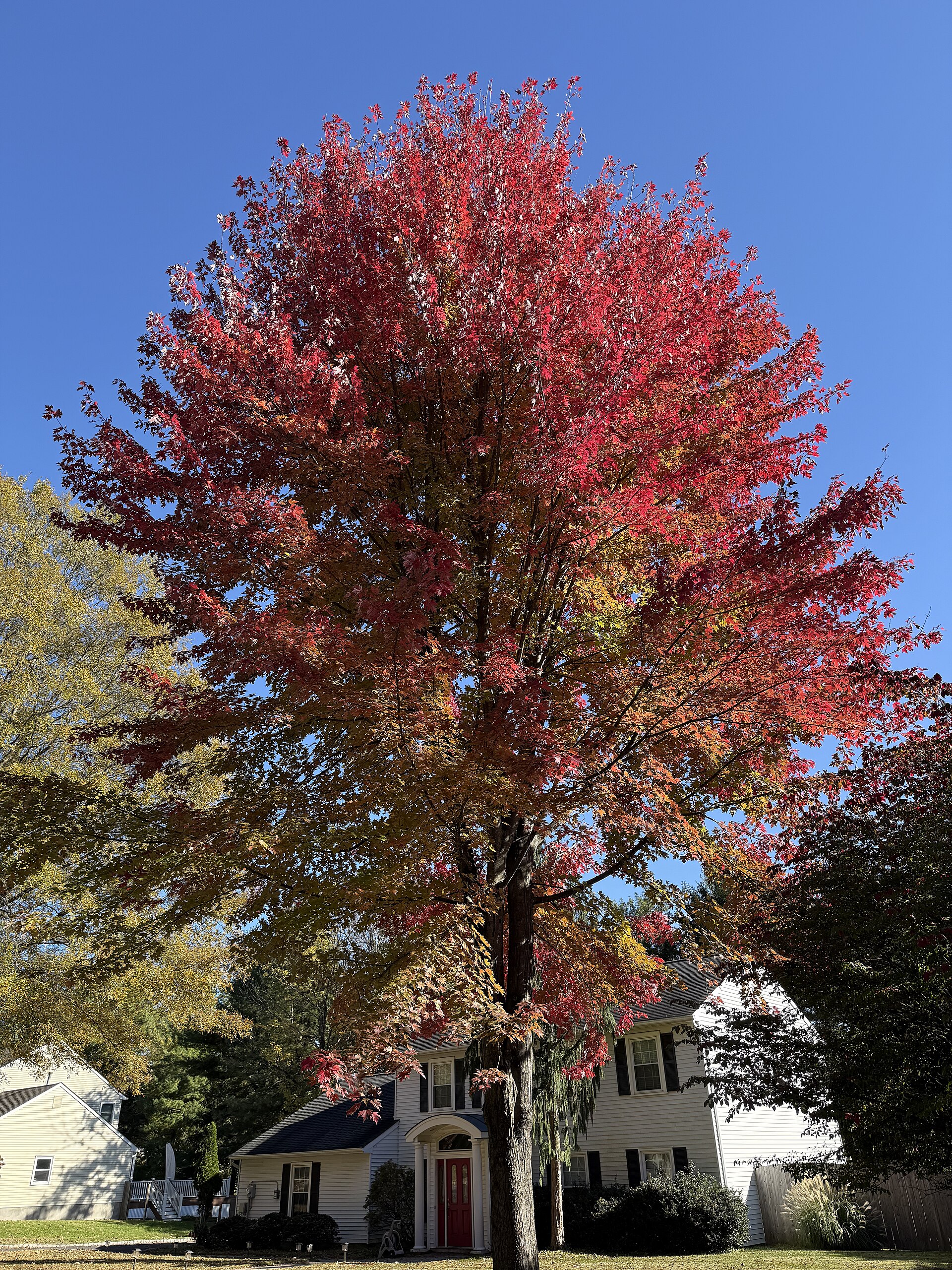
[Freeman's maple leaves changing colour in autumn in New Jersey.] Photograph: Famartin
Image Credits: Wikimedia Commons
Do leaves change colour because of cold weather?
Cold plays a part, but shortening days are the main trigger. Trees respond to the reliable seasonal signal of day length, with temperature and moisture fine-tuning the timing and intensity. A warm autumn still brings colour, though it may be less vivid.
Why do some trees turn red and others yellow?
Yellow and orange come from carotenoid pigments present all summer and revealed when chlorophyll fades. Red and purple come from anthocyanins that many trees make fresh in autumn. Species differ in which pigments they carry and whether they can produce anthocyanins at all.
Why are autumn colours different every year?
Anthocyanin production depends on sunlight, temperature, and sugar levels in each particular autumn. Sunny days and cool nights favour vivid reds, while warm nights and overcast days mute them. Yellow is more consistent because it needs no fresh pigment production.
Do evergreen trees change colour in autumn?
Most evergreens keep their needles, which are protected against cold and water loss. The larch is a notable exception: it turns yellow and drops its needles each autumn, behaving like a deciduous tree despite its needle shape.
The bottom line
Autumn colour is a story of removal and fresh manufacture, not of paint. Shortening days stop chlorophyll production, the green mask fades, and yellow pigments that were present all summer finally show.
Some trees then go further, making red anthocyanins from trapped sugars in the leaf's final weeks, while tannins leave oaks and beeches brown at the end. Weather decides how vivid the result is, which is why the same tree can blaze one year and fade the next. Behind the display is a practical job: recovering nutrients before winter, so the tree can leaf out again in spring.
Tags: autumn leaves, leaf colour, trees, gardening
The Rive News research desk covers everyday science and gardening from published institutional sources, without first-hand testing claims.
Related
- Why fallen leaves make good mulch, but not all leaves
- How day length triggers plants to flower
- What to plant in autumn for spring flowers
- Why the leaves on my plants are turning yellow
Subscribe to the Rive News newsletter for one clear explainer each morning.
Rive News publishes general information from named public sources. Corrections are welcomed and checked against those sources.
Related stories
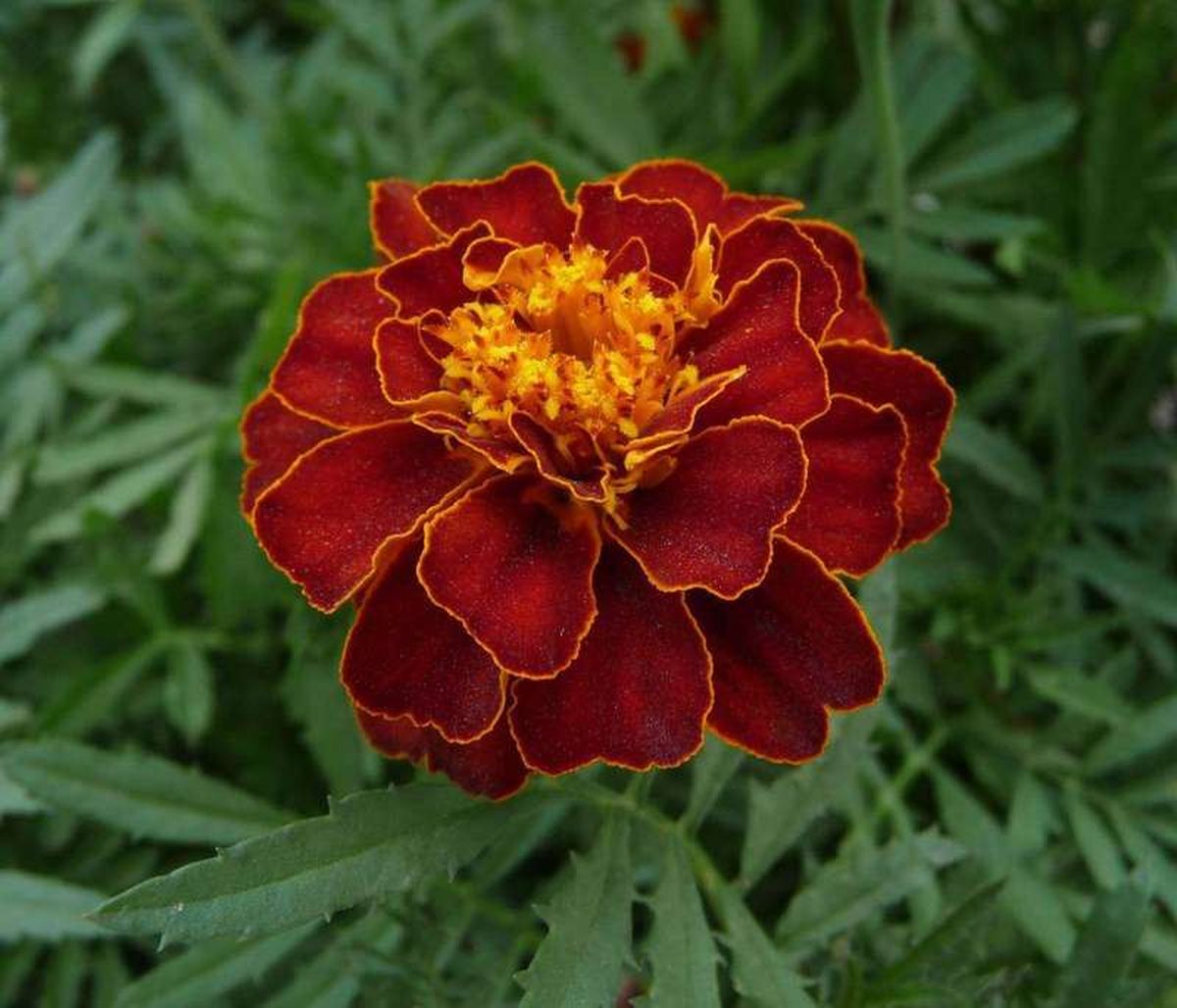
What Is Companion Planting and Does It Work?
Marigolds work as a nematode cover crop, but the basil flavor claim failed repeated tests. An honest evidence review of what companion
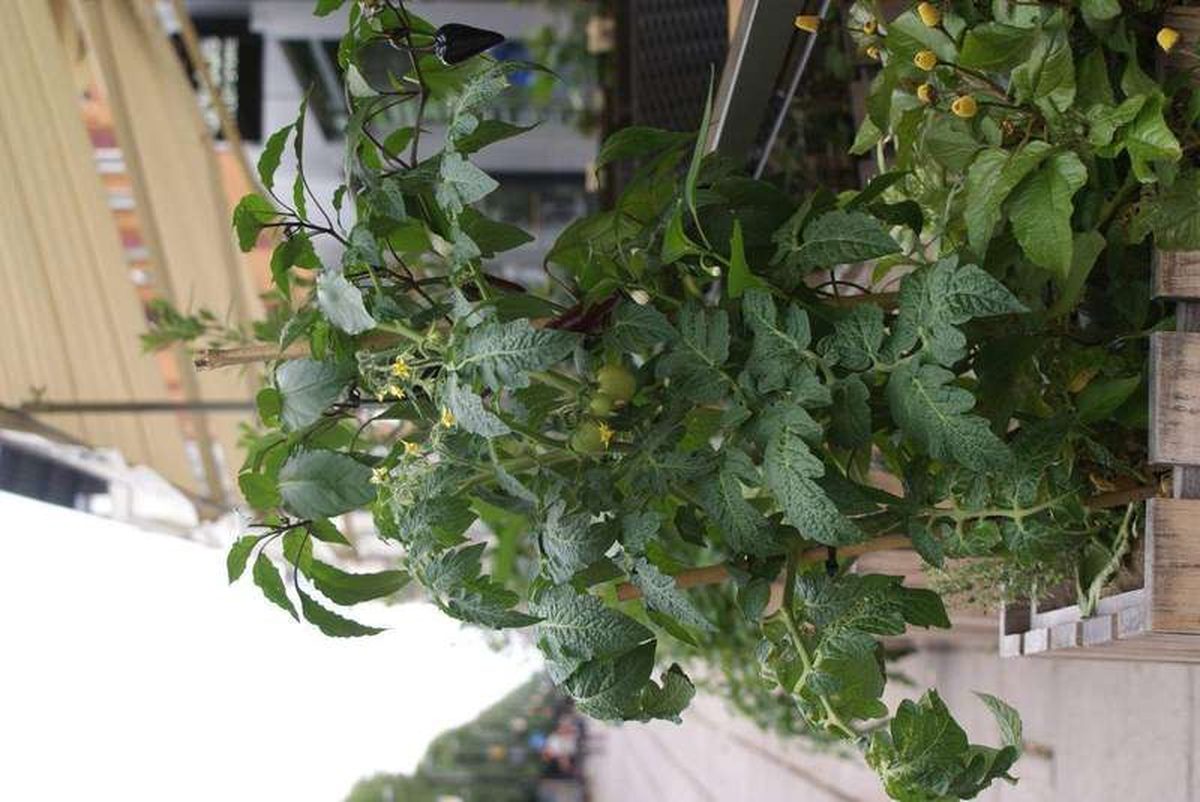
Determinate vs. indeterminate tomatoes: growth, pruning, and harvest differences
Determinate tomatoes grow to a set size and ripen all at once, while indeterminate types vine all season. That one difference shapes
How to improve clay soil for gardening
Gypsum will not fix ordinary clay soil, say extension experts. What actually works: 2 to 3 inches of compost, mulch, better drainage,