
Why Does Lettuce Bolt in Summer Heat? Day Length Explains
Key takeaways
- Bolting is lettuce switching from leaf growth to flowering, driven mainly by accumulating day length past about 14 hours.
- USDA research proved heat alone does not cause bolting: lettuce grown at 90°F under 8-hour days matured without bolting.
- Heat above 75°F accelerates bolting once days are long, and bolted leaves turn bitter from sesquiterpene lactone compounds.
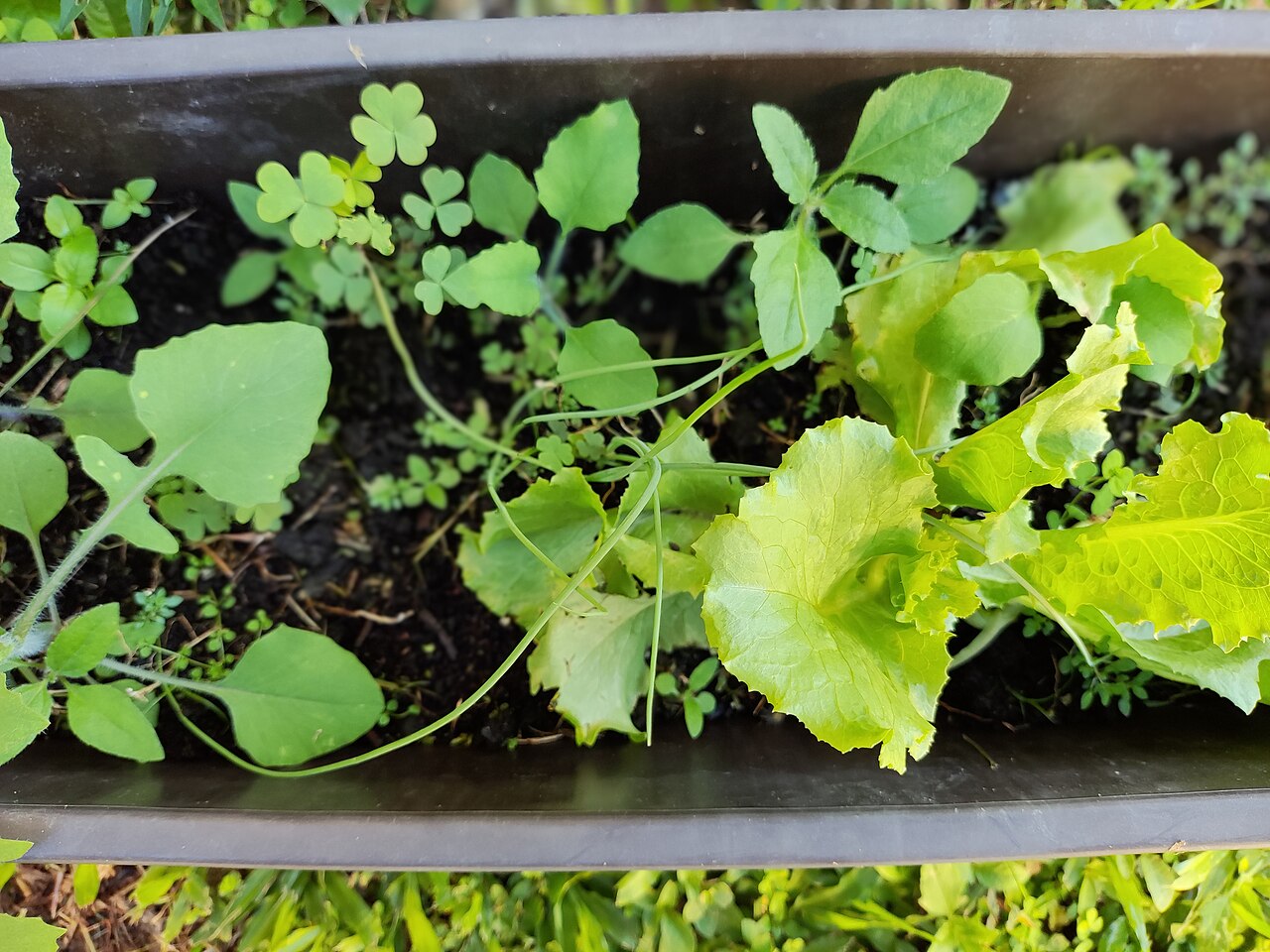
Young lettuce plants in a container. Lettuce is a cool-season crop that interprets long summer days as a signal to flower. Photograph: 999real
Image Credits: Wikimedia Commons / 999real, Geographer, Rainer Zenz
Bolting is the word gardeners use when a leafy crop suddenly sends up a tall central stalk and starts flowering. In lettuce it ruins the harvest, because the leaves turn bitter and tough almost as soon as the stalk begins to rise.
Most gardeners blame the heat, and heat does play a role. But the surprising truth from decades of research is that day length matters more than temperature, and the two are easy to confuse because they rise together in summer.
This article explains why lettuce bolts in summer heat, including what bolting actually is, why day length is the real trigger, how heat speeds the process, why bolted lettuce tastes bitter, and how to keep your crop harvestable longer.
What bolting actually is
Bolting is simply a plant going to seed earlier than the gardener wants. The word is reserved for crops where flowering ruins the harvest, which is why gardeners talk about lettuce, spinach, and cilantro bolting but never say a tomato bolted.
In lettuce, the change is dramatic. The plant abandons its low rosette of leaves and pushes a central stalk upward, sometimes reaching 3 feet tall. Flower buds form at the top, followed by small yellow flowers and then fluffy seed heads.
The shift is hormonal and irreversible. Once the flowering program switches on, no amount of watering, shade, or pleading will turn the plant back into a leaf producer. The only move is to harvest what is still usable, pull the plant, and sow again at a better time.
Timing varies by variety and conditions. Under long summer days, lettuce can go from transplant to flower stalk in as little as 5 to 7 weeks, while the same variety sown in autumn may produce leaves for months.
The real trigger is day length, not just heat
The most important experiment in bolting science was done by William Waycott, a researcher with the United States Department of Agriculture in Salinas, California. In the mid-1990s he grew lettuce in growth chambers where he could control light and temperature independently, and the results overturned the conventional wisdom.
Plants given only 8 hours of light per day grew to full harvest maturity without bolting, even at a steady daytime temperature of 90 degrees Fahrenheit. Heat that should have triggered bolting did nothing when the days stayed short. Waycott concluded that lettuce carries a genetically controlled internal clock that tallies up light hours and flips the flowering switch when the total crosses a cultivar-specific threshold.
The field data matched. Plants grown under short winter days took about 135 days to bolt, while plants under long summer days bolted in about 90 days, regardless of temperature differences. Total day length, not heat, set the schedule.
The original discovery goes back even further. In 1931, German researchers covered field plants to give them different daily light exposures and found that only the plants receiving long daily periods of light bolted normally. The day-length connection has been known for nearly a century, yet the heat myth persists because long days and hot weather arrive together.
The mechanism runs through light-sensing pigments. When day length exceeds roughly 14 hours, phytochrome pigments register the extended light and trigger a hormonal cascade: gibberellin levels rise, flowering repressors fall, and the central stalk starts elongating. Warm nights above about 65 degrees Fahrenheit strengthen the signal, but long days alone can do the job.
This explains the classic spring mystery: lettuce sown in March sometimes bolts in May before any real heat arrives. The plant is not reacting to temperature, only counting light hours. Roses react to heat differently, but in lettuce the calendar of light matters most.
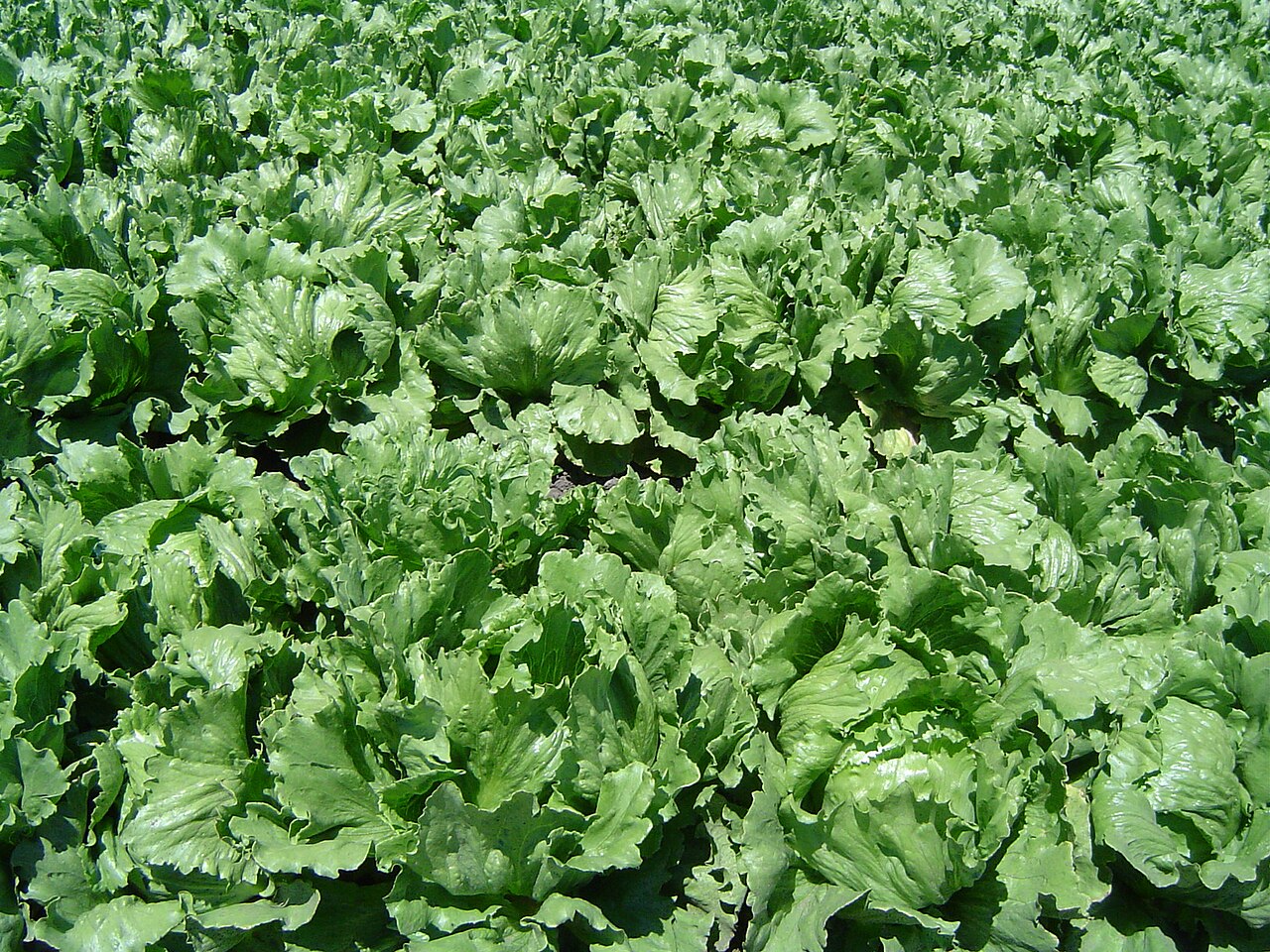
A head of iceberg lettuce. Cool-season varieties like this form heads best when days are short and temperatures stay mild. Photograph: Geographer
How heat still speeds things up
Day length may pull the trigger, but heat squeezes it harder. Once days are long enough to permit bolting, temperature controls how fast the stalk rises.
Sustained daytime heat above roughly 75 degrees Fahrenheit accelerates the hormonal signal that drives the central stalk upward, according to Shuncy. Mild heat in the 70 to 75 range may cause a gradual rise over 2 to 3 weeks, while temperatures consistently above 80 degrees can produce a visible shoot in 5 to 7 days.
Research summarized by Tiny Garden Habit puts a number on the exposure: lettuce bolts when exposed to temperatures above 68 degrees Fahrenheit for more than 8 hours a day for at least 15 days. Some slow-bolting cultivars need more than 30 days of such heat, which is exactly why variety choice matters.
Drought multiplies the effect. Water stress combined with rising temperatures and lengthening days sends lettuce into a bolting frenzy faster than any single factor alone. Keeping soil consistently moist is one of the simplest brakes a gardener has, and plants wilting in heat despite watering shows how stress and temperature interact in other crops too.
Soil temperature matters at both ends of life. Soil above 80 degrees Fahrenheit prevents lettuce seeds from germinating at all, which is why the worst sowing window falls between May and July in most temperate climates. Seeds sown in August heat but maturing through the cool short days of autumn perform far better.
Why bolted lettuce tastes bitter
Bolted lettuce is not poisonous, just unpleasant. As the stalk rises, the plant floods its leaves with bitter compounds called sesquiterpene lactones, molecules built from 15 or more carbon atoms arranged in rings, identified by biochemists as the source of the bitterness.
The bitterness is defense chemistry. A plant investing everything in flowers and seeds protects its tissues with compounds that discourage grazing. The milky sap that oozes from a cut bolted stem is concentrated latex rich in these lactones.
Taste the difference yourself and the change is unmistakable. Sweet, crisp leaves become astringent and harsh within days of the stalk emerging. Some gardeners salvage slightly bolted leaves for cooking, where heat mellows the bitterness, but raw salads are a lost cause.
This is also why stressed but unbolted lettuce can taste slightly bitter on hot afternoons. The plant ramps up the same defensive chemistry under heat stress, a preview of full bolting to come.
How to keep lettuce from bolting
Time your sowings around day length, not just temperature. In most temperate regions, sow in early spring for harvest before days pass 14 hours, then sow again in late summer for autumn harvest under shortening days. Avoid the May to July sowing window unless you have a plan for shade.
Choose slow-bolting varieties. Seed catalogs rate cultivars for bolt resistance, and the difference is real: some need twice the heat exposure to bolt. Batavian types and many looseleaf varieties bred for summer production outperform old-fashioned butterheads in heat.
Shade the crop during peak heat. A 30 to 50 percent shade cloth over the bed during the hottest weeks cuts both temperature and light intensity. Morning sun with afternoon shade is the ideal exposure pattern for summer lettuce.
Water deeply and mulch heavily. Consistent soil moisture blunts the drought signal that accelerates bolting, and mulch keeps roots cool. Watering in the morning rather than the evening also reduces disease pressure on stressed plants.
Harvest early and often. Picking outer leaves regularly keeps the plant in vegetative mode a little longer and gets food on the table before the stalk wins. Once the central stem starts elongating, harvest everything usable immediately.
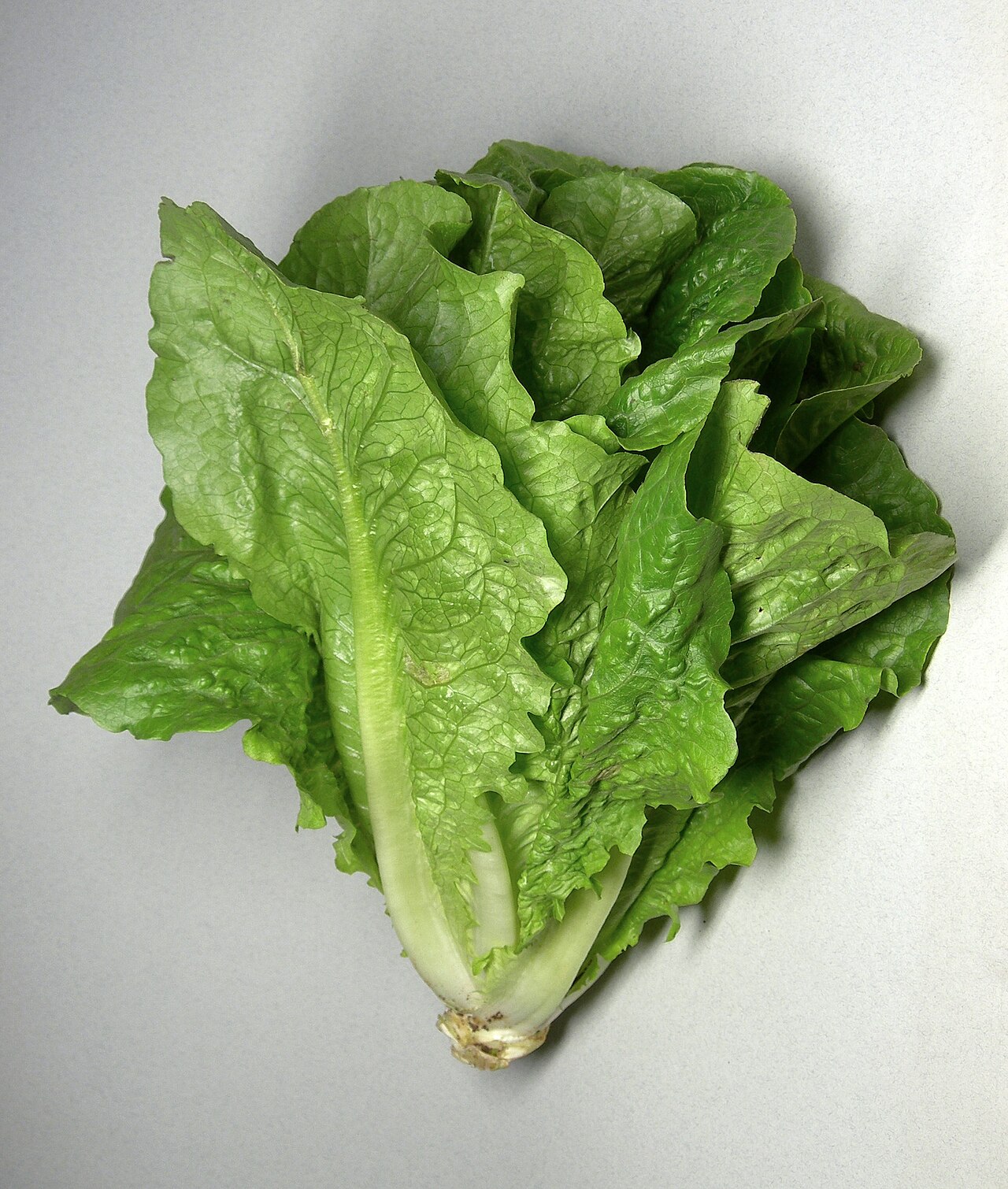
Romaine lettuce. Long-day varieties like many romaines are especially quick to bolt once daylight passes critical thresholds. Photograph: Rainer Zenz
Frequently asked questions
Can you stop lettuce from bolting once it starts?
No. Bolting is a one-way hormonal switch, and once the central stalk elongates the plant will not return to leaf production. Harvest the remaining usable leaves promptly and replant at a better time.
Is bolted lettuce safe to eat?
Yes, it is safe, but it tastes bitter and the texture turns tough. The bitter compounds are sesquiterpene lactones, natural plant defense chemicals. Cooking mellows the flavor somewhat, but most gardeners compost bolted plants.
What temperature makes lettuce bolt?
Heat above about 75 degrees Fahrenheit accelerates bolting once days are long, and exposure above 68 degrees for more than 8 hours daily over at least 15 days can trigger it. But USDA research shows 90-degree heat alone will not bolt lettuce under short 8-hour days.
Which lettuce varieties resist bolting best?
Slow-bolting cultivars, particularly Batavian types and heat-bred looseleaf varieties, need far more heat exposure to bolt than standard butterheads. Check seed catalogs for explicit bolt-resistance ratings when planting for summer.
The bottom line
Lettuce bolts in summer because long days flip a hormonal switch to flowering, and heat accelerates the stalk once the switch is thrown. The USDA's growth-chamber experiments proved the point memorably: 90-degree days could not bolt lettuce that received only 8 hours of light.
Work with the plant's light clock instead of against it. Sow for short-day windows, pick slow-bolting varieties, shade and water through heat waves, and harvest promptly. The gardener who respects day length eats salad all season; the one who only watches the thermometer gets flowers.
Latest in Gardening
- Why roses stop blooming in midsummer heat
- Why tomato leaves turn yellow at the bottom
- Why plants wilt in heat even when watered
- Why morning watering beats evening for plant disease
Get one practical gardening explainer in your inbox each week. Subscribe to the Rive News newsletter.
Related stories
What Is Companion Planting and Does It Work?
Marigolds work as a nematode cover crop, but the basil flavor claim failed repeated tests. An honest evidence review of what companion
Determinate vs. indeterminate tomatoes: growth, pruning, and harvest differences
Determinate tomatoes grow to a set size and ripen all at once, while indeterminate types vine all season. That one difference shapes
How to improve clay soil for gardening
Gypsum will not fix ordinary clay soil, say extension experts. What actually works: 2 to 3 inches of compost, mulch, better drainage,