
Why Do You Get Brain Freeze and Why Pressing Your Tongue Helps
Key takeaways
- A brain freeze is a cold-stimulus headache caused by a rapid temperature drop at the back of the mouth and throat.
- Blood vessels first narrow and then widen quickly, and nerves pass that signal to the forehead.
- Pressing a warm tongue to the roof of the mouth warms the palate and helps end the pain.

A brain freeze is a sudden, sharp headache that follows a cold bite or gulp. It can feel alarming for a few seconds, then it fades on its own. The medical name is sphenopalatine ganglioneuralgia, also called a cold-stimulus headache or an ice cream headache.
The pain is not in the brain itself. It comes from blood vessels and nerves reacting to a fast temperature change in the mouth and throat. That reaction is quick, and so is the recovery.
This article explains what a brain freeze is, why cold food triggers it, why the pain lands in the forehead, why pressing your tongue helps, who gets brain freeze more often, and when a headache needs prompt care.
What a brain freeze actually is
A brain freeze is a type of headache with a clear trigger. Cold food, a cold drink, icy air, or a plunge into cold water can set it off.
The pain can start within seconds of the cold exposure. It often peaks quickly, then eases as the mouth warms back up. The pain sits in the forehead and temple area, and it resolves within 10 minutes after the cold stimulus is removed, according to the International Classification of Headache Disorders (ICHD-3) as reported by Live Science.
Brain freeze is common and short lived. WebMD reports that it goes away on its own in less than 5 minutes. It does not cause lasting harm in the usual case, and it needs no treatment beyond removing the cold trigger and warming the mouth.
Why cold food triggers it
Speed matters more than cold alone. A slow spoonful of ice cream rarely causes trouble, while a fast gulp of a frozen drink drops the temperature at the back of the throat before the mouth has time to adjust. Wake Forest Baptist neuroscientist Dwayne Godwin explained that the mouth is rich in blood vessels, including the tongue, so drinking a cold beverage fast does not give the mouth time to absorb the cold.
The leading account, described by UT Southwestern otolaryngologist Ashley Agan in an August 21, 2023 release from Dallas, is a two-step vessel response. Sudden cold first triggers rapid vasoconstriction, or narrowing of blood vessels, followed by vasodilation, or widening of blood vessels. That rapid swing activates pain receptors in the vessel walls and sends a pain signal through the sensory nerves of the head and face.
That swing looks like a protective reflex. The brain is sensitive to change, and the vessel response may guard the brain against a sudden drop in temperature.
In a May 22, 2013 release from Winston-Salem, North Carolina, Godwin said: "Brain freeze is really a type of headache that is rapid in onset, but rapidly resolved as well."
A 2012 study in The FASEB Journal, reported by Live Science, caught part of this sequence in action. It found that a sudden increase in blood flow and size in the anterior cerebral artery, a vessel that crosses the midline of the brain behind the eyes, may trigger brain freeze pain. When the brain freeze ended, the artery narrowed and blood flow fell, which likely explains why the pain faded.
Why the pain lands in your forehead
The cold starts in the mouth, but the pain shows up in the forehead. That mismatch is called referred pain. Nerves carry the signal from one place, and the brain reads it as coming from another.
The trigeminal nerve plays a central role here. Goldberg told Live Science that when a very cold substance hits the roof of the mouth or the back of the throat, head blood vessels first tighten and then widen fast, stimulating the trigeminal nerve, a group of sensitive nerve fibers behind the nose.
The brain itself has no pain receptors of its own. Its protective membranes, the dura and pia, do contain pain-sensing fibers, and pressure shifts or blood-flow changes can stimulate those membranes and produce pain.
That is why the ache lands in the forehead, temples, behind the eyes, or the back of the nose. WebMD lists those same spots as the usual locations for brain freeze pain. The signal is real, but its address is misleading.
Why pressing your tongue helps
Pressing your tongue to the roof of your mouth works because it adds warmth where the cold started. The tongue is warm and rich in blood vessels. Pressed flat against the palate, it warms the tissue that the cold drink just chilled.
That warmth helps reverse the trigger. The cold caused a fast vessel swing in the back of the mouth and throat, and warming the palate helps the area return toward its normal temperature. Johns Hopkins Medicine recommends removing the cold food or drink and pressing the tongue or a clean thumb to the roof of the mouth to warm it up, as reported by Live Science.
Agan gave the same advice in the UT Southwestern release. When a brain freeze starts, remove the cold trigger and press the tongue or thumb to the roof of the mouth to warm it up. Drinking warm or room-temperature water can help for the same reason, since the goal in each case is to warm the palate, not to numb it.
The trick helps most when it is done early and held for a few seconds. It does not need force, since a flat, steady press puts more warm tongue surface against the palate than a pointed touch. If the first press does not end the pain, the freeze will still fade on its own as the mouth warms.

Other ways to warm the palate
The tongue press is one option, not the only one. Every method below works on the same idea, which is to bring the mouth and throat back to a normal temperature. Like the tongue press, each one is a general comfort measure, not medical treatment.
Stop eating or drinking the cold item for a minute or two, since that alone removes the trigger and gives the mouth time to rewarm. Sipping a warm or room-temperature drink can speed that rewarm, but WebMD advises against anything too hot, since a fresh temperature swing is not helpful.
Pain relievers are rarely useful here. WebMD notes that by the time a common pain reliever starts working, the brain freeze will have worn off. The usual course is seconds to a few minutes, so waiting and warming the mouth is often the fastest path.
Who gets brain freeze more often
Children get brain freeze more often than adults, Agan said. One reason may be pace, since children often eat frozen treats fast and in large bites. WebMD notes that children may be more prone to brain freeze because they have not yet learned to take their time with a cold treat.
People who live with migraine may also be more prone to brain freeze. Goldberg told Live Science that people with migraine often have a sensitive trigeminal nerve, and a cold stimulus can activate that nerve pathway even more. A 2003 study in Cephalalgia surveyed 8,359 school adolescents in Taiwan and found a lifetime prevalence of brain freeze of 40.6 percent, with students with migraine reporting ice cream headache more often than students without migraine, at 55.2 percent versus 39.6 percent.
A 2004 study in Cephalalgia tested the trigger directly with 76 migraine patients and 38 people with episodic tension-type headaches. Cold-stimulus head pain occurred in 74 percent of the migraine group and 32 percent of the other group. A 2002 study in BMJ split 145 middle school students into two groups: 20 of the 73 fast eaters, who finished about a half-cup of ice cream in less than 5 seconds, got a brain freeze, against 9 of the 72 slow eaters, who took more than 30 seconds.
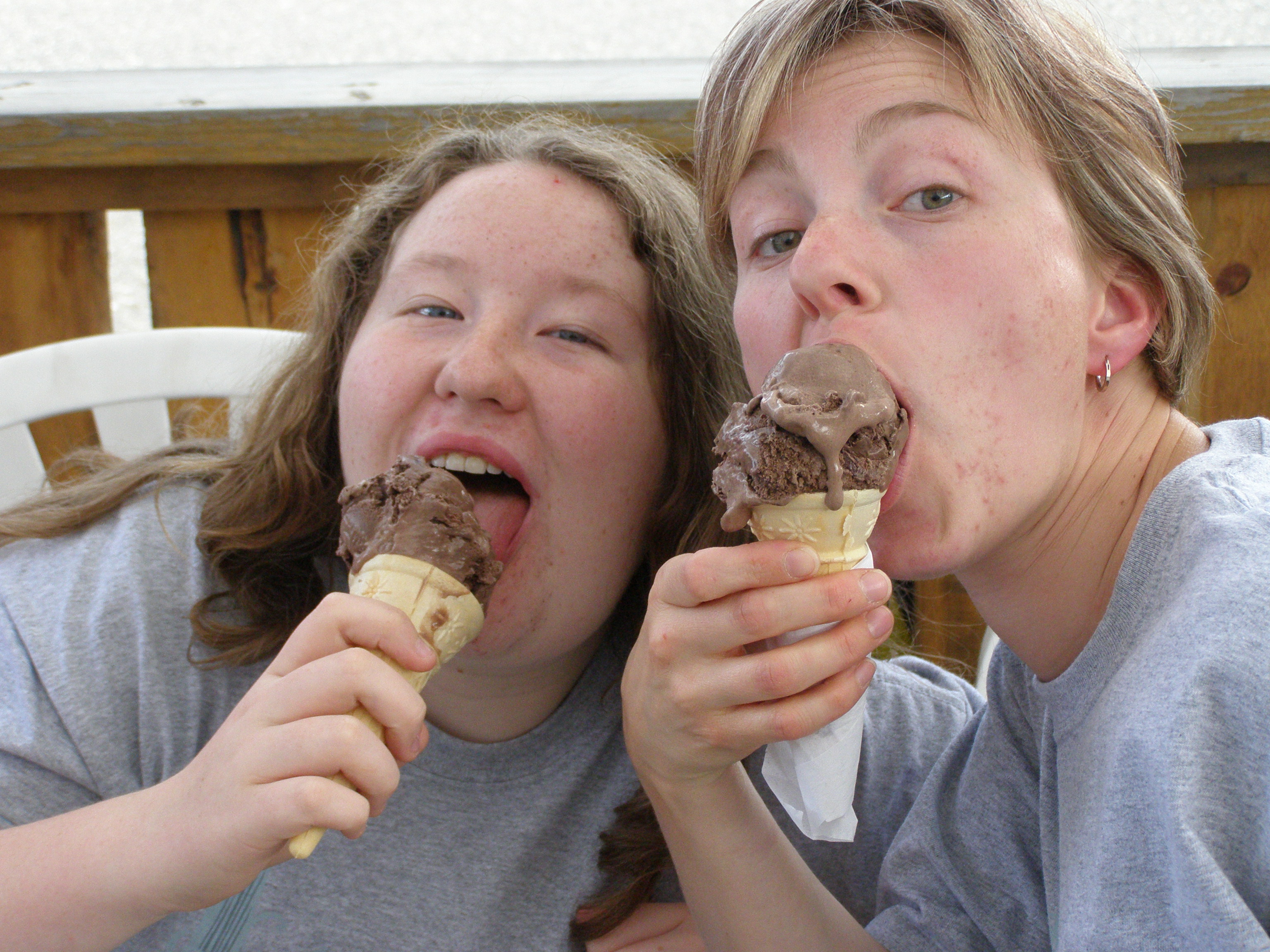
When a headache needs prompt care
A normal brain freeze follows a cold trigger and fades fast. A headache that breaks that pattern deserves prompt care, and WebMD advises seeking medical help for a sudden bad headache that does not go away quickly, or for a sudden headache with no cold exposure.
WebMD advises telling a doctor about heart flutter or a fast beat after eating or drinking something cold. A sudden headache that comes with weakness, slurred speech, vision loss, confusion, or a faint also needs urgent care, and a person should not wait to see if it fades.
This article is for general information, not medical advice.
Frequently asked questions
Does pressing your tongue really stop a brain freeze?
It can help, because it warms the palate where the cold started. Johns Hopkins Medicine recommends pressing the tongue or a clean thumb to the roof of the mouth, and Agan gave the same advice.
How long does a brain freeze last?
Most brain freezes last seconds to a few minutes. WebMD puts the usual course at less than 5 minutes, while the ICHD-3 definition, as reported by Live Science, sets the outer bound at 10 minutes after the cold stimulus is removed.
Can you prevent a brain freeze?
Slowing down is the most reliable step. Eat cold food in smaller bites, sip cold drinks slowly, and hold each bite in the front of the mouth for a few seconds before swallowing.
Is a brain freeze dangerous?
In the usual case, no. Goldberg told Live Science that brain freeze does not cause permanent damage and is not life-threatening.
Outlook
A brain freeze is a brief alarm, not a lasting injury. Cold food or drink drops the temperature at the back of the mouth and throat, vessels narrow and then widen fast, and nerves send that signal to the forehead. Warming the palate with a tongue press, a warm sip, or a pause lets the response settle.
Slowing down is the simplest way to avoid the next one. Smaller bites, slower sips, and a pause in the front of the mouth give the palate time to adjust.
For readers who notice how the body handles other short stresses, what happens when you hold your breath and why eyes feel dry after staring at screens follow the same pattern of a quick response to a sudden change. Feet that swell after standing all day and what happens when you skip breakfast are further examples of the body reacting to a short-term strain and then settling, much like muscles that shake after a hard workout.
Tags: brain freeze, headaches, cold stimulus headache, health explainer
Latest in Health
- Why Muscles Shake After a Hard Workout
- What Happens to Your Body When You Hold Your Breath
- Why Eyes Feel Dry After Staring at Screens
- Why Feet Swell After Standing All Day
Subscribe for one clear health explainer each week.
Related stories

ADHD linked to fourfold dementia risk in Pitt study of 187,000 adults
Adults with ADHD face four times the risk of dementia, a University of Pittsburgh study of 187,000 adults published in JAMA Psychiatry

Why Do Athletes Get Cramps Despite Drinking Water?
Muscle cramps strike even well-hydrated athletes because sweat drains electrolytes that plain water cannot replace. Here is why water alone

Do bananas actually prevent muscle cramps?
A medium banana has 422 mg of potassium, but the evidence says it cannot stop cramps. Here is what the research shows, and what actually