
Why do muscles shake after a hard workout
Key takeaways
- Shaking after a hard workout is usually fatigue: tired motor units fire unevenly, so contractions turn jerky.
- Low fuel, dehydration, and electrolyte loss can all make shaking worse, as can too much caffeine.
- Ease off when shaking starts, and get care if it comes with dizziness, chest pain, or dark urine.
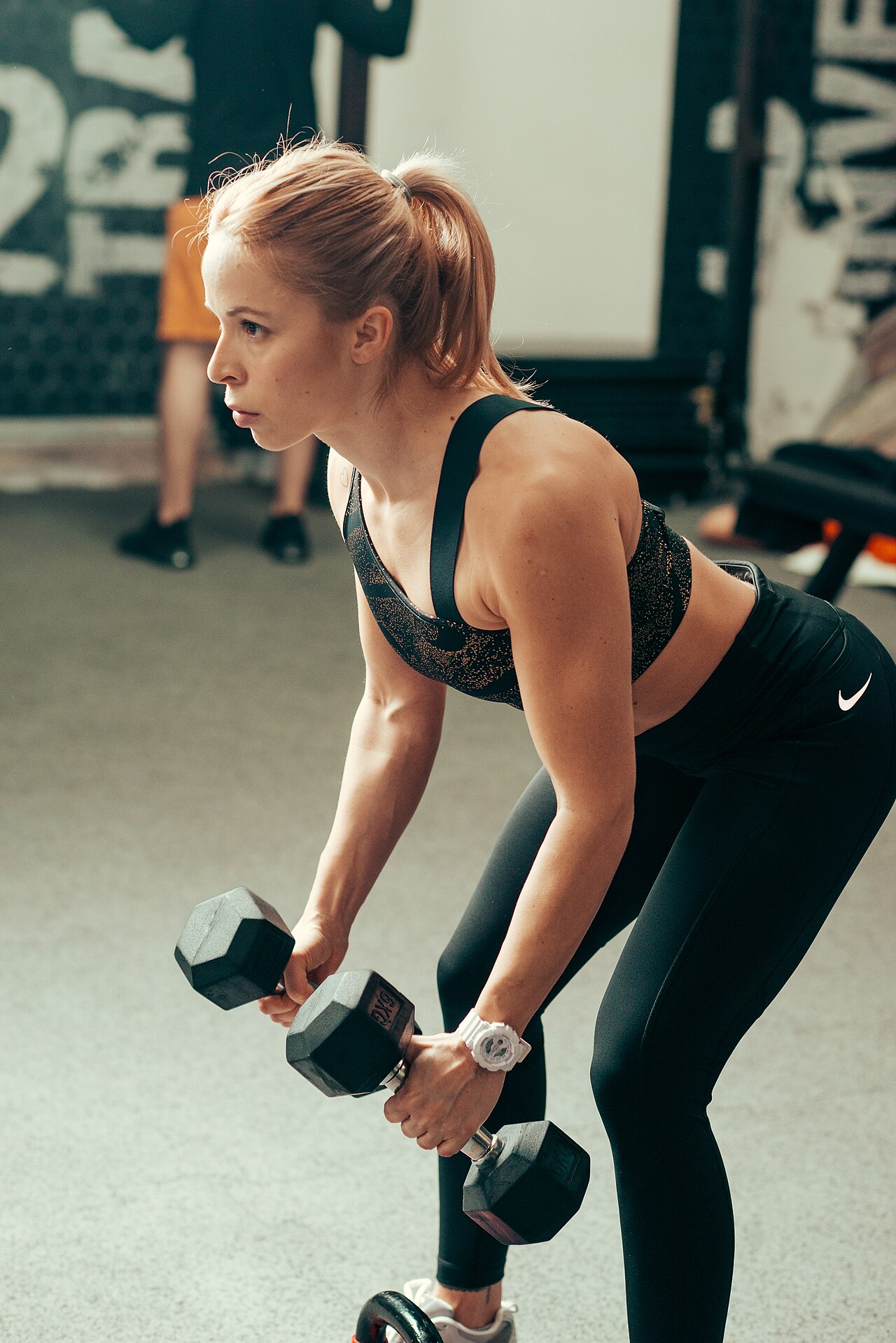
Shaking muscles after a hard workout means the muscles are firing in uneven bursts instead of smooth contractions. The tremor often shows up in the last reps of a set, during a long hold, or just after the workout ends. It can look alarming, yet it is a common response to hard effort.
The shake is a signal, not a verdict. It tells you the muscles, the fuel supply, or the nervous system reached a limit. Learning to read that signal helps you decide whether to ease off, stop, or simply rest and refuel.
This article explains why muscles shake after a hard workout, including the main causes, what to do in the moment, how to prevent shaking, and the warning signs that need care. This article is for general information, not medical advice.
What shaking actually is
Muscles contract through motor units, which are groups of muscle fibres controlled by a single nerve. During exercise, motor units take turns so the muscle keeps working while individual units rest. When many units tire at once, the handover turns rough and the contraction becomes jerky.
Exercise physiologist Kaleigh Ray told GoodRx: "After strenuous exercise, so many motor units are fatigued that a smooth contraction isn't possible." The shaking you feel is those units firing and switching off too fast to be replaced in an orderly way. Rest lets the units recover, and the tremor fades.
About 75 percent of muscle tissue is water, according to GoodRx. That figure matters because fluid carries the electrolytes that control contraction. When fluid and electrolytes run low, the signals that drive smooth contraction get messier.
Fatigue, fuel, fluid, and freshness of the movement all feed the same result.
The main causes
Muscle fatigue is the most common cause. During a workout, the central nervous system fires motor units to contract the muscles. The longer you work, the more those signals slow down and lose strength, and the muscle starts to alternate quickly between contraction and relaxation.
Healthline lists fatigue first among post-workout shaking causes, and it often means the muscles were worked to their limit.
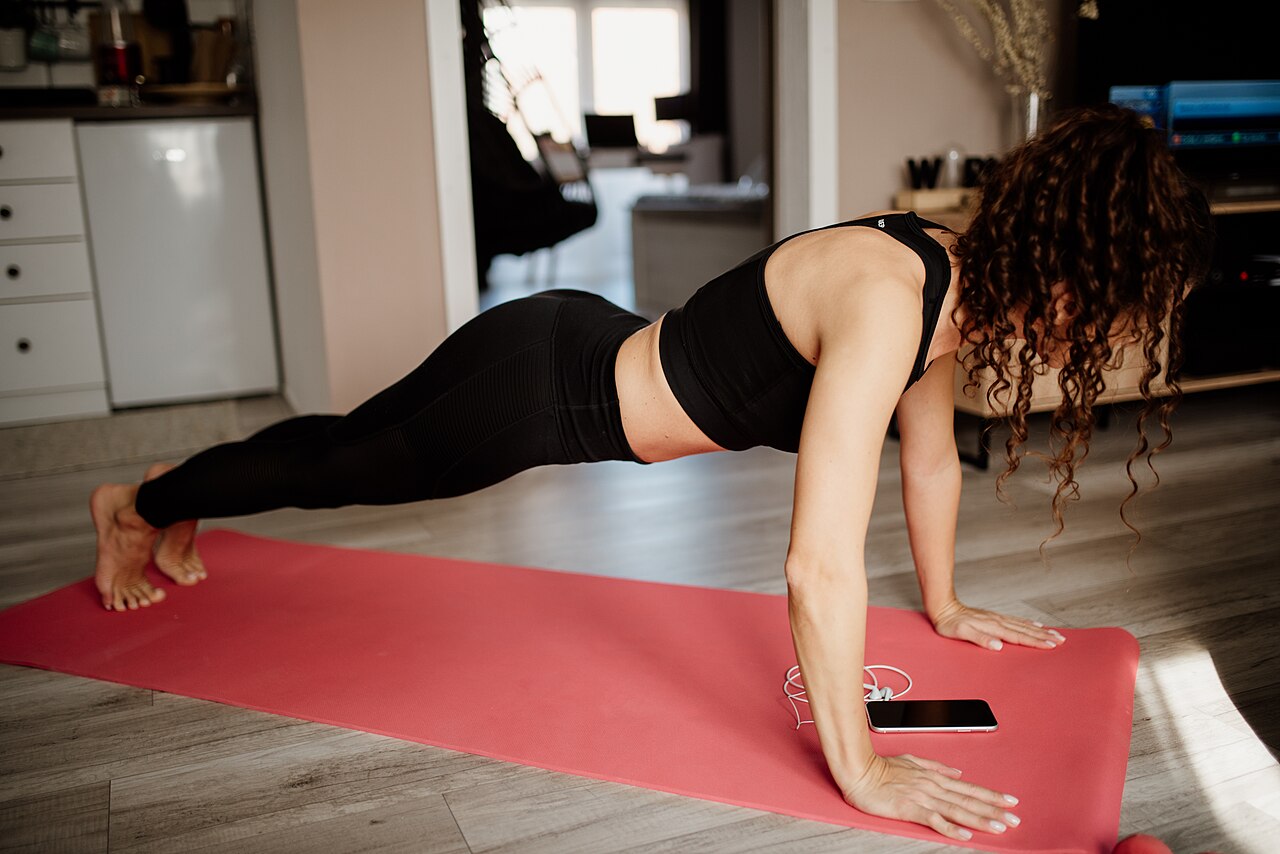
Holding a muscle in one position is a second cause. Planks, wall sits, and heavy holds demand constant force from the same fibres. Healthline explains that holding a position calls on motor units normally reserved for powerful movements, and the extra demand shows up as shaking.
The tremor usually sits in the muscles doing the hold.
Low blood sugar is a third cause. Glucose from food is the main fuel for muscles, and a long or intense workout burns through it. When glucose runs low, the result is hypoglycemia, and muscle tremors are a hallmark symptom, according to GoodRx.
Other signs include a racing heartbeat, sweating, dizziness, confusion, and irritability. People with diabetes face a higher risk of exercise-induced low blood sugar.
Dehydration is a fourth cause. Sweating drains water and electrolytes, and dehydration slows the delivery of potassium, sodium, and calcium to the muscles. GoodRx notes that this upsets the electrolyte balance needed for muscle contraction.
Electrolytes also matter in their own right: Peloton, citing Cleveland Clinic guidance, lists sodium, magnesium, potassium, and calcium as minerals essential for proper muscle function.
New or intense exercise is a fifth cause. When a movement is unfamiliar, the nervous system recruits extra muscle fibres to complete it, and the new pattern fires unevenly. Peloton quotes sports orthopedic surgeon Berkcan Akpinar on muscle imbalance: "We commonly see this when the smaller stabilizing muscles can't keep up with the stronger primary muscles.
" A bench press can expose this gap, since small stabilising muscles tire before the large chest muscles do.
Caffeine can add to the shake. Coffee, sports drinks, and pre-workout supplements can leave you jittery, and the buzz of a hard session can make it worse. Healthline notes that shaking from caffeine most often affects the hands and limbs.
Cutting back before training helps if you notice the pattern.
What to do when shaking starts
A little shaking is fine. Peloton quotes Akpinar saying that a little shaking is OK and may show you are exercising effectively, as long as no other symptoms appear. A trembling core during a long plank, for example, is not by itself a reason to stop.
Ease off when the shaking grows. If the tremor starts to wreck your form, slow down, drop the weight, or shorten the hold. Peloton advises that if shaking persists or worsens a few minutes after you reduce intensity, you should stop that activity for the day.
Pushing through a breakdown in form raises the risk of muscle and joint injury.
Stop at once if pain joins the shake. Akpinar advises that pain should guide you, and that painful cramping means pausing the workout. Lightheadedness and feeling close to fainting are also stop signals.
Breathe steadily, sit down, and sip water. Holding your breath during heavy lifts makes things worse, so learn what happens when you hold your breath and keep breathing through each rep.
Refuel and rehydrate after the session. Eat a balanced meal with protein and carbohydrates, and drink water through the day rather than all at once. GoodRx suggests about 100 calories after every 45 minutes of a long or intense workout.
A 5- to 10-minute cooldown, with gentle stretches, returns the heart rate toward baseline and calms tired muscles.
How to prevent shaking
Build up gradually. Increase weight, duration, or intensity in small steps so the muscles and nervous system adapt. Healthline advises challenging yourself gradually, since a sudden jump is the fastest route to tremors and injury.
Take enough rest days between hard sessions, because shaking is more common when you train without recovery.
Fuel before training. Healthline suggests a pre-workout meal 2 to 3 hours before exercise, and GoodRx suggests a balanced snack with protein and carbohydrates. A morning session on an empty stomach is a classic setup for low blood sugar, and what happens when you skip breakfast applies to workouts too.
Prepare a post-workout meal in advance so refuelling does not wait.
Hydrate through the day, not only at the gym. Plain water suits shorter sessions, while longer sessions may need electrolytes. GoodRx advises adding electrolytes for endurance exercise lasting more than an hour.
Warm up before training and cool down after, since a proper warm-up prepares muscles for work and a cooldown supports recovery.
Strengthen the small stabilisers. Core work and stability training build endurance in the smaller muscle groups that tire first. That support helps the big lifts and can cut the shakes.
Limit caffeine before training if you are sensitive to it, and keep the dose consistent rather than doubling it on hard days.
Warning signs that need care
Most post-workout shaking fades with rest, food, and water. Get care promptly if shaking continues long after the workout, or if it appears when you are not exercising. Healthline advises medical attention if shaking comes with trouble breathing, dizziness, vomiting, or fainting.
GoodRx lists sharper red flags. See a healthcare professional if shaking comes with dark urine, dizziness, lightheadedness, confusion, or tingling, numbness, or paralysis. In rare cases, shaking can signal a condition brought on by exercise, such as rhabdomyolysis, heat illness, or injury to muscles or nerves.
Rhabdomyolysis is a breakdown of muscle that releases harmful substances into the bloodstream, and it can follow severe overexertion.
Shaking during light activity is another warning sign. If your muscles tremble during a gentle walk or an easy jog, when they normally would not, you may be overtrained or under-fueled. Persistent tremors that last far beyond a workout can also point to a neurological condition, so a clinician should check them.
Pain, swelling, weakness, or a joint that will not move are further reasons to seek care rather than waiting.
Frequently asked questions
Is it good if my muscles shake during a workout?
Mild shaking during hard effort is common and often means the muscles are working near their limit. It becomes a problem when it wrecks your form, comes with pain, or happens during easy exercise. Ease off when form breaks down.
Why do my legs shake after squats or lunges?
Legs shake because large muscles tire and smaller stabilisers tire even faster. New or heavy lower-body work makes the effect stronger. Reduce the weight, rest between sets, and build up gradually.
Does shaking mean I am building muscle?
Shaking alone does not prove muscle growth. It shows the muscles were pushed hard, which can support growth when paired with food, sleep, and rest days. Steady progress and recovery matter more than any single shaky session.
How long should post-workout shaking last?
Shaking after a hard session usually fades within minutes to a few hours as you rest, eat, and drink. Shaking that lasts far longer, keeps returning, or appears at rest deserves a check with a healthcare professional.
Outlook
Shaking after a hard workout is usually fatigue, low fuel, dehydration, or a new movement pattern. Ease off when it starts, stop when pain or dizziness joins it, and refuel and rehydrate after the session. Build up gradually, warm up, and take rest days.
Get care promptly if shaking lasts long, appears at rest, or comes with dark urine, chest pain, or confusion.
Tags: muscle shake, workout, fatigue, exercise recovery
Latest in Health
- What happens to the body when you hold your breath
- What happens to the body when you skip breakfast
- Why feet swell after standing all day
- Why eyes get dry from staring at screens
Subscribe to the Rive News newsletter for one practical guide each week.
Related stories

ADHD linked to fourfold dementia risk in Pitt study of 187,000 adults
Adults with ADHD face four times the risk of dementia, a University of Pittsburgh study of 187,000 adults published in JAMA Psychiatry

Why Do Athletes Get Cramps Despite Drinking Water?
Muscle cramps strike even well-hydrated athletes because sweat drains electrolytes that plain water cannot replace. Here is why water alone

Do bananas actually prevent muscle cramps?
A medium banana has 422 mg of potassium, but the evidence says it cannot stop cramps. Here is what the research shows, and what actually