
Why do I get cramps in my feet but not my legs?
This article is for general information only and is not medical advice. If your cramps are severe, frequent, or come with swelling, numbness, or weakness, see a healthcare professional.
Key takeaways
- Foot cramps often have foot-local causes: tight shoes, overworked foot muscles, or toes held in awkward positions.
- Dehydration and low electrolytes can trigger cramps in the feet first, since foot muscles fatigue faster than larger leg muscles.
- Most foot cramps respond to stretching, better-fitting shoes, and hydration; persistent ones deserve a doctor's look.
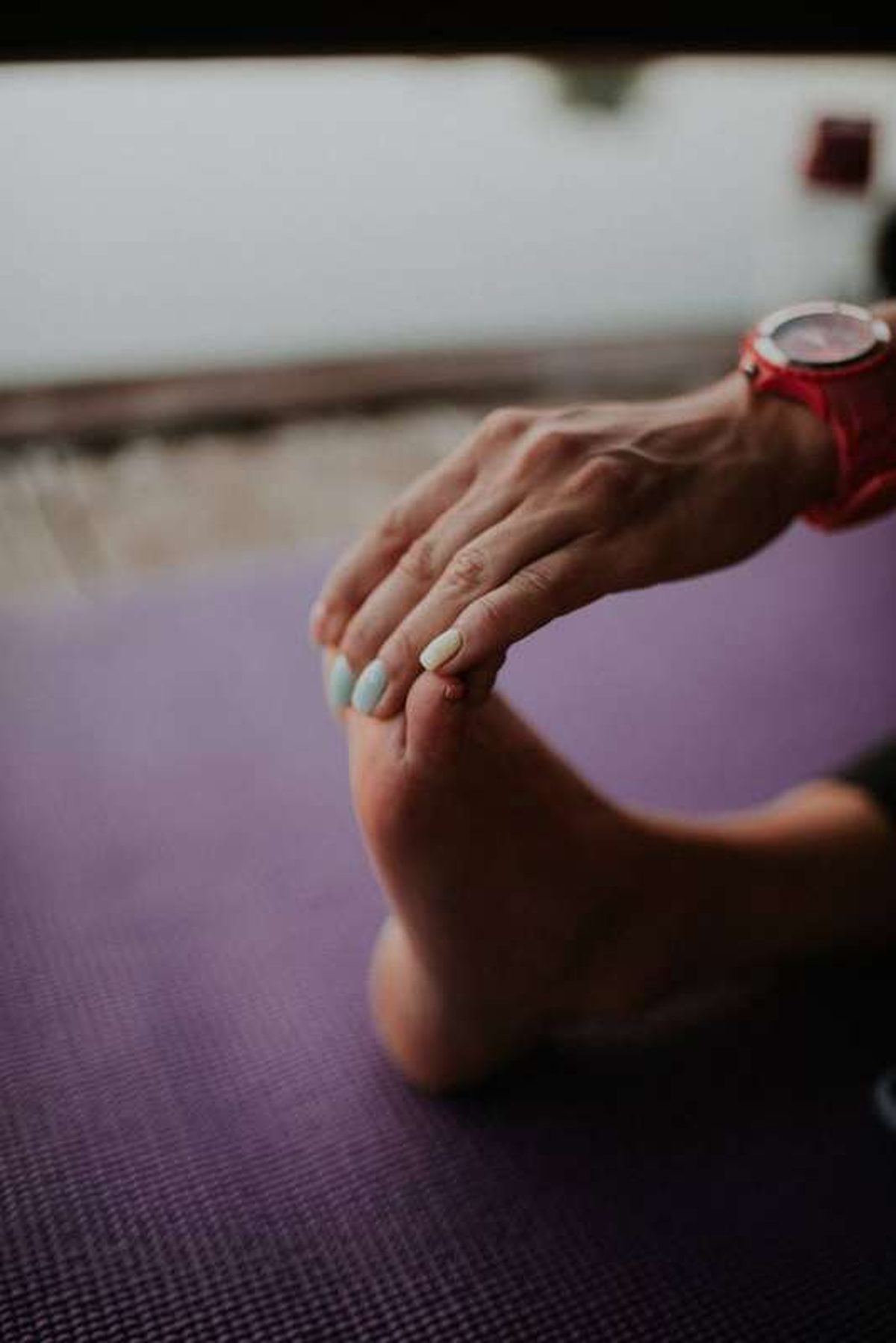
Stretching the foot muscles can stop a cramp and help prevent the next one. Photograph: Shixart1985/Wikimedia Commons
Image Credits: Wikimedia Commons
A foot cramp is a sudden, painful tightening of the muscles in the foot or toes. It can seize the arch, curl the toes, and stop you mid-step. Then it releases, and your calves feel completely fine.
That mismatch is the puzzle. This article explains foot cramps, including what they are, why feet cramp while legs stay calm, the common causes, what helps, and when to see a doctor.
What a foot cramp actually is
A cramp is an involuntary muscle contraction that will not relax on its own for a while. In the foot, the usual victims are the small muscles of the arch and the flexors that curl the toes. The contraction can last seconds or several minutes.
The foot is built for this kind of trouble in a way the leg is not. It contains more than 100 muscles, tendons, and ligaments packed into a small space, and many of them work all day just keeping you upright. Small muscles fatigue faster than the big calf and thigh muscles, so they are often the first to protest when conditions are off.
Night cramps add another wrinkle. Pointing your toes downward while lying in bed shortens the foot and calf muscles, which is a classic trigger for cramps that strike out of nowhere at 2 AM.
Why the feet cramp when the legs do not
Most foot cramps trace back to something happening at the foot itself rather than a body-wide problem. That is the core answer: the trigger is local, so the legs never join in.
Shoes are the most common local trigger. When shoes are too tight, they reduce blood circulation to the foot, and poorly circulated muscles cramp, according to Medical News Today. Warning signs include numbness, toes you cannot wiggle, and shoes that leave indentations in your skin.
High heels and shoes that are too loose also cause trouble: heels hold the foot at an awkward angle, while loose shoes make the toes grip harder to keep the shoe on, as GoodRx notes.
Overuse is the second local trigger. Feet carry your full weight through every step of the day, and a sudden increase, a long walk, a new workout, a day on your feet after a desk week, overloads the small foot muscles long before the legs complain. Athletes get the same effect at higher intensity: running and jumping strain foot muscles in ways that raise cramp risk, according to a sports medicine summary published by SSOR.
Position matters too. Sitting with legs crossed or staying in one posture for a long time reduces blood flow to the feet and toes. The legs, with their larger vessels and bigger muscle pumps, tolerate it better.
Systemic causes can still show up in the feet first.
Dehydration lowers blood volume and disturbs electrolytes, and the small, hard-working foot muscles feel that shortage before the legs do. Cleveland Clinic's Dr. Lewis calls dehydration one of the most common causes of foot cramps and advises checking hydration first when cramping starts.
Low potassium, calcium, or magnesium can also trigger cramps, and some medications, including statins and diuretics, list muscle cramps as a side effect.
The pattern to notice is the company the cramp keeps. Cramps that follow a long day in tight shoes point to the shoes.
Cramps that follow heavy sweating point to fluids and electrolytes. Cramps with numbness, persistent pain, or color changes point to circulation or nerves, and those deserve medical attention.
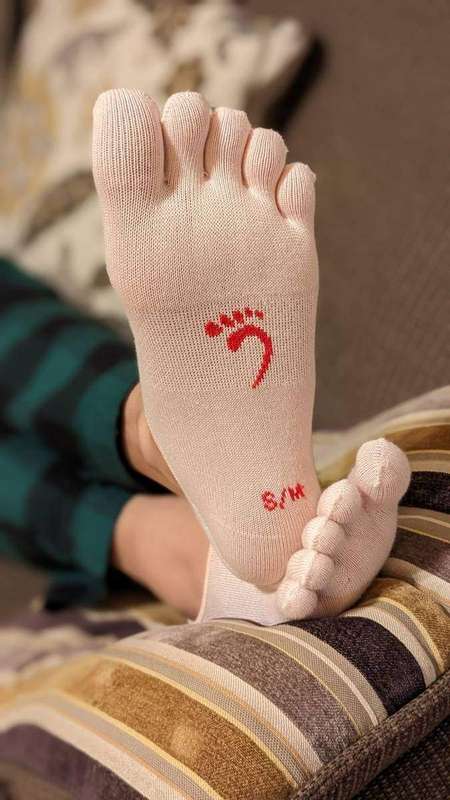
Resting tired feet and giving them room to recover helps prevent cramps after long days. Photograph: Oceanic7777/Wikimedia Commons
Image Credits: Wikimedia Commons
What helps stop and prevent foot cramps
When a cramp strikes, stretch the muscle in the opposite direction. Hold the base of the foot and gently pull the toes back toward the shin, or flex the whole foot upward. The American Academy of Orthopaedic Surgeons recommends holding the stretched position until the cramp relaxes, a tip cited by GoodRx.
Walking on the cramping foot can also help, since the body's weight forces the muscles to lengthen. A warm towel or warm water relaxes a stubborn cramp, while massaging the arch with your thumbs breaks up the knot.
Prevention is mostly about removing triggers. Start with shoes: have your feet measured, make sure you can wiggle your toes, and add supportive insoles or arch supports if your shoes lack support, as Healthline advises. Replace shoes that pinch or leave marks.
Hydrate steadily through the day, especially before, during, and after exercise or heat exposure. Cleveland Clinic notes that dehydration reduces blood flow and disturbs electrolytes, so water plus a varied diet covers most mild cases.
The clinic's Dr. Lewis cautions against megadosing supplements on your own, since too much of certain minerals can cause harm; food first, supplements only with a doctor's guidance.
Warm up and cool down around workouts, and build up activity gradually instead of jumping from couch to marathon. Stretch the calves and the soles of the feet as part of the routine. If a new medication coincided with the cramps, tell your doctor rather than stopping the drug yourself.
When to see a doctor
Most foot cramps are harmless and occasional. Cleveland Clinic advises getting checked if cramps get worse when you walk or simply will not stop. Seek medical advice if cramps are severe, frequent, long-lasting, or disturb your sleep.
Red flags that should prompt a visit include swelling, warmth, redness, numbness, or weakness alongside the cramps, and any cramp lasting longer than about 10 minutes. People with diabetes, peripheral artery disease, or nerve conditions should mention new or worsening foot cramps to their clinician, since circulation and nerve problems can present this way.
Frequently asked questions
Are foot cramps at night normal?
They are common, especially with age. Night cramps often happen when a sudden movement shortens the muscle, like pointing the toes down in bed. Occasional night cramps are usually benign, but frequent ones that ruin sleep are worth discussing with a doctor.
Can dehydration really cause foot cramps?
Yes. Dehydration reduces blood flow and disrupts the electrolyte balance that muscles need to contract and relax properly. Cleveland Clinic identifies it as one of the most common causes of foot cramps, which is why hydration is the first thing to check.
Should I take magnesium for foot cramps?
Only with medical guidance. Low magnesium can contribute to cramps, but self-prescribing supplements can backfire if your levels are normal or if you take too much. Cleveland Clinic's guidance is to focus on a varied, balanced diet and let a doctor decide about supplements.
How do I stop a foot cramp as fast as possible?
Stretch the foot by pulling your toes back toward your shin and hold until the muscle releases, as the American Academy of Orthopaedic Surgeons recommends. Massaging the arch and applying warmth can help a stubborn cramp let go.
Outlook
Foot cramps without leg cramps usually mean the problem is at the foot: shoes, fatigue, fluid balance, or sleeping position rather than anything systemic. Most cases resolve with stretching, better-fitting shoes, and steady hydration. It's a good idea to see a doctor if cramps are frequent, severe, or come with warning signs like numbness, swelling, or weakness.
Rive News is the research desk of this publication, covering what clinicians and medical institutions say about everyday health questions. This article is informational and does not replace professional medical advice.
Related stories
- Why is cramming ineffective for long-term learning?
- How to tell if brake pads need replacing before they fail
- How to choose hiking boots for beginners: fit, features, and break-in
- eSIM vs iSIM: what is the difference?
Subscribe to the newsletter for one health explainer like this every week.
Related stories

ADHD linked to fourfold dementia risk in Pitt study of 187,000 adults
Adults with ADHD face four times the risk of dementia, a University of Pittsburgh study of 187,000 adults published in JAMA Psychiatry

Why Do Athletes Get Cramps Despite Drinking Water?
Muscle cramps strike even well-hydrated athletes because sweat drains electrolytes that plain water cannot replace. Here is why water alone

Do bananas actually prevent muscle cramps?
A medium banana has 422 mg of potassium, but the evidence says it cannot stop cramps. Here is what the research shows, and what actually