
Why you feel cold after getting out of a hot shower
By Rive News / Research desk | Rive News / Published October 28, 2026 at 9:00 AM PKT
Key takeaways
- Water left on your skin evaporates after a shower, and evaporation draws heat from your body, cooling the skin fast.
- Hot water widens the blood vessels near your skin, so more warm blood sits close to the surface where heat escapes easily.
- The chill fades as you dry off, because without a water layer there is nothing left to evaporate and steal heat.
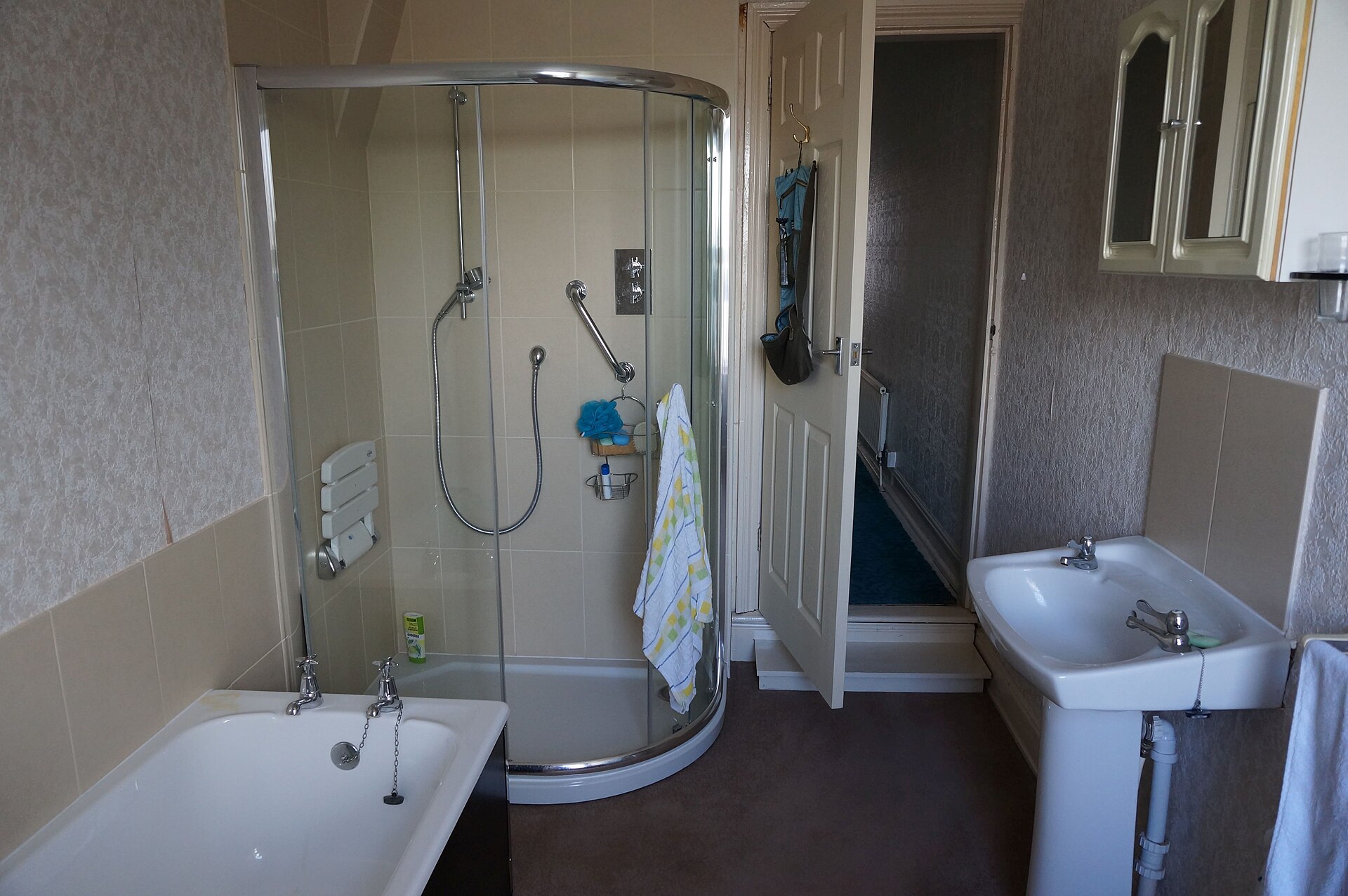
[A bathroom, where warm humid air slows evaporation after a hot shower.] Photograph: a bathroom interior
Image Credits: Wikimedia Commons
A hot shower feels wonderful until the moment you step out. Then the air, which seemed perfectly comfortable before, suddenly feels cold, and your skin prickles. You towel off, and within minutes the chill passes and the room feels normal again.
Nothing about the room changed. What changed was your skin, and the physics acting on it.
This article explains the three forces behind the post-shower chill: evaporation, the blood-vessel swing, and the contrast between the shower and the room, plus why drying off inside the stall feels warmer.
Evaporation is the main culprit
When you step out of the shower, a thin layer of water covers your skin. That water does not stay liquid. It evaporates into the air, and turning liquid water into vapour takes energy.
The energy comes from the nearest source of heat, which is your skin. Each gram of water that evaporates carries heat away with it, so the skin's surface temperature drops.
The speed of that cooling depends on the air around you. Dry air evaporates water quickly, so the chill is sharper in a dry bathroom or a draughty room.
Humid air evaporates water slowly, because the air already holds much of the moisture it can carry, so the same shower feels less cold in a steamy bathroom. A fan or an open window speeds evaporation further by constantly replacing the damp air next to your skin with drier air, which is why a breeze after a shower feels colder than still air at the same temperature.
This is the same mechanism the body uses deliberately when it sweats. Sweat glands release water onto the skin precisely so that evaporation will carry heat away.
After a shower, the mechanism runs without being asked: the water is already there, and physics does the rest. As Glance Trends explains, the faster the evaporation, the colder you feel, and dry environments amplify the effect while humid ones soften it.
Hot water primes your skin to lose heat
Evaporation alone would cool anyone stepping out of any shower. A hot shower adds a second factor.
Hot water widens the blood vessels near the skin's surface, a process called vasodilation. More warm blood flows close to the surface, which is why skin looks flushed after a hot shower and why the shower feels so warming while you are in it.
That widened state does not reverse instantly. When you step out, your skin's vessels are still dilated, so warm blood is still sitting near the surface, exposed to the cooler air and to the evaporating water. Heat escapes faster from a flushed, wet surface than from a pale, dry one.
The body then corrects in the other direction: the vessels constrict, a process called vasoconstriction, pulling blood back toward the core to conserve heat. FMPTR notes this swing directly, describing how blood vessels dilate in hot water and constrict again on exit, changing how the body senses temperature.
The swing is controlled by the hypothalamus, the brain's thermostat. The hypothalamus tracks blood temperature and compares it with a set point of about 37 degrees Celsius, or 98.6 degrees Fahrenheit, according to ABPI Schools. When the core temperature rises, it orders sweating and vasodilation to shed heat.
When it falls, it orders shivering and vasoconstriction to keep heat in. Stepping out of a hot shower fires both sides of that system in quick succession, which is part of why the sensation feels so abrupt.
Contrast makes the same air feel colder
There is a third factor, and it is perceptual rather than physical. Your skin's temperature sensors do not report absolute temperature. They report change.
After ten minutes under hot water, your skin is warm and your sensors have adapted to that warmth. The bathroom air, which felt neutral before the shower, now registers as a sharp drop, because the sensors are measuring the gap between the shower's heat and the room's coolness, not the room alone.
That contrast effect is why the same room can feel fine before a shower and cold after one, and why stepping back into the warm, steamy stall restores comfort immediately. The steam does two things at once: it warms the air, and its humidity slows evaporation, so both the contrast and the cooling shrink together. It is also why you get goosebumps when cold or scared: the same thermostat system raising tiny muscles in the skin to trap warm air.
Once you are dry, the whole picture changes. With no water layer left, evaporation stops.
The vessels have constricted, the skin's sensors have re-adapted to room temperature, and the contrast fades. That is why the chill passes even though the room never warmed up: the forces that made it feel cold have all switched off.
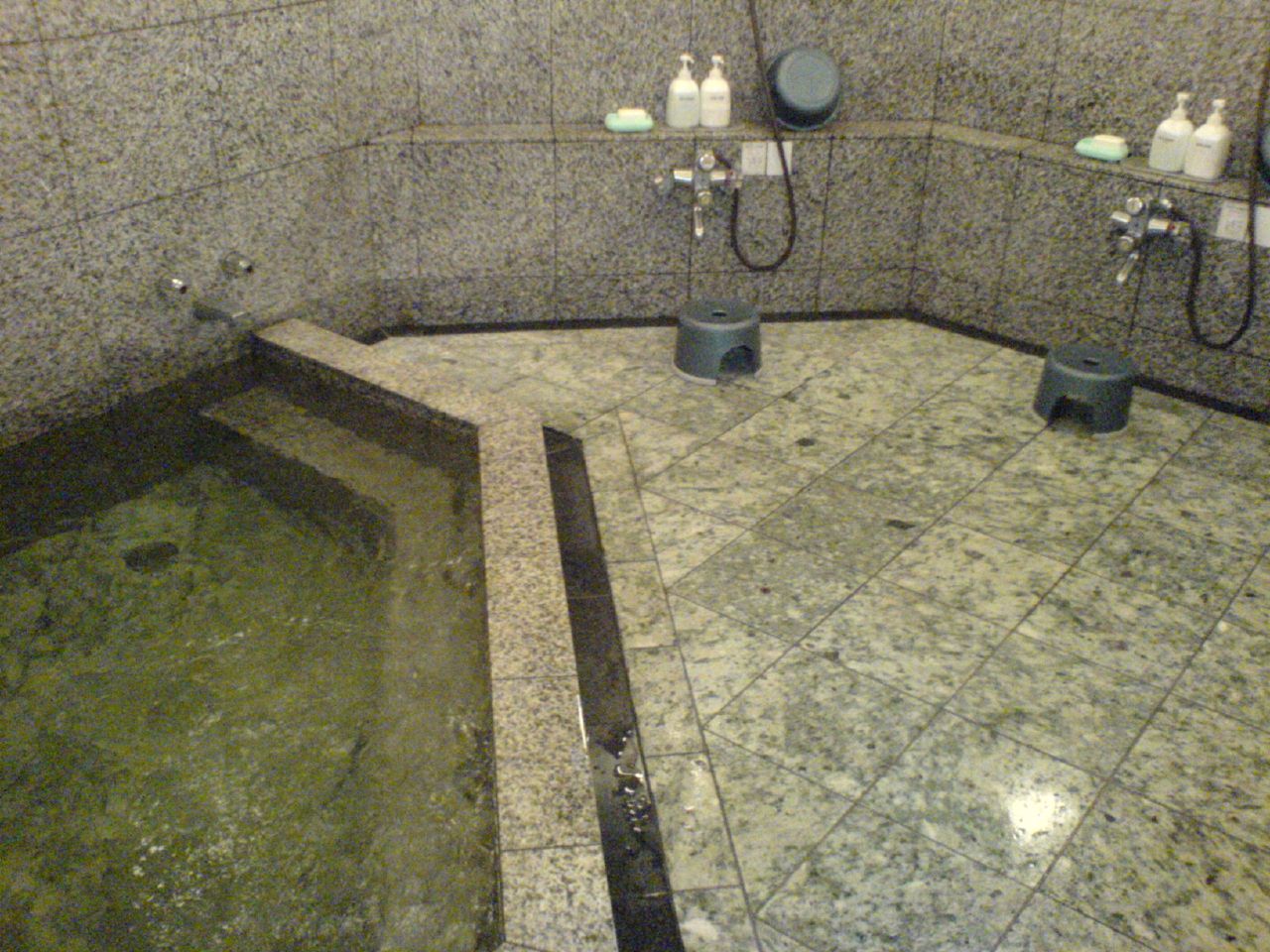
[Bathers in a communal bath, where hot water widens the blood vessels near the skin.] Photograph: a communal bath
Image Credits: Wikimedia Commons
Why some people feel it more
Not everyone feels the post-shower chill equally. People with less body fat lose heat faster, because fat insulates the core from the skin. Older adults often feel it more, because their thermostat responses slow with age.
Anyone who showers very hot maximises both the vasodilation and the contrast, so the exit feels colder than after a lukewarm shower. A long shower also warms the skin more thoroughly, widening the gap with the room.
Hair matters too. Wet hair holds a large amount of water close to the scalp, and it keeps evaporating long after the skin is dry, which is why a wet head can keep you feeling cold well into getting dressed. Towel-drying hair first, or wrapping it, removes that reservoir early.
Bathroom design plays a role as well. A cold tiled floor pulls heat from bare feet by conduction, adding a second cooling route alongside evaporation. Slippers or a bath mat break that contact and noticeably reduce the chill, even though they change nothing about the air temperature.
Simple ways to stay warm
The fixes follow directly from the causes. Dry off inside the shower stall when you can, where the air is warm and humid, so evaporation is slow and the contrast is small.
Towel off briskly rather than standing wet in a draughty room, since every minute wet is a minute of heat loss. Put on a robe or clothes promptly, because clothing traps a layer of still air against the skin and stops both evaporation and draughts.
Turning the shower cooler for the last minute also helps, by letting the vessels start to constrict before you step out, which narrows the contrast with the room. It feels less pleasant in the moment, but it shortens the chill afterwards. Keeping the bathroom door closed during the shower holds the steam in, raising both the temperature and the humidity of the room you step into.
These are comfort measures, not medical advice. Feeling cold after a shower is normal and brief. It becomes worth mentioning to a clinician only if it comes with symptoms that do not fit the pattern: shivering that will not stop, dizziness, chest pain, or a lasting inability to warm up, which can point to circulation or thyroid problems rather than physics.
Frequently asked questions
Why do I feel cold after a hot shower but not a cold one?
After a cold shower your vessels are already constricted and your skin is cool, so stepping out changes little. After a hot shower, dilated vessels and warm skin meet cool air and evaporation together, making the drop feel sharp.
Does drying off inside the shower really help?
Yes. The stall's air is warmer and more humid, so evaporation slows and the temperature contrast shrinks. Both effects reduce the chill compared with drying off in a cooler, drier room.
Why does wet hair keep me cold longer?
Hair holds water against the scalp, and that water keeps evaporating after the skin is dry, continuing to draw heat. Towel-drying or wrapping hair removes that reservoir early.
Is feeling cold after a shower a sign of poor circulation?
On its own, no. It is a normal response to evaporation and the vessel swing. Persistent trouble warming up, or cold hands and feet at rest, are the patterns that merit a clinician's look.
The bottom line
You feel cold after a hot shower because the water on your skin evaporates and carries heat away, while your still-dilated skin vessels leave warm blood exposed to the cooler air, and your temperature sensors register the sharp contrast with the shower's heat. Dry off in the warm stall, towel off promptly, and dress quickly, and the chill fades as the water, the vessel swing, and the contrast all settle.
The room never changed. Your skin did, and then it changed back.
This article is for general information only and is not medical advice; talk to a clinician about any symptoms.
Rive News's research desk covers everyday health questions with cited public sources. No medical training is claimed and no individual advice is given.
Related
- Why do we get goosebumps when cold or scared?
- Why do you get brain freeze from cold drinks?
- Why do you feel tired after eating a big meal?
- Why do your fingers wrinkle in water like prunes?
Subscribe to the Rive News newsletter for one plain-English health explainer each morning.
Rive News publishes general information only. Corrections are welcomed and noted on the article.
Related stories
ADHD linked to fourfold dementia risk in Pitt study of 187,000 adults
Adults with ADHD face four times the risk of dementia, a University of Pittsburgh study of 187,000 adults published in JAMA Psychiatry
Why Do Athletes Get Cramps Despite Drinking Water?
Muscle cramps strike even well-hydrated athletes because sweat drains electrolytes that plain water cannot replace. Here is why water alone

Do bananas actually prevent muscle cramps?
A medium banana has 422 mg of potassium, but the evidence says it cannot stop cramps. Here is what the research shows, and what actually