
Kayem Foods recalls 1.58 million pounds of meat over unsafe storage
Web StoryWatch this story in 15 seconds →Key takeaways
- Kayem Foods recalled about 1.58 million pounds of ready-to-eat meat and poultry.
- The food may have sat at unsafe temperatures in a warehouse cooler.
- Do not eat the recalled food. Throw it away or return it for a refund.
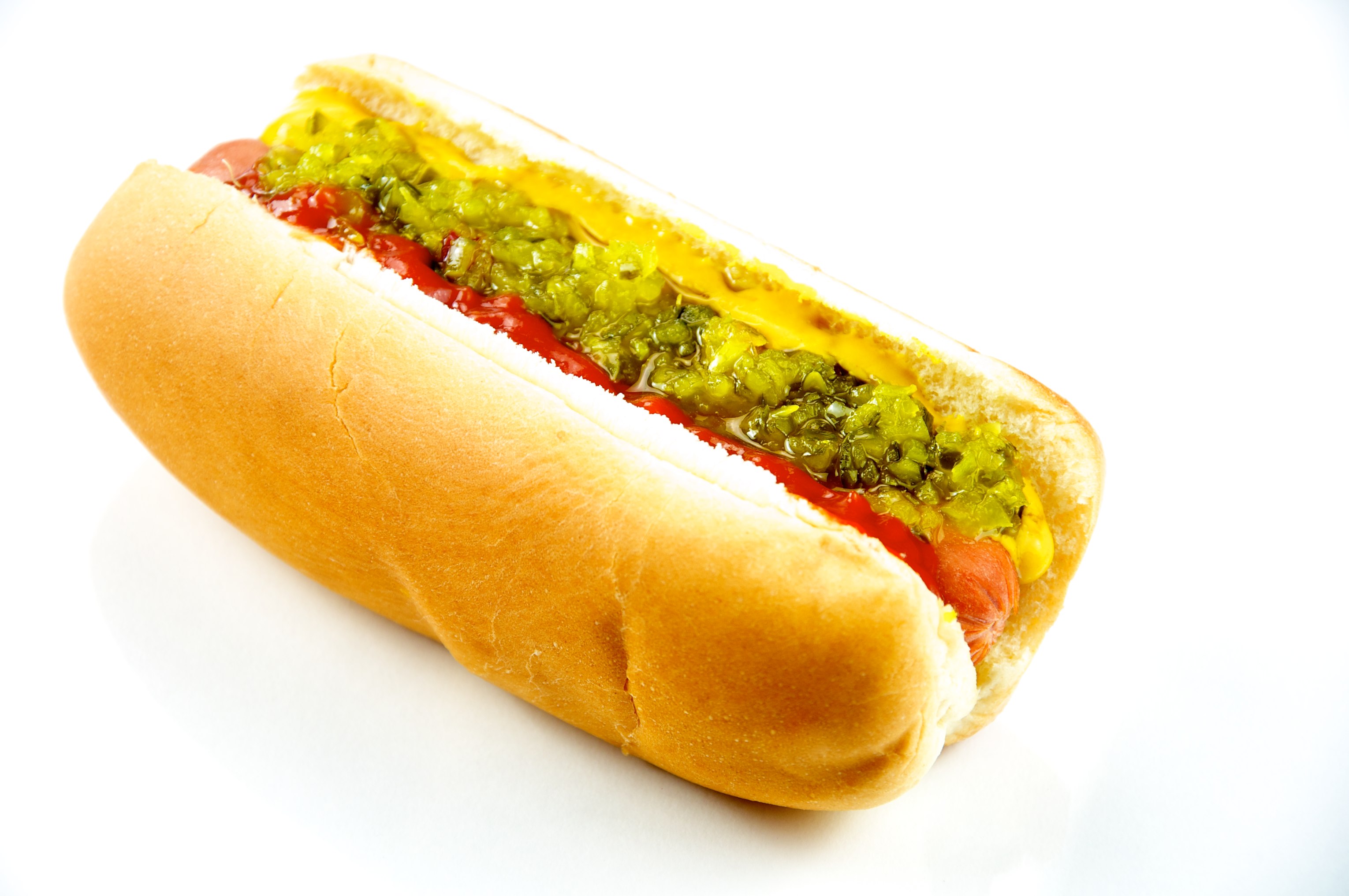
A hot dog with toppings. Hot dogs are among the recalled foods. Photograph: Evan Swigart / Wikimedia Commons
Image Credits: Wikimedia Commons
Kayem Foods recalled about 1.58 million pounds of meat. The food may have sat at unsafe temperatures. Do not eat it if you have it.
What happened
The US food safety agency announced the recall on October 17, 2026. The agency is the Food Safety and Inspection Service. It is part of the US Department of Agriculture.
Kayem Foods of Chelsea, Massachusetts, made the recalled food. The recall covers ready-to-eat meat and poultry.
The total is 1,584,361 pounds. That is about 1.58 million pounds. The food was made from March 31 to October 7, 2026.
The food went to stores and food services across the US. It also went to Hong Kong. The list covers more than 100 products.
The brands include Kayem, Al Fresco, and McKenzie. They also include Triple M, Jordan's, Essem, and Deutschmacher. One more brand is Winnisimmet St Butchery.
The products include hot dogs, bacon, and deli meat. They also include sausages, turkey breast, and hams. Meatballs, bologna, corned beef, and liverwurst are on the list too.
The trouble started on October 1. A store told Kayem that a delivery felt warm. Kayem checked and found a warehouse cooler with temperature changes.
Cold food must stay cold. When it gets warm, germs can grow. That is why the agency calls this temperature abuse.
The agency gave the recall its highest level, Class I. That means eating the food could cause serious harm or death. The risk is real even if no one has felt sick yet.
How to check your fridge
Start with the label on the pack. Look for the USDA inspection mark. Inside it, look for one of three codes.
The codes are M/P 7839, P 20935A, and M 9520. If your pack shows one, it is part of the recall. Check the product name too.
Check the fridge and the freezer. Some of these foods last a long time. The agency fears some packs are still in homes.
Do not taste the food to test it. Do not eat it at all. The recall says to throw it away or return it.
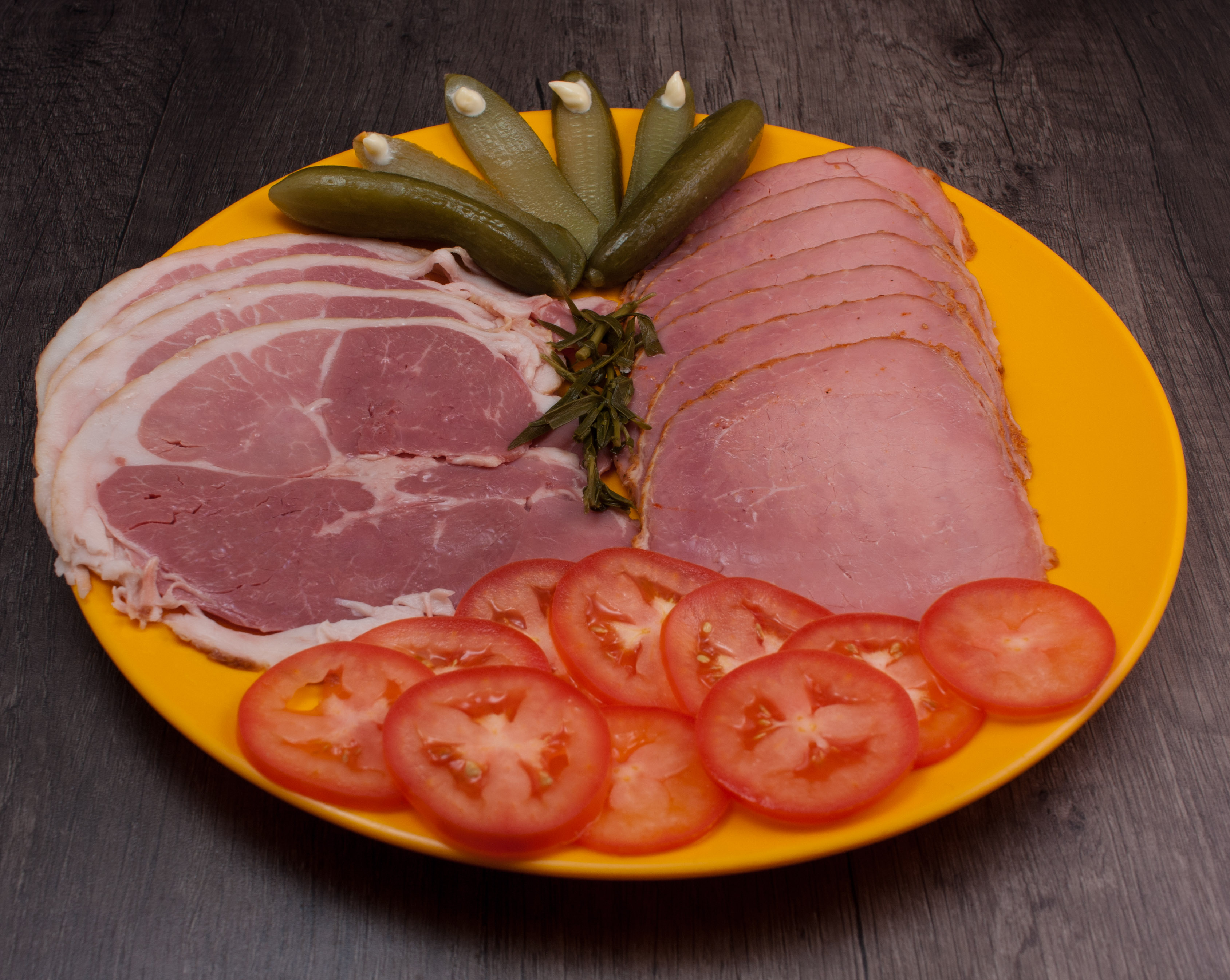
Sliced cold cuts. Deli meats are among the recalled foods. Photograph: مانفی / Wikimedia Commons
Image Credits: Wikimedia Commons
Thaw frozen meat with care at home. Learn how to thaw frozen meat safely. Cold food must stay cold at each step.
Color alone does not prove meat is safe. Brown meat in the fridge is often still safe. But a recall is different from color.
Salt can slow germs in food. Salt has kept food safe for centuries. It does not fix recalled meat, though.
Why it matters
Ready-to-eat means you eat it with no more cooking. People eat it straight from the pack. So unsafe storage is a bigger risk here.
The food was made as early as March 31. That was more than six months ago. Long shelf life means old packs can still sit in homes.
The scale is large. The recall covers 1.58 million pounds and more than 100 products. It spans the whole US and Hong Kong.
No illnesses have been confirmed so far. That is good news. But it does not make the food safe.
If you feel sick after eating the food, call a health care provider. This article is for information only and is not medical/financial advice.
What to do if you have it
First, check the label code. Match it with the three codes above. If it matches, stop there.
Second, do not eat the food. Throw it away. Or return it to the store where you bought it.
According to Allrecipes, you can get a full refund. Keep your receipt if you have one. The refund applies at the place of purchase.
Third, ask questions if you need help. Call Kayem Foods at 800-426-6100. You can also email [email protected].
What happens next
Check the FSIS list again if you are unsure. The list names each product and pack. It is the best place to confirm a match.
The FSIS list gives the UPC code and lot number. Use those codes if the label code is hard to read. Some packs show the brand Al Fresco or McKenzie.
The same codes still mark those packs. Brand alone does not clear a pack. When in doubt, throw it away.
Check your fridge tonight. The check takes one minute. It can keep your family safe.
Related stories
ADHD linked to fourfold dementia risk in Pitt study of 187,000 adults
Adults with ADHD face four times the risk of dementia, a University of Pittsburgh study of 187,000 adults published in JAMA Psychiatry

Why Do Athletes Get Cramps Despite Drinking Water?
Muscle cramps strike even well-hydrated athletes because sweat drains electrolytes that plain water cannot replace. Here is why water alone
Do bananas actually prevent muscle cramps?
A medium banana has 422 mg of potassium, but the evidence says it cannot stop cramps. Here is what the research shows, and what actually