
Retatrutide beats Ozempic in diabetes trial: double weight loss
Web StoryWatch this story in 15 seconds →Key takeaways
- Retatrutide cut A1C by 2.2% in 80 weeks, against 1.8% for Ozempic.
- People on the higher dose lost 47.4 pounds on average, more than double Ozempic's 20.9 pounds.
- Retatrutide is still not approved for sale anywhere, so patients cannot buy it yet.
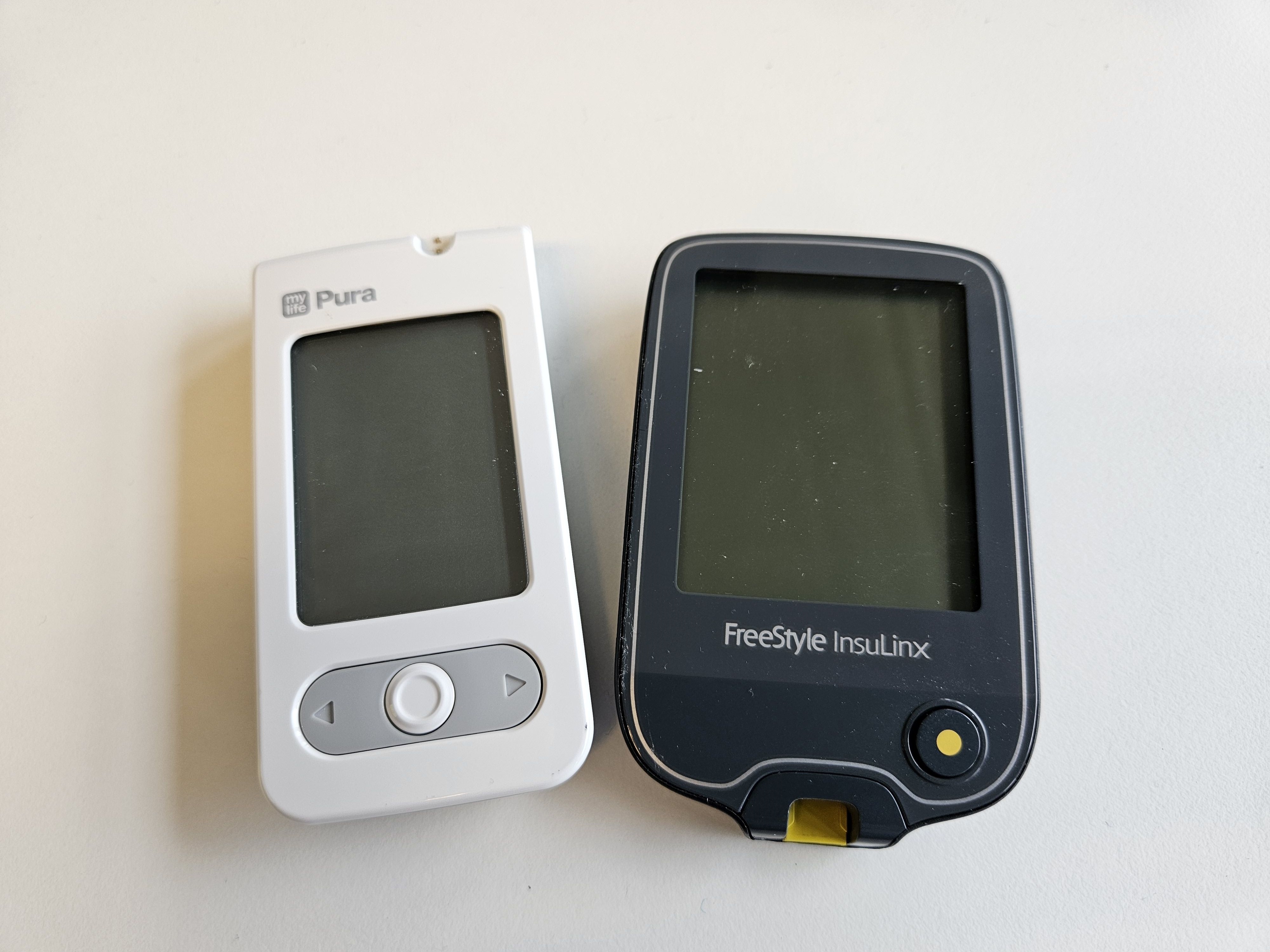
Eli Lilly has reported strong results for a new diabetes drug. The drug is called retatrutide. In a head-to-head trial, it beat Ozempic on blood sugar and weight loss.
The trial ran for 80 weeks. It compared retatrutide with Ozempic 2 mg. Ozempic 2 mg is the highest approved dose for type 2 diabetes, according to Lilly.
What happened
Lilly announced the results on October 28, 2026. The trial is called TRANSCEND-T2D-2. It is a Phase 3 trial. Phase 3 means a late stage of testing in people.
The trial was open-label That means patients and doctors knew which drug each person got It was also randomized.
That means people were placed in groups by chance, not by choice.
The trial enrolled 1,298 adults with type 2 diabetes. Type 2 diabetes means blood sugar stays too high. These adults were not well controlled on metformin.
Metformin is a common diabetes medicine. Some patients also took a second drug type. That type is called an SGLT2 inhibitor.
At the start, average A1C was 8.3%. A1C is a measure of blood sugar over time. The starting range for entry was 7.0% to 10.5%.
Average starting weight was 225.8 pounds. That is 102.4 kilograms. Average body mass index was 36.8.
People were split in a 2:2:1 ratio Two groups got retatrutide One group got Ozempic.
The retatrutide doses were 9 mg and 12 mg, taken once a week.
Ozempic was given as a weekly injection of 2 mg. Retatrutide started at 2 mg. The dose rose every four weeks until it hit the target dose.
Lilly said the trial met its main goal. It also met all key secondary goals. The main goal was to show the 12 mg dose was not worse than Ozempic on A1C.
The numbers
The headline numbers are clear. Both retatrutide doses beat Ozempic on the two main measures.
Here are the A1C results at 80 weeks, as reported by Lilly:
- Retatrutide 9 mg: A1C fell by 2.2% on average.
- Retatrutide 12 mg: A1C fell by 2.2% on average.
- Ozempic 2 mg: A1C fell by 1.8% on average.
The gap in A1C is 0.4 points. That may look small on paper. For blood sugar control, small A1C moves still matter to doctors and patients.
Weight loss showed a much bigger gap. Here are the weight results at 80 weeks:
- Retatrutide 9 mg: 44.3 pounds lost on average, or 19.5% of body weight.
- Retatrutide 12 mg: 47.4 pounds lost on average, or 20.9% of body weight.
- Ozempic 2 mg: 20.9 pounds lost on average, or 9.4% of body weight.
In short, the higher retatrutide dose gave more than double the weight loss of Ozempic. The lower dose also gave more than double the weight loss.
Lilly also reported better results for heart risk factors. These were non-HDL cholesterol, triglycerides, and systolic blood pressure. Systolic blood pressure is the top number in a blood pressure reading.
Lilly did not give exact numbers for those heart factors in the main results. Readers should not guess those numbers from the weight and A1C figures.
A guide to cholesterol in simple terms explains good and bad cholesterol in plain words. That background helps here, since cholesterol was one of the factors tracked.
How retatrutide works
Retatrutide is a once-weekly drug. It is a single molecule that acts on three hormone signals. The three signals are GIP, GLP-1, and glucagon.
Reuters calls it a "triple-G" drug for that reason. The three signals work together in the body. They help cut hunger, control blood sugar, and burn more calories.
Ozempic works on one of those paths. It is made by Novo Nordisk. Retatrutide aims to do more by hitting three paths at once.
That design may explain the larger weight loss. It does not prove the drug is safe for everyone. Safety comes from the side effect data, not from the design alone.
This is not the only drug trial in the news. Another recent drug trial tested a new treatment mix in a different disease. Trials like these follow the same basic pattern.
First, researchers test a drug in a set group of patients. Then they compare it with a known drug or a dummy drug. Then they report both benefits and harms.
Side effects
Side effects were common in all three groups Most were gut problems Lilly said most events were mild to moderate.
Most also cleared up during treatment.
Here are the rates for diarrhea, as reported by Lilly:
- Retatrutide 9 mg: 28.3% of patients.
- Retatrutide 12 mg: 32.7% of patients.
- Ozempic 2 mg: 26.4% of patients.
Nausea rates were close across the groups They were 21.2% for retatrutide 9 mg They were 23.8% for retatrutide 12 mg.
They were 21.3% for Ozempic.
Vomiting was higher on the top retatrutide dose It was 15.0% for retatrutide 12 mg It was 10.2% for retatrutide 9 mg.
It was 13.2% for Ozempic.
Constipation went the other way It was 19.8% for Ozempic It was 14.2% for retatrutide 9 mg.
It was 13.1% for retatrutide 12 mg.
Indigestion was 10.4% for retatrutide 9 mg. It was 8.5% for retatrutide 12 mg. It was 11.6% for Ozempic.
Lilly also reported tingling or numbness, called dysesthesia It was 4.8% for retatrutide 9 mg It was 6.5% for retatrutide 12 mg.
It was 2.7% for Ozempic.
Urinary tract infections were close across groups They were 5.8% for retatrutide 9 mg They were 4.2% for retatrutide 12 mg.
They were 5.8% for Ozempic.
Some patients stopped treatment due to side effects The stop rates were 4.8% for retatrutide 9 mg They were 7.9% for retatrutide 12 mg.
They were 2.7% for Ozempic.
That gap matters. A drug that works well still fails a patient who cannot stay on it. Doctors weigh benefit against side effects for each person.
This article is for information only and is not medical advice.
Why it matters
Weight loss is often harder for people with type 2 diabetes. Past drugs gave smaller losses in this group. A loss above 20% of body weight is rare in this group.
Retatrutide crossed that mark on the higher dose. It reached 20.9% average weight loss. That is why the result drew wide attention on October 28.
Blood sugar control also improved more than with Ozempic. Better A1C can lower the risk of diabetes harm over time. But this trial alone does not prove long-term safety.
The trial also matters for the drug race Lilly makes Mounjaro, another diabetes and weight drug Novo Nordisk makes Ozempic.
Both firms now face a new round of head-to-head tests.
Lilly is already running another head-to-head trial. That trial is called TRIUMPH-5. It compares retatrutide with tirzepatide in adults with obesity, with or without type 2 diabetes.
For readers trying to lose weight, the trial is not a shortcut. Diet, movement, and sleep still shape daily results. A guide on why weight loss can stall explains common blocks in plain words.
Patients should not seek retatrutide from sellers online. Lilly said it is not approved anywhere. Lilly said no one may legally sell it to patients yet.
What happens next
About 650 patients will stay in an extension phase. They will take retatrutide for 24 more weeks. That phase will test longer-term benefit and safety.
Full trial details will come later. Lilly said they will be shown at a future medical meeting. They will also be published in a peer-reviewed journal.
Peer review means other scientists check the work before it is published. That step matters. Headline results can hide details that full data reveal.
Regulators will then review the full data. They will weigh benefit, harm, and dose. Only then can they decide on approval.
Lilly called this the sixth Phase 3 trial with strong retatrutide results. It was also the first Phase 3 trial to compare retatrutide with another drug in its class.
That claim comes from Lilly itself. Independent review will test it once the full data are public.
For now, the story is simple A new drug beat a known drug in one large trial It cut blood sugar more.
It cut weight by more than double.
But it is still a trial drug. It is not on pharmacy shelves. Patients with type 2 diabetes should talk to their own doctor about approved options.
What to watch
Watch for the full data release. Watch for the regulator review. Watch for the TRIUMPH-5 results against tirzepatide.
Those three steps will decide if retatrutide becomes a real option. Until then, the trial result is a strong signal, not a finished treatment.
The key numbers to remember are simple. A1C fell 2.2% with retatrutide, against 1.8% with Ozempic. Weight fell 20.9% on the top dose, against 9.4% with Ozempic.
Those numbers came from 1,298 people over 80 weeks. They do not promise the same result for any one person.
Related stories
ADHD linked to fourfold dementia risk in Pitt study of 187,000 adults
Adults with ADHD face four times the risk of dementia, a University of Pittsburgh study of 187,000 adults published in JAMA Psychiatry

Why Do Athletes Get Cramps Despite Drinking Water?
Muscle cramps strike even well-hydrated athletes because sweat drains electrolytes that plain water cannot replace. Here is why water alone

Do bananas actually prevent muscle cramps?
A medium banana has 422 mg of potassium, but the evidence says it cannot stop cramps. Here is what the research shows, and what actually