
Why your stomach feels bloated after eating bread
By Rive News / Research desk | Rive News / Published October 27, 2026 at 9:00 AM PKT
Key takeaways
- Wheat fructans, not gluten, caused the worst bloating in a 2018 trial of 59 people with self-reported gluten sensitivity.
- Fructans are FODMAP carbohydrates that ferment in the colon, producing gas and drawing water into the gut.
- Celiac disease, wheat allergy and rushed eating can also cause bloating, and each points to a different next step.
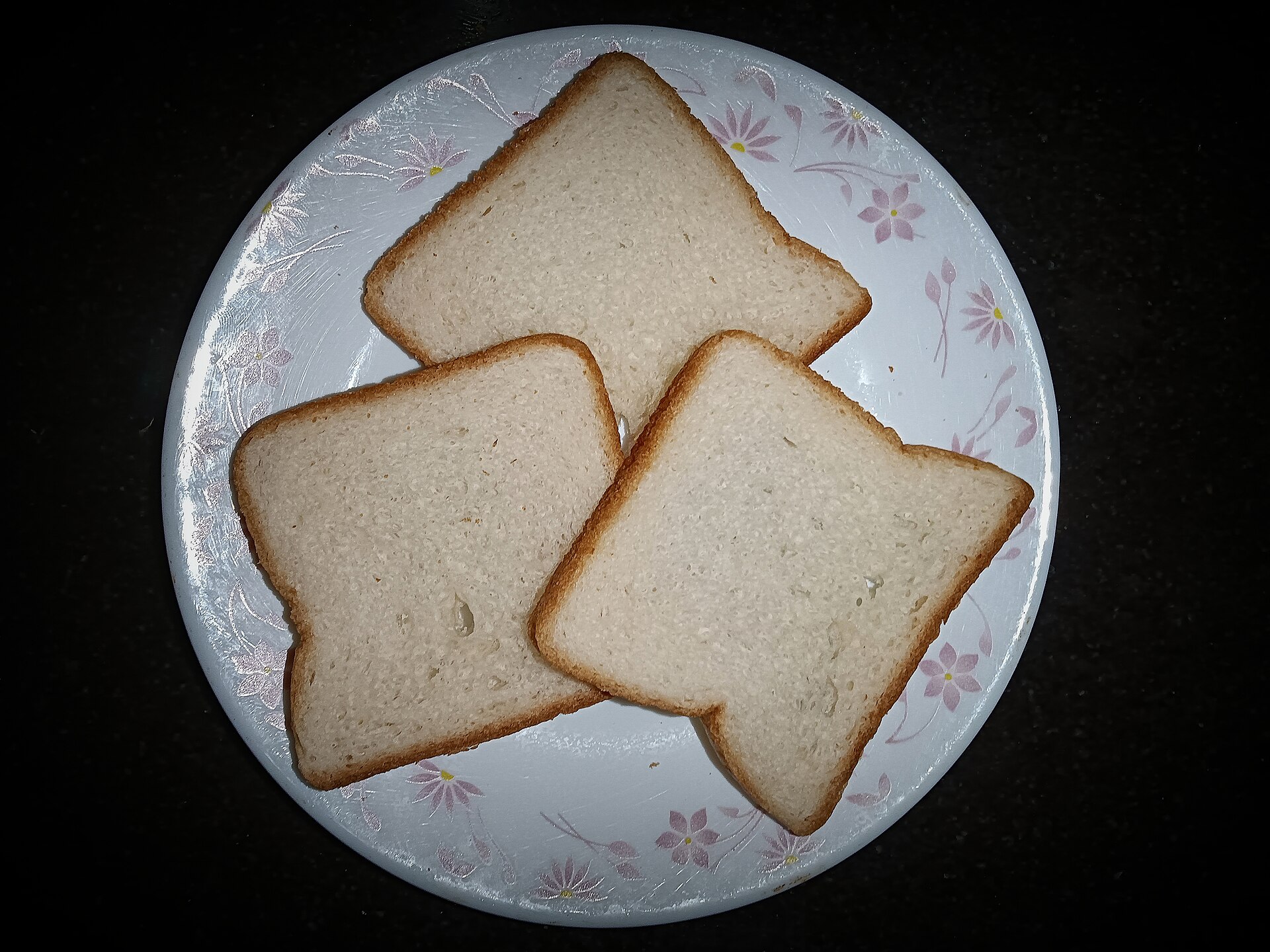
Sliced bread arranged on a wooden board. Photograph: the subject
Image Credits: Wikimedia Commons
Bloating after bread is a swollen, tight feeling in the abdomen that often arrives with gas. It is commonly blamed on gluten, but gluten is only one of several parts of wheat that can cause it.
The likeliest culprit for many people is a carbohydrate in wheat called fructan. Fructans pass undigested into the colon, where gut bacteria ferment them into gas, and that gas stretches the gut wall.
This article explains why your stomach feels bloated after eating bread, including what bread does in your gut, fructans as the usual suspect, gluten and wheat allergy, other reasons bread bloats you, and what to try next.
This article is for general information only and is not medical advice; talk to a clinician about any symptoms.
What bread does in your gut
Bread is mostly starch, water, yeast and salt, plus the proteins and carbohydrates of wheat. Chewing and stomach acid break the starch down, but some wheat carbohydrates resist digestion entirely.
Those resistant carbohydrates are called FODMAPs, short for fermentable oligosaccharides, disaccharides, monosaccharides and polyols. They are short-chain carbohydrates that the small intestine absorbs poorly.
Because they are poorly absorbed, FODMAPs travel intact to the large intestine. There, resident gut bacteria ferment them, producing gases such as hydrogen and methane.
Gas stretches the bowel wall, and the stretch is felt as bloating, fullness and sometimes pain. Fructans also draw water into the intestine, which adds to the feeling of fullness.
People with sensitive guts, including those with irritable bowel syndrome, tend to feel the same amount of gas more intensely. That is why the same slice of bread can trouble one person and not another.
Fructans, the usual suspect
Fructans are the FODMAP family found in wheat, rye and barley, and they are also in onions, garlic and artichokes. They sit in the same foods as gluten, which is why gluten has taken the blame for so long.
A well-known trial tested the two separately. In a 2018 double-blind crossover study published in Gastroenterology, researchers at Oslo University Hospital gave 59 people with self-reported gluten sensitivity three challenges in turn: 5.7 grams of gluten, 2.1 grams of fructans, or a placebo, each hidden in muesli bars for seven days.
Bloating scores were highest after the fructan challenge. Mean bloating scores on the symptom scale were 9.3 for gluten, 11.6 for fructans and 10.1 for placebo, and the difference between fructan and gluten was statistically significant.
Overall symptom scores followed the same pattern, at 33.1 for gluten, 38.6 for fructans and 34.3 for placebo. The result does not prove fructans explain every case, but it shows why cutting gluten alone often fails to help.
Fermentation time matters too. Traditional long-fermented sourdough gives bacteria and yeast more time to break fructans down before baking, which is why some people tolerate sourdough better than quickly made bread, as described in our guide to why bread dough rises twice.
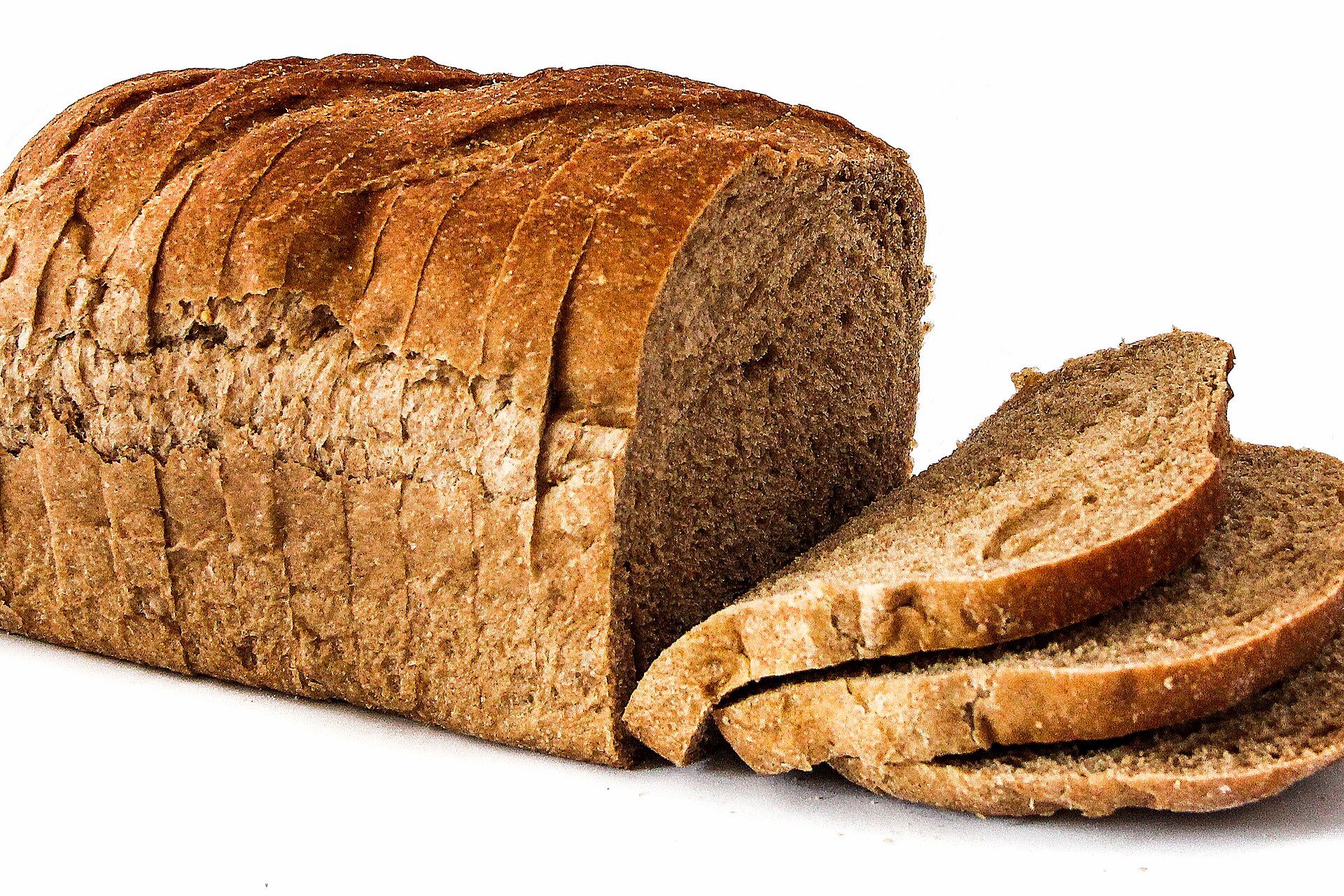
Freshly baked bread loaves cooling after baking. Photograph: the subject
Image Credits: Wikimedia Commons
Gluten, celiac disease and wheat allergy
Gluten is a family of proteins in wheat, rye and barley that gives dough its stretch and bread its structure. For most people it digests without trouble, but for a small group it triggers real disease.
Celiac disease is an autoimmune condition in which gluten damages the lining of the small intestine. It affects about 1 percent of the population, and it is diagnosed by blood tests and biopsy, not by symptoms alone.
People with celiac disease must avoid gluten completely, and even small traces can cause damage. Bloating is one of many possible symptoms, alongside weight loss, diarrhoea and fatigue.
Non-celiac gluten sensitivity is a label for people who feel worse after eating gluten but test negative for celiac disease and wheat allergy. Research on it is mixed, and the fructan trial above suggests some of those cases are really fructan sensitivity.
Wheat allergy is different again. It is an immune reaction mediated by IgE antibodies, and symptoms usually start within minutes to hours of eating wheat, sometimes including hives or breathing difficulty as well as gut symptoms.
Anyone with rapid symptoms, blood in the stool, unexplained weight loss or symptoms that keep returning should talk to a clinician. Those patterns need proper testing, not a home experiment with diet.
Other reasons bread bloats you
How you eat matters as much as what you eat. Eating quickly or talking while chewing leads to swallowed air, called aerophagia, which adds gas directly to the stomach and gut.
Portion size matters too. A single slice may be fine while three slices deliver enough fructans to cross a personal threshold, so the same food can seem inconsistent from day to day.
Salt in bread can add to a puffy feeling by encouraging water retention. Commercial breads also vary widely in salt content, so switching brands can change symptoms without any change in wheat itself.
Eating bread alongside other high-FODMAP foods stacks the load. A sandwich with onion and garlic bread, for example, combines several fructan sources in one meal.
Finally, bread that has gone stale does not cause bloating by itself, but staling changes texture and digestibility in ways some people notice, as explained in our guide to why bread goes stale so fast.
What to try next
A food and symptom diary is the simplest first step. Note the type of bread, the portion, what else was in the meal, and when symptoms started, then look for patterns over two weeks.
Trying one change at a time keeps the experiment readable. Switching to long-fermented sourdough, cutting the portion, or slowing down meals are each single changes worth testing separately.
A low-FODMAP elimination diet can identify fructan sensitivity, but it is restrictive and best done with dietitian guidance. Cutting whole food groups without a plan risks missing nutrients and masking a condition that needs treatment.
Do not start a strict gluten-free diet before celiac testing. Removing gluten first can make blood tests and biopsy results unreliable, which delays a proper diagnosis.
If symptoms are frequent, severe or changing, see a clinician. Bloating has many causes, and persistent symptoms deserve a real workup rather than a guess.
Frequently asked questions
Is bread bloating always caused by gluten?
No. Research points to wheat fructans as a common cause, and celiac disease, wheat allergy, portion size and eating speed can all contribute. Testing, not guessing, separates the causes.
Why can I eat sourdough but not ordinary bread?
Long fermentation gives microbes more time to break fructans down before baking, so sourdough can end up lower in FODMAPs than quickly risen bread. Portion size and other meal ingredients still matter.
How quickly does bread bloating start?
Fructan fermentation takes time, so bloating often builds over hours as food reaches the colon. Wheat allergy is faster, usually starting within minutes to hours of eating wheat.
Should I go gluten-free to test it?
Not before celiac testing, because removing gluten can distort test results. A clinician can arrange blood tests first, and a dietitian can guide a structured elimination trial afterward.
The bottom line
Bread bloating is usually about wheat fructans fermenting in the colon, not gluten alone. The 2018 trial result is a useful clue, but individual causes vary, so track portions and timing before changing your diet.
If bloating is frequent, severe or comes with warning symptoms, talk to a clinician. A proper diagnosis beats a guess, and it decides whether the fix is portion, bread type or medical treatment.
Tags: Digestion, Bread, Gut health, FODMAP
Rive News is a research desk covering home, health, money and everyday science topics, writing explainers from public sources rather than personal experience.
Related
- Why Does Bread Go Stale Faster in the Refrigerator?
- What Is Gluten and Why Kneading Develops It in Dough
- Why Bread Dough Rises Twice: Flavor, Gluten, and Better Crumb
Subscribe for one practical health explainer each week.
Rive News publishes general information only. Corrections are welcome through the research desk.
Related stories
ADHD linked to fourfold dementia risk in Pitt study of 187,000 adults
Adults with ADHD face four times the risk of dementia, a University of Pittsburgh study of 187,000 adults published in JAMA Psychiatry

Why Do Athletes Get Cramps Despite Drinking Water?
Muscle cramps strike even well-hydrated athletes because sweat drains electrolytes that plain water cannot replace. Here is why water alone
Do bananas actually prevent muscle cramps?
A medium banana has 422 mg of potassium, but the evidence says it cannot stop cramps. Here is what the research shows, and what actually