
Why Your Fridge Makes a Buzzing Noise (and When to Worry)
By Rive News / Research desk | Rive News / Published October 24, 2026 at 9:00 AM PKT
Key takeaways
- Most fridge buzzing is normal: brief ice-maker fills, compressor hum, and fan airflow are all expected sounds.
- The timing tells the story: a buzz every 90 minutes is a normal fill, while a buzz every 15 minutes means the ice maker has no water.
- A buzz you can hear from another room, especially with warm food inside, is the sign to call a technician.
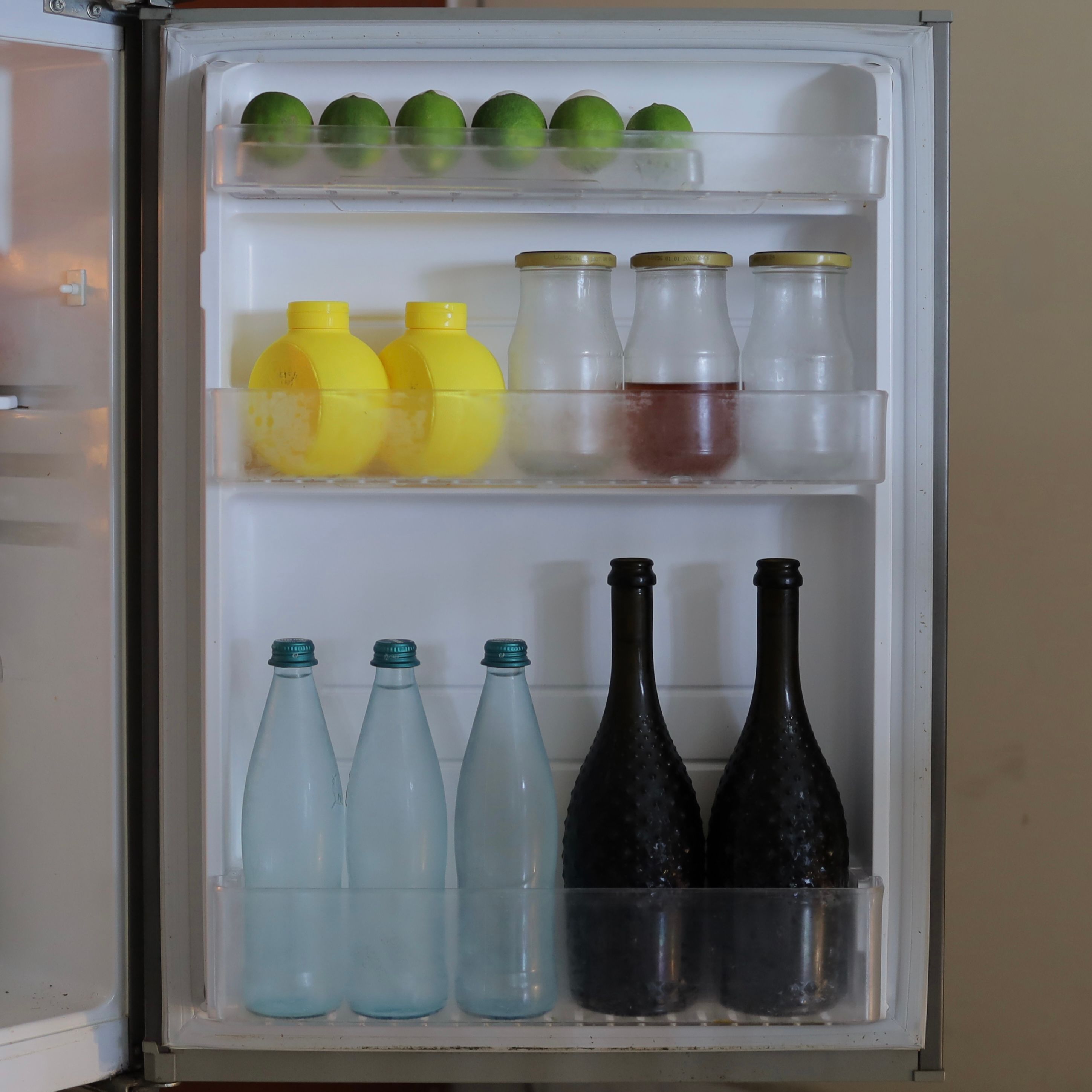
[A running refrigerator makes several normal sounds. The trick is knowing which buzz belongs to which part. Photograph: Pexels]
Image Credits: Pexels
A refrigerator is never truly silent. It hums, clicks, gurgles, and buzzes through its cooling cycles all day, and most of those sounds are the machine doing its job. The problem is that a healthy buzz and a dying compressor can sound similar to an untrained ear at two in the morning.
The good news is that buzzing is one of the easiest fridge sounds to diagnose, because each cause has a signature timing. A buzz every hour and a half means something completely different from a buzz every fifteen minutes. This article explains the normal sounds, the three checks that solve most buzzing, and the warning signs that mean the repair needs a professional.
The normal buzzes: ice maker, compressor, fans
The number one harmless buzz comes from the ice maker. When the water valve opens to fill the ice tray, it buzzes briefly, roughly every 1 to 1.5 hours. GE's own troubleshooting guidance confirms this rhythm is normal, and a few seconds of buzz that stops on its own needs no action at all.
The compressor contributes a low motor hum while it runs. Samsung describes it as a quiet engine sound that may change speed and click as it cycles, getting louder for a short stretch after startup or after a defrost, then settling once the temperature stabilizes. Gurgling from refrigerant and soft airflow from the internal fans round out the normal soundtrack.
One oddity worth knowing: some GE models buzz for about 5 seconds roughly once an hour because of an isolation valve that limits filter-related flooding. That is normal on those machines, not a fault developing.
The 15-minute buzz: check the water first
If the buzz repeats about every 15 minutes instead of every 90, the diagnosis changes. The ice maker is switched on but has no water to work with, so the valve keeps trying and failing to fill. The fix is simple: open the water supply valve, or turn the ice maker off if the fridge is not hooked up to a water line.
Samsung gives the same advice bluntly: with no water line connected, turn the ice maker off to avoid noise and damage. If water is connected and the buzz is loud, the pressure may be too high. Samsung's own check is practical: you should still be able to dispense about three-quarters of a cup in under 10 seconds, and anything much faster suggests excess pressure straining the valve.
This single check resolves a large share of "my fridge is buzzing" complaints. It costs nothing, takes a minute, and the timing pattern makes it unmistakable.
The fan and level checks
Not every buzz comes from the water system. Two quick physical checks cover the rest of the common causes.
First, listen with the freezer door open and closed. If a whirring or scraping noise changes or stops when the door opens, the evaporator fan inside the freezer compartment is the suspect. A fan blade striking frost buildup makes a scraping or grinding sound that fades after the defrost cycle clears it, then returns within a day, which points to a defrost system problem underneath that deserves a service call.
Second, check whether the fridge is level and clear of the cabinets. A fridge pushed too close to the wall vibrates against it, and loose items on top or a crooked drip pan can rattle with every compressor cycle. Adjust the leveling feet and leave an air gap around the unit; rattling that disappears after repositioning was never a mechanical fault at all.

[If the buzz changes when you open the freezer door, the evaporator fan is the likely source. Photograph: Pexels]
Image Credits: Pexels
When the buzz means trouble
Treat the sound as a problem when it breaks the normal patterns. A hard buzz you can hear from another room, a hum that never settles, or buzzing paired with warm compartments all point past the easy fixes.
The sound to fear most is loud buzzing with repeated clicking and a fridge that is not cooling. That combination usually means the start relay or compressor is failing to start: the compressor tries, clicks, and tries again every few minutes. Unplug the unit and call a service technician or a qualified repair shop, because running it in that state risks killing the compressor entirely.
Dirty condenser coils are the slow-burn version of the same problem. Coils at the back or underneath collect dust over time, and clogged coils force the compressor to work harder, which makes it louder.
The maintenance is straightforward: unplug the refrigerator, vacuum or brush the coils gently, plug it back in, and listen for the difference. Doing this every six months keeps the compressor from straining itself into an early failure.
A knocking sound from the lower back panel is another professional-only symptom. It means the compressor is moving inside worn mounts, and it gets worse on its own. Like the clicking relay, it does not resolve with cleaning or leveling.
A quick diagnostic routine
When the buzz starts, run this sequence before calling anyone. First, time the buzz: every 90 minutes for a few seconds is the ice maker filling, which is normal, while every 15 minutes is the ice maker starved of water, which you can fix yourself.
Second, open the freezer door mid-buzz. If the sound changes, the evaporator fan or frost buildup is involved. Third, pull the fridge slightly away from the wall and check the leveling feet; if the buzz was really a rattle, it stops immediately.
Fourth, feel the lower rear panel. Excess heat plus a loud, constant drone suggests the compressor is overworked, and cleaning the condenser coils is the next step.
If the coils are clean, the fridge is level, the ice maker has water, and the buzz is still loud and constant with poor cooling, the remaining suspects are the start relay, the fan motors, or the compressor itself. That is the point where a DIY diagnosis ends and a technician's begins.
Seasonal home checks pair well with this kind of maintenance. Just as you might winterize outdoor faucets in 7 steps before the cold arrives, a twice-yearly coil cleaning keeps the fridge quiet and efficient.

[Most buzzing is fixed in minutes: water supply, door test, and leveling cover the common causes. Photograph: Pexels]
Image Credits: Pexels
Frequently asked questions
Is it normal for a fridge to buzz?
Yes, in short bursts. A brief buzz every hour or so is the ice maker filling, and a low hum while cooling is the compressor working. Buzzing becomes abnormal when it is loud, constant, or paired with poor cooling.
Why does my fridge buzz every 15 minutes?
The ice maker is on but has no water supply, so the valve keeps attempting to fill. Turn on the water supply valve or switch the ice maker off if the fridge is not connected to water. The 15-minute repeat is the signature of this exact problem.
Why does the buzzing stop when I open the freezer door?
Opening the door breaks the circuit to the evaporator fan, so a noise that changes with the door points to that fan. It may be striking frost buildup, which suggests the defrost system needs attention.
Can dirty coils make my fridge louder?
Yes. Dust-clogged condenser coils trap heat and force the compressor to work harder, which raises its noise level. Unplug the fridge and vacuum the coils every six months to keep the compressor running quietly and efficiently.
When should I call a technician about fridge noise?
Call when you hear loud buzzing with repeated clicking and warm compartments, knocking from the lower rear panel, or grinding from the freezer that returns after defrosting. These indicate start relay, compressor mount, or defrost system failures that need professional repair.
The bottom line
A buzzing fridge is usually telling you something simple: ninety-minute buzzes are the ice maker filling, fifteen-minute buzzes are the ice maker asking for water, and rattles are the cabinet asking for space. Learn the timing and run the four checks, and most buzzing resolves without a repair bill. The buzz that ignores all of that, loud and constant with food going warm, is the one that earns a technician's visit.
Tags: refrigerator, appliances, home maintenance, troubleshooting, diy
Rive News's research desk covers home and DIY with explainers grounded in documented sources.
Related
- Why do floorboards swell in winter, and how do you fix them?
- Why Your Dryer Takes Two Cycles to Dry Clothes: Causes and Fixes
- Why does your tap water taste strange sometimes: common causes
- How to winterize outdoor faucets in 7 steps
Get home maintenance explainers in your inbox every week. Subscribe for one email, no spam.
Rive News publishes research-backed explainers. Corrections: contact the research desk with the article URL and the fact to check.
Related stories
Why Your Faucet Keeps Dripping After You Turn It Off
A dripping faucet is usually a worn washer, O-ring, or cartridge that can no longer seal. One drip per second wastes over 3,000 gallons
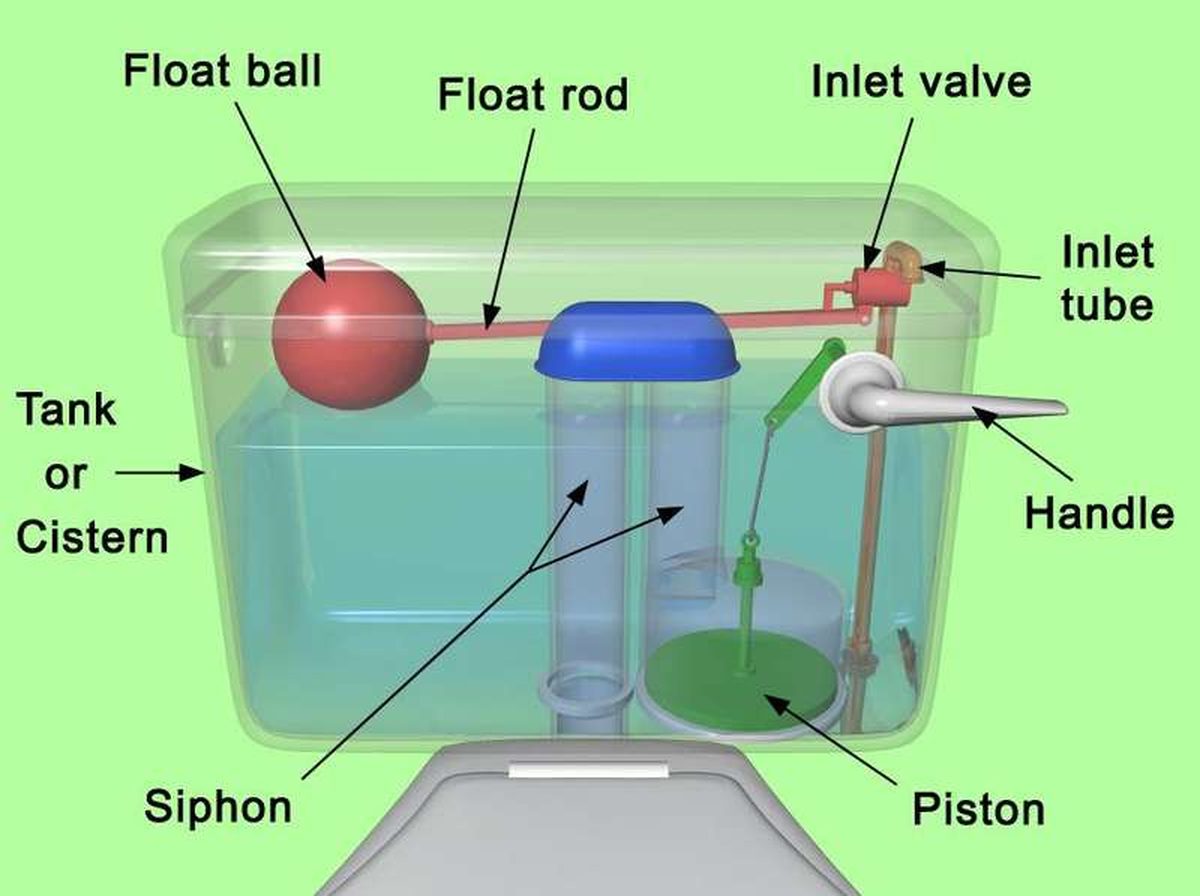
How to fix a running toilet without a plumber in 30 minutes
A running toilet can waste 200 gallons of water a day. Diagnose the flapper, float, or fill valve in two minutes, then fix it yourself
How to hang heavy shelves on drywall safely
Studs first, toggle bolts second, plastic anchors never for heavy loads. Weight ratings, installation steps, and mistakes that bring