
Why does your tap water taste strange sometimes: common causes
By Rive News / Research desk | Rive News / Published October 20, 2026 at 9:00 AM PKT
Key takeaways
- Most strange tastes come from chlorine disinfectant, old pipes, algae, or water that sat too long in the plumbing.
- Chlorine taste is usually harmless: the EPA caps chlorine at 4 mg/L, and most people can taste it at just 1 mg/L.
- Match the fix to the flavor: airing or filtering handles chlorine, while metallic or salty tastes may point to your pipes or water source.
Tap water has a taste because it is not pure water. It carries dissolved minerals from its source, disinfectants added at the treatment plant, and traces of everything it touches on the way to your glass, including miles of pipe.
Most of the time you do not notice any of this. The taste seems strange only when something changes: a treatment plant raises its chlorine dose, algae blooms in the reservoir, your pipes start corroding, or water sits unused in the plumbing for days.
This article explains why your tap water tastes strange sometimes, including the main culprits, chlorine and chloramine, metallic tastes from pipes and minerals, salty, earthy, and musty flavors, and what you can do about the taste.
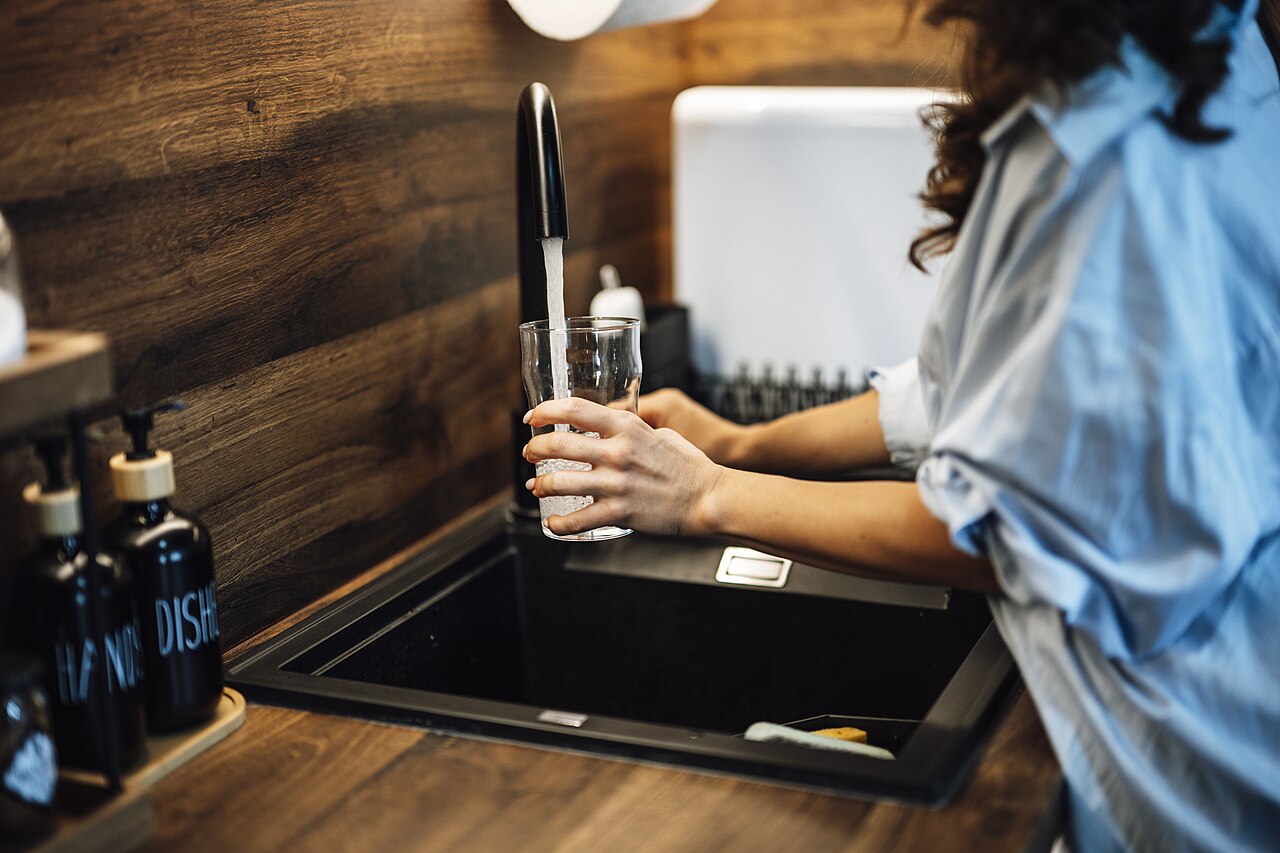
A person filling a glass with water from a kitchen tap, where most taste and odor complaints begin.
Image Credits: Wikimedia Commons
Why does your tap water taste strange sometimes: the main culprits
The most common causes fall into a short list. Chlorine or chloramine disinfectant creates a pool-like or chemical taste.
Corroding iron or copper pipes, or iron and manganese in groundwater, create a metallic taste. Algae blooms cause earthy or musty flavors, especially in warm months. Road salt, seawater intrusion, or a malfunctioning water softener can make water taste salty.
Your own plumbing can be the culprit too. The Wilmington water utility notes that stagnant water, unmaintained home filters, drain odors near the sink, and infrequently flushed water heaters all change how tap water tastes.
A quick test helps: fill a clean glass, step away from the sink, and smell it. If the odor fades, the drain was the problem, not the water.
Chlorine and chloramine
That swimming-pool smell is chlorine, and it is there on purpose. Public water systems add chlorine to kill bacteria, viruses, and parasites, and the EPA requires a small residual to remain in the water as it travels through the distribution system to your home.
The EPA caps chlorine at 4 milligrams per liter, a level considered safe to drink, according to the Alaska Department of Environmental Conservation. Most people can taste or smell chlorine at just 1 mg/L, so water can taste strongly of chlorine while still meeting every safety standard. Homes closer to the treatment plant often notice it more, since less of the residual has dissipated along the way.
Many utilities now use chloramine instead, a compound of chlorine and ammonia that lasts longer in the pipes. CleanWaterStore notes that chloramine does not evaporate from standing water the way chlorine does, and it needs a different filter type (catalytic carbon) to remove. Taste and odor complaints also spike in warm weather and after heavy rain, when treatment plants temporarily raise disinfectant doses to handle extra organic material in the source water.
Metallic tastes from pipes and minerals
A metallic or bitter taste usually traces back to metal in the water. King County's water quality guidance explains that iron or copper pipes corrode over time and leach into drinking water, and groundwater sources carrying iron or manganese add a metallic flavor of their own.
This taste often shows up first thing in the morning, after water has sat in the pipes overnight. Running the tap for 30 seconds to a minute usually clears it, since you are flushing out the water that had the longest contact with the metal. If the metallic taste seems to sit in your mouth rather than in the glass, the cause may be dental or medical, not plumbing, which is a different question with its own answers.
Note that lead is colorless and odorless, so it never announces itself with a taste. If your home has old plumbing and you are concerned about lead specifically, that is a job for a certified lab test, not your tongue.
Salty, earthy, and musty flavors
Salty-tasting water usually means elevated chloride ions. King County lists the common routes: seawater reaching groundwater near coasts, chlorides occurring naturally in the ground, road salt washing into sources in winter, or a malfunctioning water softener adding too much salt. Seawater intrusion is the same basic chemistry behind why the sea is salty while rivers are not.
Earthy or musty flavors are the signature of algae. The Wilmington utility explains that seasonal algae outbreaks in reservoirs create these tastes, which is why the flavor often appears in summer and fades by winter. These flavors are unpleasant but are typically a treatment and source-water issue, not a sign your pipes are failing.

A woman drinking a glass of water; an off taste is hard to miss, which is why changes get noticed fast.
Image Credits: Wikimedia Commons
What you can do about the taste
Start by identifying the flavor, then match the fix. For chlorine taste, the Alaska Department of Environmental Conservation lists three simple options: let a pitcher of water stand uncovered for several hours, boil the water for 15 to 20 minutes, or install an activated carbon filter. A basic pitcher filter handles chlorine well for most households.
Chloramine needs catalytic carbon specifically, since standard activated carbon does not remove it effectively, according to CleanWaterStore. Check your utility's annual water quality report to learn which disinfectant your system uses before buying a filter.
For water that sat unused, flush the tap. Wilmington's utility recommends running taps after returning from a trip or after water has been stagnant for 24 hours. If only the hot water smells, like rotten eggs, the water heater likely needs flushing per the manufacturer's guidance, not the cold supply.
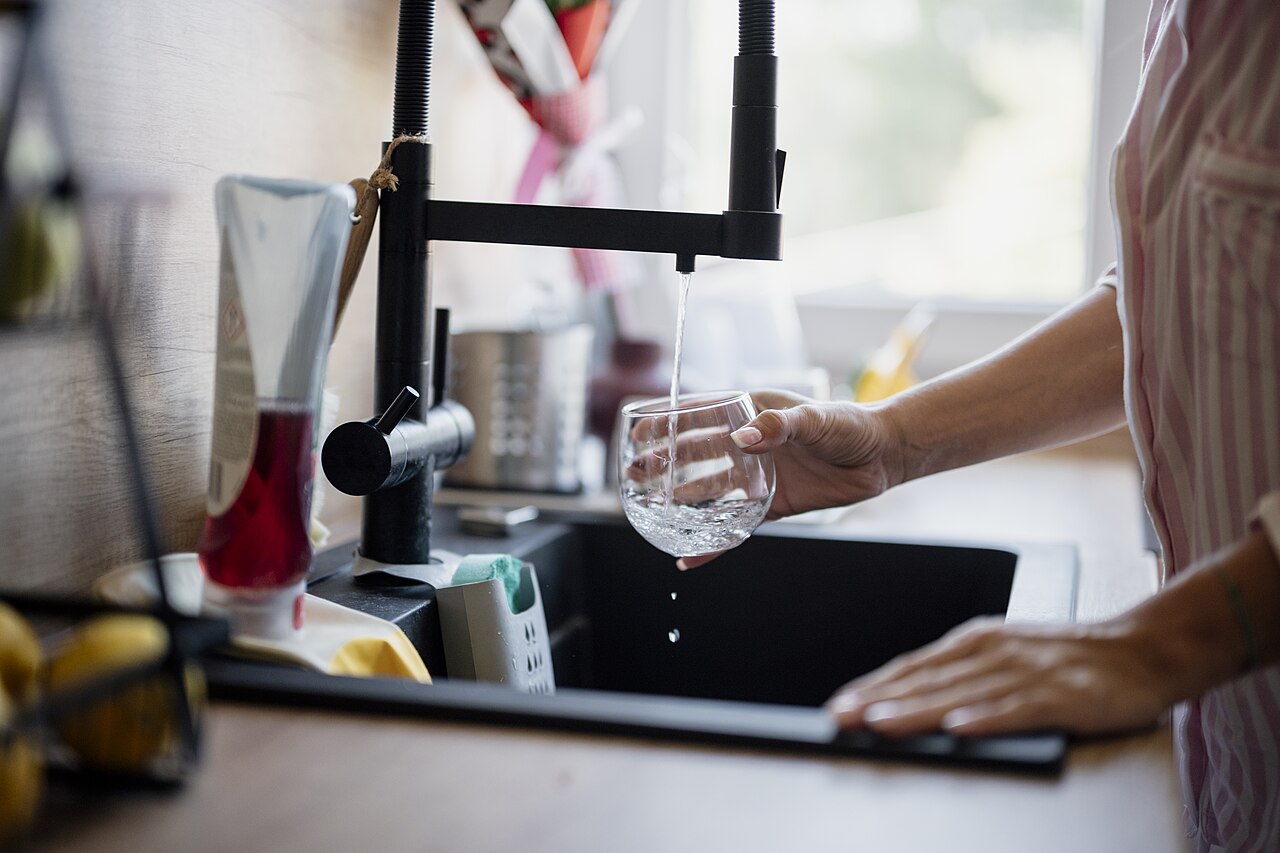
Hands holding a glass under a running kitchen faucet; flushing the tap clears water that sat too long in the pipes.
Image Credits: Wikimedia Commons
And if the strange taste hits every tap in the house at once, ask your neighbors whether they notice it too. A shared problem points to the municipal supply, which means calling your water utility instead of replumbing your kitchen. After a long outage, flushing your taps for a minute is also smart before drinking.
Frequently asked questions
Is it safe to drink tap water that tastes like chlorine?
Generally, yes. The EPA limits chlorine to 4 mg/L, and the Alaska Department of Environmental Conservation states these levels do not pose a health risk.
Most people can taste chlorine at 1 mg/L, far below the cap. If the taste is very strong or sudden, contact your water provider to check whether dosing changed.
Why does my tap water taste fine most days but strange sometimes?
Treatment plants adjust disinfectant doses with the seasons, after storms, and during maintenance like hydrant flushing. Warm weather and algae blooms also shift flavors. Your pipes contribute too: water sitting overnight picks up more metallic taste than water drawn after the tap has run.
Why does only my hot water taste or smell bad?
A rotten-egg smell in hot water only usually means hydrogen sulfide forming in the water heater, often from infrequent flushing or the anode rod reacting with water chemistry. The Wilmington utility recommends following the manufacturer's maintenance schedule. Cold water tasting fine while hot water smells is a heater issue, not a supply issue.
Will a regular pitcher filter fix any bad taste?
No. Pitcher filters with activated carbon handle chlorine taste well, but chloramine needs catalytic carbon, and no pitcher filter fixes metallic taste from corroding pipes or salty water from source problems. Diagnose the flavor first, then buy the filter that targets it.
Should I just switch to bottled water?
Bottled water sidesteps the taste but adds cost, storage, and plastic waste, and it is not automatically safer than regulated tap water. For most taste complaints, a ten-dollar pitcher filter or simply letting water stand does the job. Reserve bottled water for boil notices or confirmed contamination events.
The bottom line
Strange tap water taste almost always has an ordinary explanation: disinfectant doing its job, aging pipes, seasonal algae, or water that sat too long. Identify the flavor first, because chlorine, metallic, salty, and earthy tastes each point to a different fix. For chlorine, the cheapest test is free: fill a pitcher, leave it uncovered for a few hours, and taste again.
Tags: tap water, drinking water, water quality, home plumbing, water filters
Rive News's research desk covers practical home maintenance, turning trade and restoration guidance into plain-language how-tos.
Latest in Home & DIY
- What causes water stains on your ceiling
- How to get candle wax out of carpet
- What to do when your power goes out suddenly
- How to stop your washing machine from smelling
Get one practical home fix in your inbox every week. Subscribe to the Rive News newsletter.
Published by Rive News. Information is for general purposes only.
Related stories
Why Your Faucet Keeps Dripping After You Turn It Off
A dripping faucet is usually a worn washer, O-ring, or cartridge that can no longer seal. One drip per second wastes over 3,000 gallons
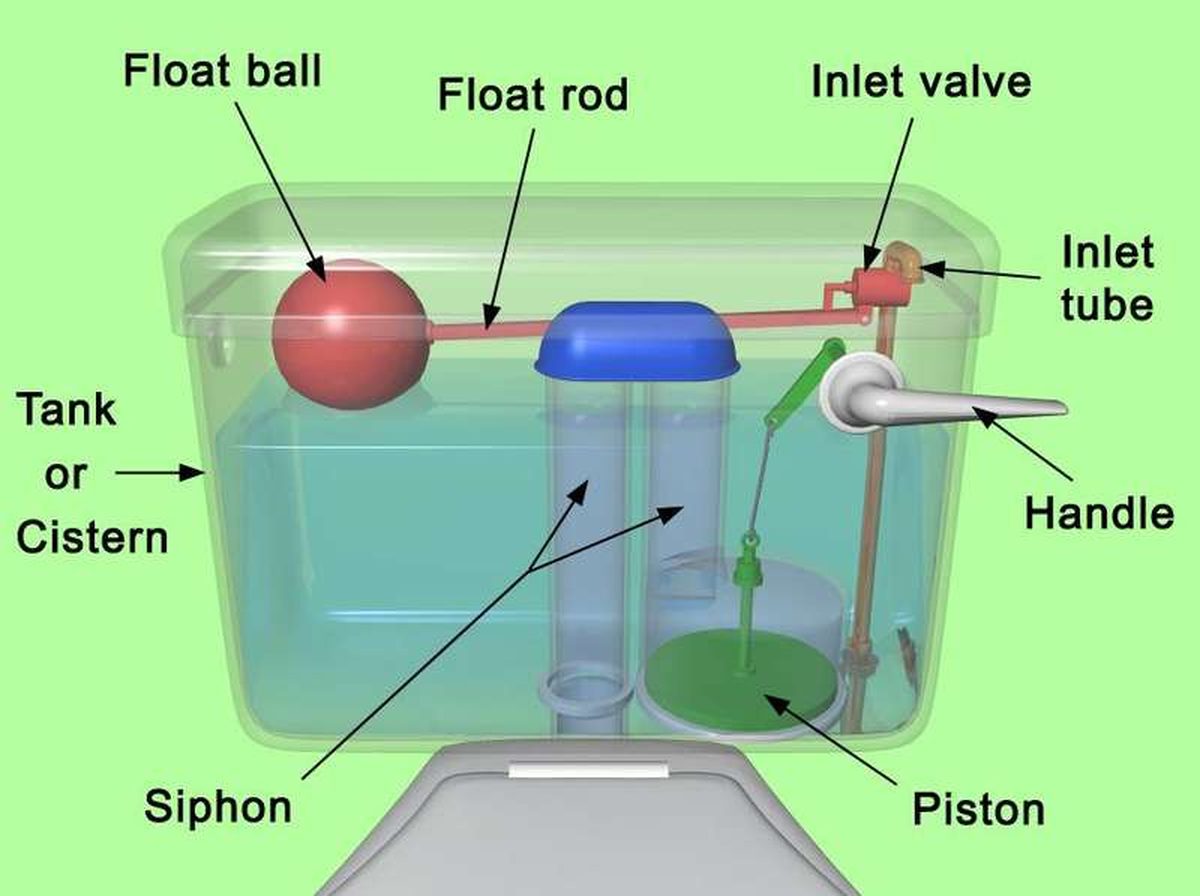
How to fix a running toilet without a plumber in 30 minutes
A running toilet can waste 200 gallons of water a day. Diagnose the flapper, float, or fill valve in two minutes, then fix it yourself
How to hang heavy shelves on drywall safely
Studs first, toggle bolts second, plastic anchors never for heavy loads. Weight ratings, installation steps, and mistakes that bring