
How to get paint off hardwood floors
By Rive News / Research desk | Rive News / Published October 26, 2026 at 9:00 AM PKT
Key takeaways
- Identify the paint type first: latex paint and oil paint need different solvents.
- Scrape with a plastic edge before any chemical, and test every solvent in a hidden spot.
- Acetone-based removers and sanding are last resorts, not starting points.
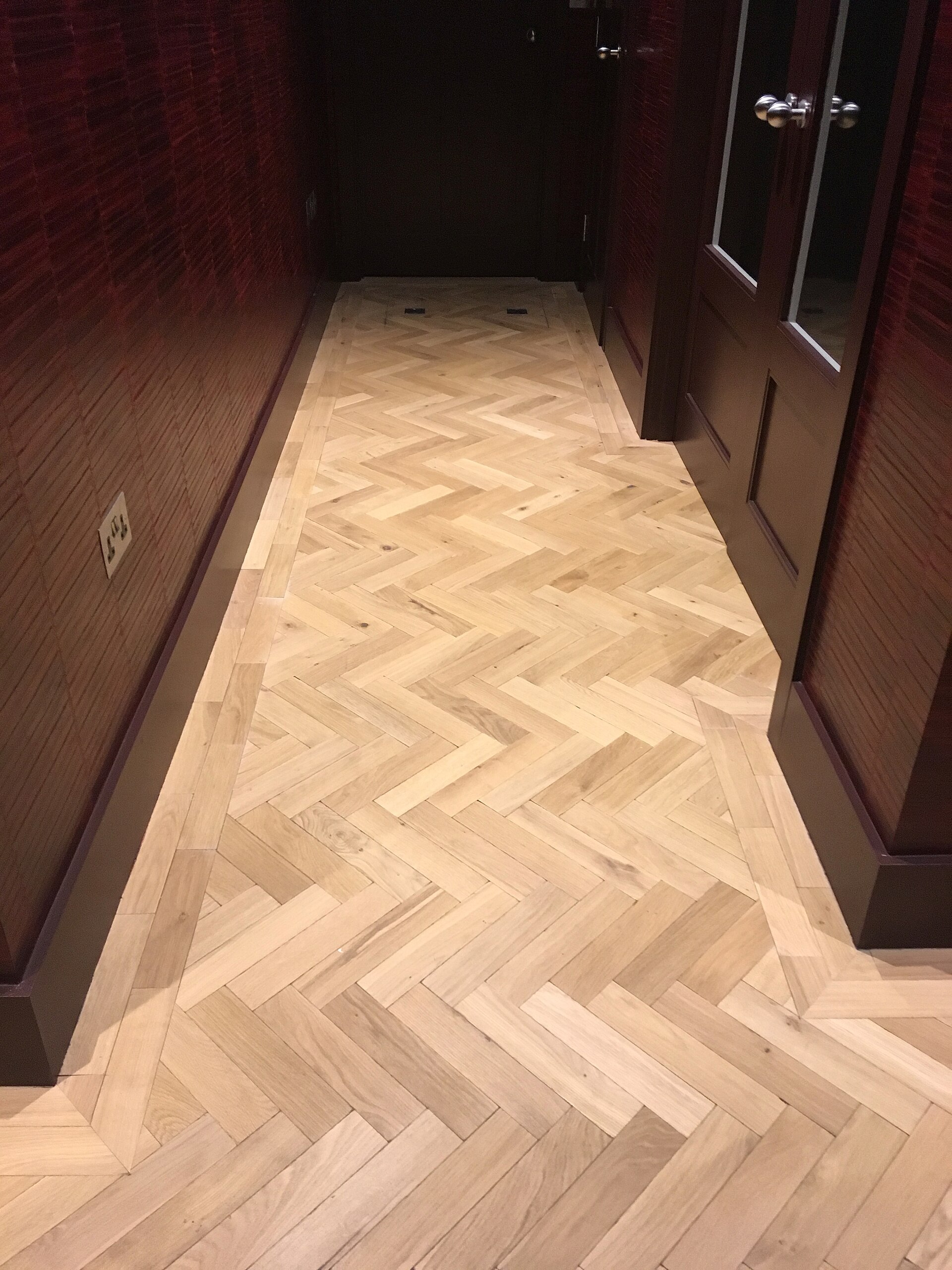
[A distressed parquet floor showing worn hardwood grain, the kind of surface where paint removal must protect the finish.] Photograph: Wikimedia Commons contributor
Image Credits: Wikimedia Commons
Paint on a hardwood floor looks worse than it is. The paint sits on top of the finish, not in the wood itself, so it can usually be lifted without refinishing the floor. The trick is matching the method to the paint.
Latex paint softens with water and alcohol. Oil paint needs a petroleum solvent. Using the wrong one wastes effort and risks the finish.
This article walks through the order that works: safety checks first, then identification, then scraping, then the solvent choice by paint type, then the stubborn cases and the finish repair.
Start with two safety checks
Check the age of the paint before you scrape or sand anything. Homes built before 1978 may have lead paint, and sanding lead paint spreads toxic dust. If the paint could be old, test it for lead first and stop if the test is positive.
A lead-safe approach is a job for a specialist, not a weekend scrape.
Check the floor finish too. Most modern hardwood floors wear a polyurethane coat, which tolerates brief contact with mild solvents. Older floors may carry shellac, lacquer, wax, or a penetrating oil finish, and those are far easier to damage.
Alcohol dissolves shellac. Strong solvents dull lacquer. Wax lifts under vigorous scrubbing.
If you do not know the finish, test every solvent in a hidden spot, such as inside a closet or under a large appliance, and watch for dulling or softening before touching the visible stain.
Identify the paint type
The simplest test uses rubbing alcohol. Dab a little on a cloth and rub a hidden edge of the paint. If colour transfers to the cloth, the paint is water-based latex or acrylic.
If nothing transfers, it is likely oil-based. Junckers' hardwood guide recommends exactly this test, and it takes under a minute.
Fresh paint is easier than dried paint regardless of type. A wet latex spill wipes up with a damp cloth. A dried drip needs softening first.
Age matters less than type for choosing a solvent, but it matters a lot for effort: a drip that has cured for months will need several gentle passes rather than one hard scrub.
Scrape first, always
Every method starts the same way: lift as much paint as possible with a plastic putty knife or an old credit card held at a shallow angle. Work the edge under the paint to lift it rather than scraping across the finish. Metal scrapers and razor blades can gouge the topcoat, and once the finish is cut, the spot needs refinishing.
For fresh latex spills, warm water with a few drops of dish soap is the gentlest next step. Dampen a microfiber cloth, drape it over the paint for a minute to soften it, then wipe. Rinse with a clean, barely damp cloth and dry at once.
Standing water harms most floor finishes more than the paint did, so never flood the area.
Heat is a useful second step for dried paint that resists scraping. A hairdryer on its lowest setting, held a few inches above the paint and moved in small circles for 10 to 20 seconds, softens most paints enough to lift. Stop as soon as the paint bubbles.
Sustained heat scorches polyurethane and wax, and shellac should not be heat-treated at all.
The solvent decision by paint type
For latex paint, rubbing alcohol is the standard next solvent. Dampen a cloth with it, press it on the spot briefly, and rub gently. Denatured alcohol works too, but it is more aggressive on finishes, particularly shellac and lacquer, so it needs extra care and a hidden-spot test.
Warm white vinegar is a lower-fume alternative: dab it on, let it sit about 10 minutes, then scrape with a plastic edge. Do not leave vinegar sitting longer than needed, since the acid can dull a finish over time.
For oil paint, the standard solvent is mineral spirits, also called paint thinner. It dissolves the oil binder that holds the paint together. Pour a little onto a cloth, never directly onto the floor, and rub the spot gently.
Mineral spirits are generally safe for brief contact with cured polyurethane and varnish, but they should be applied sparingly and wiped away promptly. Work with windows open and keep the area clear of open flames or pilot lights while solvents are in use.
The rule behind both choices is simple: match the solvent to the binder. Latex paint uses an acrylic binder that alcohol softens. Oil paint uses an alkyd binder that petroleum solvents dissolve.
Water alone stops working on latex once the paint has cured and its polymers have coalesced, which is why dried latex needs alcohol rather than just a wet cloth.
[A finished painted room with blue walls and a wood floor, the setting where drips and splatters usually land.] Photograph: Wikimedia Commons contributor
Image Credits: Wikimedia Commons
Stubborn spots and what not to use
If scraping, heat, and the right solvent all fail, a wood-safe paint stripper rated for finished floors is the next step. Check the label: a stripper made for bare wood may be too harsh for a finished floor. Apply it only to the paint spot, follow the dwell time on the label, and wipe it away fully.
Avoid nail polish remover. Most removers contain acetone, which eats through polyurethane, varnish, and wood stain within seconds and leaves a permanent white haze or bare spot. Avoid sanding until every gentler method has failed.
Sandpaper cannot tell the paint drip from the surrounding varnish, so it cuts through the finish and creates a patch that needs refinishing.
If a spot does lose its sheen, the repair depends on the finish. A polyurethane floor can often be revived with a dab of matching polyurethane feathered over the dull area after cleaning. A waxed floor responds to re-waxing and buffing.
An oiled floor takes a fresh coat of the same oil. When the damage covers a large area or reaches bare wood, refinishing that section is the honest fix.
A clean sequence to follow
Clear the area and lay a drop cloth before you start, so loosened paint does not spread. Scrape the bulk of the paint with a plastic edge. Identify the paint with the alcohol test if you are unsure.
Soften latex with soapy water or rubbing alcohol, and oil paint with mineral spirits on a cloth. Wipe, rinse with a barely damp cloth, and dry at once. Repeat in gentle passes rather than pressing harder.
Stop and reassess if the finish starts to dull.
Patience is the real tool here. Three light passes with the right solvent beat one aggressive scrub with the wrong one. The paint came off the floor one drip at a time, and it leaves the same way.
Frequently asked questions
Does vinegar remove paint from hardwood floors?
Warm white vinegar softens dried latex paint and works as a low-fume option. Let it sit about 10 minutes, scrape with a plastic edge, and wipe it away promptly so the acid does not dull the finish.
Can I use mineral spirits on dried latex paint?
Mineral spirits work poorly on dried latex because latex uses an acrylic binder, not an oil binder. Use rubbing alcohol or warm soapy water for latex, and save mineral spirits for oil-based paint.
Will rubbing alcohol damage my floor finish?
Rubbing alcohol is generally safe for brief contact with cured polyurethane, but it can damage shellac and dull lacquer. Test in a hidden spot first and keep contact short.
When should I sand paint off a hardwood floor?
Only as a last resort on confirmed lead-free paint, using very fine grit on the droplet alone. Sanding usually cuts through the finish, so expect to refinish the patch afterwards.
The bottom line
Getting paint off hardwood floors is a matching exercise, not a force exercise. Scrape first, identify the paint, then choose the solvent that dissolves its binder: soapy water or rubbing alcohol for latex, mineral spirits for oil paint. Test everything in a hidden spot, keep solvents off the surrounding finish, and avoid acetone and sanding until gentler methods have failed.
Done in that order, most drips leave without a trace.
Tags: hardwood floors, paint removal, DIY, floor care
Rive News's research desk covers everyday science and practical how-to topics, summarising public sources for general readers.
Related
- Why hardwood floors creak and how to quiet them fast
- How to fill cracks in plaster walls before painting
- Why does paint peel off in the bathroom?
- Why do floorboards swell in winter, and how do you fix them?
Subscribe for one practical explainer each morning.
Rive News publishes general information explainers; claims are attributed to the public sources listed above.
Related stories
Why Your Faucet Keeps Dripping After You Turn It Off
A dripping faucet is usually a worn washer, O-ring, or cartridge that can no longer seal. One drip per second wastes over 3,000 gallons
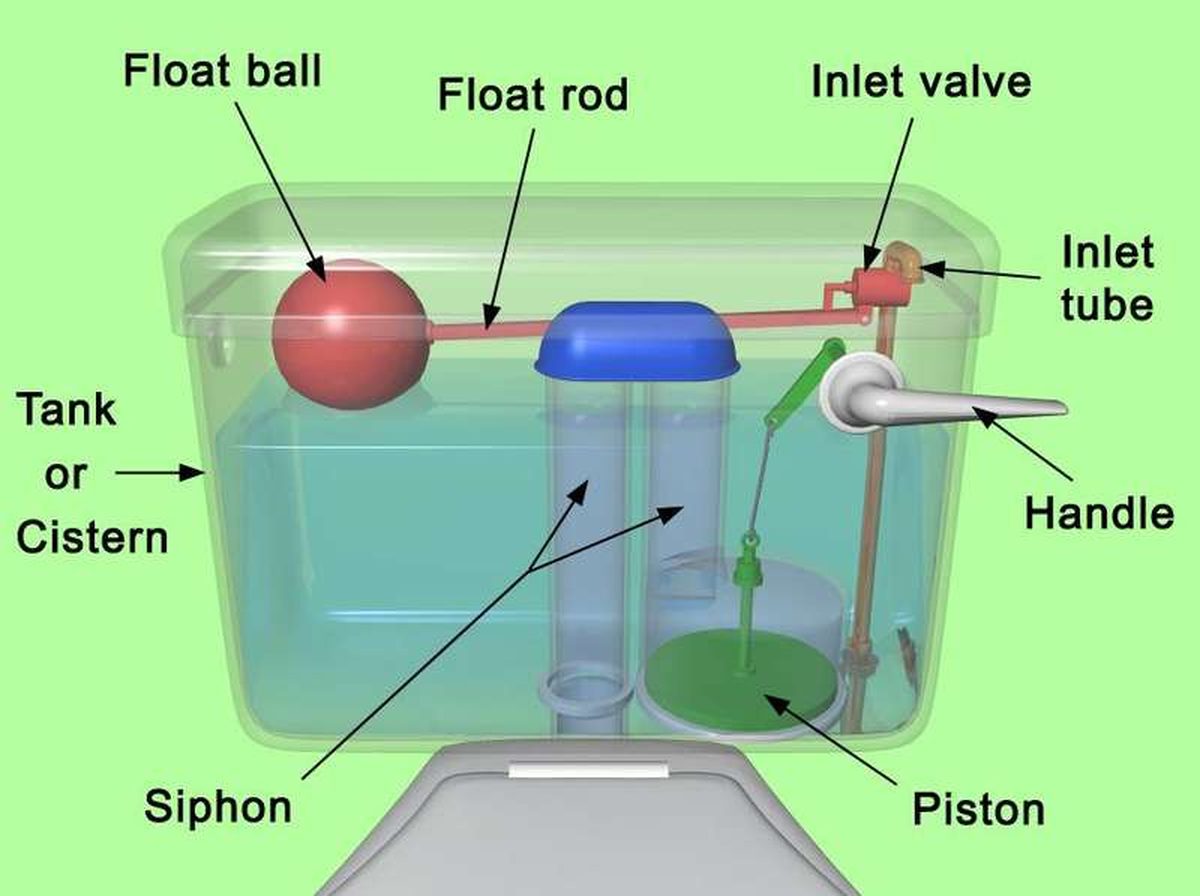
How to fix a running toilet without a plumber in 30 minutes
A running toilet can waste 200 gallons of water a day. Diagnose the flapper, float, or fill valve in two minutes, then fix it yourself
How to hang heavy shelves on drywall safely
Studs first, toggle bolts second, plastic anchors never for heavy loads. Weight ratings, installation steps, and mistakes that bring