
How Does a GFCI Outlet Detect a Ground Fault?
Key takeaways
- A GFCI constantly compares current leaving on the hot wire with current returning on the neutral wire.
- A difference of just 4 to 6 milliamps means current is leaking somewhere, possibly through a person.
- When it detects the imbalance, the GFCI trips in as little as 1/40th of a second, cutting power before shock becomes lethal.
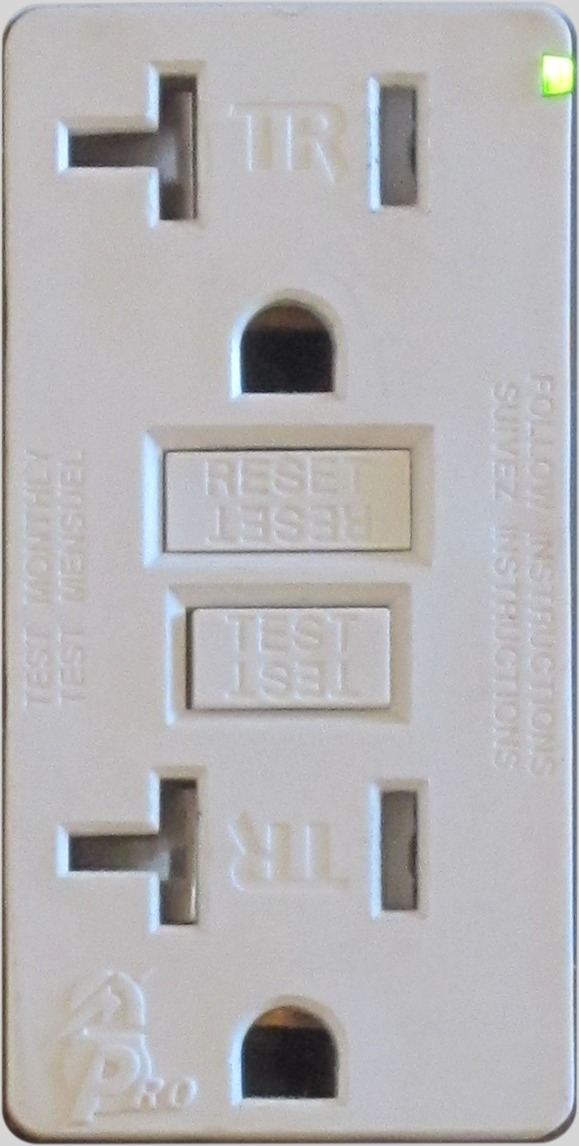
A GFCI outlet does not watch for overloads the way a circuit breaker does. It watches for something narrower and more dangerous: electricity taking a path it was never meant to take. That is what a ground fault is, and detecting one comes down to a simple accounting trick the outlet performs thousands of times a second.
The idea is straightforward. Electricity leaving an outlet through the hot wire should all come back through the neutral wire.
If some of it goes missing, it is leaking somewhere, and somewhere can be a person standing in water. This article explains the mechanism inside the outlet that catches that leak.
What a ground fault actually is
In a normal circuit, current flows out to the appliance on the hot conductor and returns on the neutral conductor. The two amounts match exactly, like money in and money out of a ledger.
A ground fault happens when electricity takes an unintended path to the ground. The classic scenario: a hair dryer falls into a sink, or a frayed cord touches a metal appliance case, or someone touches a live wire while standing on a wet surface. Some of the current detours through water, metal, or a human body and flows to ground instead of returning on the neutral wire.
That detour is what kills. It takes far less current than people imagine. The FDA's inspection guide on GFCIs notes that units trip at current levels as low as fractions of a milliampere up to 20 milliamperes, and that levels above 0.75 milliamperes still produce a shock sensation, with the device cutting power fast enough to prevent electrical injury.
How a GFCI outlet detects a ground fault: the differential transformer
The detection component inside every GFCI is a differential transformer, sometimes described as a toroidal transformer or sense coil. It is a ring of magnetic material with both the hot and neutral conductors passing through it.
Here is the elegant part. Under normal conditions, the current going out on the hot wire and the current coming back on the neutral wire are equal and opposite.
Their magnetic fields cancel each other out inside the ring, so the coil produces no signal. The outlet sees perfect balance and does nothing.
When a ground fault occurs, the returning current on the neutral wire is smaller than the outgoing current on the hot wire, because part of the current is leaking to ground. The magnetic fields no longer cancel.
That imbalance induces a small voltage in the sensing coil, and that voltage is the detection event. The sensing circuit energizes a relay, the relay opens the circuit, and power is cut.
The threshold is tiny. GFCIs are designed to trip when the imbalance reaches 4 to 6 milliamperes.
For comparison, a phone charger draws hundreds of times more current. The outlet is watching for a leak smaller than a rounding error in normal use.
How fast it trips
Speed is the whole point of the device. Detecting the fault means nothing if the power stays on long enough to hurt someone. The required trip speed is defined by the UL 943 standard, and it follows a time-current curve: the bigger the leak, the faster the trip must be.
At the minimum operating threshold of 5 milliamperes, the standard permits a maximum trip time of up to 7 seconds. That sounds slow, but a 5-milliampere leak is barely above the detection floor. As the fault current rises, the allowed time collapses.
At 20 milliamperes, four times the threshold, the maximum trip time drops to about 25 milliseconds. For fault currents above 300 milliamperes, the device must trip within 20 milliseconds, according to EngineerFix's analysis of the UL 943 curve.
In practical terms, most GFCIs trip in 20 to 30 milliseconds at realistic fault levels, roughly 1/40th of a second. That is faster than a human can react to a shock, and fast enough to cut power before the current can cause serious harm.
What a GFCI cannot do
A common misunderstanding is that a GFCI replaces a circuit breaker. It does not. The FDA's guide is explicit: a GFCI is not a fuse box or circuit breaker, and it does not react to overloads, only to ground faults.
A standard breaker protects the wiring from overheating when too much current flows through it. A GFCI protects people from shock when current leaves the intended path. The two devices watch different things, and a safe home needs both.
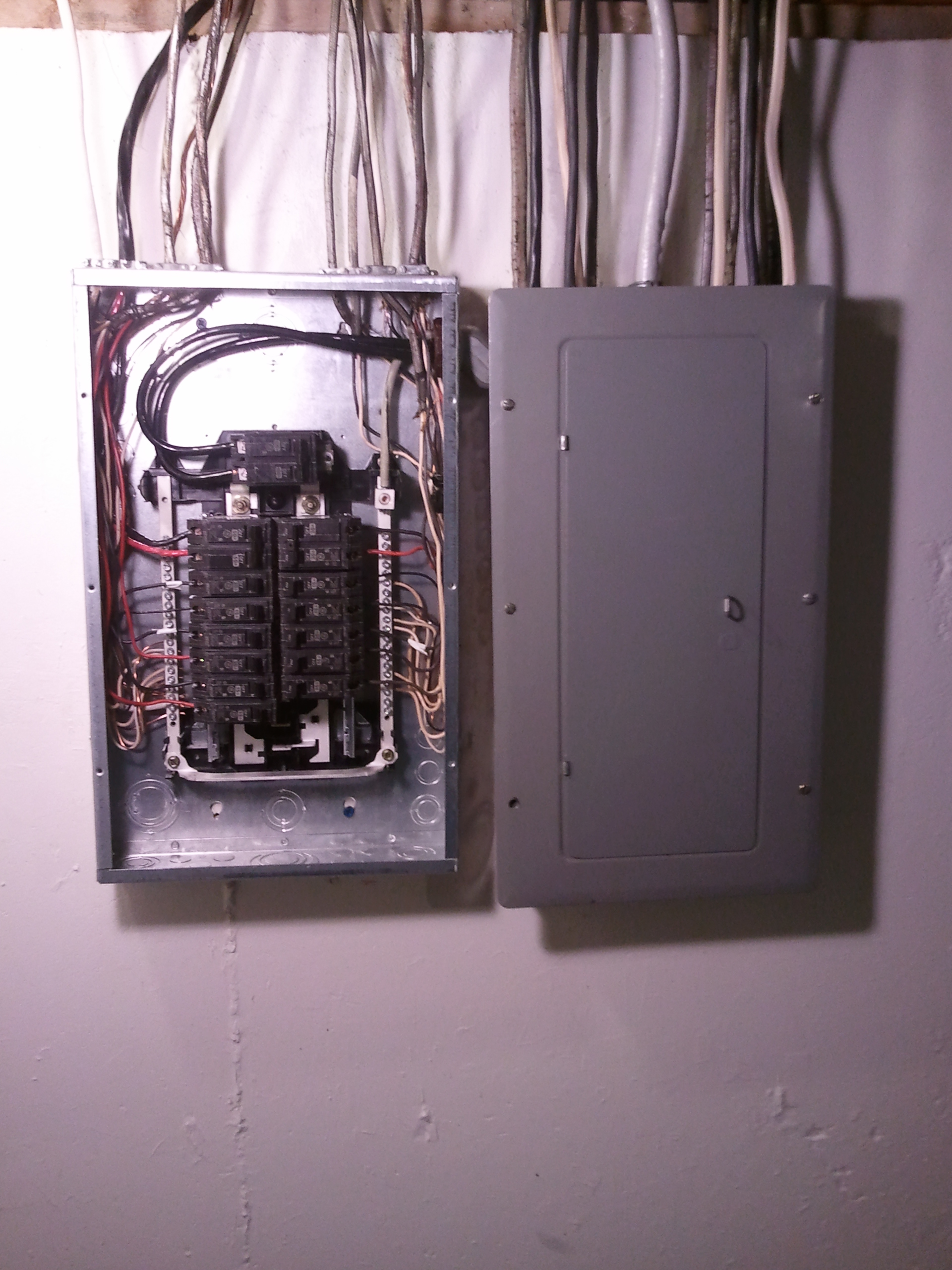
A GFCI also cannot protect you if you touch both the hot and neutral wires at once. In that case the current still balances, so the device sees nothing wrong. The protection is specifically against current leaking to ground, which is why the devices are required in bathrooms, kitchens, garages, and outdoor outlets, places where water makes a ground path through a person likely.
Testing the outlet
Every GFCI has two buttons on its face: TEST and RESET. Pressing TEST creates a simulated fault, an intentional imbalance that should make the device trip and cut power immediately. Pressing RESET restores power.
This is not a decorative feature. Experts recommend pressing the TEST button monthly to confirm the device still works. If the outlet does not trip when tested, it has failed and should be replaced, because a dead GFCI looks exactly like a working outlet until the day it is needed.
The National Electrical Code requires GFCI protection for receptacles in areas where water is commonly present, including all bathroom receptacles, kitchen counter outlets, garages, and outdoor locations. If an older home lacks them in these spots, adding them is one of the highest-value electrical upgrades available.
How is a GFCI different from a circuit breaker?
A circuit breaker trips on overloads or short circuits to protect wiring from fire. A GFCI trips on tiny current imbalances to protect people from shock. They do different jobs.
How many milliamps does it take to trip a GFCI?
The detection threshold is typically 4 to 6 milliamps of imbalance between the hot and neutral conductors, per the UL 943 standard.
Why does my GFCI trip for no reason?
It is rarely no reason. Moisture in an outdoor outlet, a failing appliance with a small internal leak, or a worn GFCI nearing end of life are the usual causes. Test the outlet and isolate which device causes it.
The bottom line
A GFCI outlet detects a ground fault by watching the balance between outgoing and returning current through a differential transformer. Equal currents mean silence. A 4 to 6 milliamp difference means current is leaking, and the device trips in about 1/40th of a second.
It will not stop an overload, so it works alongside breakers, not instead of them. Press the TEST button monthly, and replace any outlet that fails the test.
Latest in Home
- Why smoke detectors beep randomly without smoke
- Why pipes bang when you turn off the faucet
- How to silence a squeaky floorboard
- How to stop condensation on bedroom windows
Subscribe for one practical home fix in your inbox each week.
Image Credits: Wikimedia Commons / Wtshymanski, Gvolk
Related stories

Why Your Faucet Keeps Dripping After You Turn It Off
A dripping faucet is usually a worn washer, O-ring, or cartridge that can no longer seal. One drip per second wastes over 3,000 gallons
How to fix a running toilet without a plumber in 30 minutes
A running toilet can waste 200 gallons of water a day. Diagnose the flapper, float, or fill valve in two minutes, then fix it yourself

How to hang heavy shelves on drywall safely
Studs first, toggle bolts second, plastic anchors never for heavy loads. Weight ratings, installation steps, and mistakes that bring