
Why Does Paint Peel Off Galvanized Metal but Hold on Wood?
Key takeaways
- Zinc's slick, non-porous surface gives paint nothing to grip, and alkyd binders react with zinc through saponification, forming a soap-like film that rejects the coating.
- Wood sticks easily because it is porous: paint sinks into the grain and locks in mechanically as it cures.
- The fix is degreasing, profiling the zinc with an etch or wash primer, and using a zinc-compatible acrylic primer rather than oil-based paint.
Fresh paint rolls beautifully onto a galvanized fence or metal shed. A year later it peels off in sheets, while the painted wooden fence next to it looks fine.
The difference is not luck. It is chemistry, and it comes down to what zinc does to paint and what wood lets paint do.
This article explains why paint peels off galvanized metal but sticks to wood, including the saponification reaction, the role of surface porosity, and the preparation steps that make paint bond to zinc properly.
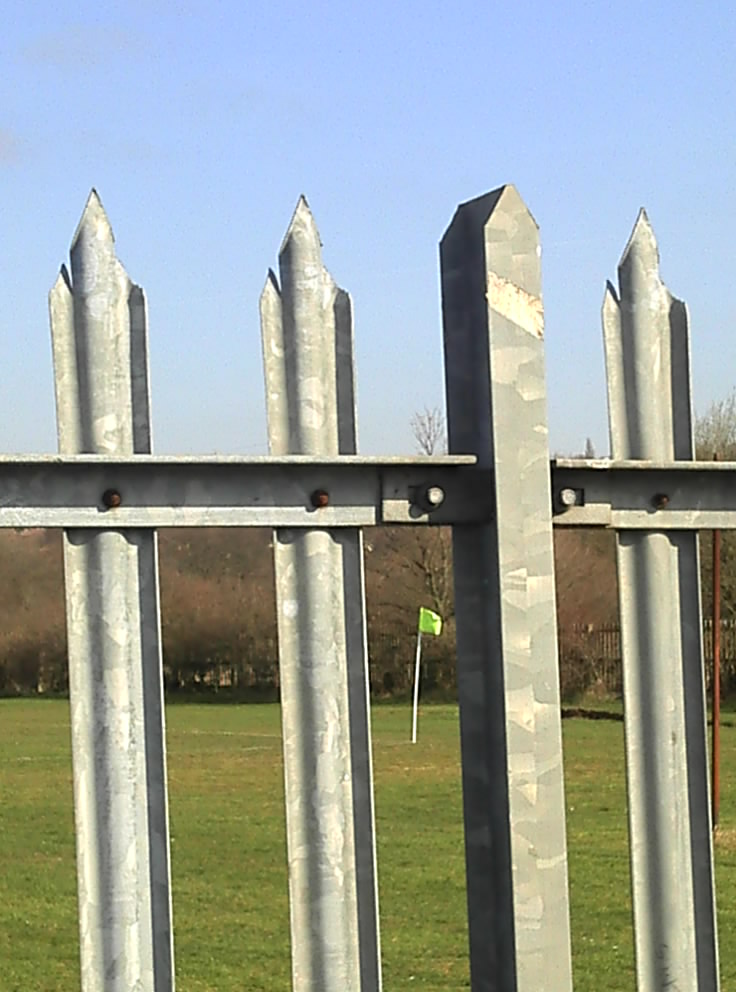
Why zinc rejects paint: the chemistry
Galvanized steel is ordinary steel coated with a layer of zinc, which protects the underlying metal from rust by acting as a barrier and sacrificial layer. That zinc coating is exactly what defeats paint.
According to EngineerFix, freshly galvanized metal has a slick, non-porous surface with almost no texture for paint to grip mechanically. The coating simply rests on top of the metal instead of anchoring into it.
The deeper problem is chemical. Traditional oil-based and alkyd paints react with the alkaline zinc surface through a process called saponification. The fatty acids in the alkyd binder react with the zinc and form a soap-like film at the interface between the paint and the metal.
EngineerFix notes that this soapy residue actively rejects the coating, so the paint loses adhesion and delaminates in flakes or sheets.
It may look fine at first and then fail months later, which is why so many do-it-yourself jobs seem to work until they suddenly do not.
Zinc also reacts with air and moisture to form zinc oxide and zinc hydroxide, a white powdery deposit known as white rust. These loose compounds sit between the zinc and the paint film and undercut it, causing localized peeling. On top of that, new galvanized parts often arrive from the factory with a thin passivation film or protective oil, and the American Galvanizers Association notes that passivation interferes with paint adhesion, according to Beamchart.
Why wood holds paint so well
Wood behaves the opposite way. It is porous, full of open grain, fibers, and tiny voids. When paint goes on wood, it wicks into those pores and wraps around the fibers.
As the paint cures, it locks in mechanically, like fingers gripping a rope. This is the same reason paint needs far longer to cure than to dry: the mechanical bond keeps developing well after the surface feels dry.
Wood also swells and shrinks with humidity, but paint films formulated for exterior wood are flexible enough to move with it. That flexibility keeps the bond intact through seasons. This is a different failure mode from metal, where summer heat makes rigid materials buckle because they cannot move with the temperature swing.
Galvanized metal offers neither advantage. The surface is smooth and sealed, so there is no pore structure for paint to key into. And the zinc actively attacks the wrong paint chemistry.
The result is a coating that is both mechanically unanchored and chemically undermined, which is why peeling is the rule rather than the exception.
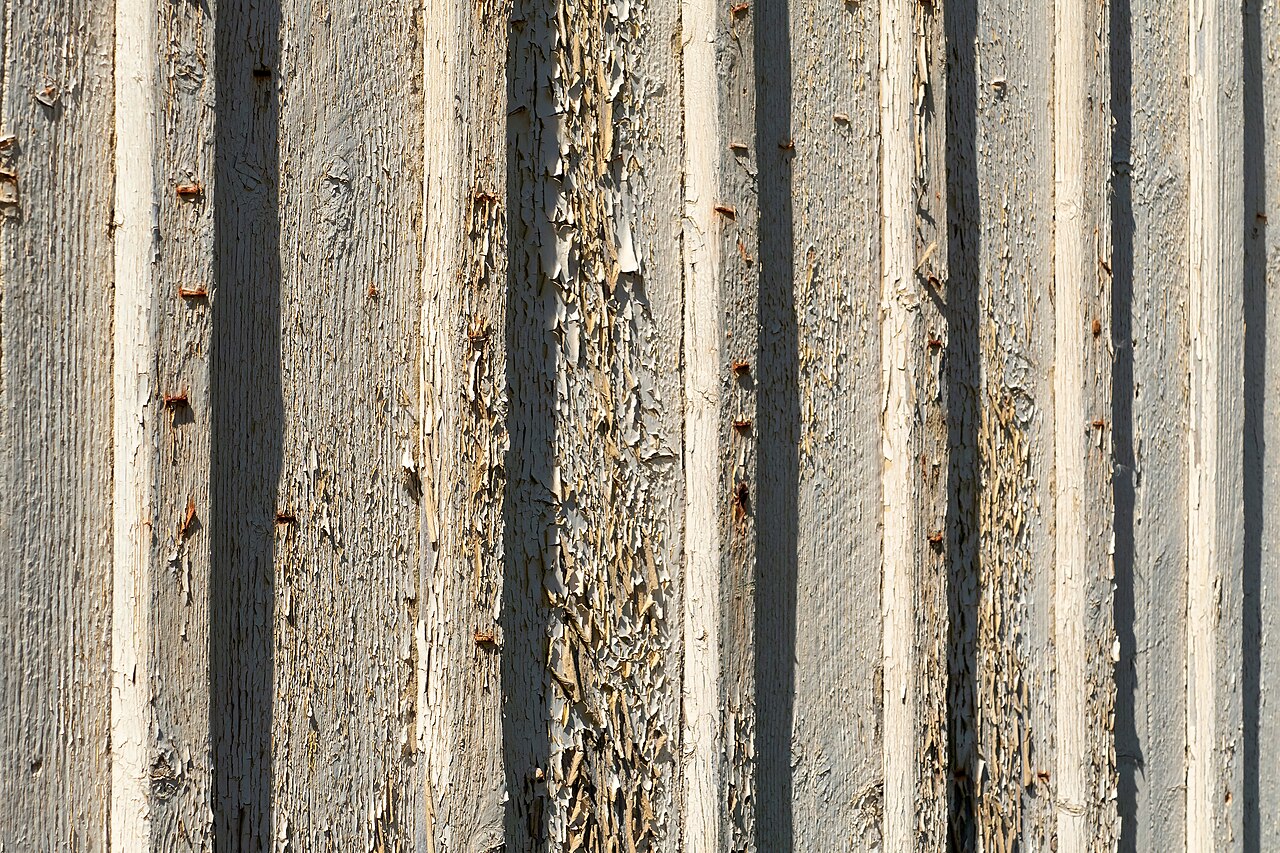
How to make paint stick to galvanized metal
Paint does stick to galvanized metal when the surface is prepared and the coating system is compatible. Brush and Roll Painting puts it plainly: most peeling happens because the wrong primer was used, no primer was used, or preparation steps were skipped. The process has three parts.
First, degrease thoroughly. New galvanized metal often carries protective oil or a passivator film from the factory. Use a heavy-duty water-based cleaner or TSP substitute, then rinse completely with clean water.
Avoid hydrocarbon solvents like mineral spirits, which can leave a thin residue that compromises adhesion. Remove any white rust, the powdery zinc oxidation, at the same time.
Second, profile the surface. The zinc needs a mechanical anchor, and on new metal that means chemical etching rather than sanding through the coating. A T-wash or mordant solution, typically a mild acid, etches the shiny zinc and turns it dark gray or black, which signals the surface is ready to accept paint.
Some painters simply weather the metal for 6 to 12 months, which builds a rough zinc carbonate film that takes paint better, though that is not always practical.
Third, choose a zinc-compatible primer. Never apply standard alkyd or oil-based primers directly to zinc because of the saponification reaction. Beamchart notes that Sherwin-Williams explains alkyd paints stick at first and then fail as the soap film forms underneath.
The safe choices are acrylic bonding primers, specialized direct-to-metal (DTM) acrylic primers, or etch primers formulated for non-ferrous metals. Once a proper primer is down and cured, almost any quality topcoat bonds to the primer rather than the zinc.
One more rule: paint soon after profiling, and watch the weather. Cold or very humid conditions slow curing and can cause wrinkling and adhesion loss. If the galvanizer knows the steel will be painted, ask them to skip the passivation step at the plant.
That one request removes the biggest invisible barrier to adhesion.
Can I paint over already-peeling paint on galvanized metal?
No. Paint over a failing coating just repeats the failure, because the old layer is the weak link. Strip or scrape the loose paint, then clean, etch, and prime the bare zinc before repainting.
Does latex paint work on galvanized metal?
A quality acrylic latex topcoat works well, but only over the right primer. The primer is the layer that bonds to the zinc. Without a zinc-compatible primer underneath, the latex topcoat peels just like anything else.
Is galvanized metal plus paint better than either alone?
Yes. A painted galvanized surface, called a duplex system, protects steel longer than galvanizing or paint alone, according to Beamchart. The key is that the two layers have to be compatible, which is what proper preparation achieves.
Why did my paint stick for a year and then peel?
That delayed failure is the signature of saponification or trapped contamination. The paint bonded weakly at first, and then the soap-like film formed, or moisture worked under the film and reacted with the zinc. Peeling in sheets rather than small chips usually points to a bond problem at the zinc interface, not a bad topcoat.
The bottom line
Paint peels off galvanized metal because zinc is both too smooth to grip and chemically hostile to the wrong paint: alkyd binders react with zinc through saponification and form a soap film that pushes the coating off. Wood wins because its pores give paint a mechanical anchor. If you are painting zinc, degrease it, etch it, and prime it with a zinc-compatible acrylic primer, and the coating will stay put.
Latest in Home & DIY
- Paint Feels Dry in Hours but Needs Weeks to Cure
- Why Laminate Flooring Buckles in Summer Heat
- Why Door Hinges Squeak Louder in Winter
Subscribe to the Rive News newsletter for one practical explainer like this every week.
Related stories
Why Your Faucet Keeps Dripping After You Turn It Off
A dripping faucet is usually a worn washer, O-ring, or cartridge that can no longer seal. One drip per second wastes over 3,000 gallons
How to fix a running toilet without a plumber in 30 minutes
A running toilet can waste 200 gallons of water a day. Diagnose the flapper, float, or fill valve in two minutes, then fix it yourself
How to hang heavy shelves on drywall safely
Studs first, toggle bolts second, plastic anchors never for heavy loads. Weight ratings, installation steps, and mistakes that bring