
Why Do Door Hinges Squeak Louder in Winter? 7 Causes and Fixes
Key takeaways
- A squeaky hinge is metal rubbing on metal where the lubricating film has thinned or dried out.
- Cold shrinks steel, thickens grease, and moves wood doors, which is why the noise gets louder in winter.
- Silicone spray, white lithium grease, or graphite powder usually fixes it in under five minutes.
A door that swung silently in July can start announcing itself every time it moves by January. The sound seems to come from nowhere, and it always sounds worse in the cold.
A squeaky hinge is a friction problem, and winter attacks it from three directions at once. This article explains the physics behind the louder winter squeak, including what happens to metal, lubricant, and wood in the cold, and how to fix it properly.

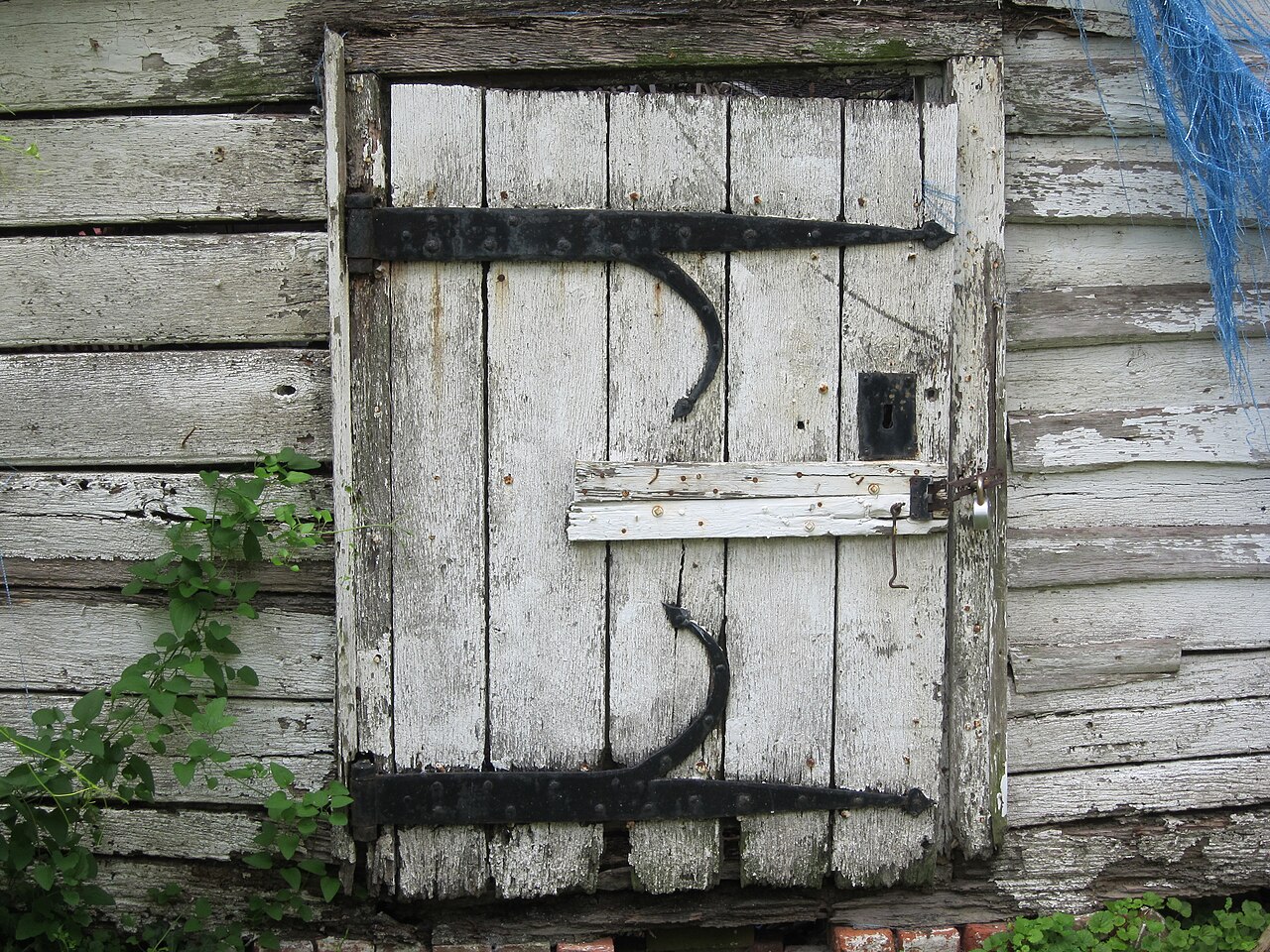
Image Credits: Wikimedia Commons / Acabashi
The basic cause: metal sliding on metal
A hinge is a pin spinning inside metal knuckles, carrying the full weight of a door. When it is new, a film of grease keeps the pin and the knuckles from touching directly. Over thousands of opening cycles, that film dries out or gets squeezed aside, and the metal starts sliding on bare metal.
That sliding is what you hear. It is a form of stick-slip vibration: the surfaces grip, build up force, release suddenly, and grip again, hundreds of times per second. The result is the high-pitched squeal that carries through a quiet house.
James Holloway, a residential maintenance specialist, puts the odds in perspective: "Over 70% of hinge noise comes from lack of lubrication or minor misalignment, not structural failure." In other words, most squeaks are maintenance issues, not broken hardware.
Winter does not create the squeak. It reveals it, by making every weak point in the hinge worse at the same time.
Cause 1: Cold shrinks the metal
Steel contracts as it cools, and hinges are precision clearances that feel the change. Carbon steel expands or contracts by about 0.012 mm per metre for every degree Celsius of temperature change, according to engineering references. That sounds tiny, but run the numbers: a one-metre steel door frame cooling 30 degrees Celsius from summer to deep winter shrinks by roughly 0.36 mm.
The pin and the knuckles shrink too, but not always at the same rate if the door, frame, and hinge are different materials or at different temperatures. Those microscopic shifts change how tightly the pin sits in its knuckles, and a hinge that spun freely with a comfortable clearance in summer can bind just enough in winter to sing. A similar contraction story explains why door frames stick and windows jam in winter.
Cause 2: Grease gets thick in the cold
Lubricant viscosity climbs as temperature falls. The grease that flowed smoothly in summer turns sluggish in winter, and oil-based products can stiffen to the point where they barely migrate between the pin and the knuckle at all.
A thick lubricant does the opposite of its job. Instead of separating the metal surfaces, it drags, and the hinge has to shear through a cold, tacky film with every swing. DIY sources note that conventional grease can thicken over time and in cold weather, and that this thickening itself becomes a source of noise.
This is why cold-weather fixes favor different products. Graphite powder, a dry lubricant, does not thicken in the cold at all, which is why several DIY guides recommend it specifically for winter hinge noise. Silicone spray and white lithium grease also keep working at temperatures where plain oil gives up.
Cause 3: Wood doors move with the seasons
The door itself is the third culprit. Wood swells in damp weather and shrinks as indoor heating dries the air, and those seasonal movements push and pull on the hinges. A door that hangs perfectly true in August can sit slightly twisted in January, loading one hinge knuckle harder than the others.
That extra load squeezes out the remaining lubricant film and presses the pin against the knuckle wall. The squeak gets louder because the contact force is higher, and it can start on a door that was perfectly quiet before the weather turned.
Loose screws make this worse. The top hinge carries most of a door's weight, and thousands of cycles can creep its screws loose, letting the door drop a fraction of a millimetre. In winter, with everything contracted and dry, that tiny drop is enough to bind.
Cause 4: Dust and grit accumulate
Dry winter air and indoor heating stir up dust that settles into the hinge knuckles.
Combined with dried-out lubricant, that dust forms an abrasive paste that grinds instead of gliding. Outdoor doors pick up road grit and salt, which are even harsher.
Cleaning the hinge before re-lubricating often makes as much difference as the lubricant itself.
Cause 5: The wrong lubricant was used
Some common products make things worse.
WD-40 is a penetrating solvent, not a long-term lubricant, and it evaporates within days, leaving the hinge drier than before. Thick general-purpose grease can cake and harden over time.
Vegetable-based oils go gummy. Each of these leaves the hinge under-lubricated exactly when winter arrives to exploit it.
How to fix a squeaky hinge in winter
The repair takes about five minutes per door, and the order of operations matters.
Clean first. Wipe the knuckles with a damp cloth to remove dust and old grease. For stubborn buildup, a cotton swab works into the joints. Let the hinge dry fully before applying anything new.
Pick a winter-suitable lubricant. Graphite powder is the classic cold-weather pick because it cannot thicken. Silicone spray is a close second and is easy to apply precisely. White lithium grease lasts the longest but should be applied sparingly.
Work it in. Apply the lubricant to the top of the pin and into the knuckle seams, then swing the door back and forth a dozen times to distribute it. Wipe off the excess so it does not attract dust.
Check the screws. Tighten the hinge screws gently, half a turn at a time. If a screw spins without gripping, the hole is stripped; a sliver of wood with wood glue rebuilds it.
If the squeak survives cleaning and fresh lubricant, the hinge itself may be worn. Pitting and worn pin surfaces do not respond to oil, and replacing the hinge is the honest fix. For cold-weather car prep with the same mindset, see how to keep your car battery from dying in winter.
What not to use on hinges
Skip WD-40 as a lasting fix; it is a solvent and evaporates. Skip cooking oils, which go rancid and gummy. Never put mineral oil or petroleum jelly on rubber door seals or gaskets, since petroleum products swell and age rubber faster, a point worth remembering if you are chasing a noise and are not sure whether it is the hinge or the seal.
Why do door hinges squeak only in winter?
They do not squeak only in winter; the underlying friction exists year-round. Cold shrinks metal, thickens lubricant, and moves wood doors, and the combination turns a faint summer whisper into a loud winter squeal.
How much does steel actually contract in the cold?
Carbon steel changes length by about 0.012 mm per metre per degree Celsius. A one-metre steel frame cooling 30 degrees shrinks by roughly 0.36 mm, a tiny shift that can still change how a hinge pin sits in its knuckles.
Is WD-40 good for squeaky door hinges?
It works for a day or two. WD-40 is a penetrating solvent that frees stuck parts, but it evaporates quickly and leaves the hinge unprotected. For a lasting fix, use silicone spray, white lithium grease, or graphite powder.
What is the best lubricant for hinges in winter?
Graphite powder is the classic winter pick because it is a dry lubricant and cannot thicken in the cold. Silicone spray is nearly as good and easier to apply; white lithium grease is the longest-lasting option.
Can a squeaky hinge mean the door is installed wrong?
Sometimes. If a hinge squeaks even after cleaning and lubricating, check alignment: loose top-hinge screws let the door drop and bind. But persistent noise after a proper lube job usually means the hinge itself is worn and should be replaced.
The bottom line
Winter squeaks are not mysterious. Cold shrinks metal, thickens grease, and twists wood doors, and any hinge that was quietly under-lubricated starts singing. Clean it, lubricate it with something built for the cold, and the silence usually returns in minutes.
Latest in Home & DIY
- Why condensation forms on windows in winter
- How to hang heavy shelves on drywall safely
- The ideal indoor humidity level
- How to find a stud with a stud finder, reliably
Fix one small thing around the house each week. Subscribe to the Rive News newsletter for practical DIY explainers.
Related stories
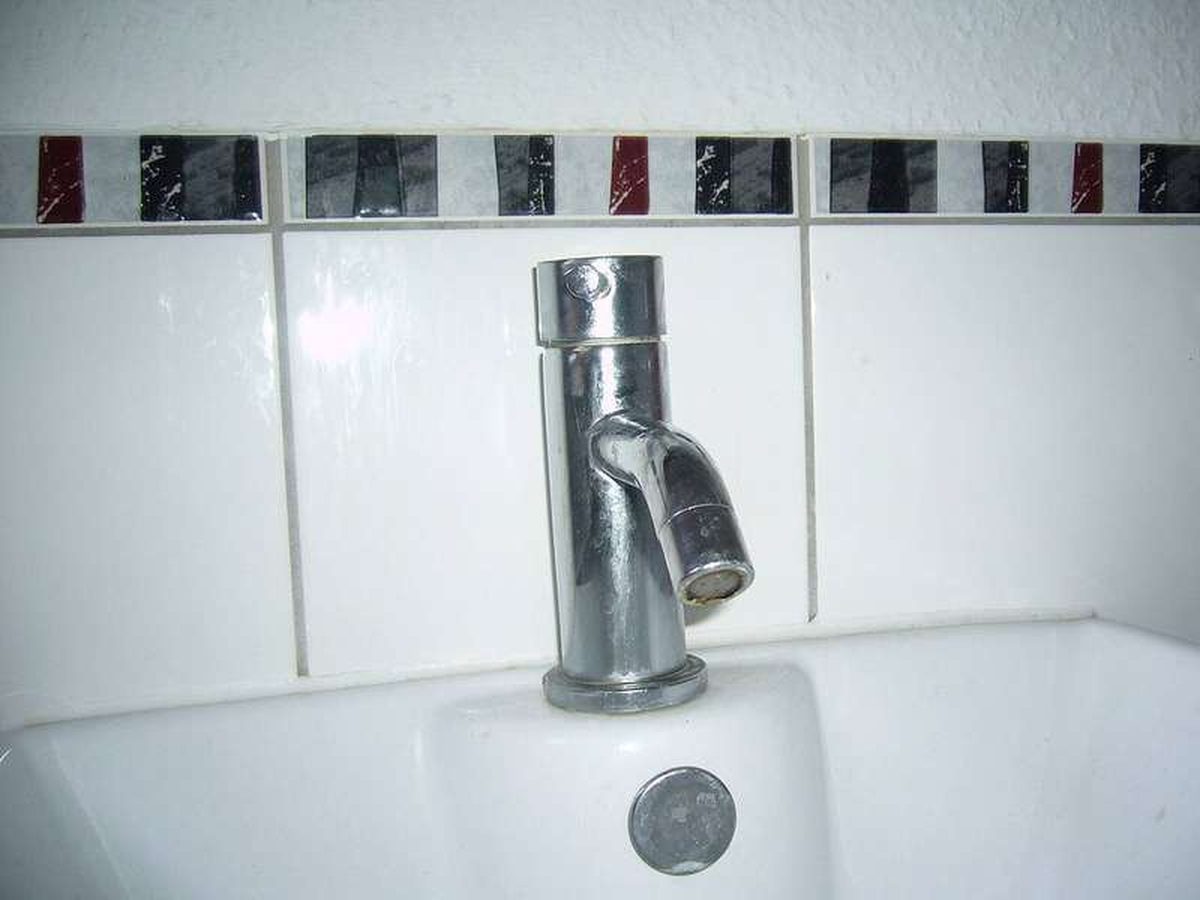
Why Your Faucet Keeps Dripping After You Turn It Off
A dripping faucet is usually a worn washer, O-ring, or cartridge that can no longer seal. One drip per second wastes over 3,000 gallons
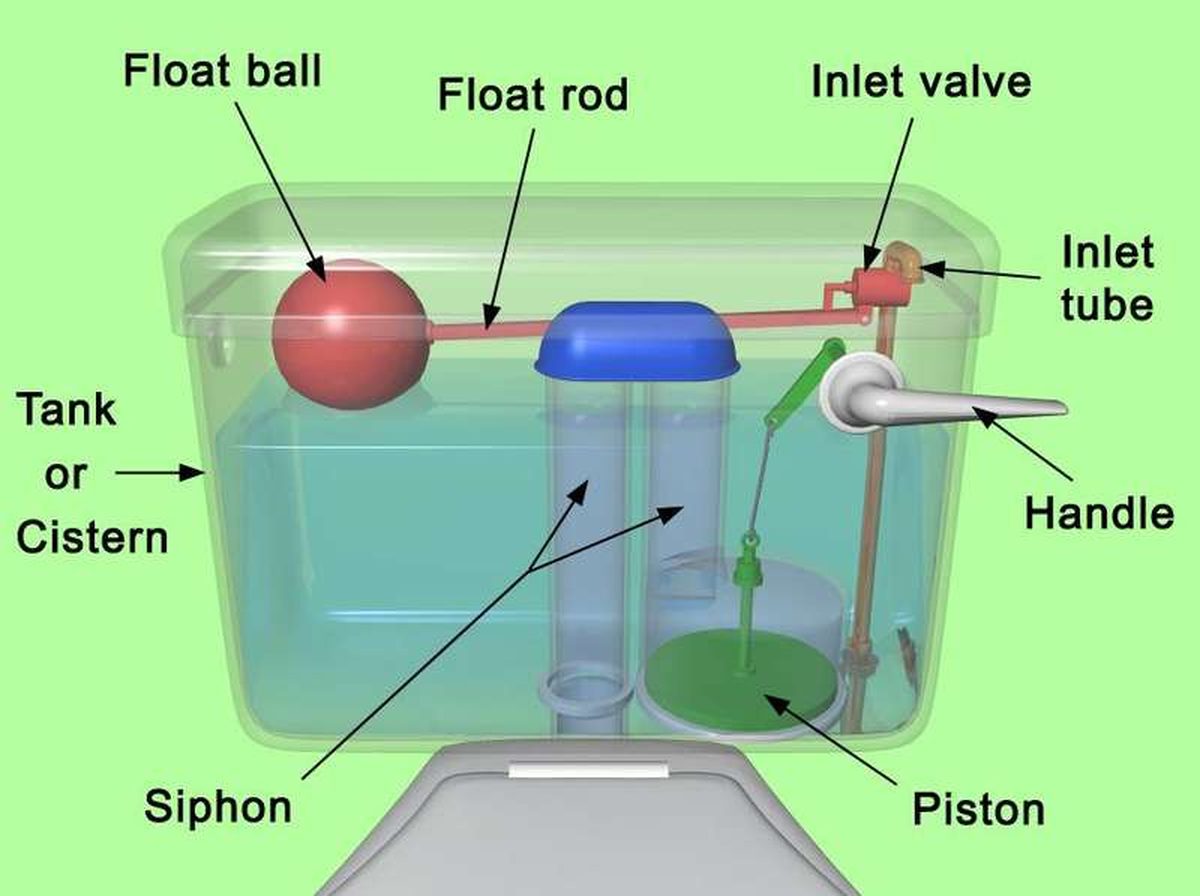
How to fix a running toilet without a plumber in 30 minutes
A running toilet can waste 200 gallons of water a day. Diagnose the flapper, float, or fill valve in two minutes, then fix it yourself
How to hang heavy shelves on drywall safely
Studs first, toggle bolts second, plastic anchors never for heavy loads. Weight ratings, installation steps, and mistakes that bring