
How to remove super glue from fingers safely at home
By Rive News / Research desk | Rive News / Published October 26, 2026 at 9:00 AM PKT
Key takeaways
- Never pull glued fingers apart by force, since the bond is stronger than the top layer of skin and tearing it causes the injury.
- Warm soapy water for 10 to 15 minutes is the gentlest first step, and it works for most thin, fresh spills.
- Oil loosens the bond for sensitive skin, while acetone dissolves stubborn glue but dries and irritates skin.
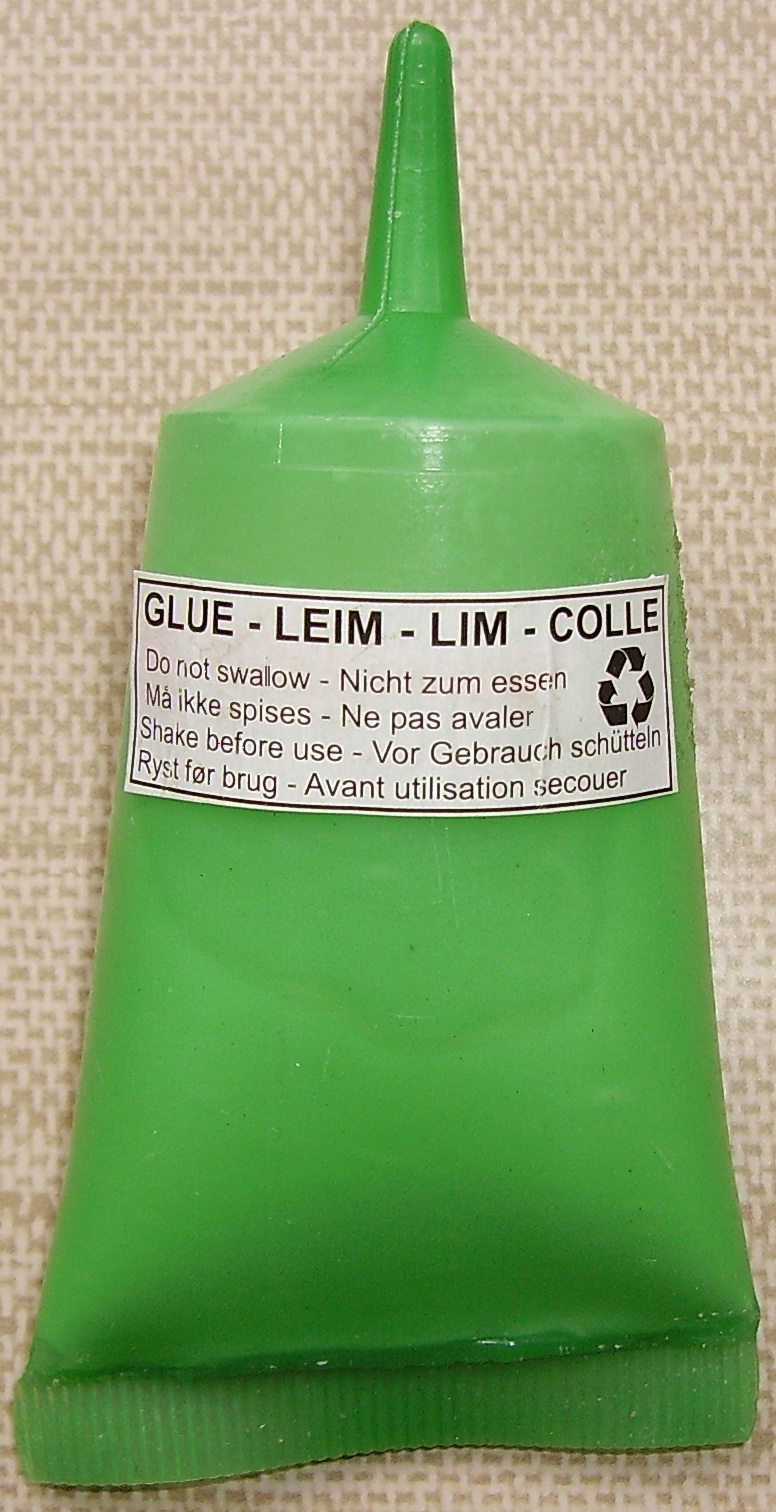
[A bottle of household glue, similar in handling to the fast-bonding adhesives that stick fingers together.] Photograph: the subject
Image Credits: Wikimedia Commons
Super glue sticks fingers together so fast that the first instinct is usually the worst one. Pulling hard tears skin, because the adhesive bond is stronger than the surface layer it grips. A slower approach frees the fingers with the skin intact.
This article explains how to remove super glue from fingers, including why the glue bonds skin, how warm soapy water and oil work, and when acetone is the right tool.
Why super glue grabs skin instantly
Super glue is a cyanoacrylate adhesive. It stays liquid in the tube and hardens when it meets tiny amounts of moisture. Skin carries that moisture on its surface, so a drop bonds to a finger in seconds.
The hardening is a chain reaction. Moisture triggers the liquid molecules to link into long, rigid polymer chains, and those chains lock the two surfaces together. Engineer Fix, a repair guide, describes the process as anionic polymerization started by hydroxide ions in air and on surfaces, which is why the glue sets so fast on skin.
That speed is also why the bond feels so strong. The glue does not just sit on the skin.
It grips the outermost layer of dead skin cells and holds them together. Pulling the fingers apart therefore pulls at that layer, which can split, bleed and hurt more than the glue itself ever would.
The good news is that the same surface layer sheds naturally. Skin renews itself constantly, so even glue left alone wears off within a few days to a week as the outer cells flake away. The methods below speed that process up without forcing it.
First step: stay calm and stop pulling
The moment fingers stick together, stop. Do not yank, twist or try to peel the skin apart.
Hold the hand still and take a breath. A calm start prevents the torn skin that turns a small accident into a sore, open patch.
Check what is stuck. Two fingertips bonded together is the most common case, and it responds well to soaking. Glue spread across a wide area, glue on broken skin, or glue near the eyes or mouth needs more care, and a pharmacist or clinician can advise if you are unsure.
Warm soapy water: the gentlest method
Warm soapy water is the first method to try, and it suits almost everyone. Loctite, the adhesive maker, lists soaking in warm soapy water as its first recommendation for removing super glue from hands, and other guides agree.
Fill a bowl with warm water, not hot, and add a few drops of mild soap. Soak the affected fingers for 10 to 15 minutes. The water softens both the glue and the outer skin layer, so the bond loosens gradually rather than breaking suddenly.
After soaking, try to roll the glue gently with a fingertip or a soft cloth. Work at the edge of the bonded area, not the middle. If the fingers do not separate, soak again.
Thin, fresh glue often gives way in one or two soaks. Thicker or fully cured glue may need several rounds spread over a few hours.
A pumice stone used lightly can help once the glue has softened. Rub the glue, not the skin around it, and stop if the skin reddens.
Warm soapy water has one clear limit. It struggles with thick layers of fully cured glue, where the polymer chains are dense and water penetrates slowly. If two soaks produce no movement at all, move to the oil method rather than scrubbing harder.
Oil: the kind option for sensitive skin
Oil works by a different route. Grease slips between the glue and the skin and weakens the grip, letting the bond release with gentle rolling. Loctite names olive oil and margarine as effective natural treatments, and other guides add coconut oil, baby oil and petroleum jelly to the same list.
Rub a small amount of oil into the glued area and massage it gently for a few minutes. Work it into the edges of the bond, where it can reach the join. Then try to roll the fingers apart slowly, reapplying oil as needed.
Oil suits children, people with eczema and anyone whose skin reacts to solvents. It carries almost no risk of irritation, and it moisturizes the skin at the same time.
The trade-off is time. Oil takes longer than acetone, and it may need repeating over an hour or two for a thick bond.
Combine oil with the soak for a stronger effect. Soak first to soften the glue, dry the hand lightly, then massage in oil.
The soak opens the bond slightly, and the oil works into the gap. Repeat the pair of steps rather than increasing force at any stage.
Acetone: the strong solvent, used with care
Acetone dissolves cyanoacrylate. It is the active solvent in many nail polish removers, and it breaks the polymer chains that hold the bond together. For stubborn, thick glue that resists water and oil, it is the most effective option.
Use it only on healthy, intact skin. Dampen a cotton ball or swab with acetone-based nail polish remover and hold it against the glue for 5 to 10 minutes.
Wipe gently as the glue clouds, softens and lifts. Rinse the hand well with soap and water as soon as the glue is gone, then apply moisturizer at once.
Acetone dries skin and can irritate it, especially with long exposure or on sensitive skin. Work in a ventilated room, since the fumes are strong. Protect the skin around the glue with a thin layer of petroleum jelly if you are treating a small spot, a tip Loctite gives for glue under fingernails.
Never use acetone on broken skin, near the eyes or mouth, or on a child's face. Never use paint thinner, gasoline or other industrial solvents on skin. Those products are not made for skin contact and can cause chemical burns or worse.
If acetone stings, reddens the skin or causes a rash, stop and wash it off. The glue will come off with slower methods, and irritated skin heals more slowly than intact skin sheds glue.
[Washing hands with soap and water, which softens super glue and loosens its grip on skin.] Photograph: the subject
Image Credits: Wikimedia Commons
What not to do
A short list of mistakes causes most super glue injuries. Forceful peeling tops it. Peeling tears the outer skin layer and can leave a raw patch that takes days to heal.
If the bond resists gentle rolling, it is not ready yet. Soak or oil it again instead.
Sharp tools are the second mistake. Knives, scissors and razor blades near glued fingers risk cuts that are worse than the glue.
A pumice stone used lightly is fine. A blade is not.
Harsh chemicals are the third. Bleach, paint thinner and gasoline do not belong on skin, and they can injure skin that is already stressed by glue. Acetone-based nail polish remover is the strongest product that belongs in this job, and even it needs care.
Glue on nails, hair and other spots
Glue under or on fingernails responds to acetone more than to water, since nails do not shed like skin. Protect the surrounding skin with petroleum jelly, then work acetone onto the nail with a cotton ball or swab. Rub gently until the glue lifts, then wash and moisturize.
Glue in hair is a different job. Do not cut the hair out as a first step.
Warm soapy water and oil, worked through the bonded section over time, often free the strands. If the bond is large or close to the scalp, a pharmacist can advise on a suitable remover.
Glue on lips or inside the mouth needs prompt care. Do not try to peel the lips apart.
Warm water and gentle movement usually free them, but seek medical advice quickly if the bond is wide or breathing is affected. The same applies to glue near the eyes: do not rub, and seek care at once.
Preventing the next accident
A few habits make the next repair far less likely to end with stuck fingers. Wear disposable gloves for any job involving super glue, even a small one. Gloves cost little and remove the whole problem.
Work on a covered surface with the tube held away from your body. Squeeze gently, since a hard squeeze can send a drop further than expected. Keep the cap on whenever the tube is not in use, and store it upright where it cannot tip onto skin.
Apply a thin layer of petroleum jelly or hand cream before a glue job if you cannot wear gloves. The barrier makes any accidental contact easier to clean. Keep the first aid basics nearby: soap, oil and acetone-based remover, so a spill does not become a search.
Frequently asked questions
How long does super glue take to come off fingers on its own?
Super glue wears off within a few days to a week as the outer skin cells shed naturally. Soaking in warm soapy water and gently rubbing the area speeds that up.
Is acetone safe for removing super glue from skin?
Acetone-based nail polish remover dissolves super glue and is safe on healthy, intact skin when used briefly and rinsed off well. Avoid it on broken skin, near the eyes or mouth, and on sensitive or eczema-prone skin.
Why should I not just peel super glue off?
The bond is stronger than the top layer of skin, so peeling can tear that layer and leave a raw, sore patch. Gentle rolling after soaking or oiling frees the fingers without tearing.
Does lemon juice remove super glue?
Loctite suggests lemon juice mixed with an equal part of water as an option for sensitive skin. It is gentler than acetone but slower, and warm soapy water remains the simplest first step.
The bottom line
Freeing glued fingers is a patience job, not a strength job. Start with warm soapy water for 10 to 15 minutes, add oil if the bond holds, and save acetone for stubborn glue on healthy skin.
Never pull, cut or use industrial solvents. The glue always comes off, and skin kept intact heals far faster than skin torn in a hurry.
Tags: super glue, skin care, household fixes, cyanoacrylate
Rive News is a research desk that writes plain-language explainers from public sources, with no individual byline and no invented expertise.
Related
- Why do fingers wrinkle in water like prunes?
- Why do my hands cramp when writing for long periods?
- How to sharpen a kitchen knife without a sharpener
- How to keep cut flowers alive longer in a vase
Subscribe to the Rive News newsletter for one practical explainer each week.
Rive News publishes explainers from public sources; corrections are noted on the article page.
Related stories
Why Your Faucet Keeps Dripping After You Turn It Off
A dripping faucet is usually a worn washer, O-ring, or cartridge that can no longer seal. One drip per second wastes over 3,000 gallons
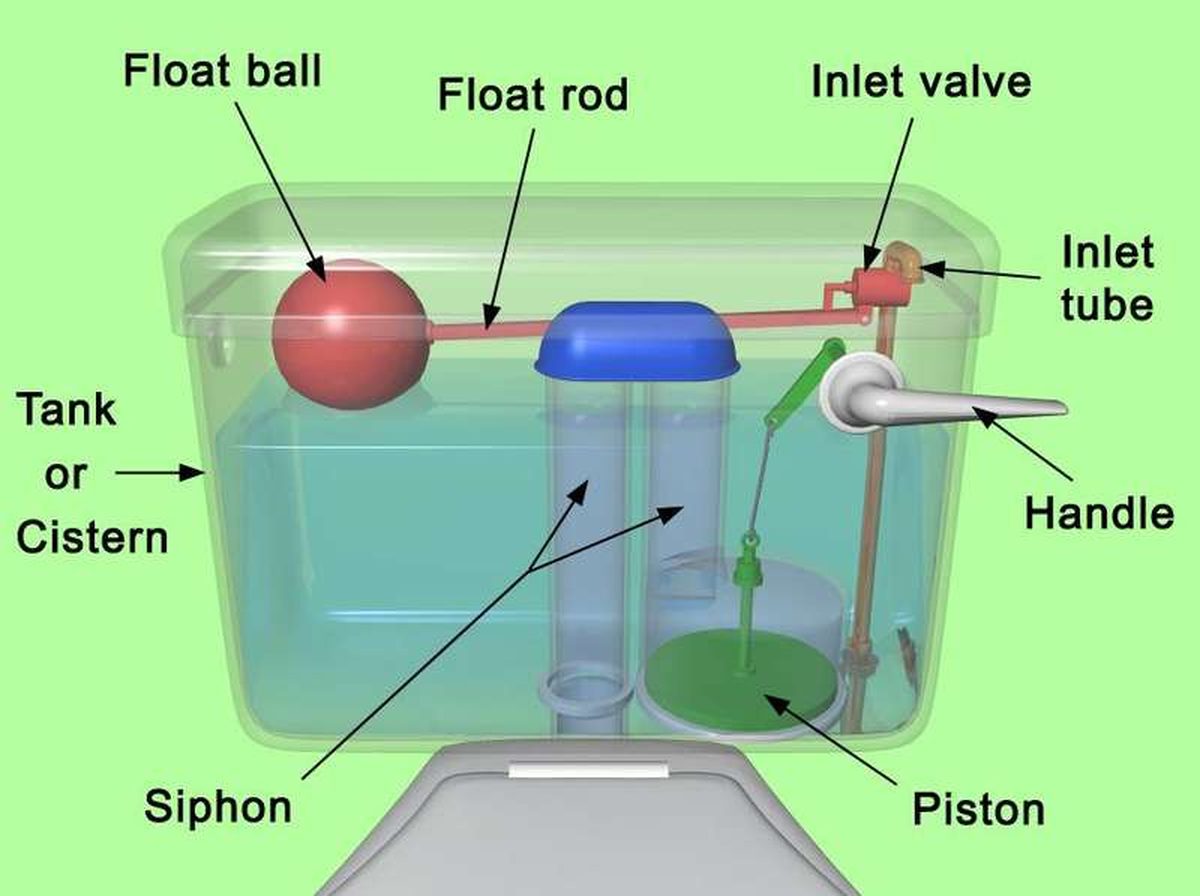
How to fix a running toilet without a plumber in 30 minutes
A running toilet can waste 200 gallons of water a day. Diagnose the flapper, float, or fill valve in two minutes, then fix it yourself

How to hang heavy shelves on drywall safely
Studs first, toggle bolts second, plastic anchors never for heavy loads. Weight ratings, installation steps, and mistakes that bring