
Shower drain smell explained: why a clean drain still stinks
By Rive News / Research desk | Rive News / Published October 28, 2026 at 9:00 AM PKT
Key takeaways
- A drain that runs freely can still smell, because the odour source sits inside the pipe, not in a blockage.
- Biofilm, a dry P-trap, and a blocked vent each produce a different smell and need a different fix.
- A strong rotten-egg smell that persists, or any smell with dizziness or nausea, needs fresh air and professional help.
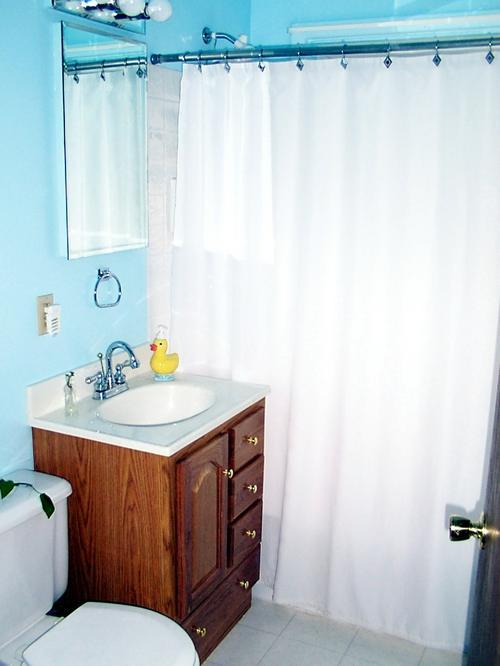
[A typical bathroom, where a drain can smell even when the room looks clean.] Photograph: Typical American bathroom
Image Credits: Wikimedia Commons
A shower drain can look clean, drain fast, and still smell. The grate is clear. The water runs away.
The smell comes back the next morning anyway. That mismatch has a simple explanation. Most of what smells in a drain is not a blockage you can see.
It is a film inside the pipe, a water seal that has dried out, or air pressure pulling gas past a trap.
This article separates those three causes, explains how to tell them apart, and sets out the fixes that match each one. It also covers the safety line: when a drain smell stops being a cleaning job and starts being a ventilation problem.
The clean-looking drain and where the smell hides
A shower drain has more surface than the grate shows. Below the grate sits a short vertical pipe, then a curved section called the P-trap, then the pipe that joins the rest of the house drainage. Water flows through all of it, but the top few inches of pipe wall stay damp between showers.
That damp wall is where the first cause lives.
Biofilm is the name for it. According to Engineer Fix, biofilm is a slimy layer of organic matter adhering to the inside surfaces of the pipe, made up of shed skin cells, hair, soap scum, and body oils. Bacteria, fungi, and other microorganisms live in that layer and feed on it.
As they consume the debris, they produce waste products and gases that give the characteristic mildew or sewage-like odour.
Biofilm does not need to block the pipe. A thin ring inside the first few inches can host enough bacteria to smell, while water still flows freely around it. Cleaning only the floor tiles, or even the top of the grate, leaves that ring untouched.
A pink or orange tint around the drain is a useful clue. According to Ben's Plumbing, that tint is often a biofilm caused by a bacterium called Serratia marcescens, which is common in bathrooms, thrives in damp conditions, and produces a musty smell. It is not mould in the usual sense, and it responds to the same cleaning as other biofilm.
[A shower curtain in a bathroom, beside the drain whose pipework hides the smell source.] Photograph: Bathroom shower curtain
Image Credits: Wikimedia Commons
The P-trap and the water seal
The second cause is mechanical, not biological. The P-trap is the curved section of pipe under the shower. It holds a small amount of water at all times.
That water is a seal. It blocks sewer gas from rising out of the drainage system and into the bathroom.
When a shower goes unused, that water evaporates. Guest bathrooms and holiday-home showers are the classic cases. The seal thins, then breaks, and sewer gas rises through the drain.
Ben's Plumbing describes a dry P-trap as often the main reason a shower drain smells like sewage, and notes that topping up the trap with water often restores the seal at once.
The smell from a dry trap is different from biofilm. Biofilm smells musty, sour, or like old shampoo. Sewer gas smells like rotten eggs.
That rotten-egg note comes from hydrogen sulfide, a gas produced by the breakdown of organic waste in sewer lines, according to Engineer Fix. Methane and ammonia are also components of sewer gas, but hydrogen sulfide is the one the nose picks up first.
A simple test separates the two causes. Run the shower for a minute or two to refill the trap, then wait. If the smell fades and stays away while the shower is used daily, the trap was the problem.
If the smell returns within a day or two despite regular use, biofilm or a vent fault is more likely.
For a drain that will sit unused for weeks, a tablespoon of mineral oil poured down the drain after refilling the trap can slow evaporation, according to Ben's Plumbing. The oil floats on the water seal and reduces the rate at which it dries. It is a holding measure, not a repair, and it does not help a trap that leaks.
The vent stack and siphoned traps
The third cause is the one most homeowners miss. Every drainage system has a vent pipe, usually running up through the roof. Its job is to let air into the system and to let sewer gas out above the house, where it disperses.
It also equalises pressure, so that water flowing down one pipe does not pull water out of another pipe's trap.
When a vent is blocked, by debris, a bird's nest, or ice in cold climates, that pressure balance fails. Flushing a toilet or draining a bath can create a vacuum that siphons water out of the shower trap. The trap looks intact, the drain is clean, and the seal is gone.
The smell then comes and goes with the use of other fixtures, which is the clue that points to the vent.
Ben's Plumbing cites the International Plumbing Code, Chapter 9, which requires vent piping to keep pressure differentials across trap seals below 1 inch of water column. Once that threshold is exceeded, the water seal breaks and sewer gases enter the room. That is a code figure, not a guess, and it explains why a vent fault can empty a trap that was full an hour earlier.
A vent problem is not a cleaning job. Clearing a roof vent means working at height. If the smell follows the use of other fixtures, or if refilling the trap and cleaning the drain both fail, a plumber is the right person to check the vent.
Cleaning that matches the cause
For biofilm, the standard household method is a baking soda and vinegar treatment followed by a hot water flush. Ben's Plumbing describes pouring a mixture down the drain, letting it fizz for 15 minutes, then flushing with hot water, and notes that boiling water should be skipped for PVC pipes, where very hot tap water is safer. An enzymatic drain cleaner, which uses bacteria or enzymes to break down organic matter, is an alternative for persistent film.
Two safety notes matter here. Never mix vinegar and bleach, because the combination produces toxic chlorine gas, as Ben's Plumbing warns. If switching between cleaning methods, flush thoroughly with water in between.
And never pour a chemical cleaner into a drain and then follow it with another chemical cleaner. The pipe does not care which bottle you meant to use.
For a dry trap, the fix is water. Run the shower. For a trap that dries repeatedly despite regular use, check for a leak at the trap joints.
A joint that weeps will drain the seal slowly, and the smell will return even in a bathroom that is used every day. A weeping joint also shows up as dampness or staining on the ceiling below, if the bathroom is upstairs.
For a blocked vent, the fix is clearance of the vent, not more drain cleaner. That is the point where a homeowner's toolkit stops and a plumber's starts. The same applies to cracked or loose drain pipes, which can let sewer gas escape through the pipe wall itself, bypassing the trap entirely.
When a drain smell is a safety matter
Most household drain smells are low-concentration exposures, and the right response is ventilation, water, and cleaning. There is a line, though, and it is set by the gas itself. Hydrogen sulfide is colourless, flammable, and heavier than air, and it can collect in low-lying and enclosed, poorly ventilated areas, according to the US Occupational Safety and Health Administration.
Its rotten-egg smell is detectable at low levels, but with continuous low-level exposure, or at higher concentrations, the ability to smell it is lost.
OSHA's fact sheet lists the effects by concentration. Low concentrations irritate the eyes, nose, throat, and respiratory system. Moderate concentrations bring more severe eye and respiratory effects, headache, dizziness, nausea, and difficulty breathing.
High concentrations can cause shock, convulsions, inability to breathe, coma, and death, and the effects can be extremely rapid. OSHA also notes that hydrogen sulfide caused 46 worker deaths in the United States between 2011 and 2017, mostly in industrial and wastewater settings, not in homes.
A home bathroom is not a sewer vault. A dry trap in a ventilated bathroom is a nuisance, not an emergency. But a strong, persistent rotten-egg smell that does not clear with ventilation, or any smell accompanied by headache, dizziness, or nausea, should be treated differently.
Leave the room, ventilate the house, do not rely on your nose to judge whether the gas has cleared, and call a plumber or, if symptoms are present, emergency services. Do not enter a confined space, such as a crawl space or a drain chamber, to investigate a sewer gas smell.
The bottom line
A clean-looking shower drain smells because the problem is out of sight. Biofilm coats the pipe wall and smells musty. A dry trap lets sewer gas through and smells like rotten eggs.
A blocked vent siphons the trap dry and makes the smell follow other fixtures. Run water first, clean the pipe wall second, and suspect the vent if both fail. A persistent strong smell, or any symptoms, moves the job from cleaning to professional help.
Frequently asked questions
Why does my shower drain smell if it is not clogged?
Because the smell comes from biofilm inside the pipe, a dry trap, or a vent fault, none of which block water flow. A drain can run freely and still smell.
How do I tell biofilm from a dry trap?
Biofilm smells musty or sour. A dry trap smells like rotten eggs. If running the shower for a minute clears the smell while the shower is used daily, the trap was the cause.
Can I use baking soda and vinegar on a smelly drain?
Yes, with a 15-minute dwell and a hot water flush. Use very hot tap water, not boiling water, for PVC pipes. Never mix vinegar and bleach.
Why does the smell come back after cleaning?
The biofilm ring inside the pipe may not have been reached, the trap may be leaking, or a blocked vent may be siphoning the trap. Each cause needs its own fix.
When should I call a plumber about a drain smell?
When cleaning and refilling the trap both fail, when the smell follows the use of other fixtures, when there is dampness below the bathroom, or when the smell is strong and persistent despite ventilation.
Tags: shower drains, plumbing, bathroom cleaning
The Rive News research desk writes plain-English explainers from public sources, with each factual claim tied to a named document or institution.
Related
- How to clean grout that turned black
- Why does grout crack between your bathroom tiles
- How to get rid of mould on bathroom walls safely
- Why your faucet keeps dripping after you turn it off
Subscribe to the Rive News newsletter for one plain-English explainer each morning.
Rive News standards: every factual claim is sourced, every quote is real, and corrections are published when a source changes.
Related stories
Why Your Faucet Keeps Dripping After You Turn It Off
A dripping faucet is usually a worn washer, O-ring, or cartridge that can no longer seal. One drip per second wastes over 3,000 gallons
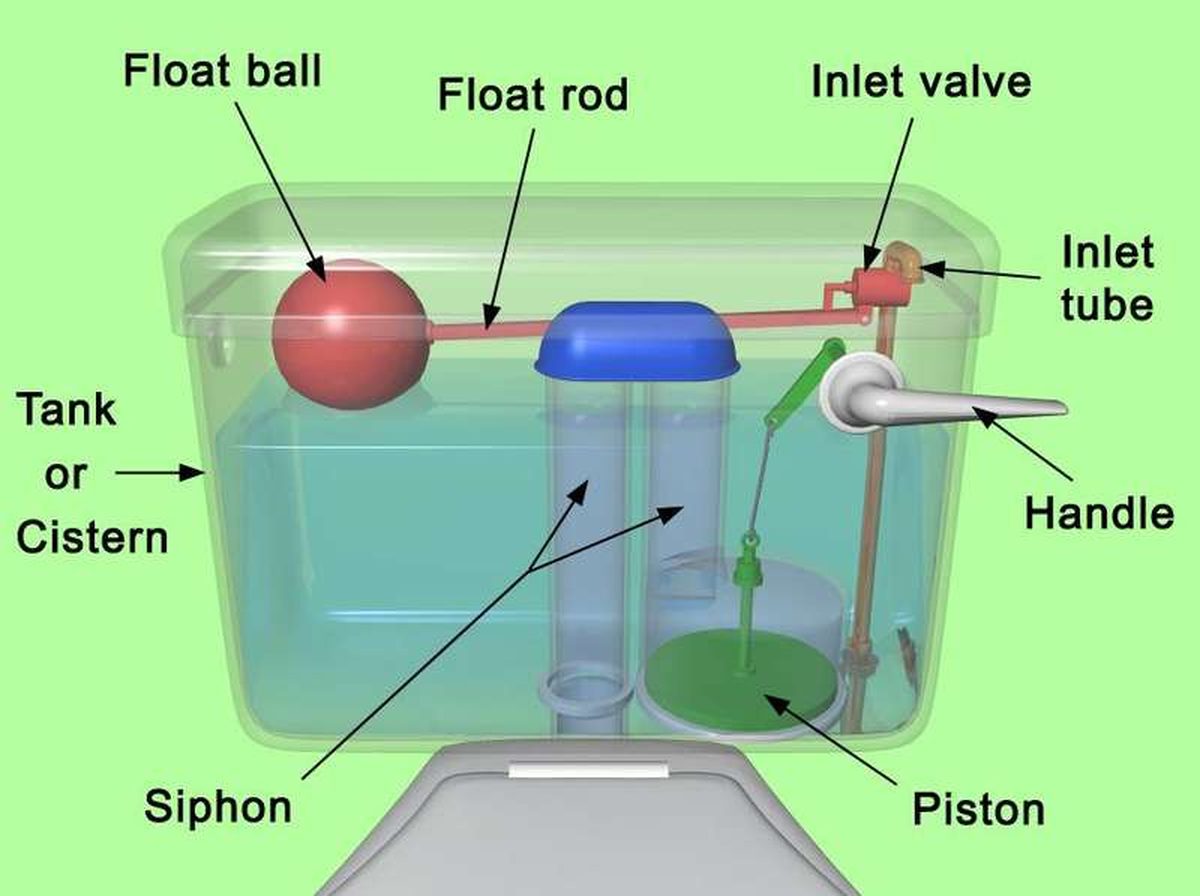
How to fix a running toilet without a plumber in 30 minutes
A running toilet can waste 200 gallons of water a day. Diagnose the flapper, float, or fill valve in two minutes, then fix it yourself

How to hang heavy shelves on drywall safely
Studs first, toggle bolts second, plastic anchors never for heavy loads. Weight ratings, installation steps, and mistakes that bring