
Stop doors from squeaking for good at home
By Rive News / Research desk | Rive News / Published October 26, 2026 at 9:00 AM PKT
Key takeaways
- A squeak is usually bare metal rubbing inside the hinge knuckle, where lubricant has worn away.
- Spraying WD-40 quiets it for weeks, but cleaning the pin and coating it with grease lasts a year or more.
- Work one hinge at a time so the door stays hanging while you fix it.
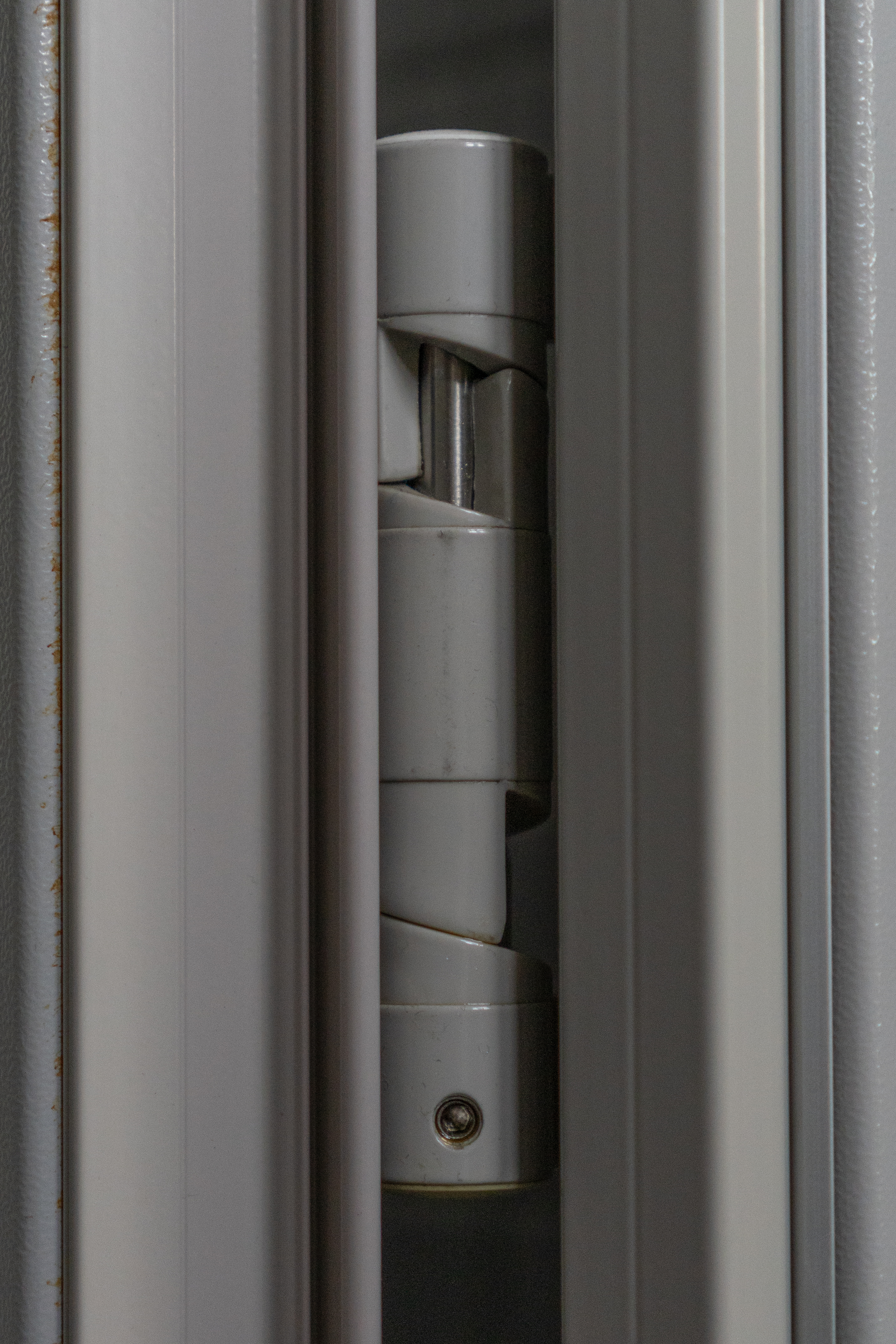
[A door hinge with a springless self-closing mechanism.] Photograph: Wikimedia Commons contributor
Image Credits: Wikimedia Commons
A squeaking door is almost always a hinge problem, not a door problem. Inside each hinge, a metal pin turns in a knuckle of rolled metal, and when the lubricant between them wears away, bare metal rubs on bare metal. This article explains why doors squeak, why a quick spray fades fast, and how the hinge-pin clean-and-oil sequence silences a door for a year or more.
Why doors squeak
Hinges squeak because they get dirty, dry, or rusty, all of which raise friction between moving metal parts. Hunker puts it plainly: the solution in all cases is to clean and lubricate the hinges. Dust and old grease grind in the knuckle like grit in a bearing, and rust pits the pin's surface so it no longer turns smoothly.
Humidity, paint, and poor fitting can add to the noise. Brass Works notes that humidity, paint build-up, or poorly fitted hinges can all contribute to a squeak. Paint on a hinge pin is a common culprit after redecoration, since it glues the pin to the knuckle until the bond breaks noisily with every swing.
First, find which hinge is noisy. Open and close the door slowly and listen at each hinge in turn. Care and Repair points out that the squeak is bare metal rubbing inside the hinge knuckle, and a coated pin ends it for a year or more.
Often only one hinge needs attention, so there is no need to strip all three at once.
Why WD-40 fades in weeks
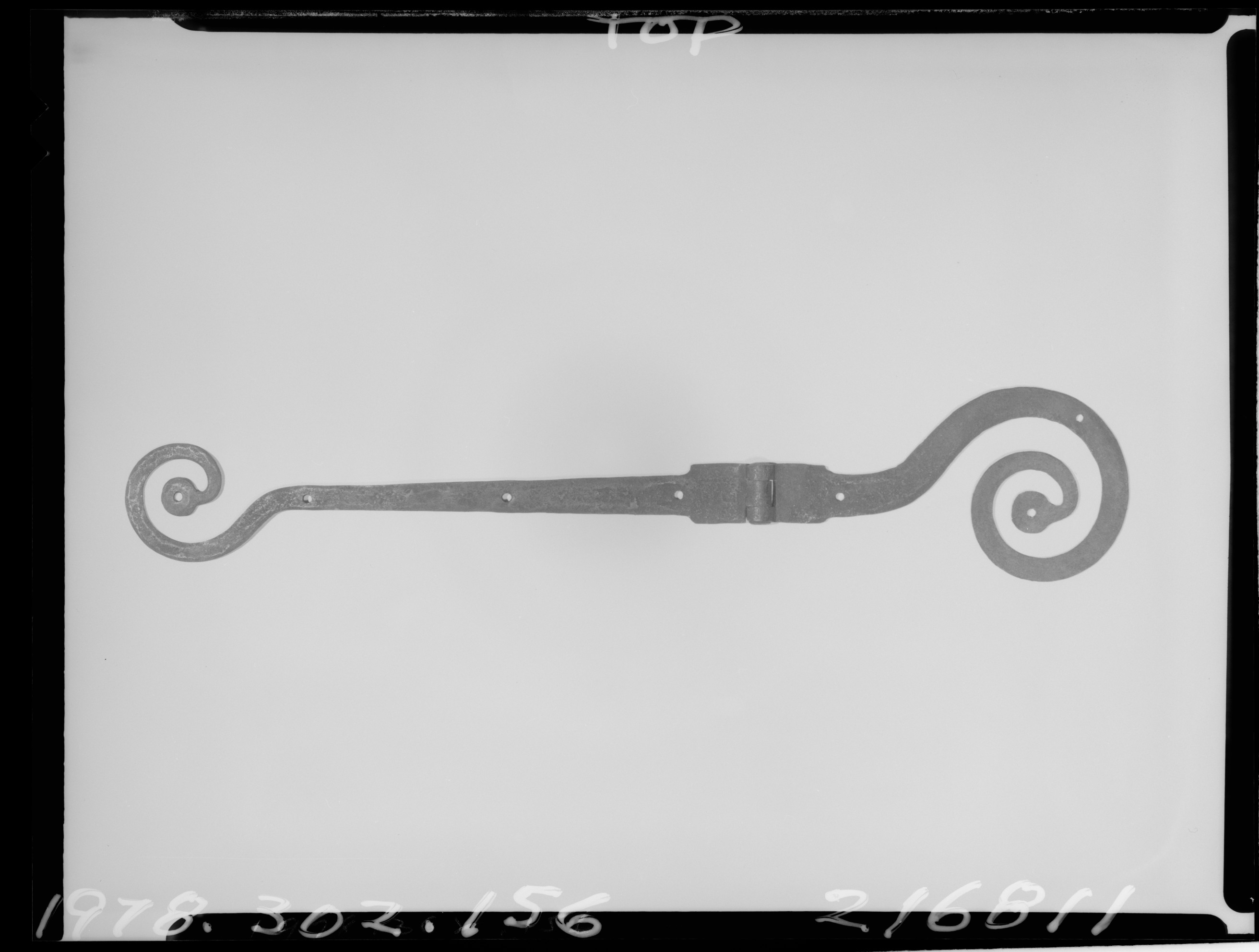
[A metal door hinge.] Photograph: Wikimedia Commons contributor
Image Credits: Wikimedia Commons
WD-40 is the most reached-for fix, and the least lasting one. Care and Repair states the trade-off directly: white lithium grease or light machine oil lasts a year or more, while WD-40 is a solvent that squeaks again in weeks. It cleans and penetrates well, which is why the squeak vanishes at first, but it does not leave a durable lubricating film behind.
That makes WD-40 a good cleaner and a poor finish. Sensible Digs recommends using standard WD-40 to clean the hinge if you like, then following it with a real lubricant such as silicone spray or white lithium grease. The spray does the degreasing, and the grease does the lasting.
Used alone, WD-40 buys quiet for a short while and then the squeak returns, often worse, because the old grease is gone too.
Cooking oils are a worse idea still. Brass Works advises against them, since they can go sticky or rancid over time. A sticky hinge attracts dust, and dust is what started the grinding in the first place.
Stick to products made for metal: white lithium grease, light machine oil, silicone spray, petroleum jelly, or graphite powder for a dry option.
The hinge-pin clean-and-oil sequence
This is the fix that lasts, and it takes about two minutes per hinge. Work one hinge at a time so the other hinges hold the door in place. Close the door first, so its weight rests on the latch and frame rather than on the hinge you are working on.
Tap the pin upward from below. Set a nail or a thin punch against the bottom of the pin and tap gently with a hammer until the pin lifts enough to pull out by its head. If the pin is painted in, score the paint line first with a blade, as Brass Works advises.
On heavy doors, wedge a folded towel under the handle side first so the door cannot sag while the pin is out.
Clean the pin and the knuckle. Wipe the pin with a rag, and use fine steel wool if rust is present. Hunker recommends wiping the knuckles too, to remove gunk and old grease from inside the cylinders that hold the pin.
This cleaning step is the part most quick fixes skip, and it is the part that makes the lubricant work. Lubricant spread over grit just traps the grit.
Coat the pin, then reseat it. Rub white lithium grease along the pin, or apply a few drops of light machine oil. Care and Repair notes that a pencil rubbed along the pin works in a pinch, since graphite is a dry lubricant.
Tap the pin home, then open and close the door about ten times to spread the lubricant through the knuckle. Wipe away drips before they reach the floor or the door face.
Repeat for the middle and bottom hinges only if the squeak is still there. Many doors go quiet after the first hinge, and doing all three when one would do wastes grease and time. Test the door after each hinge, and stop when it swings silently.
When lubricant will not fix it
A squeak plus a door that drags, sticks, or will not latch means the hinge is sagging, and lubricant will not fix that. Care and Repair flags this as the one case where a squeak is a warning rather than a nuisance. Check whether the hinge screws are loose or stripped, and whether the door has dropped on its frame.
Tightening or replacing screws, or shimming a hinge, addresses the cause.
A pin with deep rust grooves or a hinge with a worn knuckle is another lost cause for lubrication. Care and Repair notes that a grooved pin or worn knuckle is why a lubricated hinge keeps squeaking. Replacement hinges are cheap, with Care and Repair pricing new hinges at $3 to $8 each, against $85 to $200 for a professional door and hinge visit in 2026. If the knuckle itself is worn oval, no grease will make it round again.
Doors that stick in summer raise a different issue, since wood swells with humidity and binds against the frame. Lubricating the hinge will not shrink the door. That problem belongs to humidity and fit, not friction, and it is covered in the related guides below.
Keeping doors quiet afterwards
A coated pin lasts a year or more, but hinges in damp rooms or exterior doors wear faster. Re-oil when the first faint creak returns, rather than waiting for a full squeak, since early lubrication prevents rust from pitting the pin again. A drop of oil at the top of each pin once a year is enough maintenance for most interior doors.
Keep paint off the hinges during redecoration. Masking a hinge takes a minute and saves the painted-pin problem entirely. If paint does reach a hinge, score it before the next coat locks it in.
Finally, keep a small tube of white lithium grease with the household tools, so the next squeak is a two-minute job instead of a reason to reach for the spray can again.
Frequently asked questions
What is the best lubricant for a squeaky door hinge?
White lithium grease is the longest-lasting common choice, with light machine oil close behind. Both outlast WD-40, which is a solvent that fades in weeks.
Do I need to take the door off its hinges?
No. Work one hinge at a time, with the door closed, and the other hinges hold the door while you clean and coat each pin.
Why does my door still squeak after oiling?
The pin or knuckle may be worn or grooved, or the hinge may be sagging. If cleaning and greasing does not help, check for loose screws or replace the hinge.
Can I use olive oil on a door hinge?
It works briefly, but cooking oils can go sticky or rancid over time, so a proper grease or machine oil is the better choice.
The bottom line
Stop spraying and hoping, and clean the pin instead. One hinge at a time, wipe away rust and old grease, coat the pin with white lithium grease or light oil, and swing the door ten times to spread it. The door will stay quiet for a year or more, and the next squeak will be a two-minute job, not a mystery.
Tags: door repair, home maintenance, DIY
Rive News is a research desk that writes plain-English explainers from public sources, with no invented experts or first-hand claims.
Related
- Why does a door stick in summer and how to fix it
- How to stop a door slamming shut on its own
- Why hardwood floors creak and how to quiet them fast
- How to silence a squeaky floorboard without lifting the floor
Subscribe for one practical home maintenance explainer each week.
Rive News publishes explainers from public sources; corrections are welcomed and noted on the article.
Related stories
Why Your Faucet Keeps Dripping After You Turn It Off
A dripping faucet is usually a worn washer, O-ring, or cartridge that can no longer seal. One drip per second wastes over 3,000 gallons
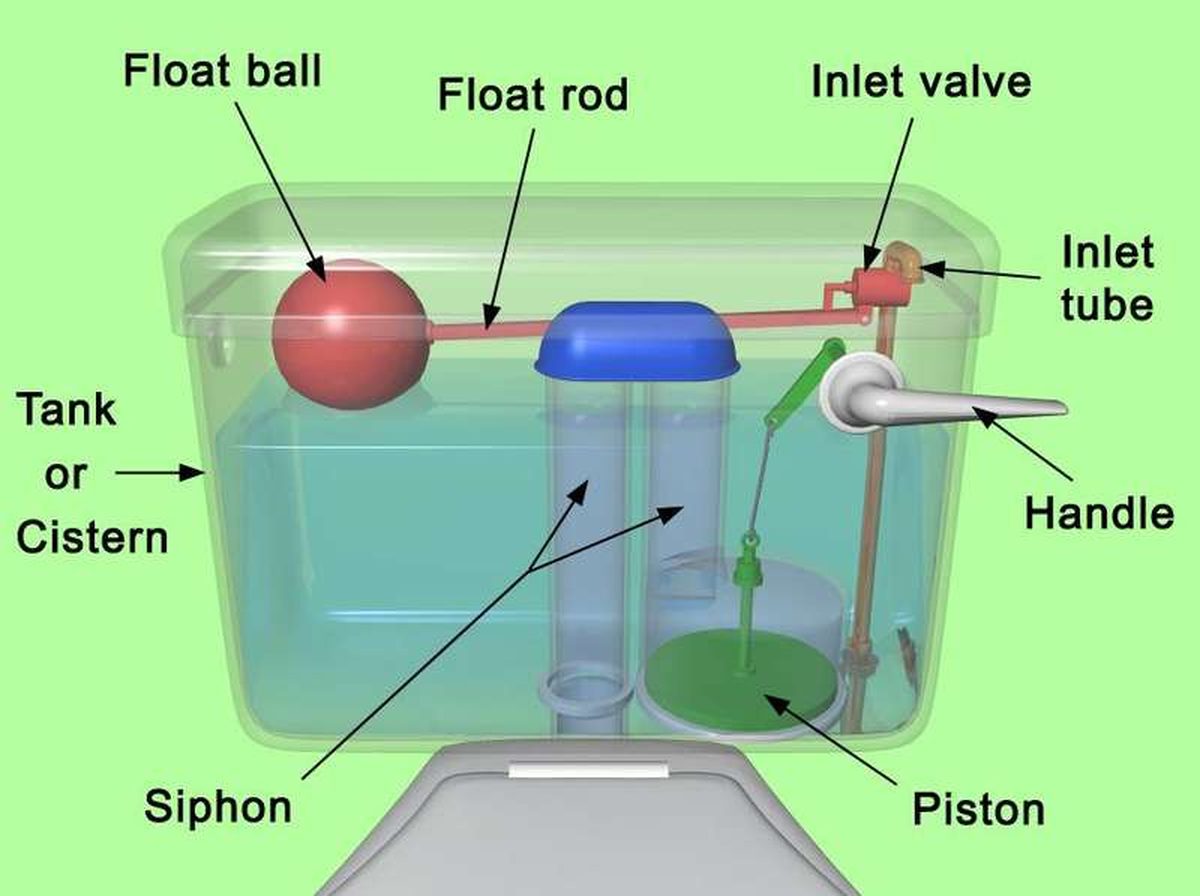
How to fix a running toilet without a plumber in 30 minutes
A running toilet can waste 200 gallons of water a day. Diagnose the flapper, float, or fill valve in two minutes, then fix it yourself
How to hang heavy shelves on drywall safely
Studs first, toggle bolts second, plastic anchors never for heavy loads. Weight ratings, installation steps, and mistakes that bring