
Stop your shower drain from smelling with these two fixes
By Rive News / Research desk | Rive News / Published October 24, 2026 at 9:00 AM PKT
Key takeaways
- A dry P-trap lets sewer gas rise straight into the bathroom; running the shower for a few minutes refills it.
- Most stubborn smells come from biofilm, a slimy bacterial layer that bleach alone cannot fully remove.
- The lasting fix is physical scrubbing plus a cleaning solution, then a weekly hot-water flush to keep it away.
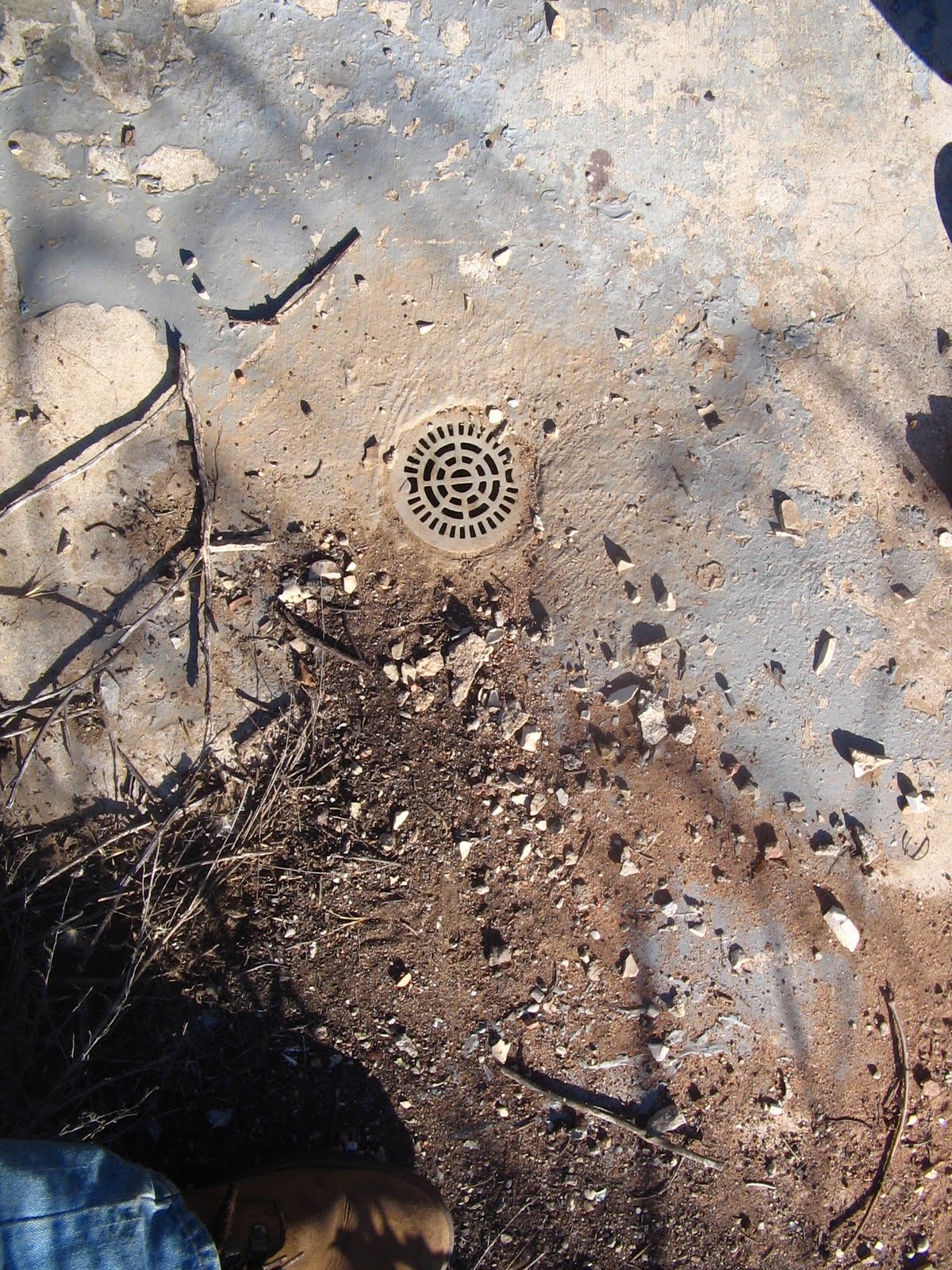
[A close-up of a shower drain, the most common source of persistent bathroom odor.] Photograph: Genevieve Bell
Image Credits: Wikimedia Commons
A shower drain that smells has one of two problems, and they need different fixes. Either the water seal in the P-trap has dried out and sewer gas is rising, or a slimy layer of bacteria called biofilm is living inside the drain.
Bleach gets suggested for both, and it disappoints for both. This article explains why a dry trap lets sewer gas in, what biofilm is and why bleach alone fails, the two-step clean that actually works, and how to keep the smell from coming back.
Why a dry trap lets sewer gas in
Under every shower drain sits a U-shaped bend of pipe called a P-trap. Its whole job is to hold a small plug of water at all times.
That water is a seal. Sewer gases from the drain line cannot push past it.
The seal only works while the water is there. "If a drain doesn't get used for a long time the water in the drain can evaporate. This allows sewer gas into the room," explains Travis Hargrave, Master Plumber and Owner of Hargrave's Plumbing in Lafayette, Louisiana, in Bob Vila's guide to shower drain smells.
This is the classic guest-bathroom problem. A shower nobody has used for weeks has a trap that quietly dried out. The fix is almost embarrassingly simple: run the shower for a few minutes to refill the trap.
Hargrave suggests running water once a month in rarely used showers to keep the seal from drying again. If the trap dries out again within days, that points to a crack or leak in the pipe, and a plumber should take a look.
A venting problem can cause the same symptom. Every drain system has a vent pipe, usually through the roof, that lets air in so water flows smoothly. If the vent is blocked, flushing a toilet elsewhere in the house can siphon the trap water out, and you may hear a "glug-glug" sound as the seal breaks.
What biofilm is and why bleach alone fails
If the shower gets used regularly and still smells, the culprit is usually biofilm. Biofilm is a thin, sticky colony of bacteria and bacterial waste that coats the inside of the drain. It feeds on body oils, soap scum, shampoo, and dead skin.
"The simple fact that drains are damp and dark makes them ideal for bacterial growth," notes Hargrave. The film often looks pink or orange. That coloring is commonly a bacterium called Serratia marcescens, according to Ben's Plumbing, and it produces a familiar musty odor.
Here is where the standard bleach advice falls short. Bleach kills bacteria on the surface, but biofilm is a layered structure.
The disinfectant cannot easily penetrate the slimy matrix to reach the bacteria underneath, so the smell fades for a day or two and then returns. Scrubbing away the film matters more than which chemical you pour in.
There is also a safety warning worth repeating. Never mix bleach with vinegar or ammonia.
The combination produces toxic chlorine gas. If you switch between cleaning methods, flush the drain thoroughly with water in between, as West Shore Home advises.
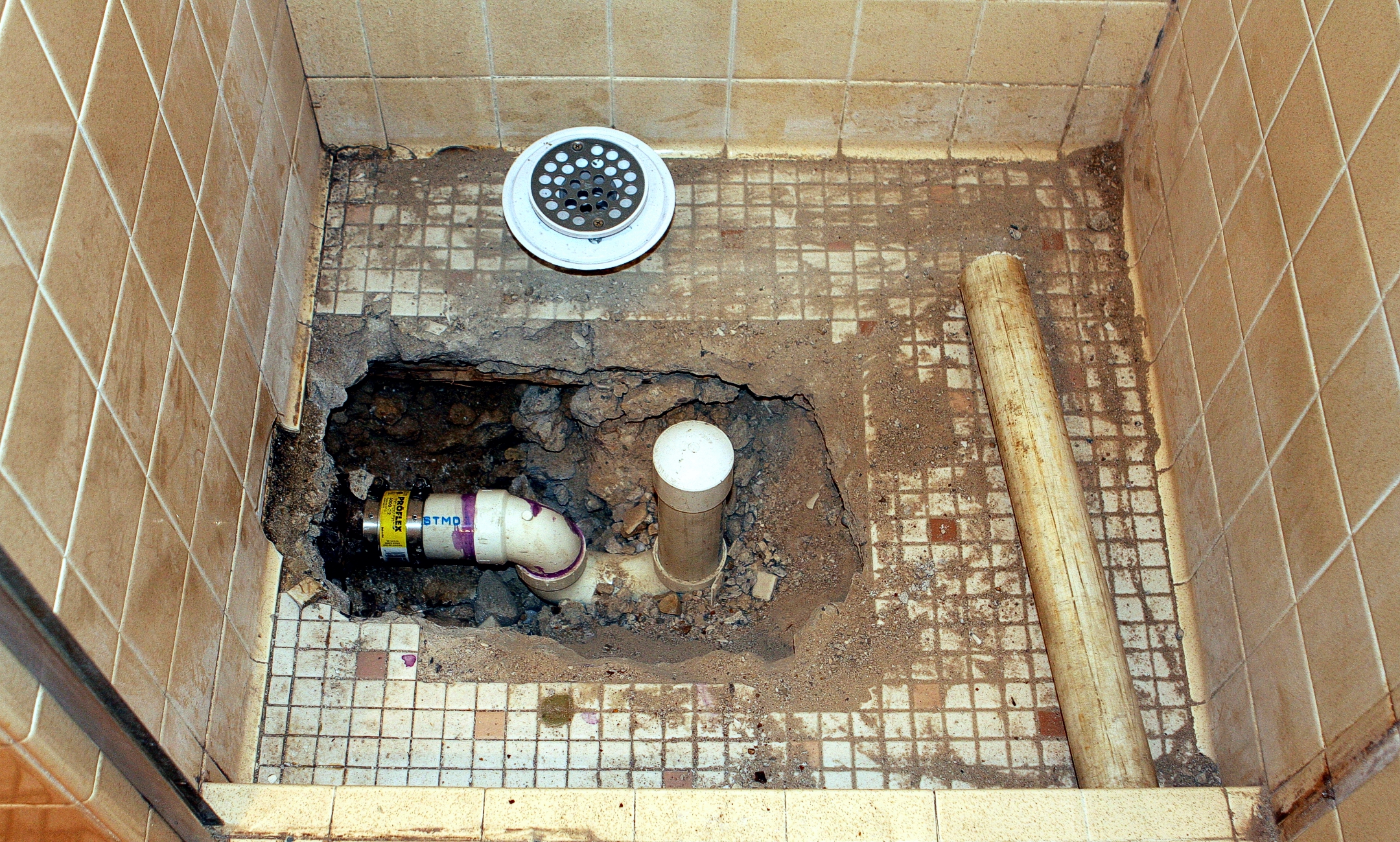
[A plumber repairing a shower drain, the right call when smells return quickly after cleaning.] Photograph: Hardyplants
Image Credits: Wikimedia Commons
The two-step clean that actually works
The method plumbers describe has two parts: physical removal, then disinfection.
Start by removing the drain cover. Pull out any visible hair and gunk with your fingers or an old toothbrush.
Then scrub the accessible surfaces with a soft-bristle brush and an antimicrobial cleaning solution. Bob Vila's guide recommends working a brush into the drain line itself as far as you can reach, since the film coats the pipe walls, not just the cover.
Then pour the cleaning solution. Two options work well. The first is one cup of baking soda followed by one cup of white vinegar, left to foam for about 15 minutes, then flushed with hot water.
The second is a diluted bleach mixture of one part bleach to ten parts water, which Hargrave's guide lists for persistent mold and biofilm. Use one method at a time, never both together, and flush well afterward.
For ongoing maintenance, enzyme-based drain cleaners are a gentler option. They contain bacteria that digest the organic buildup rather than just bleaching it. They work slower, often overnight, but they attack the biofilm's food supply instead of masking the smell.
"Anytime you have an accumulation of smell we recommend pouring a diluted bleach mixture down the line. However, if the smell quickly returns you will want to call a pro," says Hargrave. A smell that survives a proper scrub-and-flush can signal a cracked pipe, a failed trap, or a venting issue deeper in the system.
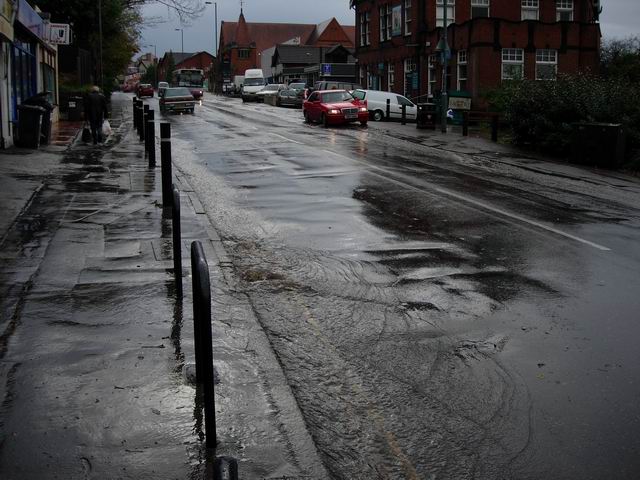
[A blocked drain choked with debris; buildup deep in a line can push odor and waste back toward indoor fixtures.] Photograph: Hugh Venables
Image Credits: Wikimedia Commons
Keeping the smell from coming back
Prevention is mostly habit. A mesh strainer over the drain catches hair before it feeds the biofilm, and it costs almost nothing.
Flush the drain with hot water once a week. For guest bathrooms, run the shower for 30 to 60 seconds weekly so the trap never dries out. One plumber's trick from Ben's Plumbing: pour a tablespoon of mineral oil down a rarely used drain, which slows evaporation of the trap water.
Skip the harshest chemical cleaners for routine use. Caustic "liquid fire" products generate intense heat that can soften PVC joints and accelerate corrosion in cast iron. They are overkill for odor and can create a leak behind the wall.
If the smell persists after all of this, call a licensed plumber. Mr.
Rooter Plumbing's guidance lists persistent odor as a sign of leaking pipes or hidden plumbing faults, which need a professional inspection. Sewer gas in small amounts is unpleasant rather than dangerous, but a leak that lets it in can also let water damage spread unseen.
Can I pour bleach down the shower drain?
Diluted bleach, about one part bleach to ten parts water, is acceptable for killing mold and biofilm as long as you flush the drain well afterward. Do not pour undiluted bleach down the drain, and never mix bleach with vinegar or ammonia. For regular upkeep, enzyme cleaners are gentler on pipes and better at digesting the organic buildup that causes the smell.
Why does the smell come back after cleaning?
Because the biofilm was not fully removed. Bleach and other pour-in cleaners kill surface bacteria but leave the slimy layer intact, so the colony regrows within days. Physical scrubbing with a brush removes the film itself, which is why the two-step clean lasts longer than any single product.
How often should I run water in a guest shower?
Once a week is ideal, and once a month is the minimum. Thirty to sixty seconds of running water refills the P-trap and keeps the seal intact. In hot weather the trap dries faster, since heat speeds up evaporation and bacterial growth alike.
Is a smelly drain dangerous?
Usually not, but it is worth fixing. Small amounts of sewer gas are unpleasant rather than harmful, though larger amounts can cause nausea and headaches. Persistent odor can also signal a leaking drain line, and the water damage from a leak is a bigger threat than the smell itself.
The bottom line
Most shower drain smells come down to two things: a dry P-trap letting sewer gas in, or a biofilm colony living in the drain. Refill the trap by running the shower, scrub the biofilm out physically, disinfect with one method at a time, and keep a weekly flush habit. When the smell survives all of that, it is a plumber's job, not a cleaning product's.
Tags: plumbing, shower drain, home maintenance
Written by the Rive News research desk, which covers everyday science with sourced explainers and no filler.
Related
- Why does your tap water taste strange sometimes: common causes
- Why Your Dryer Takes Two Cycles to Dry Clothes: Causes and Fixes
- How to winterize outdoor faucets in 7 steps
- Why do floorboards swell in winter, and how do you fix them?
Get one practical explainer like this in your inbox each morning.
Rive News publishes sourced explainers. Facts are checked against public sources listed above; corrections are noted with an update timestamp.
Related stories
Why Your Faucet Keeps Dripping After You Turn It Off
A dripping faucet is usually a worn washer, O-ring, or cartridge that can no longer seal. One drip per second wastes over 3,000 gallons
How to fix a running toilet without a plumber in 30 minutes
A running toilet can waste 200 gallons of water a day. Diagnose the flapper, float, or fill valve in two minutes, then fix it yourself

How to hang heavy shelves on drywall safely
Studs first, toggle bolts second, plastic anchors never for heavy loads. Weight ratings, installation steps, and mistakes that bring