
Why your tap drips more at night than in daytime
By Rive News / Research desk | Rive News / Published October 29, 2026 at 9:00 AM PKT
Key takeaways
- A tap that drips at night usually leaks during the day too; the quiet house is what makes it obvious.
- Mains pressure often climbs overnight as neighbourhood demand falls, pushing water past worn seals.
- One drip per second wastes more than 3,000 gallons of water a year, according to the US EPA.
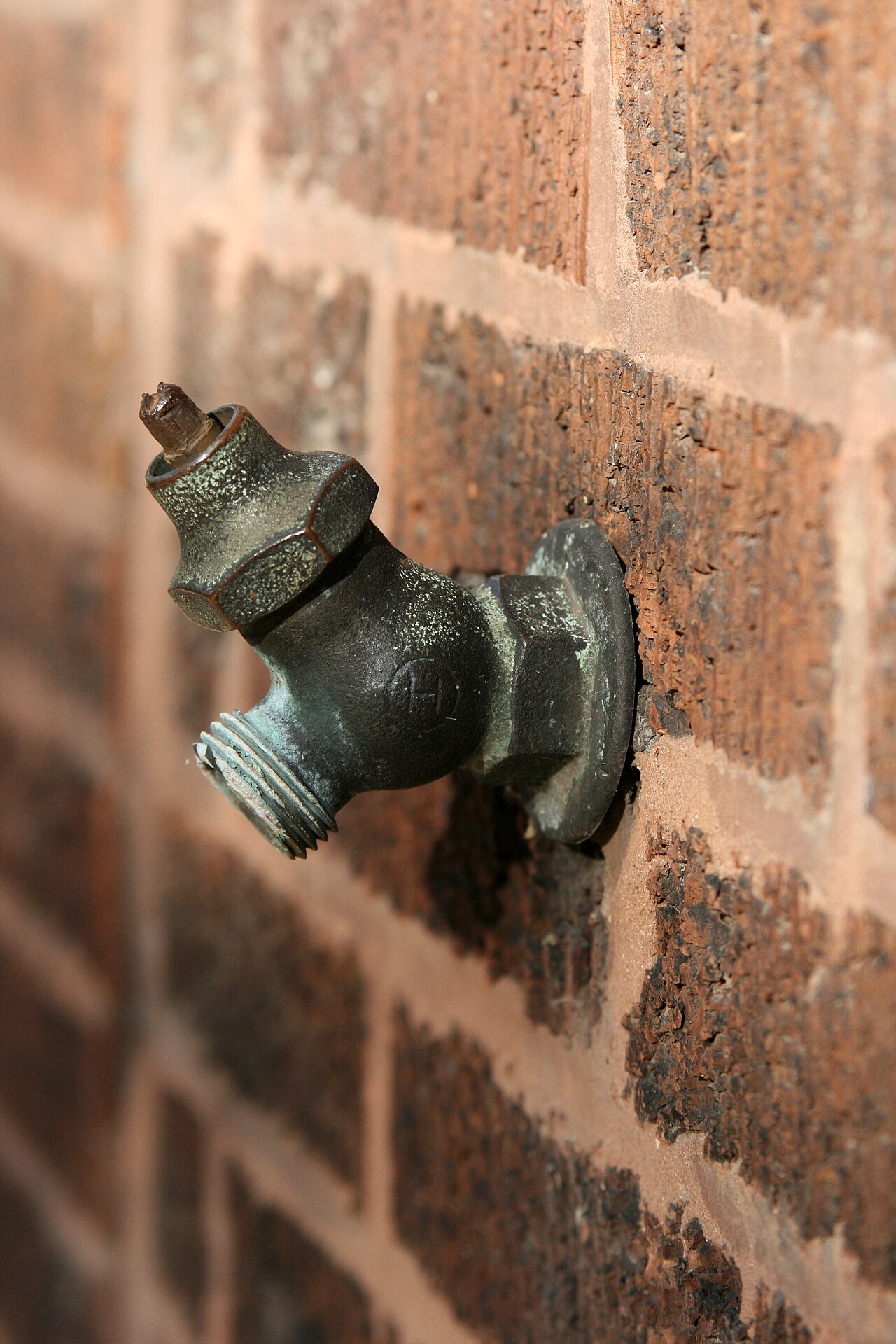
[A chrome faucet, the kind of fixture whose worn washer or cartridge lets a night-time drip start.] Photograph: Quinn Dombrowski
Image Credits: Wikimedia Commons
A dripping tap is a small leak that lets water escape past a seal that no longer closes fully. The drip itself is rarely new. What changes at night is the set of conditions around it: higher water pressure, cooling metal, and a house quiet enough for one drop to be heard.
This article explains why a tap drips more at night, including the night-time pressure rise, how cooling affects seals, why the sound seems louder after dark, and what to check before calling a plumber.
Why the drip seems to start after dark
Most night-time drips are day-time drips that went unnoticed. During the day, conversation, appliances, traffic, and running water mask a slow drip. At night that masking noise falls away, so a single drop per second stands out.
There is also a real physical change, not just a quieter room. Water use across a neighbourhood drops sharply after bedtime, and that changes the pressure in the supply pipes. A seal that barely holds during the day can start to weep once that pressure climbs.
Cooling adds a third factor. Pipes and fittings contract slightly as the house cools overnight. On an old washer or cartridge, a tiny shift in position can open a leak path that was sealed while everything was warm.
The night-time pressure rise
Municipal water systems are sized for daytime demand. When demand falls at night, pumps keep pushing water into the network, and static pressure in the mains rises. Plumbing guides describe this as one of the main reasons pipe noise peaks after dark.
Biard & Crockett, an Orange County plumbing firm, gives a concrete example. A house sitting at 65 psi at noon can see 85 psi or more at 3 a.
m. , depending on elevation and position in the pressure zone. Plumbing code treats 80 psi as the ceiling for a home, and a pressure regulating valve is the device that holds the house under it.
That matters because a worn washer or cartridge is a pressure-sensitive seal. At daytime pressure it may still hold.
At night-time pressure, water forces its way past. When the valve that regulates pressure fails, it often fails open, passing full street pressure into the house.
A cheap gauge screwed onto an outdoor hose bib, read late at night or first thing in the morning, shows the highest pressure the pipes live with. Anything above 80 psi deserves attention, and a plumber can test whether the regulating valve is still doing its job.
What the drip actually is
Inside most taps, a washer, O-ring, or ceramic cartridge presses against a valve seat to stop the flow. Rubber hardens with age, mineral deposits build up on the seat, and cartridges wear. Each of these leaves a gap too small to see but big enough for water to pass.
Sediment makes the problem worse. Calcium and magnesium in hard water settle on valve seats and stop the seal from closing fully. The drip may then vary with temperature and pressure, which is why it can seem to come and go.
A drip from the spout points to the washer or cartridge. A drip from around the handle points to the O-ring or stem seal. Knowing which one leaks narrows the repair to a single inexpensive part.
Why one drop sounds so loud
The sound of a dripping tap is not the sound of the drop hitting the water. Researchers at the University of Cambridge showed in 2018 that the impact itself, the cavity it forms, and the jet that shoots up afterwards are effectively silent.
The noise comes from a small air bubble trapped underwater when the cavity recoils. Surface tension makes the bubble oscillate, and the bubble drives sound waves into the air like a piston. That oscillation is what produces the familiar plink.
"Using high-speed cameras and high-sensitivity microphones, we were able to directly observe the oscillation of the air bubble for the first time, showing that the air bubble is the key driver for both the underwater sound, and the distinctive airborne 'plink' sound," said Sam Phillips, a PhD student and one of the authors of the study, published as Phillips, Agarwal and Jordan in Scientific Reports in 2018.
The study also explains a practical trick. Adding a small amount of washing-up liquid changes the surface tension and can quiet the sound, though it does nothing about the leak itself. A sponge or cloth in the basin breaks the drop's fall and stops the bubble forming, which is why it works as a stopgap.
How much water a drip wastes
A slow drip is easy to dismiss, but the numbers add up fast. The US Environmental Protection Agency's WaterSense programme states that a faucet dripping at one drip per second wastes more than 3,000 gallons of water per year.
The agency puts that volume in everyday terms: it is the amount of water needed to take more than 180 showers. A showerhead leaking at 10 drips per minute wastes more than 500 gallons per year on the same basis.
Fixing the leak is usually cheap. The EPA notes that leaky faucets can often be fixed by checking washers and gaskets for wear and replacing them. The parts cost little, and the saving shows up on the next water bill.
What to check before you call a plumber
Start by finding where the water comes from. Dry the tap, then watch whether drops form at the spout, at the base, or around the handle. Each location points to a different seal.
Next, check the pressure. Screw a gauge onto an outdoor tap and read it late at night. A reading over 80 psi suggests a pressure problem rather than a single worn washer, and fixing the washer alone may not hold.
Then look at the age of the fixture. A tap that has dripped before, or one in a hard-water area, is a likely candidate for a worn cartridge or a scaled valve seat. Replacing the cartridge is a bigger job than swapping a washer, but it is still a standard repair.
If the drip is sudden, heavy, or accompanied by banging pipes, discoloured water, or a damp patch under the sink, stop and call a plumber. Those signs can mean a failing valve or a leak inside the wall, not a worn seal.
Fixes that actually stop the drip
For a compression tap, replacing the washer is the classic fix. Turn off the water supply, remove the handle and stem, swap the washer for one of the same size, and reassemble. A washer of the wrong size will leak again within days.
For a single-lever tap, the cartridge is the part to replace. Cartridges are model-specific, so take the old one to the shop or note the tap's brand and model before buying. Photograph the parts in order as you remove them.
If pressure is the cause, the fix is a working pressure regulating valve, not a tighter washer. A plumber can fit or replace the valve and set the house pressure back under 80 psi. That one repair also protects washing machine hoses, toilet fill valves, and water heater connections.
Until the repair, a simple muffler helps with sleep. Place a sponge, folded cloth, or small container in the basin so the drop lands softly. It does not fix the leak, but it stops the bubble that makes the sound.
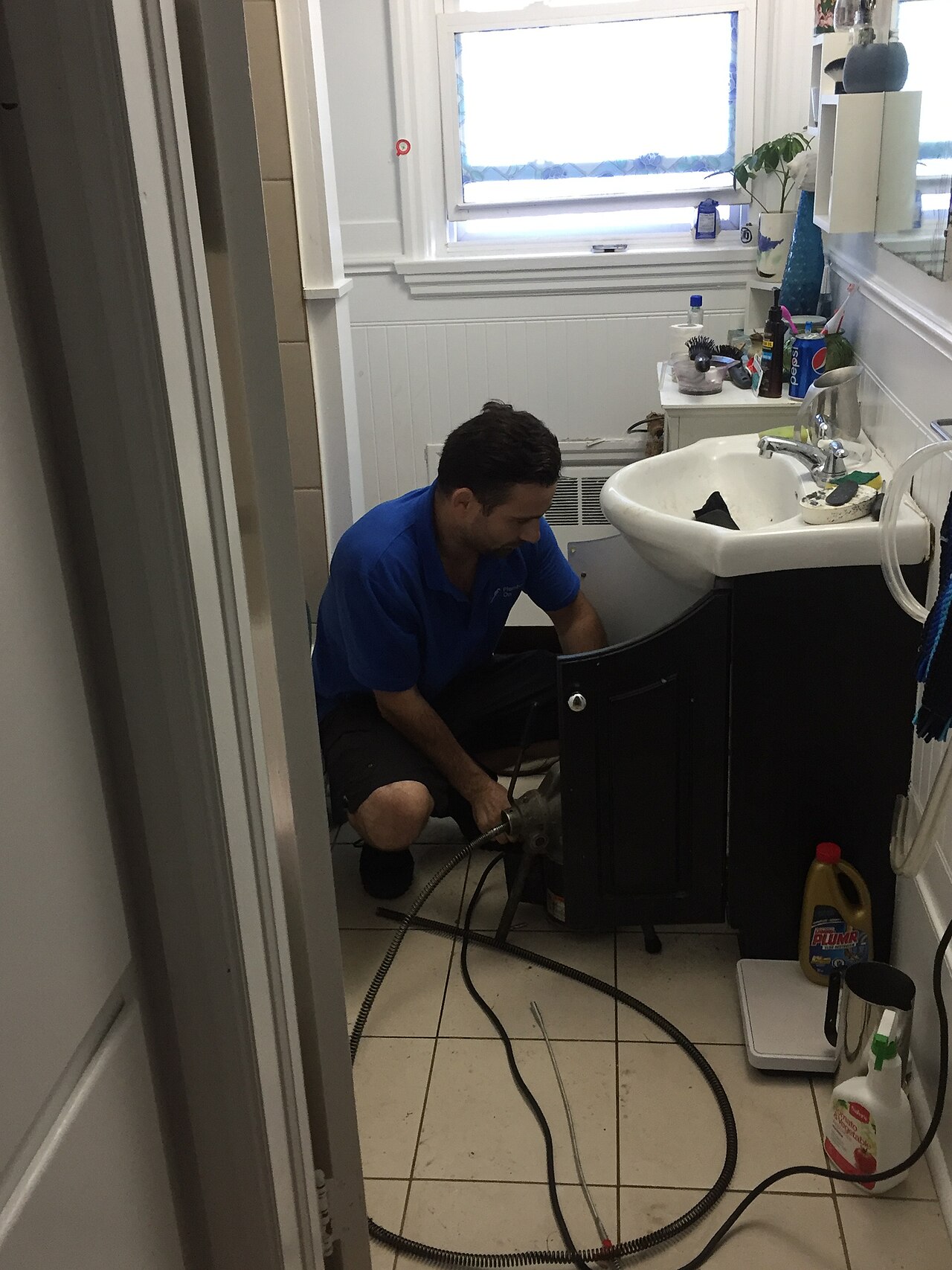
[A plumber repairing a sink; replacing a worn washer or cartridge is the usual fix for a night-time drip.] Photograph: Plumberondemand
Image Credits: Wikimedia Commons
Frequently asked questions
Why does my tap only drip at night?
It probably drips during the day too, but daytime noise hides it. Overnight pressure rises and cooling seals can also turn a marginal seal into an audible drip.
Is a dripping tap at night a sign of high water pressure?
It can be. A house that reads 65 psi at noon can reach 85 psi or more at 3 a.
m. , and pressure above 80 psi is above the usual code ceiling. A late-night gauge reading settles the question.
Does a dripping tap waste much water?
Yes. At one drip per second, the US EPA estimates more than 3,000 gallons a year, enough for more than 180 showers. Even a slow drip is worth fixing promptly.
Can I stop the sound without fixing the tap?
A sponge or cloth in the basin breaks the drop's fall and stops the air bubble that makes the plink. It is a stopgap only; the leak and the water waste continue until the seal is replaced.
Should I call a plumber for a dripping tap?
A washer or cartridge swap is a common do-it-yourself repair if you can identify the tap model and isolate the water supply. Call a plumber if the pressure reads over 80 psi, the drip is heavy, or you find damp patches or damaged pipework.
The bottom line
A tap that drips more at night is usually telling you about three things at once: a seal that has worn, pressure that climbs after dark, and a house quiet enough to hear the result. The drip itself is small, but at one drop per second it wastes thousands of gallons a year.
Check where the water comes from, read the pressure late at night, and replace the worn washer or cartridge. If the pressure is high, have the regulating valve checked too, because that one fix protects every fixture in the house.
Tags: plumbing, taps, water pressure, home maintenance
The Rive News research desk writes plain-English explainers on how everyday things work, based on published sources and manufacturer guidance.
Related
- Why your faucet keeps dripping after you turn it off
- How to replace a tap washer to stop a dripping tap
- How to fix a dripping shower head in under 30 minutes
- What causes water stains on your ceiling
Subscribe for one practical home explainer each morning.
Rive News standards: every factual claim is tied to a named public source listed above; corrections are noted on the article.
Related stories
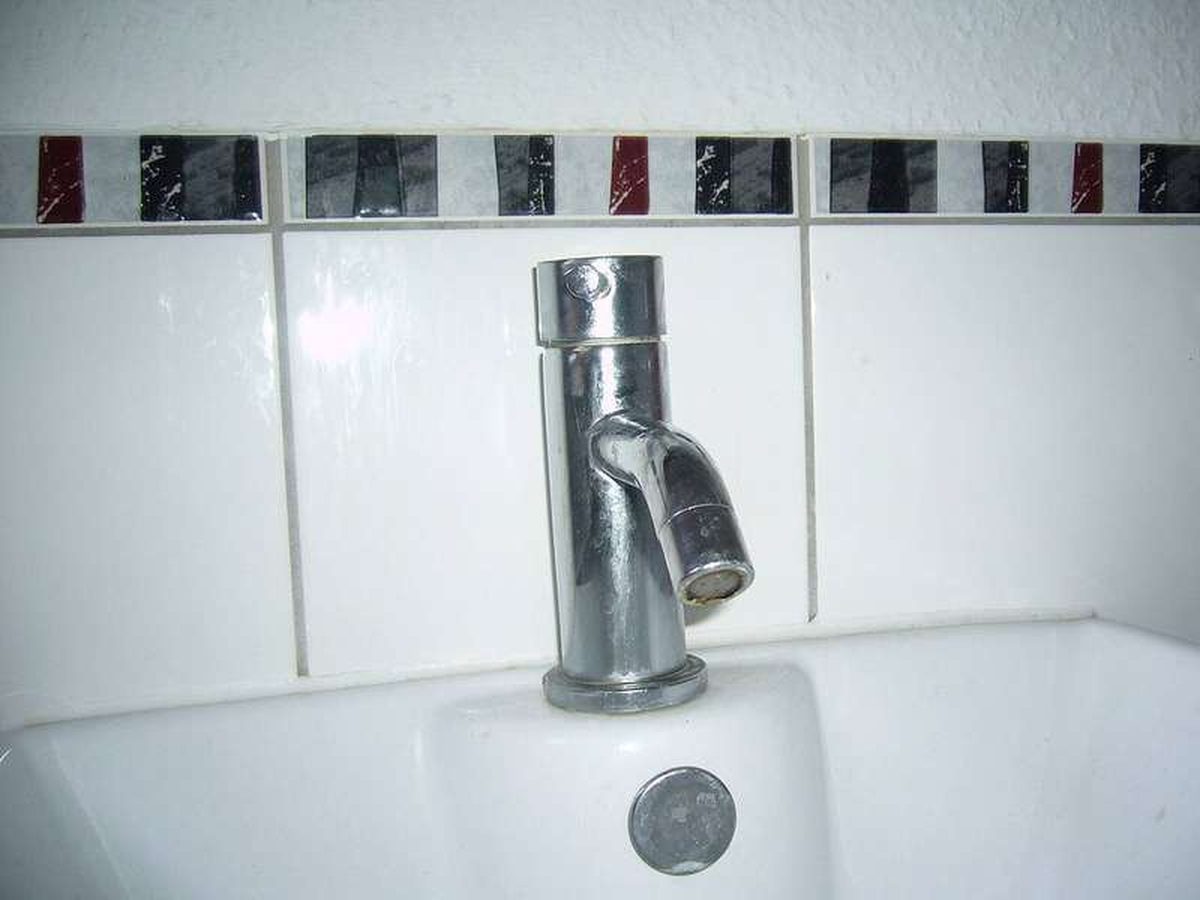
Why Your Faucet Keeps Dripping After You Turn It Off
A dripping faucet is usually a worn washer, O-ring, or cartridge that can no longer seal. One drip per second wastes over 3,000 gallons
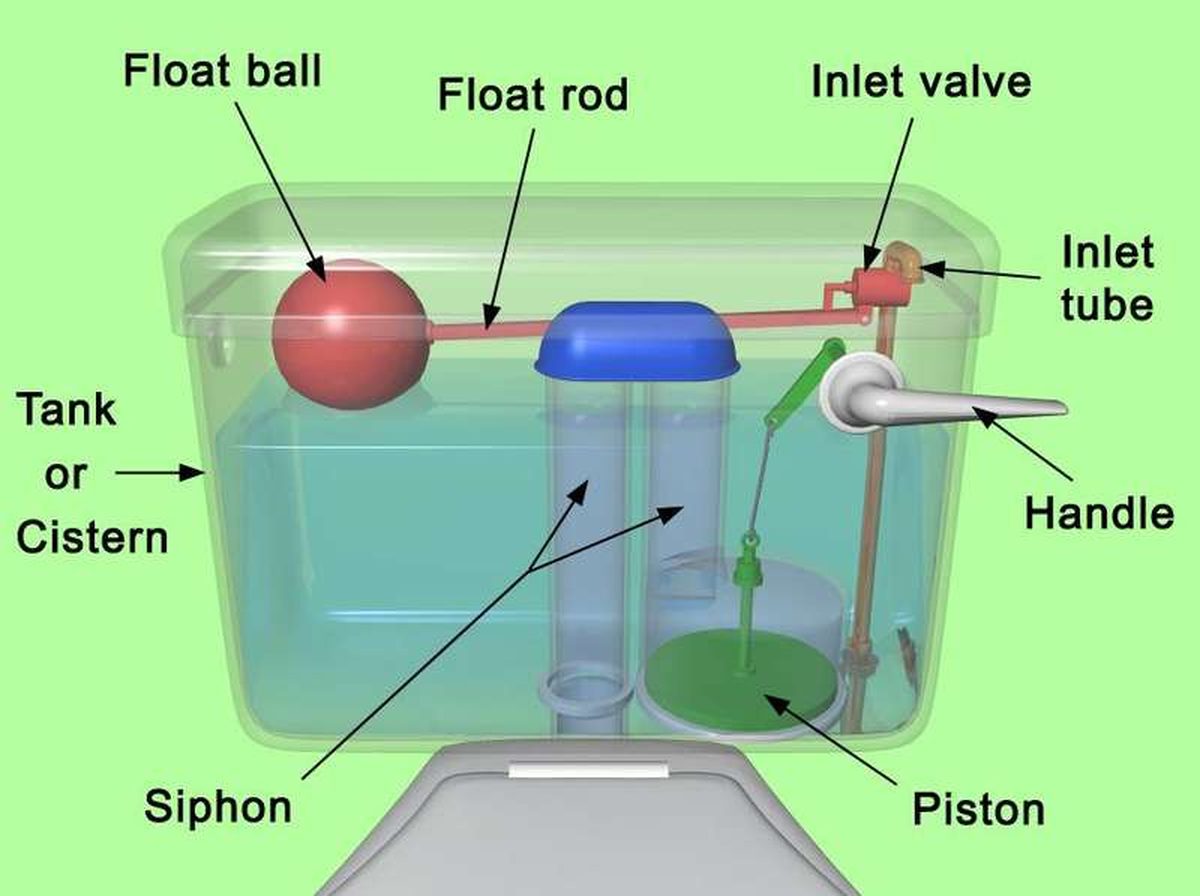
How to fix a running toilet without a plumber in 30 minutes
A running toilet can waste 200 gallons of water a day. Diagnose the flapper, float, or fill valve in two minutes, then fix it yourself
How to hang heavy shelves on drywall safely
Studs first, toggle bolts second, plastic anchors never for heavy loads. Weight ratings, installation steps, and mistakes that bring