
How to Unblock a Kitchen Sink Without a Plunger
Key takeaways
- Start with the gentlest method, boiling water and dish soap, before trying anything stronger.
- Baking soda and vinegar need about 30 minutes and a covered drain to work on soft clogs.
- Stop and call a plumber if water backs up into other fixtures or the clog keeps returning.
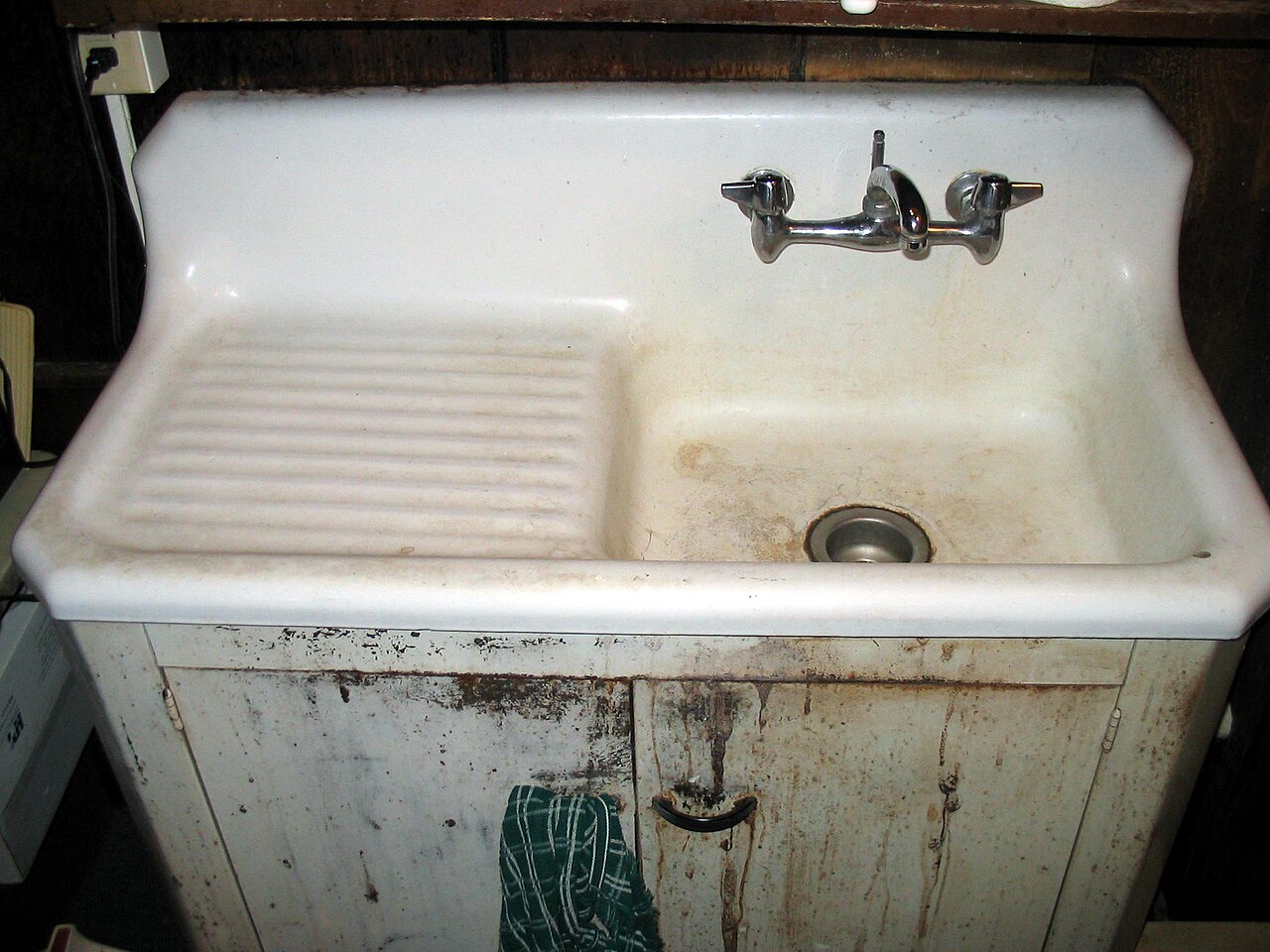
A slow kitchen sink is usually a grease clog. Cooking oil, food scraps, and soap wash down the drain, cool in the pipe, and harden into a sticky layer. Each wash adds a little more until water pools in the basin instead of draining away.
A plunger is the usual fix, but it is not the only one. Heat, dish soap, a fizzy reaction, a wire hook, and a clean trap can each clear a clog, and they work best in that order. This article explains how to unblock a kitchen sink without a plunger, starting with the gentlest method and moving to the most hands-on.
Before you start: two safety checks
First, bail out standing water. Scoop the basin with a cup or bowl until the drain opening is visible. You need to see the drain to aim each method, and standing water dilutes baking soda and vinegar before they reach the clog.
Second, check your pipes. Boiling water can damage PVC plastic pipes, so if your trap and pipes are plastic, use hot tap water instead of a rolling boil. If you have already poured a chemical drain cleaner down the sink, do not add other methods on top of it.
Chemical cleaners can react with vinegar and can splash back onto skin. In that case, ventilate the room, wear gloves and eye protection, and consider calling a plumber.
Keep a bucket, an old towel, rubber gloves, and a bin bag nearby. Drain work is wet work, and the clog material you pull out will not be pleasant.
Method 1: boiling water and dish soap
This is the simplest method and the right first try for a slow drain. Grease melts in heat, and dish soap is built to cut grease. Together, they can dissolve a fresh clog before it hardens further.
Squirt a generous amount of grease-cutting dish soap down the drain. Boil a full kettle of water. Pour slowly, in two or three waves, waiting a few minutes between each pour.
Pouring in stages lets the heat reach the clog instead of pooling on top of it.
Wait five minutes, then run the tap and watch. If water drains at a normal speed, the clog is gone. If it is faster but still slow, repeat the whole process once or twice.
Engineer Fix notes that this method works best when a squirt of dish soap goes in first, because the detergent emulsifies the fatty buildup so the hot water can carry it away.
This method suits grease clogs and soap buildup. It will not shift a solid object, a wad of food, or a clog deep in the pipe. If two rounds make no difference, move to the next method.
Method 2: baking soda and vinegar
Baking soda is sodium bicarbonate. Vinegar is a mild acetic acid. Mixed together, they fizz and release carbon dioxide gas.
The bubbles give a mechanical scrubbing action that can break up soft blockages near the drain opening.
Pour about half a cup of baking soda down the drain. Follow it with one cup of white vinegar. Cover the drain opening with a stopper or a thick cloth right away.
Covering the drain forces the fizzing downward onto the clog instead of letting it bubble up into the basin.
Let the mixture sit for at least 30 minutes. For a stubborn clog, an hour is better. Then flush with hot tap water, or boiling water if your pipes are metal.
If the drain runs faster but not freely, repeat the process once.
This method has limits. The fizz is gentle, and the reaction is spent within minutes, so it only reaches clogs near the drain. It will not dissolve a deep grease plug or a solid blockage.
It also leaves behind water and salt, so flush well. Do not follow it with a chemical drain cleaner in the same session.
Method 3: salt and hot water
Salt adds grit and helps dissolve grease. Mix half a cup of table salt with a few cups of hot water and stir until the salt dissolves. Pour the solution down the drain and let it sit for a few minutes.
Finish by flushing with more hot water.
This method sits between the first two in strength. It is gentler than the fizz method and simpler to prepare, since most kitchens have salt and a kettle. It suits a drain that is slow but not fully blocked.
A fully blocked sink will not let the salt water reach the clog, so bail the basin first and try the dish soap method before this one.
Some guides suggest leaving a salt solution for 30 to 40 minutes before flushing. That longer soak can help with a grease layer that has had weeks to harden. If the drain is still slow after two tries, the clog is probably beyond what household ingredients can reach.
Method 4: a wire hanger hook
If the clog sits close to the drain, you can pull it out. Straighten a wire coat hanger, leaving a small hook at one end. Push the hooked end gently into the drain and twist it slowly to snag food, hair, or stringy debris.
Pull it out slowly and drop the mess into a bin bag. Repeat until the hook comes back clean, then flush with hot water.
Be gentle. Forcing a wire down a pipe can scratch the pipe wall or push the clog deeper. Never use a sharp object, and never push a wire past a bend you cannot feel.
If the hanger meets firm resistance a short way in, the clog may be in the trap, which is the U-shaped bend under the sink. That is a job for the next method.
This method is the most unpleasant and often the most effective for kitchen sinks, because kitchen clogs are usually a mat of food and grease sitting near the drain. The hook grabs the mat in a way that water and fizz cannot.
Method 5: clean the U-bend trap
The trap is the U-shaped pipe under the sink. It holds a plug of water that stops sewer gas from rising into the kitchen. It also collects debris, which makes it the most common clog site.
Put the bucket under the trap. Unscrew the slip nuts by hand or with a wrench, turning gently. Expect water to pour out, along with the clog.
Empty the trap into the bucket, scrub it with an old brush, and check the pipe ends for buildup. Reassemble, hand-tighten the nuts, and run the tap while watching every joint for drips.
Take a photo of the trap before you take it apart. The photo shows the order of washers and nuts, which makes reassembly much easier. If the nuts are corroded, seized, or the pipes are old metal, stop and call a plumber rather than forcing them.
A cracked trap leaks into the cabinet and costs more than the call-out.
When to stop and call a plumber
Some clogs are symptoms of a bigger problem. Call a plumber if water backs up into another fixture, such as the bath or a second sink, when the kitchen sink drains. That pattern points to a blockage in a shared pipe, not in your sink.
Call a plumber if the clog returns within days of clearing it, if you smell sewage, or if the sink gurgles when other fixtures drain. These signs can mean a vent problem, a damaged pipe, or a blockage deep in the main drain. Household methods cannot reach those, and pushing harder can make them worse.
Also call a plumber if you have already used a chemical drain cleaner and the clog is still there. The pipe now holds caustic liquid, and opening the trap without protection is dangerous. Tell the plumber what product you used so they can work safely.
How to keep the sink clear
Prevention is cheaper than any unblocking method. Never pour cooking oil or fat down the drain. Let it cool in the pan, wipe it out with paper, and bin it.
Oil that looks liquid in the pan hardens in the pipe, and that is how most kitchen clogs start.
Use a sink strainer to catch food scraps. Scrape plates into the bin before rinsing them. Run hot water for 30 seconds after washing greasy pans so the grease stays liquid until it passes the trap.
Once a month, flush the drain with hot water and dish soap as routine care.
Can I use baking soda and vinegar on any sink?
Yes for most sinks, with one caution. The fizz is mild and safe for pipes, but it only helps soft clogs near the drain. Skip it if you already poured a chemical cleaner down the drain, and use hot tap water rather than boiling water on PVC pipes.
Will boiling water damage my pipes?
Boiling water can soften or warp PVC plastic pipes. If your pipes are plastic, use hot tap water instead. Metal pipes handle boiling water fine.
When in doubt, use hot tap water, which is still hot enough to melt fresh grease.
How long should baking soda and vinegar sit?
At least 30 minutes, or about an hour for a stubborn clog. Cover the drain while it sits so the fizz works downward. Flush with hot water afterward, and repeat once if the drain improves but does not clear fully.
Why does my kitchen sink keep clogging?
The usual cause is grease poured down the drain, plus food scraps that build up in the trap. A sink strainer, wiping greasy pans before washing, and a monthly hot-water flush prevent most repeat clogs. A clog that returns within days may sit deeper in the pipe and needs a plumber.
The bottom line
Start with boiling water and dish soap. Try baking soda and vinegar next, then salt water, then a wire hook, then the trap. Each step is stronger than the last, and most kitchen clogs give way before you reach the trap.
Know the stopping points: a clog that backs up into other fixtures, a chemical cleaner already in the pipe, or a corroded trap are all reasons to call a plumber. A strainer and a ban on pouring oil down the drain will keep the next clog from forming.
Tags: kitchen sink, blocked drain, DIY, home repairs
Latest in Home
- How to replace a tap washer and stop a dripping tap
- How to remove stripped screws without special tools
- How to mount a TV on a plasterboard wall safely
- How to get rid of mould on window frames safely
Subscribe for one practical home fix each week.
Related stories

Why Your Faucet Keeps Dripping After You Turn It Off
A dripping faucet is usually a worn washer, O-ring, or cartridge that can no longer seal. One drip per second wastes over 3,000 gallons

How to fix a running toilet without a plumber in 30 minutes
A running toilet can waste 200 gallons of water a day. Diagnose the flapper, float, or fill valve in two minutes, then fix it yourself

How to hang heavy shelves on drywall safely
Studs first, toggle bolts second, plastic anchors never for heavy loads. Weight ratings, installation steps, and mistakes that bring