
Why Does Wallpaper Peel at the Seams First and How to Stop It
Key takeaways
- Seams are wallpaper's exposed edges, so they face the most moisture, movement and friction of any part of the wall.
- Indoor humidity above 60% softens water-based paste over time, and keeping rooms between 40% and 60% protects the bond.
- A visible gap usually means the paper shrank, which more glue cannot fix; a lifting edge means the bond failed, which it can.
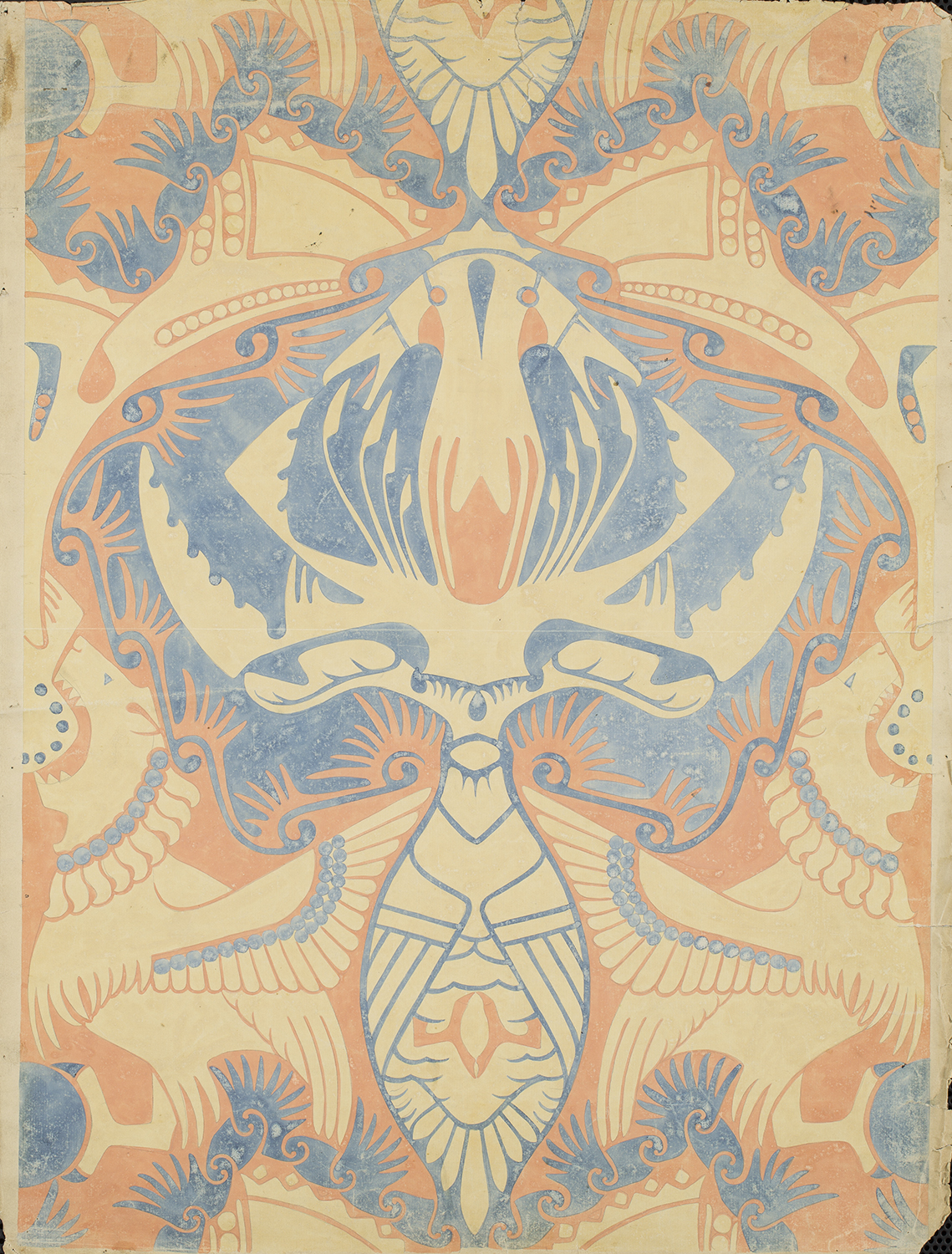
A roll of patterned wallpaper. Photograph: Wikimedia Commons
Image Credits: Wikimedia Commons
Wallpaper seams are the lines where two strips of wallpaper meet. Every other part of the strip is glued flat and protected, but a seam is an exposed edge where two cuts of material butt together or overlap.
This article explains why wallpaper seams fail first, including why edges are the weak point, how moisture and movement break the bond, the installation mistakes that doom seams, how to fix peeling seams, and how to keep them stuck for good.
Why edges are the weak point
The middle of a wallpaper strip has thousands of square centimetres of adhesive holding it to the wall. The seam has only its two thin edges. That is the whole story in one sentence: seams fail first because they have the least glue and the most exposure.
Every seam is a cut edge sitting on the surface rather than buried under it. Air reaches it from the room side. Steam from a bathroom or a kettle reaches it.
Cleaning cloths, furniture corners and passing shoulders brush against it. According to EngineerFix, lifting seams are a frequent failure point precisely because the paper edges are exposed to air, temperature changes and physical friction.
There is also a chemical reality behind that exposure. Most wallpaper paste is water-based. Water-based adhesives hold well when dry, but they soften again when they absorb moisture.
At a seam, moisture has a direct path to the paste layer through the tiny gap between strips. In the middle of a strip, the paper itself acts as a barrier. The seam is the only place where the adhesive is not fully sheltered.
Think of a seam the way you would think of the edge of a bandage. The middle of the bandage stays put for days.
The edges curl first, because that is where peeling has somewhere to start. Once an edge lifts even a millimetre, the exposed underside catches more air and moisture, and the curling accelerates.
How moisture and movement break the bond
Humidity is the single biggest environmental threat to wallpaper seams. When indoor humidity rises above 60% relative humidity, the water-based adhesive that holds wallpaper begins to soften, according to EngineerFix. Kitchens, bathrooms and laundry rooms are the classic danger zones, because steam and water vapour reach the seams again and again.
The target range is 40% to 60% relative humidity. Roman Decorating Products notes that hot, moist air accumulating in a room softens the adhesive used in wallpaper, and that over time this softening lets wallpaper peel or open at the seams. An extractor fan run during and after showers or cooking, or a small dehumidifier in a problem room, keeps the environment inside that safe band.
Temperature movement is the second mechanism. Wallpaper and walls expand when warm and contract when cool, and they do not expand at the same rate. Near windows, radiators and air-conditioning vents, these cycles are strongest.
Each tiny cycle tugs at the seam. Over hundreds of cycles, the bond fatigues and the edge lets go. EngineerFix recommends keeping rooms between 65 and 75 degrees Fahrenheit (about 18 to 24 degrees Celsius) during installation and for the 48 hours after, so the adhesive can cure into its strongest bond before any stress arrives.
Cold rooms have their own problem. CostaCover reports that adhesive does not activate well below 50 degrees Fahrenheit (10 degrees Celsius), which matters both during installation and in rooms like unheated spare bedrooms. A seam hung in a cold room may never have bonded properly in the first place.
The third mechanism is shrinkage, and it is worth understanding because it changes the fix. Traditional paper wallpapers expand when they are pasted, and if they are hung without adequate soaking time they contract as they dry.
That contraction pulls the seams apart from the inside. A gap that appears between strips with the paper otherwise stuck down is usually shrinkage, not a failed bond.
Installation mistakes that doom seams
Most seam failures are decided on installation day, not years later. The most common mistake is poor wall preparation.
Dust, grease, old adhesive residue and cleaning-product film form an invisible barrier between the paste and the wall. The paper looks fine for months, then the seam edges start to lift where the bond was weakest.
Primer matters more than people expect. An unprimed, porous wall sucks the water out of the paste before the adhesive can bond, leaving a weak, powdery layer at exactly the spots that need strength. A wall that looks clean but was painted with low-VOC or stain-blocking paint can also resist bonding, because those formulations are designed to be hard to stick to.
Fresh paint is another trap. Paint can take up to 30 days to cure fully, and during that time it off-gases compounds that interfere with wallpaper adhesive.
EngineerFix flags fresh, uncured paint as a classic cause of later peeling. If the walls were painted within the last month, wait before hanging paper.
Paste application at the seam needs care in both directions. Too little paste leaves the edge under-glued.
Too much paste squeezed out during rolling dries as a crust on the surface that can crack and curl, dragging the edge with it. The professional habit is to work from the centre of the strip outward with the smoother, pushing air and excess paste toward the edges, then to roll the seam lightly rather than pressing it hard.
Stretching the paper during hanging is a quiet killer. Non-woven wallpapers especially can be pulled slightly past their resting size when smoothed.
The material then relaxes as it dries, snapping back and opening the seam. CostaCover advises letting the wallpaper acclimatise to room temperature for at least 24 hours before applying, which reduces the thermal shock that encourages this snap-back.
How to fix peeling seams
Start by diagnosing what you are looking at, because the two failure modes need different repairs. If the paper has simply detached, with the strip the same size but lifted from the wall, you have a bonding failure, and fresh adhesive will fix it. If a visible gap has opened between two strips, the paper has shrunk, and adding glue will not close the gap, according to reporting by english.
pravda. ru. Narrow shrinkage gaps take colour-matched filler; larger gaps or patterned paper usually need the affected strip replaced.
For a lifting edge, peel the loose section back gently until you reach sound adhesion. Clean off old adhesive residue from both the back of the paper and the wall.
Apply a small amount of dedicated wallpaper seam adhesive, which is formulated with higher tack than standard paste, then smooth the seam with a seam roller, working from the centre outward to push out trapped air. Avoid saturating the paper, because excess water warps it.
One warning from the repair guides: do not use PVA glue for seam repairs. It can leave yellow stains on light-coloured wallpaper and creates a bond so aggressive that the paper cannot be removed later without damaging the plaster or drywall. Also avoid drying the repair with a hairdryer or space heater.
Forced heat can deform the paper and restart the peeling. Let the adhesive cure naturally in a room free of drafts.
For peel-and-stick wallpaper, the routine is simpler. Warm the lifting edge gently, press it back with a cloth, and roll the seam. CostaCover suggests sealing problem edges with a thin bead of clear silicone caulk or extra adhesive once they are re-bonded, so moisture has no entry point.
How to keep seams stuck for good
Prevention is a short list. Prime every wall before hanging, even if it looks clean.
Wait the full 30 days after painting. Hang paper only in rooms between 65 and 75 degrees Fahrenheit, acclimatise the rolls for 24 hours, and give the adhesive 48 undisturbed hours to cure.
Control the room for the long term. Keep humidity between 40% and 60% with ventilation or a dehumidifier.
In bathrooms and kitchens, choose wallpapers rated for high-moisture environments, which use stronger adhesives and water-resistant surfaces. Roman Decorating Products notes that purpose-made peel-and-stick products for humid rooms hold up far better than standard ones.
Finally, protect the seams physically. Leave a small gap between tall furniture and the wall so nothing rubs the edges.
When cleaning, wipe toward the seam rather than away from it. Small habits like these keep the edges sealed, and sealed edges are seams that stay down.
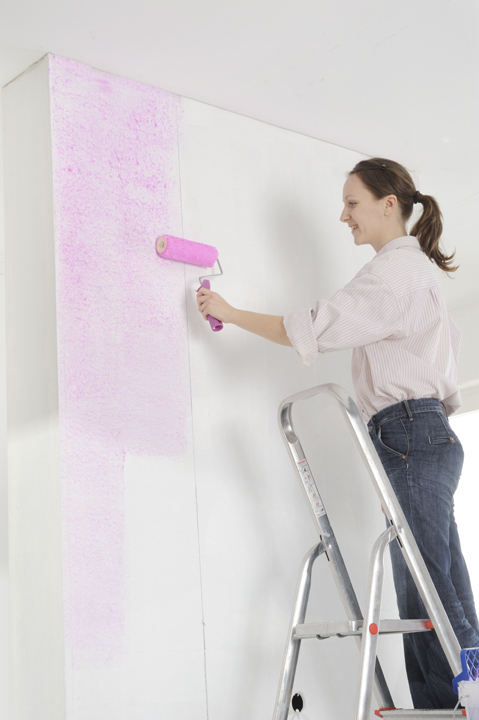
Non-woven wallpaper paste, the adhesive that bonds strips to the wall. Photograph: Wikimedia Commons
Image Credits: Wikimedia Commons
Is peeling at the seams a sign of cheap wallpaper?
Not necessarily. Seam failure is mostly about moisture, temperature cycling and installation quality. Expensive paper hung on an unprepared wall in a steamy bathroom will peel at the seams just as fast as budget paper.
Can I just add more glue to a gap between strips?
No. A gap means the paper shrank, and adhesive will not stretch it back. Detached edges that lift but show no gap are the ones that respond to seam adhesive.
Why do only the bathroom seams peel?
Bathrooms combine the two worst stresses: repeated steam pushes humidity past 60% and softens water-based paste, while showers and cold windows create sharp temperature swings that work the seams loose.
Should I prime over painted walls before wallpapering?
Yes. Primer creates a uniform, non-porous surface for the adhesive to grip, and it is especially important over low-VOC or stain-blocking paints, which are formulated to resist bonding.
How long should I wait after painting before hanging wallpaper?
Up to 30 days, so the paint fully cures. Hanging paper on fresh paint risks off-gassing that interferes with the adhesive bond.
The bottom line
Wallpaper peels at the seams first because seams are exposed edges with the least adhesive and the most contact with moisture, temperature swings and physical knocks. Keep humidity between 40% and 60%, prepare and prime walls properly, and let fresh paint cure for 30 days.
For repairs, match the fix to the failure: seam adhesive for lifting edges, filler or replacement for shrinkage gaps. Sealed, dry edges stay down for years.
Latest in Home & DIY
- Stop Condensation on Bedroom Windows
- Silence a Squeaky Floorboard
- Choose the Right Drill Bit for Wood, Metal and Tile
- Why Pipes Bang When You Turn Off the Faucet
For related reading on managing indoor moisture or tackling other common wall problems, browse the Home & DIY section.
Subscribe for one practical home fix every week.
Related stories
Why Your Faucet Keeps Dripping After You Turn It Off
A dripping faucet is usually a worn washer, O-ring, or cartridge that can no longer seal. One drip per second wastes over 3,000 gallons
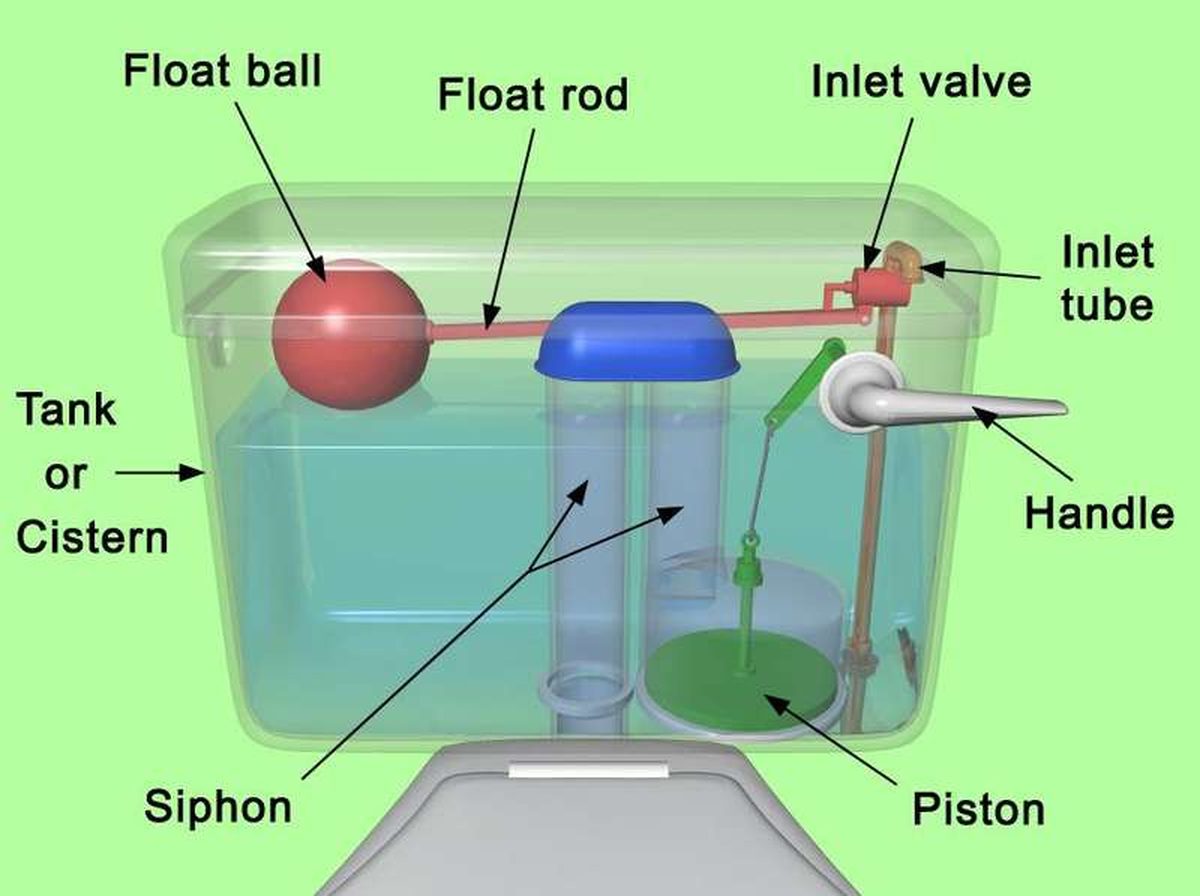
How to fix a running toilet without a plumber in 30 minutes
A running toilet can waste 200 gallons of water a day. Diagnose the flapper, float, or fill valve in two minutes, then fix it yourself
How to hang heavy shelves on drywall safely
Studs first, toggle bolts second, plastic anchors never for heavy loads. Weight ratings, installation steps, and mistakes that bring