
Why Do Betta Fish Flare Their Gills at Reflections?
Key takeaways
- Bettas flare at reflections because they mistake their own image for a rival fish.
- A brief flare that ends in normal swimming is healthy territorial communication.
- Constant flaring means the reflection, the tank, or the water needs attention.
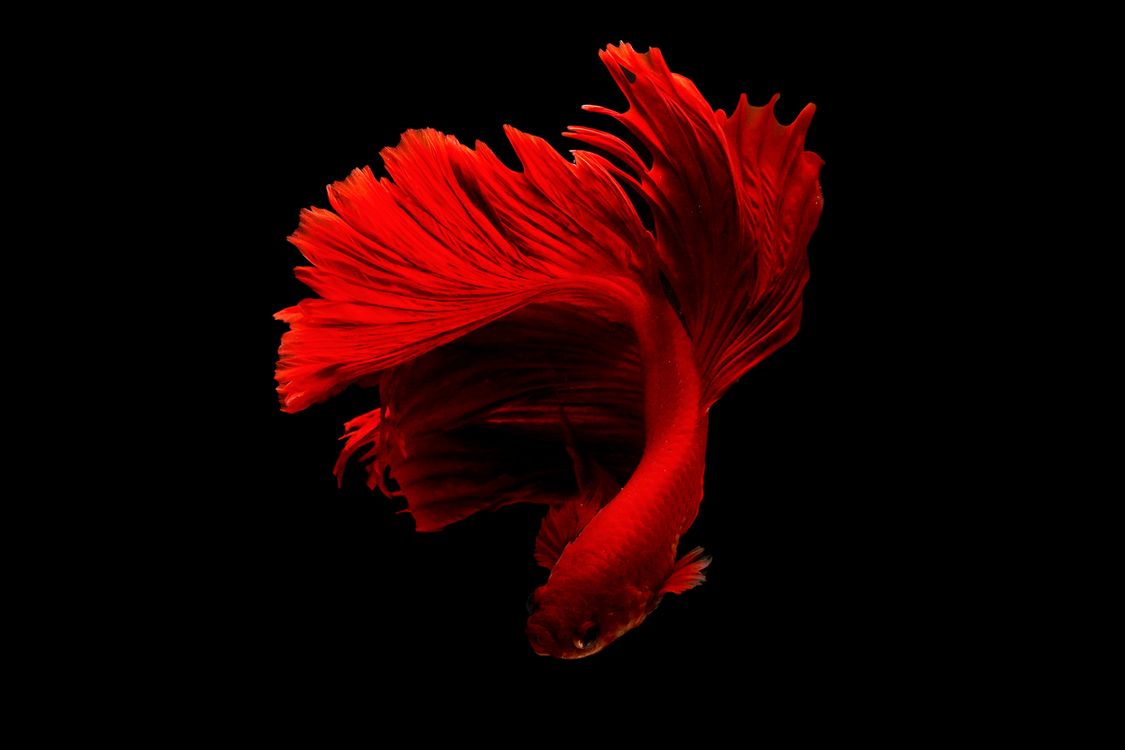
A betta fish can change in an instant. One moment it swims calmly. The next, its gill covers spread wide, its fins fan out, and its colors look brighter.
To a human, it looks angry. To the fish, it is a warning.
The most common trigger is a reflection. The betta sees its own image in the tank glass and mistakes it for another betta. The flare is a bluff meant to convince the intruder to leave without a fight.
This article explains what flaring is, why reflections trigger it, how to tell a healthy flare from chronic stress, and how to fix a tank that keeps its betta in a permanent standoff.
This article is for general information, not medical advice.
What flaring actually is
Flaring is a full-body display. The betta spreads its fins, extends the covers around its gills, and makes its body appear larger, according to Fly Fish Finesse. The gill covers are called the operculum.
When they extend, the fish shows a broad membrane under the gills, often called the beard. The colors look stronger because the fish is displaying them at full spread.
Flaring involves extending the gill covers (operculum) and spreading the fins to their maximum span, according to Aquifarm. The display is a hardwired instinct, not a learned trick.
The display serves a clear purpose. Bettas use it to communicate confidence, warn off perceived rivals, and defend their space, according to Fly Fish Finesse. A betta that flares is saying that the space is taken.
Most rivals, including reflections, never actually leave.
Both sexes can flare. Female betta fish can flare their gills, although they typically do it less frequently and intensely than males, according to the Environmental Literacy Council. Males are the ones most owners see flaring, because males are more territorial and more often kept as display fish.
Flaring is not only about fighting. It is also part of courtship. When a male betta tries to impress a female, he will put on his best show, flaring his fins and gills to display his vibrant colors and genetic fitness, according to Aquifarm.
The same display that warns a rival can attract a mate. Context decides the meaning.
Other pet behaviors work the same way, with a normal-looking display and a real mechanism. Dogs dream and twitch in their sleep, cats groom themselves for hours, and dogs get the zoomies after a bath all look odd until the cause is clear.
Why reflections trigger flaring
A betta's territory is small and fiercely defended. In their native habitats of shallow rice paddies and streams in Southeast Asia, resources can be scarce, according to Aquifarm. A male betta's territory is his source of food and his place to attract a mate.
That instinct stays strong in captivity.
A reflection looks exactly like a rival. It moves when the betta moves. It faces the betta.
It never backs down. The betta reads those signals as a challenge.
Reflections in the glass are one of the most common triggers for flaring, according to Fly Fish Finesse. A betta may mistake its reflection for another fish and display its fins and gills to drive the apparent intruder away. Changes in lighting can make reflections more noticeable at certain times of day.
The pattern gives the trigger away. If a betta repeatedly flares at one side of the aquarium, that side may be reflecting a window, lamp, or brightly colored object, according to Fly Fish Finesse. Moving the tank or reducing the reflective surface may help.
What a healthy flare looks like
A healthy flare is short. The betta flares, holds the display for a moment, and then goes back to normal swimming, eating, and resting. The colors stay bright.
The posture stays confident.
Healthy flaring is short-lived, according to Aquifarm. A betta might flare at a mirror, a finger, or a new decoration for 30 to 60 seconds and then go back to its normal, curious swimming. Its colors will be bright, and its posture will be confident.
Occasional flaring followed by normal swimming, eating, and resting is generally not a cause for concern, according to Fly Fish Finesse. The important factor is whether the behavior is short-lived or continues for long periods throughout the day.
A healthy flare also ends cleanly. The fish returns to exploring, resting, or building a bubble nest. It eats normally at the next feeding.
It does not hide, clamp its fins, or pace the glass.
Owners sometimes worry that any flaring means the fish is unhappy. That is not the case. Flaring is part of the betta's natural body language.
A betta that never flares is not necessarily happier than one that flares briefly.
When flaring signals stress
The warning sign is persistence. A betta that flares constantly is not exercising. It is stressed.
Stress flaring is persistent, according to Aquifarm. If a betta is constantly flaring, hiding, or pacing the glass, it is a sign of chronic stress. That pattern is often accompanied by other symptoms like loss of color, clamped fins, lethargy, or refusal to eat.
Frequent, prolonged displays can keep a betta in a state of agitation, according to Fly Fish Finesse. Repeated effort and constant exposure to a perceived rival may contribute to stress, especially if the trigger cannot be avoided.
Water quality is a frequent hidden cause. Poor water quality is a major stressor, according to Aquifarm. Owners should use a test kit to check for ammonia, nitrite, and nitrate.
Any amount of ammonia or nitrite is an emergency that requires an immediate water change.
Tank mates can also drive constant flaring. Even community-friendly fish can bully or nip a betta's fins, according to Aquifarm. Bettas are best housed alone, according to the Environmental Literacy Council.
How to fix a reflection problem
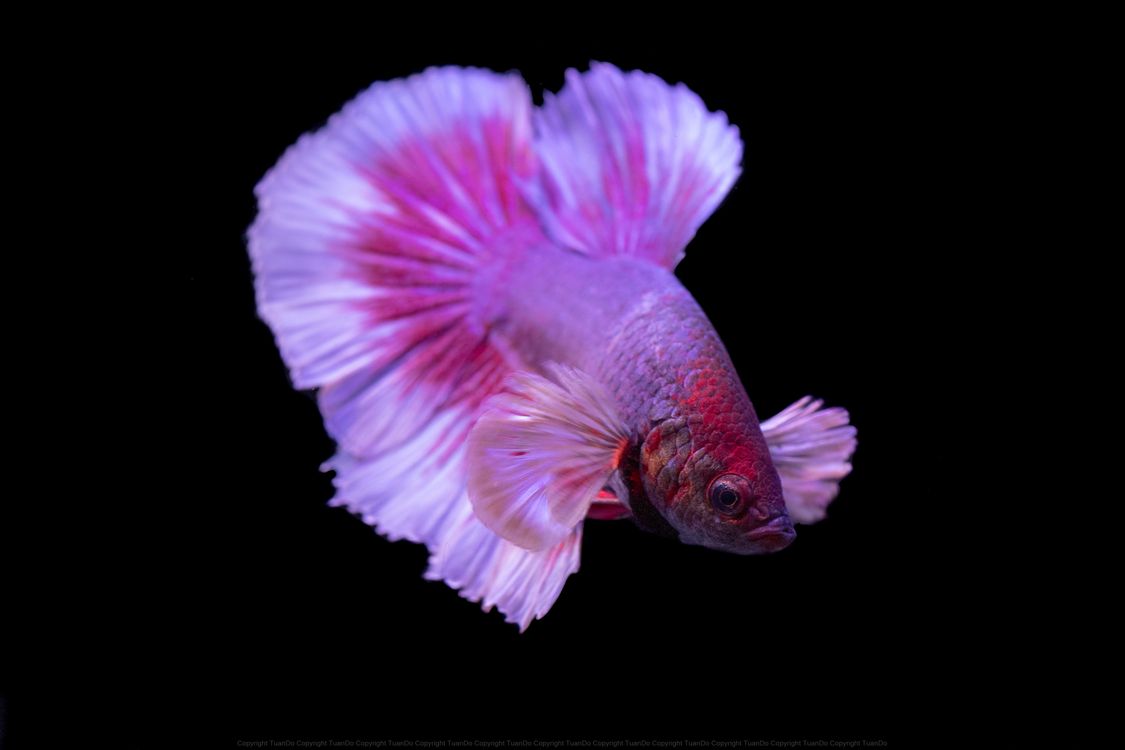
The fix starts with finding the reflection. Look at the tank from the betta's level and check each side of the glass at different times of day. A pattern tied to one side and one time of day points to a specific light source.
Covering the sides of the tank with dark paper or a background can minimize reflections, according to the Environmental Literacy Council. Adding more plants to break up sightlines also helps, according to Aquifarm. Plants give the fish cover and break the glass into smaller visual sections.
Lighting changes can solve the problem without any new equipment. If the tank light creates a reflection, try adjusting the timing or the angle. If a window or lamp reflects into the tank in the evening, move the tank, move the lamp, or close the blinds during the flaring window.
The tank itself should meet the basics. A minimum of 5 gallons (19 liters) is the floor, according to Aquifarm, and bigger is always better. Bettas are tropical fish and require a stable temperature of 78 to 80 degrees Fahrenheit (25 to 27 degrees Celsius), according to Aquifarm.
The Environmental Literacy Council gives a slightly wider range of 78 to 82 degrees Fahrenheit, with pH 6.5 to 7.5, ammonia 0 ppm, nitrite 0 ppm, and nitrate below 20 ppm.
Water changes keep the system stable. The Environmental Literacy Council recommends 25 percent water changes once a week, or 50 percent water changes every two weeks. Regular, small changes beat massive, infrequent ones.
The mirror debate
Mirror use divides betta keepers. Some treat a brief mirror session as enrichment. Others advise against it entirely.
Aquifarm supports short, controlled sessions: hold a small, clean mirror against the outside of the tank glass for just 15 to 30 seconds, then remove it. The guide suggests no more than one minute total per day, done 3 to 4 times a week. The argument is that flaring exercises the fins, provides mental stimulation, and gives the owner a chance to inspect the fins for early signs of fin rot, tears, or spots.
The Environmental Literacy Council takes the other view. It notes that some owners use mirrors, but says the practice is generally not recommended because it can cause excessive stress. If a mirror is used, it advises limiting the duration to a few minutes at a time and not doing it daily.
The safest choice for most owners is to skip the mirror. A well-planted tank, a varied routine, and a calm environment give the betta stimulation without a fake rival. If an owner does try a mirror, the Aquifarm limits are the ceiling, not the target.
What to do if the betta never flares
A betta that never flares is usually fine. Give a new fish time. A new fish may need a week or two to settle in and feel confident enough to claim its territory, according to Aquifarm.
That is normal.
Happy bettas typically have bright colors, are active swimmers, have a good appetite, and may build bubble nests, according to the Environmental Literacy Council. They also show interest when the owner approaches the tank.
With proper care, betta fish can live for 3 to 5 years, and sometimes even longer, according to the Environmental Literacy Council. Tank size, water quality, and diet all matter. The keeper's job is to keep the flares brief and the water clean.
Frequently asked questions
Is it bad if my betta fish flares at me?
No, occasional flaring is not bad. It is a natural behavior. The fish may be reacting to movement, a reflection, or something it reads as a rival entering its territory.
Why is my betta always flaring at its reflection?
The reflection looks like a rival that never leaves. Check for reflections on the tank glass, especially at certain times of day. Covering the sides, adding plants, and adjusting lighting can reduce or remove the reflection.
Can female betta fish flare their gills?
Yes. Females can flare, although they typically do it less frequently and intensely than males.
Should I use a mirror to make my betta flare?
Opinions differ. Aquifarm supports very brief sessions of 15 to 30 seconds, a few times a week at most. The Environmental Literacy Council generally advises against it because it can cause excessive stress.
How long do betta fish live?
With proper care, betta fish can live for 3 to 5 years, and sometimes longer. Tank size, water quality, and diet are the main factors.
The bottom line
Bettas flare at reflections because they mistake their own image for a rival. A brief flare that ends in normal swimming is healthy territorial communication. Constant flaring means the reflection, the tank, or the water needs attention.
Fix the reflection, check the water, give the fish cover, and skip the mirror.
Tags: betta fish, aquarium, fish behavior, pet care
Latest in Pets
- Why Do Cats Groom Themselves for Hours?
- Why Does My Dog Get the Zoomies After a Bath?
- Why Does My Rabbit Thump Its Back Feet?
- Why Do Parrots Mimic Human Speech?
Subscribe for weekly pet behavior explainers in your inbox.
Related stories

Why Does My Dog Eat Grass and Vomit?
A UC Davis study of 1,571 owners found grass eating is normal dog behavior, not self-medication: only 10% were ill first. What the science

Why Does My Dog Stare at Me While I Eat?
Dogs stare at you while you eat because it has worked before, and mutual gaze raises bonding hormones. Learn the reinforcement science

Foods toxic to dogs: the list, with reasons
Chocolate, xylitol, grapes, onions: common foods can harm dogs. Learn what makes each one toxic, the warning signs, and what to do if your