
Why cats flick their tails when they feel annoyed
By Rive News / Research desk | Rive News / Published October 29, 2026 at 9:00 AM PKT
Key takeaways
- A fast, tense tail flick is often a warning to stop petting or back away.
- Slow swishes can mean focus or play, while a puffed, lashing tail signals fear or aggression.
- Ears, posture, pupils, and context decide what a flick means, not the tail alone.
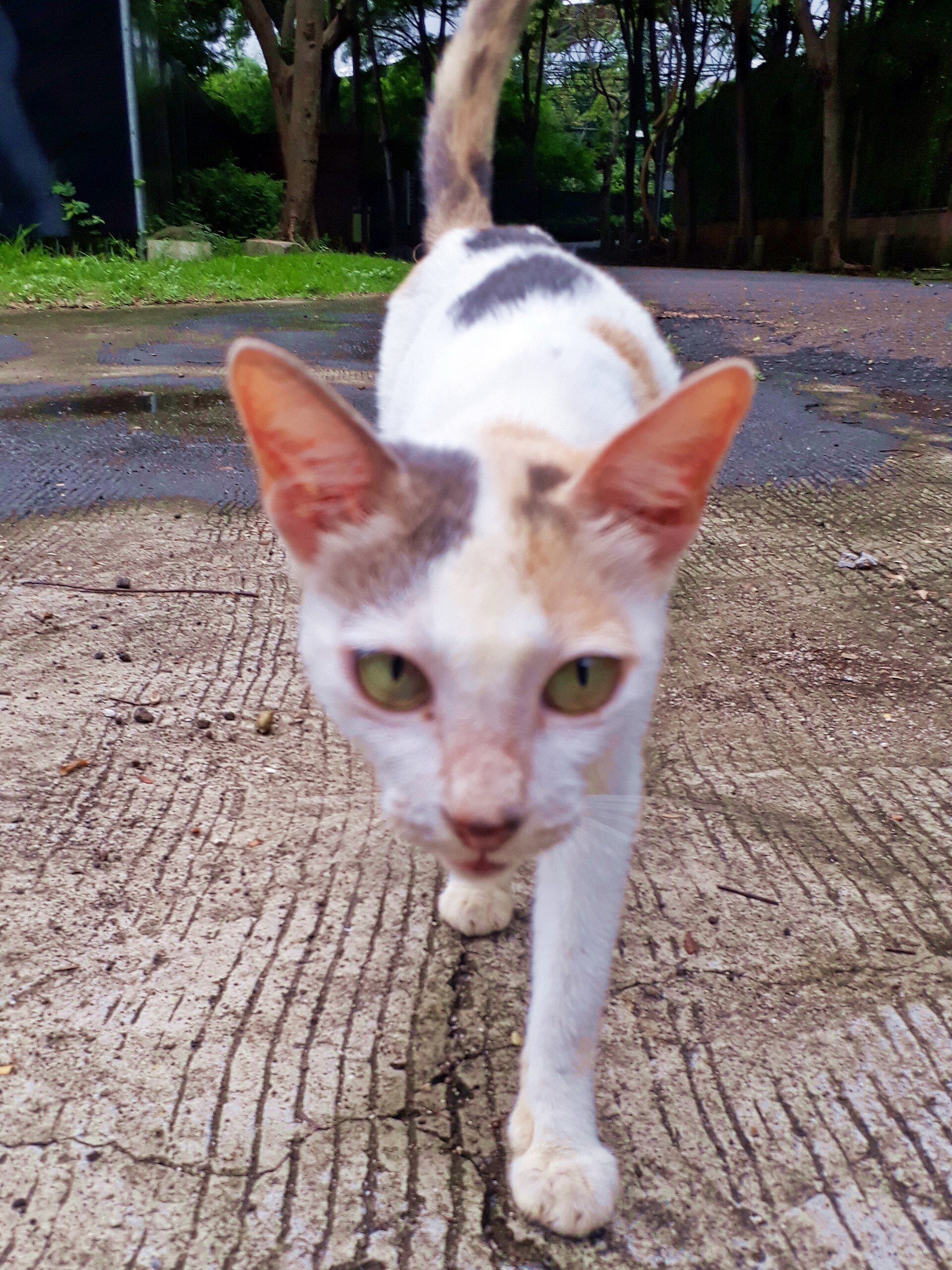
A cat flicking its tail is sending a message, but the message is not always annoyance. The same tail can signal focus, excitement, irritation, or a warning, depending on speed, tension, and the rest of the body.
That is why cat owners get confused. A slow swish during play looks nothing like a sharp lash during petting, yet both are often described as "wagging."
Cats do not wag like dogs. Their tail movements are smaller, faster, and more tied to arousal and mood.
This article explains tail flicks, including the annoyed flick, the focused swish, the aggressive lash, and the signs that mean a cat needs space or a vet visit.
What a flick actually is
A flick is a short, quick movement of the tail, often just the tip or the lower half. It differs from a slow, side-to-side swish and from a broad wag. Speed and muscle tension are the clues.
A relaxed cat may move its tail gently while watching a bird or a toy. The body stays loose, the ears point forward or to the side, and the movement has a steady rhythm. That is focus, not a warning.
An annoyed cat often shows a sharper movement. The tail may thump, twitch at the tip, or lash from side to side with force. The body may stiffen, the ears may flatten, and the skin along the back may ripple.
Certified cat behaviorist Joey Lusvardi, quoted by Chewy, describes the annoyed pattern directly. He says, "A cat that's annoyed will have a tail that's moving a lot." He adds that the movement signals discomfort and a request for space, and that ignoring it can lead to a swat or a hiss.
That quote matters because it links the tail to a sequence. The flick is an early signal. The swat is what happens when the early signal is missed.
The annoyed flick during petting
Petting-induced annoyance is one of the most common reasons for a tail flick. Many cats enjoy stroking for a short time, then reach a limit. The limit varies by cat, by day, and by body area.
The belly, the base of the tail, and the paws are sensitive for many cats. A cat that was purring a minute ago may suddenly flick its tail, flatten its ears, and dilate its pupils. Those changes together mean the cat has had enough.
The Animal Medical Center gives a blunt version of the same advice. Its guide on cat tail language says that when a cat is flicking her tail, people should leave her alone, and it warns that the cat may be angry and close to acting on it.
The practical response is simple. Stop petting, move the hand away slowly, and let the cat leave. Do not chase the cat for a final pat, and do not punish the warning.
A cat that learns warnings work is less likely to skip straight to a bite.
Children need the same lesson in plain words. A flicking tail means "stop," not "try harder." Adults can model that by pausing the moment the tail starts moving fast.
Focus, play, and hunting flicks
Not every flick is negative. A cat watching a bird through a window may swish its tail slowly while crouching low. A cat about to pounce on a toy may quiver just the tip of its tail.
Those movements reflect concentration and prey drive.
Chewy notes that tail flicks and quivers often appear during hunting or play, when a cat is focused on a bird, a bug, or a toy. The cat may crouch low before a pounce, with the tip of the tail moving rapidly.
Context separates this from annoyance. The body faces the target, the eyes stay fixed, and the ears stay forward. No one is petting the cat, and nothing is blocking its path.
The cat is not asking for space. It is asking, in effect, to be left to the game.
A cat in deep sleep may also swish its tail while dreaming. That movement is loose and irregular, and the cat is not awake to be annoyed. Waking a sleeping cat to check its mood is unnecessary, and it can startle the animal.
Lashing, puffing, and tucked tails
A tail lashing hard from side to side is a stronger warning than a tip flick. Litter-Robot's guide to cat tail language describes fast lashing as a sign of aggression, anger, or feeling threatened, often with ears pinned back, dilated pupils, an arched back, or whiskers held out to the side.
A puffed-up tail is another strong signal. The Animal Medical Center links a puffed tail to the fight-or-flight response, mediated by adrenaline, in which a cat tries to look larger to a threat. A frightened cat may also arch its back and raise its fur.
A tucked tail points in a different direction. A cat that tucks its tail tightly around its body or between its legs may be frightened or submissive, and may try to shrink as small as possible. Litter-Robot notes that a fearful or pained cat may tuck its tail or hold it low, with ears pinned back and held outward.
Those distinctions matter because the response differs. An aggressive, lashing cat needs distance and a clear escape route. A frightened, tucked cat needs the threat removed and a quiet hiding place, not a forced cuddle.
Reading the whole cat, not just the tail
Tail language only works as part of a full picture. A single flick, seen alone, can mislead. A tip twitch during play, a tip twitch during petting, and a tip twitch while another cat approaches a food bowl can mean different things.
Ears are the next clue. Forward ears suggest interest. Sideways ears, sometimes called airplane ears, suggest irritation or unease.
Flat ears suggest fear or aggression.
Eyes and whiskers add more. Dilated pupils can mean arousal, fear, or low light, so they must be read with posture. Whiskers pushed forward suggest interest, while whiskers flattened against the face suggest fear or pain.
Posture ties it together. A loose body with a slow swish is different from a stiff body with a fast lash. A cat that leans away, walks off, or turns its head is already communicating, even if the tail has not yet moved.
Owners who learn the full pattern can act earlier. Stopping petting at the first tip flick prevents most petting-induced bites. Giving a cat an exit during a tense encounter with another cat prevents many fights.
When a tail change needs a vet
Most tail flicks are behavior, not illness. A persistent change in tail movement, especially with pain, still deserves attention. A tail that suddenly hangs limp, moves oddly, or is held in a strange position can signal injury or a neurological problem.
The Animal Medical Center notes that a tail that is not moving may indicate a neurologic disorder, and that tails can develop tumors. It advises a veterinary visit if a cat holds its tail in a strange way.
Owners should also watch for a pattern that does not fit the situation. A cat that flicks constantly, overgrooms its tail base, cries when touched there, or shows lasting changes in appetite, hiding, or litter habits should be seen by a vet. This article gives general information only and does not diagnose any condition.
A vet visit is especially important after a tail injury, such as a door closing on the tail, a fall, or a fight. Swelling, bleeding, loss of movement, or signs of pain are reasons to seek care promptly rather than waiting to see if the tail settles.
The bottom line
Cats flick their tails when annoyed, but annoyance is only one item on a longer list. Focus, play, excitement, fear, and aggression can all move the same tail in different ways.
Watch speed and tension first. A slow swish with a loose body usually means focus. A fast, tense flick or lash with flat ears usually means stop.
A puffed tail means threat, and a tucked tail means fear or pain.
Give the cat what the signal asks for. Stop petting at the first warning, offer an escape route during tension, and let a frightened cat hide. That respect for the signal is what turns a flick from a warning into a conversation.
Frequently asked questions
Does a flicking tail always mean a cat is annoyed?
No. Slow swishes often mean focus or play, while fast, tense flicks during petting usually mean annoyance or overstimulation. Ears, posture, and context decide the meaning.
Should I stop petting when my cat flicks its tail?
Yes, in most cases. A fast flick is an early warning, and stopping before it escalates to a swat or bite teaches the cat that warnings work.
What is the difference between a swish and a lash?
A swish is slower and looser, often linked to focus or play. A lash is faster, harder, and more forceful, and it usually signals anger, fear, or aggression.
When should a tail problem go to the vet?
Seek veterinary advice if a tail suddenly hangs limp, moves strangely, shows swelling or pain, or if a lasting change in tail movement comes with hiding, appetite changes, or other persistent symptoms.
Tags: cats, cat behavior, tail language, pets
The Rive News research desk writes plain-language explainers from published sources, with no invented experts or first-hand claims.
Related
- Why cats chatter their teeth at birds
- Why cats stare at you for so long
- Why cats knead with their paws at home
- Why your cat bites you gently then licks you
Subscribe for one plain-language pet behavior explainer each week.
Rive News standards: every factual claim is tied to a named public source, and corrections are noted on the article.
Related stories
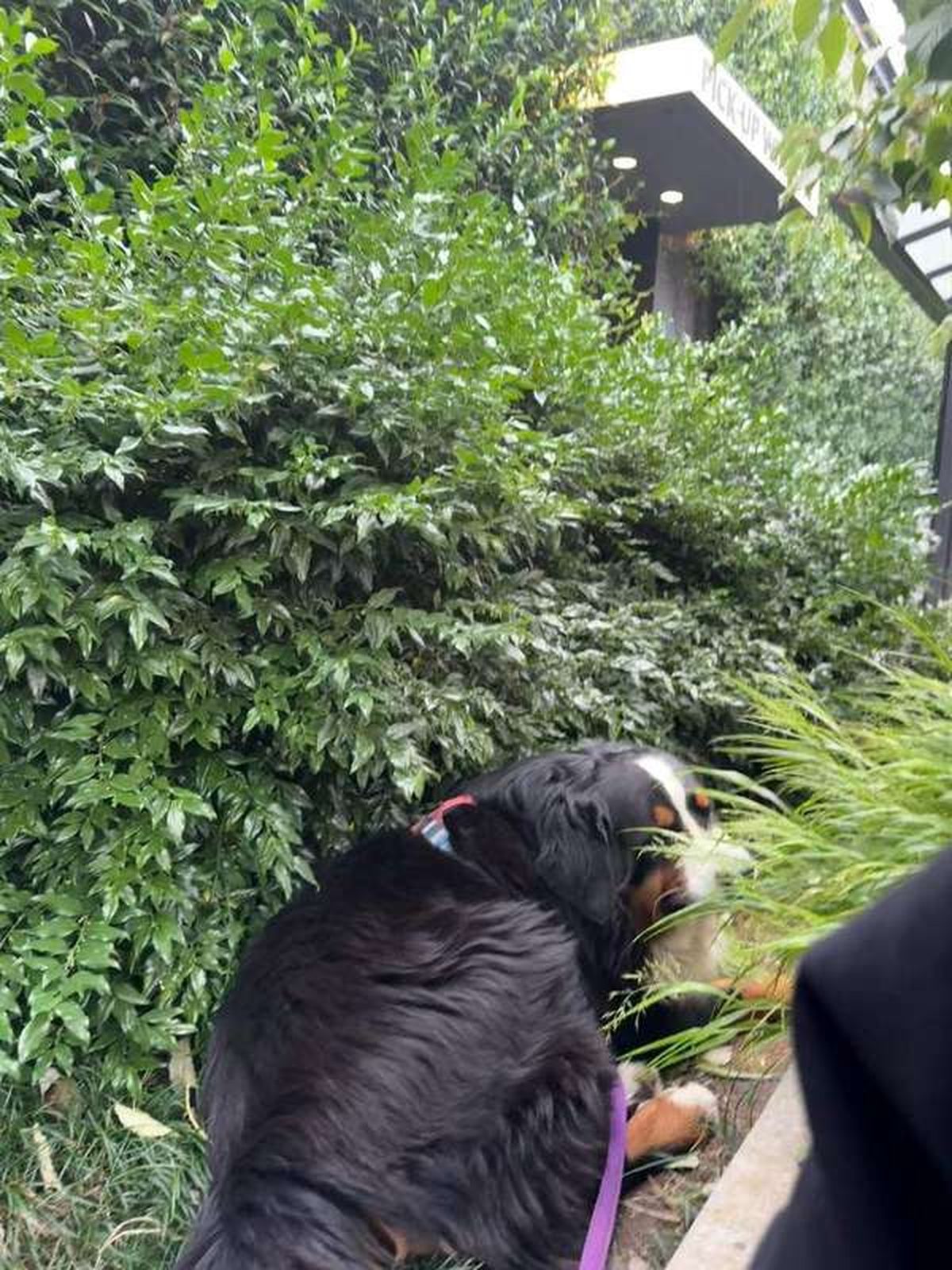
Why Does My Dog Eat Grass and Vomit?
A UC Davis study of 1,571 owners found grass eating is normal dog behavior, not self-medication: only 10% were ill first. What the science
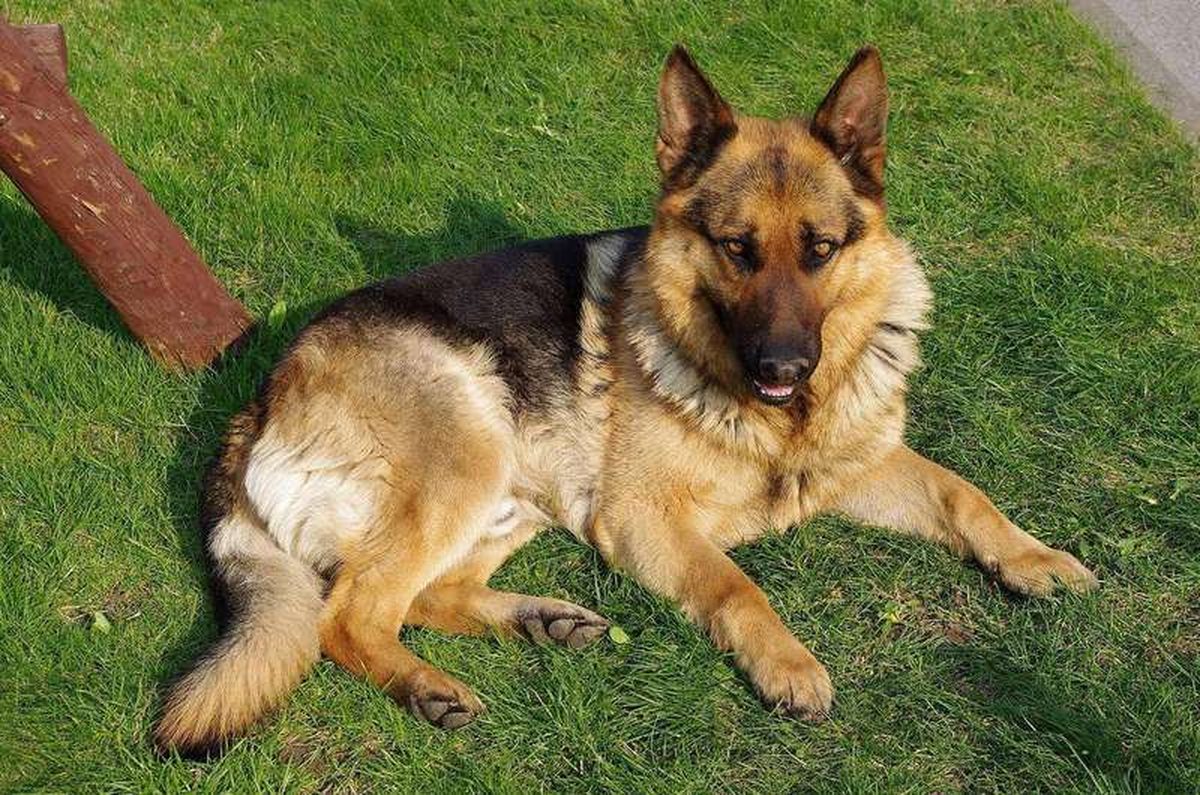
Why Does My Dog Stare at Me While I Eat?
Dogs stare at you while you eat because it has worked before, and mutual gaze raises bonding hormones. Learn the reinforcement science
Foods toxic to dogs: the list, with reasons
Chocolate, xylitol, grapes, onions: common foods can harm dogs. Learn what makes each one toxic, the warning signs, and what to do if your