
Why cats sleep in small boxes: safety, warmth, and habit
By Rive News / Research desk | Rive News / Published October 27, 2026 at 9:00 AM PKT
Key takeaways
- Cats sleep in small boxes because the walls cut down threats from every side and leave only one entrance to watch.
- Cardboard traps body heat, which suits cats whose body temperature runs higher than the usual indoor room temperature.
- A 2014 shelter study found that cats given boxes settled faster and showed lower stress than cats without them.
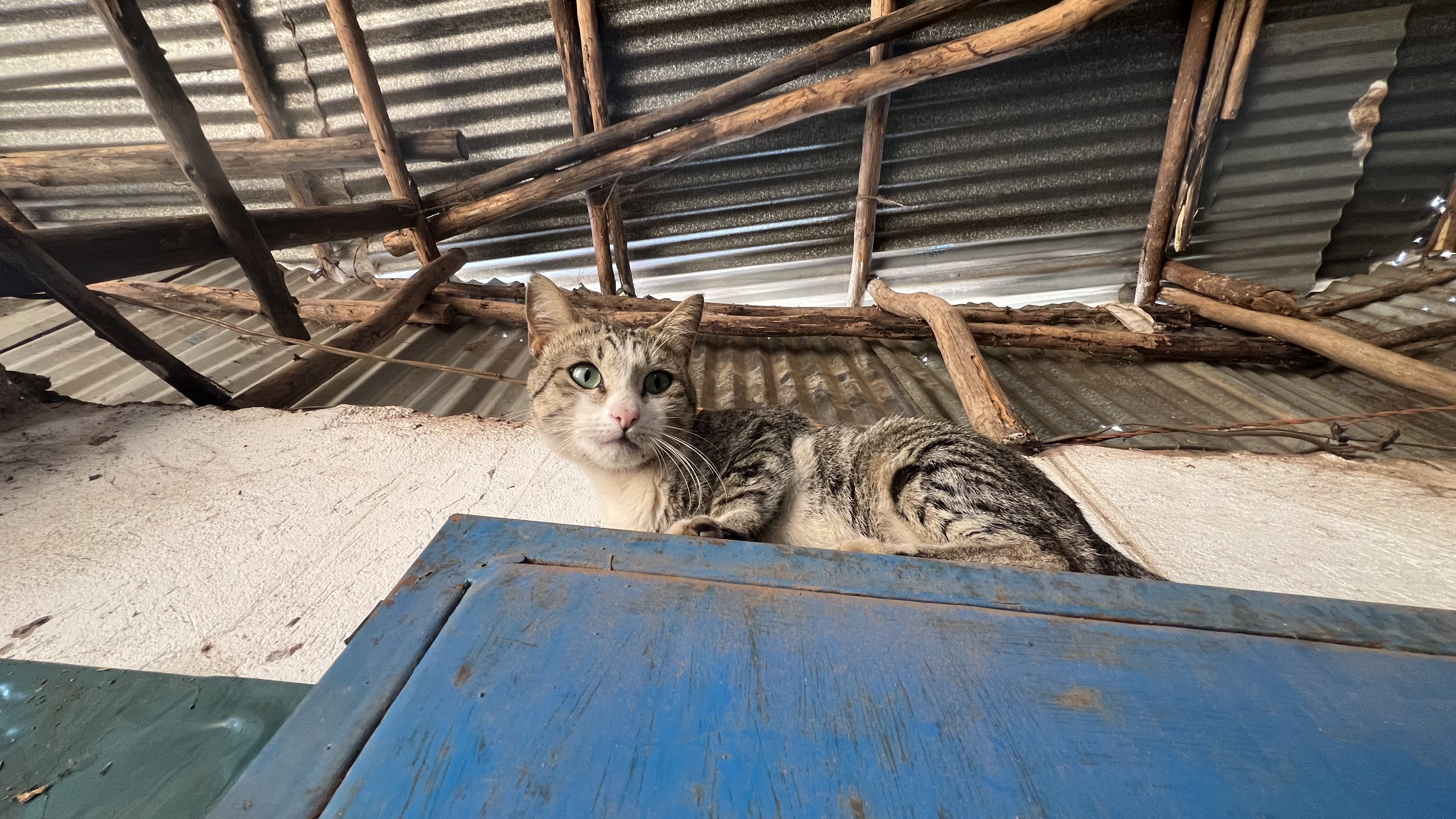
A cat curled inside a small box with its paws tucked close. Photograph: Stephen Dumba
Image Credits: WordPress Photo Directory (CC0)
A small box gives a cat a den. The walls block the view from the sides and from behind, the roof or rim cuts off the view from above, and the cat only has to watch the opening in front.
That simple shape answers several needs at once. It hides the cat from anything it sees as a threat, it holds warmth close to the body, and it gives the cat a place it can claim as its own. This article explains why cats sleep in small boxes, including safety, warmth, the shelter study, warning signs, and better boxes.
Why a box feels safe
Cats are both hunters and hunted animals in their ancestry. A wild ancestor that rested in the open risked being spotted by a larger predator, while one that rested in a hollow log or a rock crevice could watch a single approach route.
A cardboard box recreates that hollow in a living room. The cat can see out through the opening while most of its body stays hidden, which is the same arrangement an ambush hunter wants. PetsRadar quotes veterinarian Godfrey on the appeal of a tight fit.
"Cats love being in cardboard boxes. In fact, the smaller the better because if they are squished, they know they are safe," Godfrey told PetsRadar.
The squeeze itself seems to matter. A box that touches the cat on several sides gives constant contact feedback, and that contact appears to calm rather than confine. Owners often notice the same cat ignoring a large soft bed in favour of a box barely bigger than its curled body.
Boxes also help cats manage the social load of a busy home. Visitors, vacuum cleaners, and other pets all count as unpredictable events, and a cat that can retreat behind cardboard does not have to negotiate them. That is why cats that hide when visitors come and cats that sleep in boxes are often showing the same coping style.
Control is the thread running through all of this. A cat in a box chooses when to emerge, and that choice lowers the sense of threat. The box is not a cage because the cat put itself there and can leave at any time.
Warmth and the cardboard effect
Cats run warm. Their normal body temperature sits between 101 and 102.5 degrees Fahrenheit, several degrees above the human range. A home kept at 68 to 72 degrees Fahrenheit, which feels comfortable to people, can feel cool to a cat.
Cardboard helps close that gap. The material is a poor conductor of heat, so warmth from the cat's body stays trapped in the small pocket of air inside the box. The smaller the box, the less air there is to warm, and the faster that pocket reaches a comfortable temperature.
Curling up helps too. A cat asleep in a box tucks its paws and tail close, which shrinks the surface area losing heat to the air. The box then acts like a second blanket that does not slip off during sleep.
This warmth effect also explains the seasonal pattern many owners see. Boxes become more popular in cold months and in air conditioned rooms, and cats often move between sunny spots and boxes through the day. Kittens feel the pull most strongly, since young animals lose heat faster and regulate temperature less well than adults.
Warmth alone does not explain everything, though. Cats still choose boxes in heated homes in summer, which points back to safety and habit as the other half of the story.
What the shelter study showed
The best known evidence comes from a 2014 study at Utrecht University, published in Applied Animal Behaviour Science. Researchers followed newly arrived shelter cats and gave half of them a cardboard hiding box.
The cats with boxes adapted to the shelter faster and showed lower stress scores than the cats without them. The gap appeared within the first weeks, which is exactly the period when a shelter cat faces new smells, sounds, and people all at once. Behaviour writers often cite the study as the reason hiding places count as basic welfare for cats in care, not as a luxury.
A related finding gets quoted almost as often. Cats will even choose the outline of a box drawn on the floor over open ground, which suggests the boundary itself carries meaning. The drawn square offers no warmth and no walls, yet cats still treat it as a spot worth sitting in.
Hyunmin Kim, a veterinarian with the ASPCA, described the same logic in plain terms when speaking to Bored Panda. Kim said cats choose resting places that reduce vulnerability, like a cardboard box where five out of six sides are protected and a quick exit stays possible. Kim also put normal cat sleep at about 15 hours a day, with some cats sleeping up to 20 hours.
That sleep figure matters for owners. A cat spends most of its life asleep, so the place it sleeps in shapes most of its day. A box that feels safe is not a quirk to laugh at but a real part of how the animal rests.
When box sleeping is a warning sign
Box sleeping is normal in most cases. It becomes worth a closer look when it starts suddenly, or when it comes with other changes in eating, grooming, or litter habits.
A cat that hides all day and stops eating may be ill or in pain rather than relaxed. A cat that only sleeps in boxes after a house move, a new pet, or building work may be coping with stress that needs more than cardboard. The box is the clue in both cases, not the problem itself.
Owners can check the basics first. Food and water intake, litter use, and play interest give a faster read on health than the sleeping spot alone. If several of those change at once, a veterinary visit is the right next step rather than a new bed.
The same rule applies to cats that sleep far more than usual. Long sleep is normal for cats, but a sharp jump in sleep time deserves attention. A vet can rule out illness before anyone assumes the cat simply loves its box.
How to offer better boxes
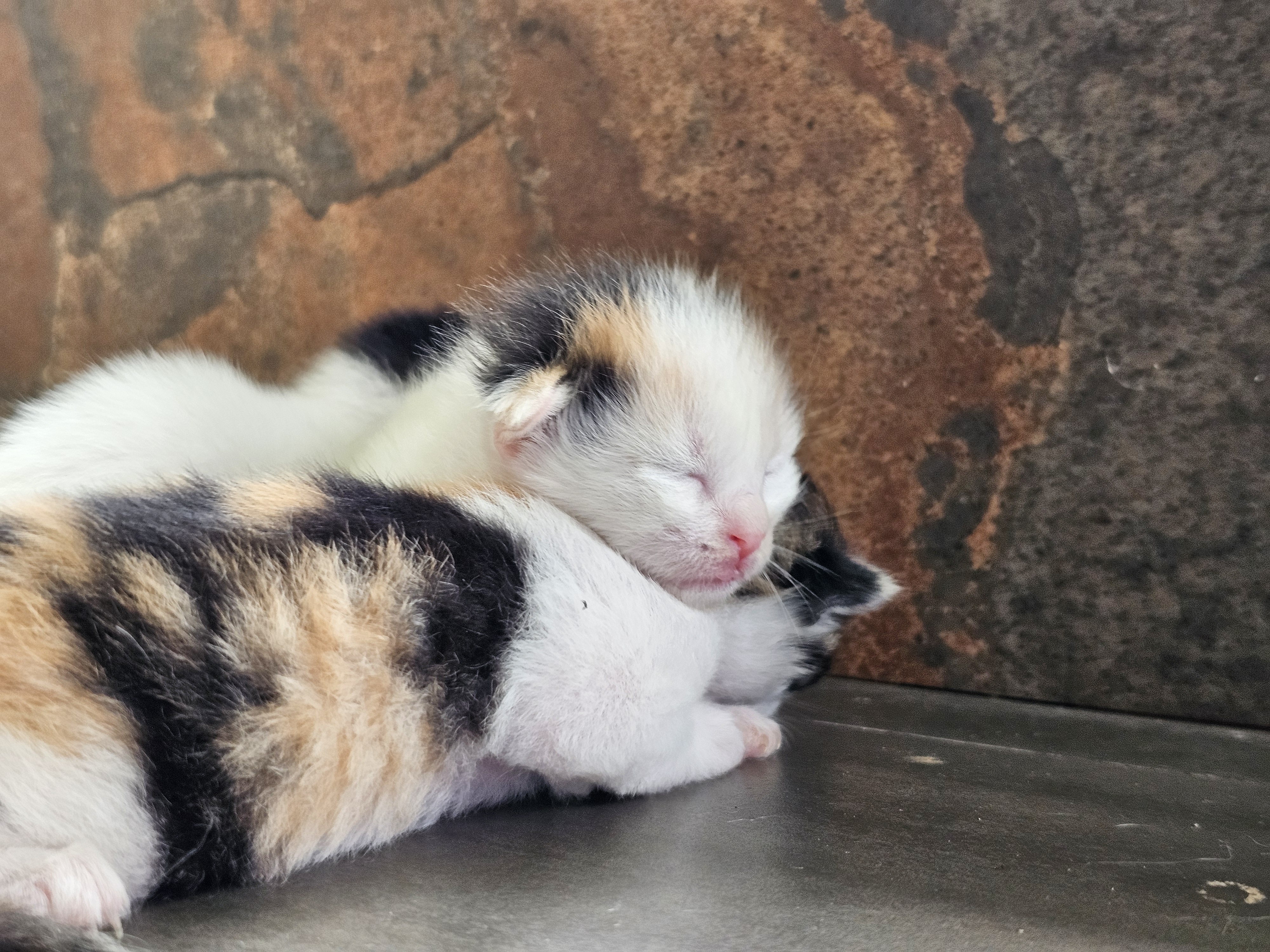
Two kittens asleep side by side on the floor. Photograph: Ajith R N
Image Credits: WordPress Photo Directory (CC0)
The easiest step is to stop throwing good boxes away. A sturdy box with one side cut low for entry, placed in a quiet corner away from foot traffic, will usually get used within days.
Add a soft blanket or an old towel for warmth, but keep the box itself plain. Cats often reject boxes that smell strongly of cleaning products or perfume, and they may avoid a box placed next to a washing machine or a loud television. Two boxes in different rooms work better than one, since the cat can pick the quieter spot as the house changes through the day.
Replace a box once it is soggy, torn, or soiled. Cats are clean animals and will abandon a box that smells wrong, which owners sometimes mistake for losing interest in boxes altogether. A fresh box in the same spot usually brings the habit back.
A cat that settles quickly in a new box often shows the same comfort signs described in why cats purr.
It also helps to leave the box alone once the cat claims it. Reaching in to stroke a sleeping cat teaches the animal that the box is not a safe retreat after all. Letting the cat come out on its own keeps the box working as a refuge.
Do cats prefer small boxes over large ones?
Most cats pick a box close to their curled body size over a roomy one. The tight walls give contact on several sides and leave less air to warm, which matches both the safety and warmth explanations.
Is it safe to let a cat sleep in a cardboard box?
A plain dry cardboard box is safe for most cats as long as tape, staples, and plastic packing are removed first. Replace the box if it gets wet or chewed into small pieces that could be swallowed.
Why does my cat ignore its bed and sleep in a box?
Beds are usually open on all sides, so they offer less cover than a box even when they are softer. A covered bed in a quiet corner often wins the cat back if the open bed keeps losing.
Should I worry if my cat suddenly starts hiding in boxes?
A sudden change is worth watching, especially if eating, grooming, or litter habits change at the same time. If several habits shift together, book a veterinary check rather than assuming stress alone.
The bottom line
Cats sleep in small boxes because the shape solves three problems at once. It hides them, it warms them, and it lets them control when they face the household.
The shelter study gives that folk wisdom a measured base. Cats with a box settled faster and showed less stress, which is a practical reason to keep a box available rather than a cute fact to share. Offer a clean box in a quiet spot, leave the cat to it, and watch for sudden changes that might need a vet.
Tags: cats, cat behaviour, pet care
The Rive News research desk writes plain-English explainers from published studies, veterinary guidance, and other public sources, with no invented experts or first-hand claims.
Related
- Why cats sit in boxes, even tiny ones
- Why cats sleep so much, and when it is too much
- Why cats hide when visitors come over
- Why cats purr, and what the science says it means
Subscribe for one plain-English animal behaviour explainer each week.
Rive News standards: every claim above traces to a named public source, and corrections are published when a source is shown to be wrong.
Related stories

Why Does My Dog Eat Grass and Vomit?
A UC Davis study of 1,571 owners found grass eating is normal dog behavior, not self-medication: only 10% were ill first. What the science

Why Does My Dog Stare at Me While I Eat?
Dogs stare at you while you eat because it has worked before, and mutual gaze raises bonding hormones. Learn the reinforcement science

Foods toxic to dogs: the list, with reasons
Chocolate, xylitol, grapes, onions: common foods can harm dogs. Learn what makes each one toxic, the warning signs, and what to do if your