
Why Your Dog Keeps Licking Its Paws Constantly
By Rive News / Research desk | Rive News / Published October 24, 2026 at 9:00 AM PKT
Key takeaways
- Constant paw licking is usually itchy skin, and allergies are the most common cause by a wide margin.
- True anxiety-driven licking is uncommon and vets only consider it after ruling out medical causes.
- Redness, rusty-brown fur staining, or a bad smell mean the licking has caused a secondary infection and needs a vet visit.
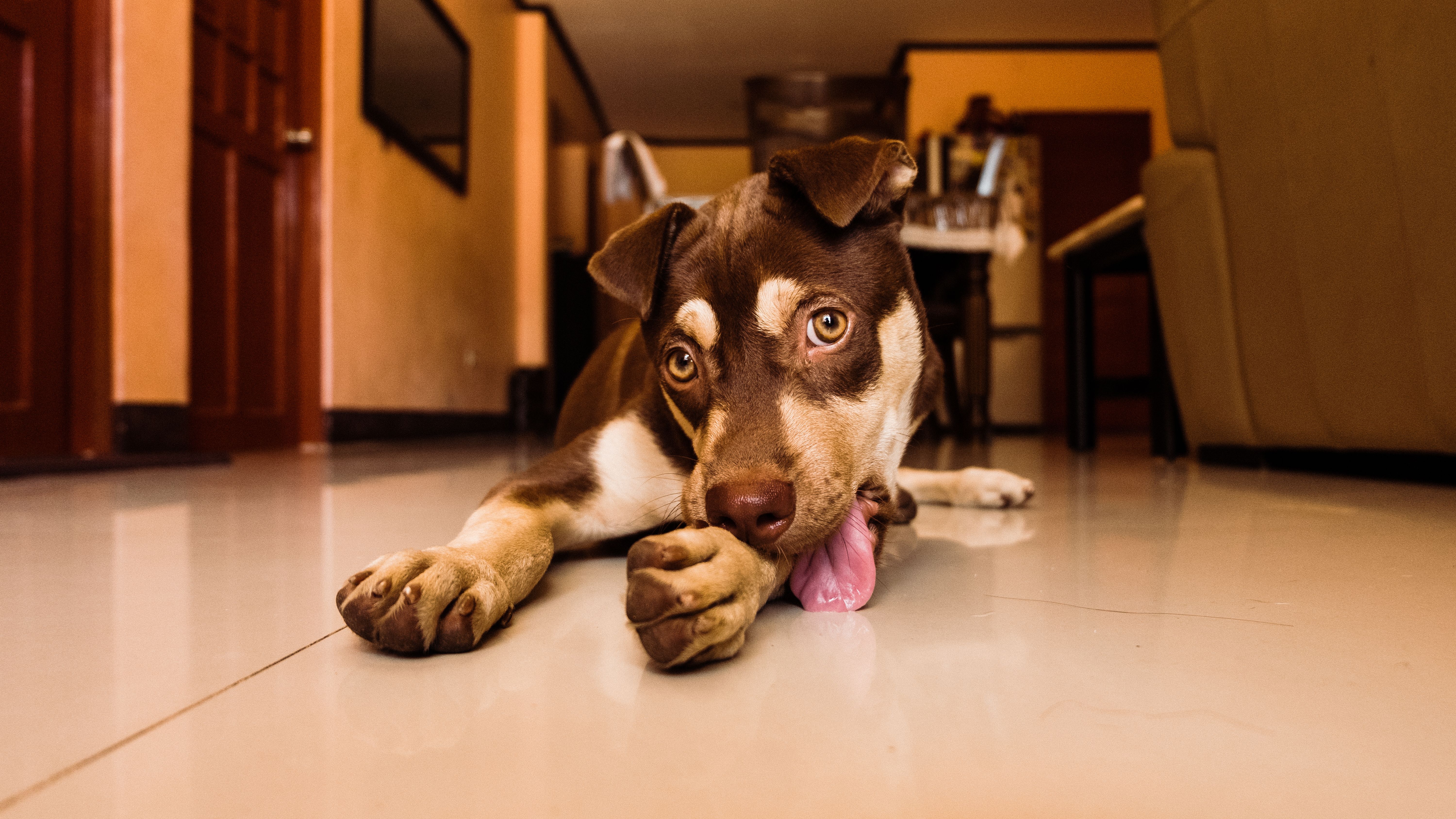
[A puppy licking its paw. Occasional grooming is normal, but constant licking usually signals itch or pain. Photograph: Pexels]
Image Credits: Pexels
A dog licking its paws now and then is doing normal grooming. Most dogs lick their paws daily to keep them clean, Paoli Vetcare notes. Constant licking is something else entirely: the same spot, over and over, sometimes until the fur stains or the skin turns raw.
The instinct is to assume boredom or anxiety. That guess is usually wrong: "Allergies are the most common cause of excessive licking and scratching in dogs," explains Jo Myers, a veterinarian on the Vetster platform. Anxiety gets blamed often, but the evidence says it is far less common than medical causes.
This article explains what actually drives constant paw licking, how to tell an allergy itch from a habit, and the red flags that mean it is time to call the vet.
Allergies are the leading cause
When a dog's immune system overreacts to something harmless like pollen, dust mites, mold, or certain food ingredients, the result is skin inflammation and itchiness that commonly hits the paws. Flea and environmental allergies cause widespread inflammation that leads to itchiness, which the dog tries to relieve by licking, Vetster explains.
Here is the part that trips owners up. As the dog licks, the heat, moisture, and abrasion damage the skin barrier, and bacteria and yeast move in.
Those secondary infections make the skin even itchier, which drives more licking. Vetster describes it plainly: a cycle of irritation, licking, and worsening inflammation. The original trigger may have been a mild allergy, but by the time you notice, an infection can be doing most of the itching.
Allergy-driven licking has a pattern. Dogs with allergies usually scratch elsewhere too: face rubbing, belly scratching, ear redness, or recurrent ear infections. The licking often has seasonal trends or gets worse after outdoor time, and paws can look irritated even before the dog starts licking.
The boredom check: why anxiety is usually the wrong guess
Anxiety and boredom are mentioned as possible reasons for paw licking all the time, but studies show they are far less common than medical causes, according to Vetster. True anxiety-driven paw licking is uncommon, and a vet will usually only consider it after skin disease and pain have been ruled out.
That does not mean behavior never matters. "Some dogs with allergies also develop anxiety-like behaviors because the itch is frustrating, meaning licking from allergies and anxiety can overlap," Myers says. An allergic dog may lick more during anxious moments, which makes the behavior look anxiety-based even when the real problem is itch.
Vets treat behavioral licking as a diagnosis of exclusion. That means anxiety is only on the table after a physical exam and tests find no medical explanation. The clues that point toward behavior: the licking starts when the dog is resting quietly rather than actively itchy, the skin looks normal at first, and the behavior is repetitive and hard to interrupt, often alongside pacing, whining, or clinginess.
Other medical causes worth ruling out
Allergies top the list, but they are not the only medical trigger. Paoli Vetcare lists the main ones: skin infections from yeast or bacteria, parasites such as fleas, ticks, and mites, something stuck between the toes like a grass seed or splinter, and pain from arthritis, a sore joint, or a torn nail.
The grass-seed scenario is easy to miss. A dog comes home from a walk, starts obsessively licking one paw, and the cause is a tiny burr wedged between the toes. Rinsing paws with lukewarm water after walks removes potential irritants and is worth trying early, Dial A Vet advises.
Watch for the staining clue. Saliva stains light-colored fur a rusty brown over time, so brown patches between the toes tell you exactly where the dog has been licking most, according to Dog Ease Guide. A musty odor from the paws is another giveaway: it often points to a yeast infection, which thrives in the warm, moist environment between constantly licked toes.
[Environmental allergens like pollen and road salt make post-walk paw rinses a useful habit. Photograph: Pexels]
Image Credits: Pexels
When licking becomes a wound
Constant licking of one spot can create a raised, raw sore called acral lick dermatitis, sometimes known as a lick granuloma. It usually appears on the front of a lower leg and can involve both a physical trigger and a behavioral loop, which is why it is notoriously hard to heal. These sores almost always need veterinary treatment.
The red flags for a prompt vet visit are clear. Seek care for raw, bleeding, or swollen paws, a foul smell, sudden severe licking, lameness, or licking so frequent it interrupts sleep, Vetster advises. Recurrent episodes despite home care also belong in the vet's office, not the internet's comment sections.
At the clinic, diagnosis usually starts with a physical exam of the paws and a review of when the licking happens. Vets may recommend skin cytology to identify yeast or bacteria, allergy testing, an elimination diet if food allergy is suspected, or checks for pain-related causes. Treatment follows the cause: flea prevention and allergen reduction, anti-itch medications such as Apoquel or Cytopoint for allergies, antibiotics or topicals for infections, and behavior modification only when the medical workup comes back clean.
What you can do at home while you figure it out
None of this replaces a vet visit for persistent licking, but a few steps help in the meantime. Rinse and dry the paws after walks, especially in pollen season or on salted winter sidewalks. Check between the toes for debris, cuts, or swelling, and keep the dog on year-round flea prevention, since even a few flea bites can make a sensitive dog miserable.
If the licking is mild and clearly linked to a routine change, like a new schedule or a move, try enrichment first: longer walks, puzzle feeders, and a consistent daily routine. Many dogs that seem "bored" are simply under-exercised, and extra activity costs nothing. Just remember the ranking: medical causes come first in the data, and a quick vet check for a dog that barks at every visitor out of excitement is very different from one chewing its paws raw.
If your dog also swallowed something suspicious, read what to do when your dog eats something it should not instead of waiting.
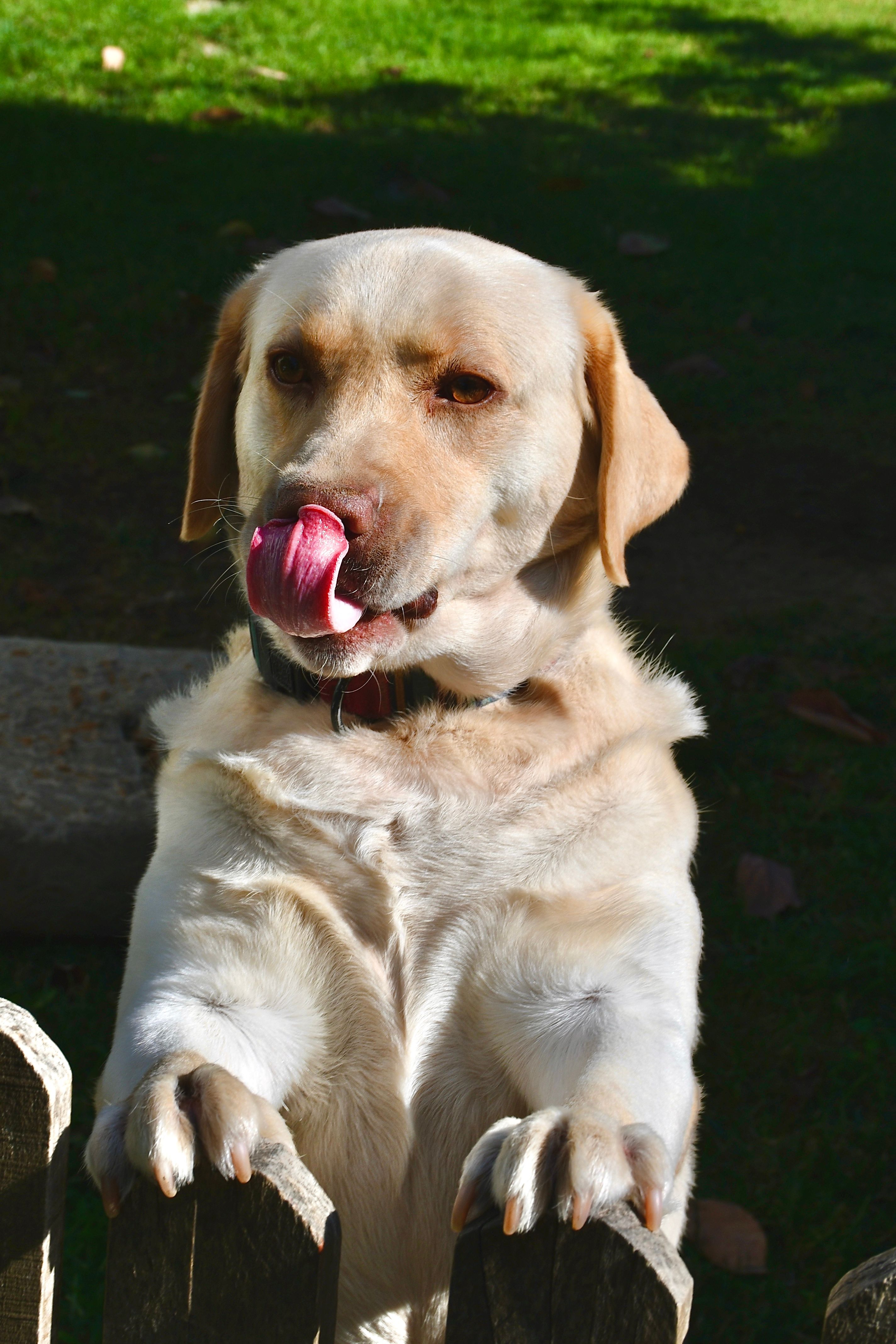
[Most constant lickers are itchy, not bored. A vet check comes before any behavior plan. Photograph: Pexels]
Image Credits: Pexels
Frequently asked questions
Is it normal for dogs to lick their paws?
Occasional paw licking is normal grooming. It becomes a concern when the licking is constant, focused on the same spot, interrupts play or sleep, or causes redness, staining, or sores. The goal is not to stop every lick but to notice when the pattern changes.
How can I tell if my dog's paw licking is allergies or anxiety?
Allergy licking usually comes with itch elsewhere, seasonal patterns, ear redness, or irritation that appears before the licking starts. Anxiety licking typically begins on normal-looking skin during quiet moments and pairs with other stress signals like pacing or clinginess. Vets rule out medical causes first because behavioral licking is a diagnosis of exclusion.
Why are my dog's paws red between the toes?
Redness between the toes usually means inflammation from allergies or a secondary yeast or bacterial infection, both of which thrive in the moisture of constant licking. Rusty-brown fur staining in the same area is a classic sign the dog has been licking there heavily.
Will my dog stop licking its paws on its own?
Mild, short-lived licking after a walk or a minor irritant often resolves. Constant licking rarely stops on its own because the licking itself damages the skin and invites infection, creating a cycle that keeps the itch alive. Persistent licking deserves a vet visit.
Can I stop my dog from licking with a cone or bitter spray?
An Elizabethan collar can prevent further damage while you seek veterinary advice, Dial A Vet notes. But barriers treat the symptom, not the cause. If allergies or infection are driving the itch, the dog needs that treated or the licking returns the moment the cone comes off.
The bottom line
Constant paw licking is the body's alarm bell, and in most cases it is ringing about itch, not boredom. Allergies lead the causes, infections ride along, and anxiety is a distant third that vets consider only after the medical suspects are cleared. Watch for the staining, the smell, and the redness, then get the paws in front of a vet instead of guessing.
Tags: dogs, pet health, allergies, dog behavior, veterinary
Rive News's research desk covers pet care with explainers grounded in veterinary sources. This article is for general information only; talk to your veterinarian about any symptoms.
Related
- What to do when your dog eats something it should not: act fast
- Why does your dog bark at every visitor? Causes and fixes
- Why Do Parrots Mimic Human Speech: Syrinx, Brain, and Flock
- Why Do Cats Chatter at Birds? Predatory Instinct Explained
Get practical pet-care explainers in your inbox every week. Subscribe for one email, no spam.
Rive News publishes research-backed explainers. Corrections: contact the research desk with the article URL and the fact to check.
Related stories
Why Does My Dog Eat Grass and Vomit?
A UC Davis study of 1,571 owners found grass eating is normal dog behavior, not self-medication: only 10% were ill first. What the science
Why Does My Dog Stare at Me While I Eat?
Dogs stare at you while you eat because it has worked before, and mutual gaze raises bonding hormones. Learn the reinforcement science
Foods toxic to dogs: the list, with reasons
Chocolate, xylitol, grapes, onions: common foods can harm dogs. Learn what makes each one toxic, the warning signs, and what to do if your