
Why do cats purr at the vet when they are scared?
By Rive News / Research desk | Rive News / Published October 31, 2026 at 9:00 AM PKT
Key takeaways
- Cats purr at the vet as self-soothing, not from contentment; veterinarians say the vibration may trigger endorphins that blunt fear and pain.
- A purr spans 25 to 150 Hz, a range a 2001 New Zealand Veterinary Journal study linked to frequencies used to stimulate bone growth.
- Read the body, not just the sound: tense posture, flattened ears, and dilated pupils mean the purr signals stress.
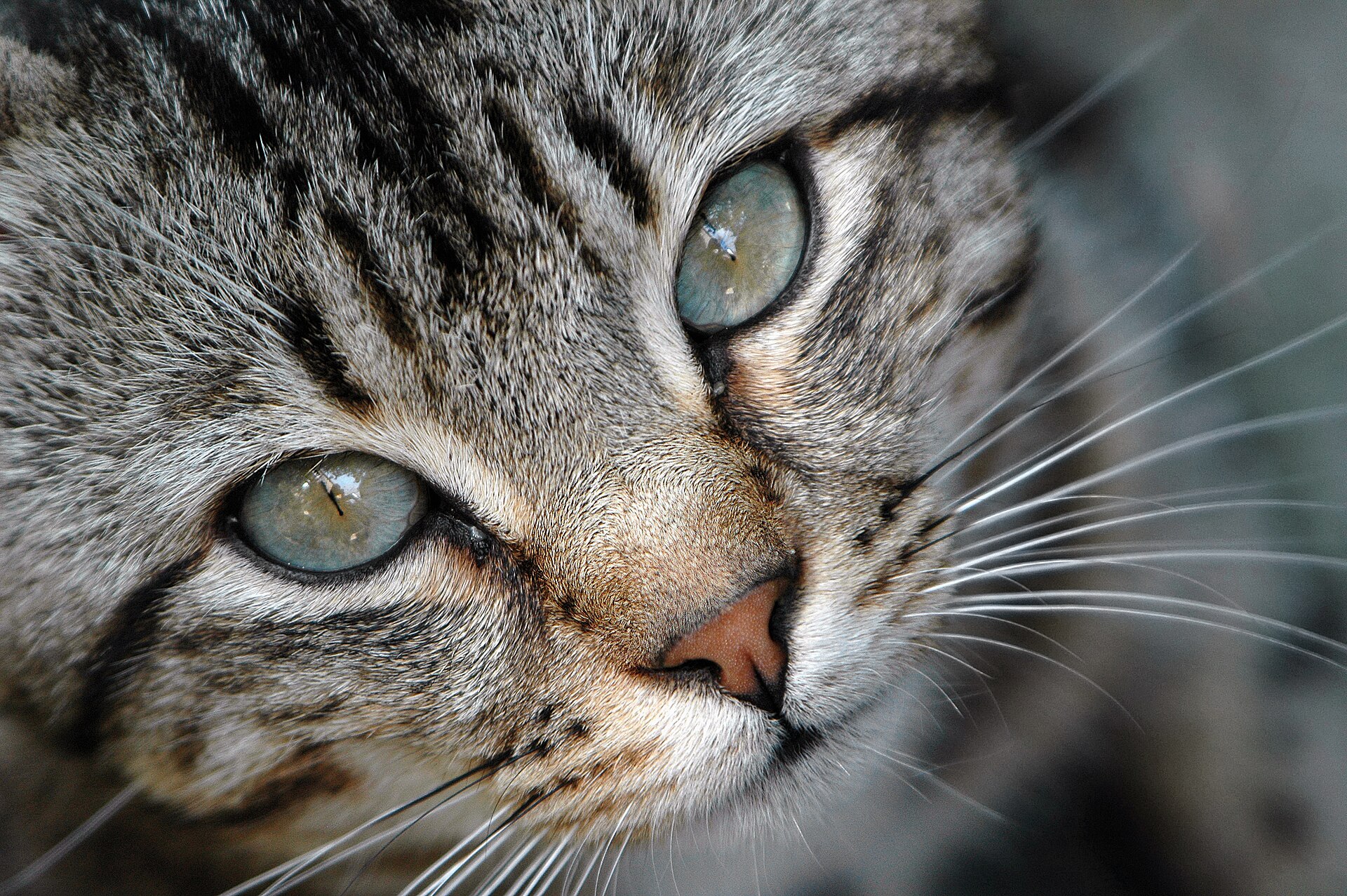
Purring is a low, rhythmic vibration that cats produce by rapidly flexing their laryngeal muscles as air moves through the voice box on both the inhale and the exhale. It is one of the most familiar sounds in a cat's repertoire, and one of the most misunderstood.
Most people hear a purr and assume contentment. Cats do purr when relaxed, but the same sound shows up when a cat is frightened, injured, or sitting on a cold metal exam table at the veterinary clinic. The context decides the meaning, not the noise alone.
This article explains how cats produce the purr, why veterinarians say fear at the vet triggers it, what the science suggests about its self-soothing role, how to tell a scared purr from a happy one, and what can help a nervous cat at the clinic.
How cats physically produce the purr
The mechanics of purring stayed mysterious for years, but veterinary researchers now describe it as a collaboration between the laryngeal muscles and the diaphragm. The Texas A&M School of Veterinary Medicine explains that the voice box muscles receive a regular pattern of electrical stimulation 20 to 30 times per second, flexing the vocal cords as the cat breathes in and out.
That detail matters. Most cat vocalizations, like meows, happen on the exhale only. A purr runs continuously across both phases of the breath, which is why it sounds like an unbroken motor.
"What sounds like a sweet symphony to us is actually just a simple flexing of your cat's larynx and diaphragm muscles as they breathe in and out, which creates a low frequency sound," explains veterinarian Oscar E. Chavez, BVetMED, MRCVS, in Chewy's veterinary education series.
Purring starts almost at the beginning of life. Mother cats purr while nursing, and kittens learn to purr back within days of birth, according to Texas A&M. The sound becomes a lifelong tool, used for comfort, communication, and, as vets keep observing, self-protection.
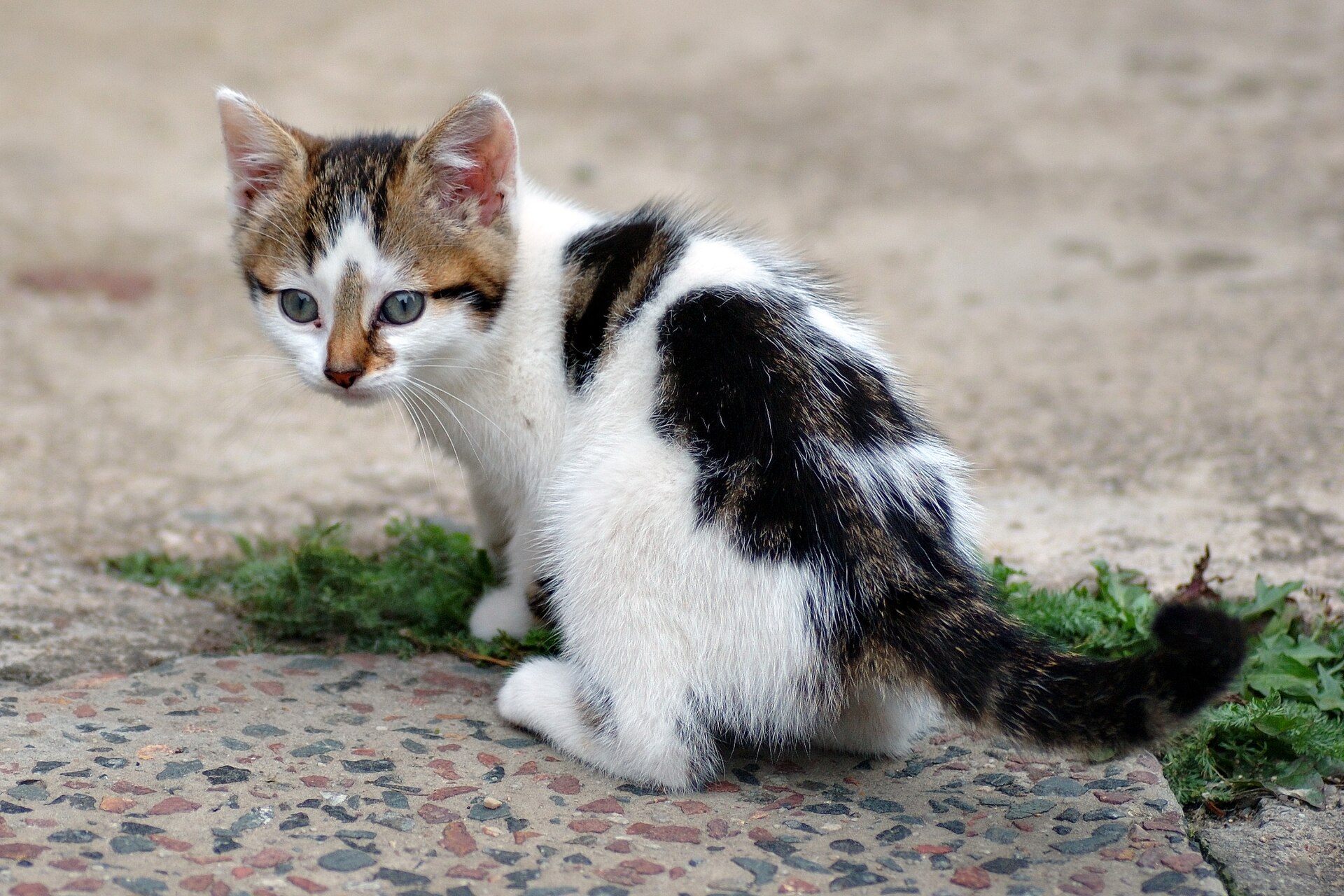
[A six-week-old kitten. Kittens learn to purr within days of birth, answering their mother's nursing purr.] Photograph: a young kitten
Image Credits: Wikimedia Commons
Why fear at the vet triggers purring
A vet visit stacks stressors on a cat: the carrier, the car ride, unfamiliar smells, strange hands, and restraint on an exam table. In that setting, purring is often a coping response, not a sign of enjoyment.
"Cats don't just purr to communicate that they are content," Dr. Chavez says. He lists fright and stress among the emotions a purr can carry, and Chewy's veterinary reviewers note that fearful purring often comes with hiding, loss of appetite, or aggression nearby.
Gary Weitzman, a veterinarian and the CEO of the San Diego Humane Society, puts the point more directly. He says purring generally represents contentment but can just as easily express nervousness, fear, and high anxiety. When a cat is placed on a cold metal examination table, it might start purring loudly, not because it is enjoying the visit but as a frantic attempt to soothe its own frayed nerves.
Vered Bar, VMD, a veterinarian and chief of service for primary care at the San Francisco Animal Medical Center, sees it regularly at work.
"Sometimes at the hospital, we see cats who are very nervous purring, and you can tell that they're not purring because they're happy but because they're nervous," she told Reader's Digest.
"We think the purring is actually a method of self-soothing. I don't think we have enough research to say if purring releases endorphins, but there is a thought that perhaps they do it as a way of telling themselves that everything is OK."
The self-soothing science behind the vibration
The self-soothing idea has a physiological thread behind it. Purring releases endorphins, the body's own pain-dulling chemicals, according to veterinary summaries of the research. That is one reason vets take anxious purring seriously as a comfort mechanism rather than dismissing it.
The frequency numbers are specific. A study published in the New Zealand Veterinary Journal in 2001 analyzed the purrs of domestic cats, cheetahs, pumas, ocelots, and servals.
It found the purrs fell between 25 Hz and 150 Hz, frequencies that match ranges used experimentally to promote bone growth and heal soft tissue.
"There may be therapeutic benefits from the vibrations," says Susan Whittred, DVM, a veterinarian in Oyster Bay, New York. "We just don't know yet."
The connection is suggestive rather than proven, and honest vets say so.
"There is some research to suggest that the frequency of the purr has tissue healing properties, so it's possible that cats purr to self heal, or self soothe," Dr. Chavez says.
The research does not show that a scared cat is repairing its body at the vet, only that the vibration sits in a range associated with tissue effects.
Emergency vets add a sobering observation.
"As an emergency veterinarian, I see a lot of cats that are not in a great situation, and I have seen cats that are purring when they're essentially near death or in significant pain," says Kara Nelsen, DVM, MPH, founder of Allied Emergency Veterinary Service, which operates three emergency animal hospitals in Minnesota and Wisconsin.
"We don't know if it actually helps them feel better or if they're just somehow trying to comfort themselves."
How to tell a scared purr from a happy one
The sound alone will not tell you. The body around the sound will.
A contented purr usually comes with loose muscles, slow blinking or half-closed eyes, and a relaxed tail. Chewy's veterinary team notes that purring tied to scratches, grooming, and nursing kittens falls in this group, and cats that get the midnight zoomies at 3am often follow the burst with a satisfied rumble on a warm lap.
A stressed purr looks different. The cat may be tense or frozen, with flattened ears, dilated pupils, and a tucked or thrashing tail.
Pet behavior writers describe the stressed version as strained or irregular compared with the smooth idle of a relaxed cat. A cat that purrs while hiding behind furniture or crouching in a carrier is self-soothing, not settled.
One common mix-up: the solicitation purr. Cats also purr loudly with insistent meowing around feeding time as a request. That version is brighter and paired with active, forward body language, easy to separate from the quiet, tense purr of a frightened clinic patient.
What helps a cat that purrs anxiously at the vet
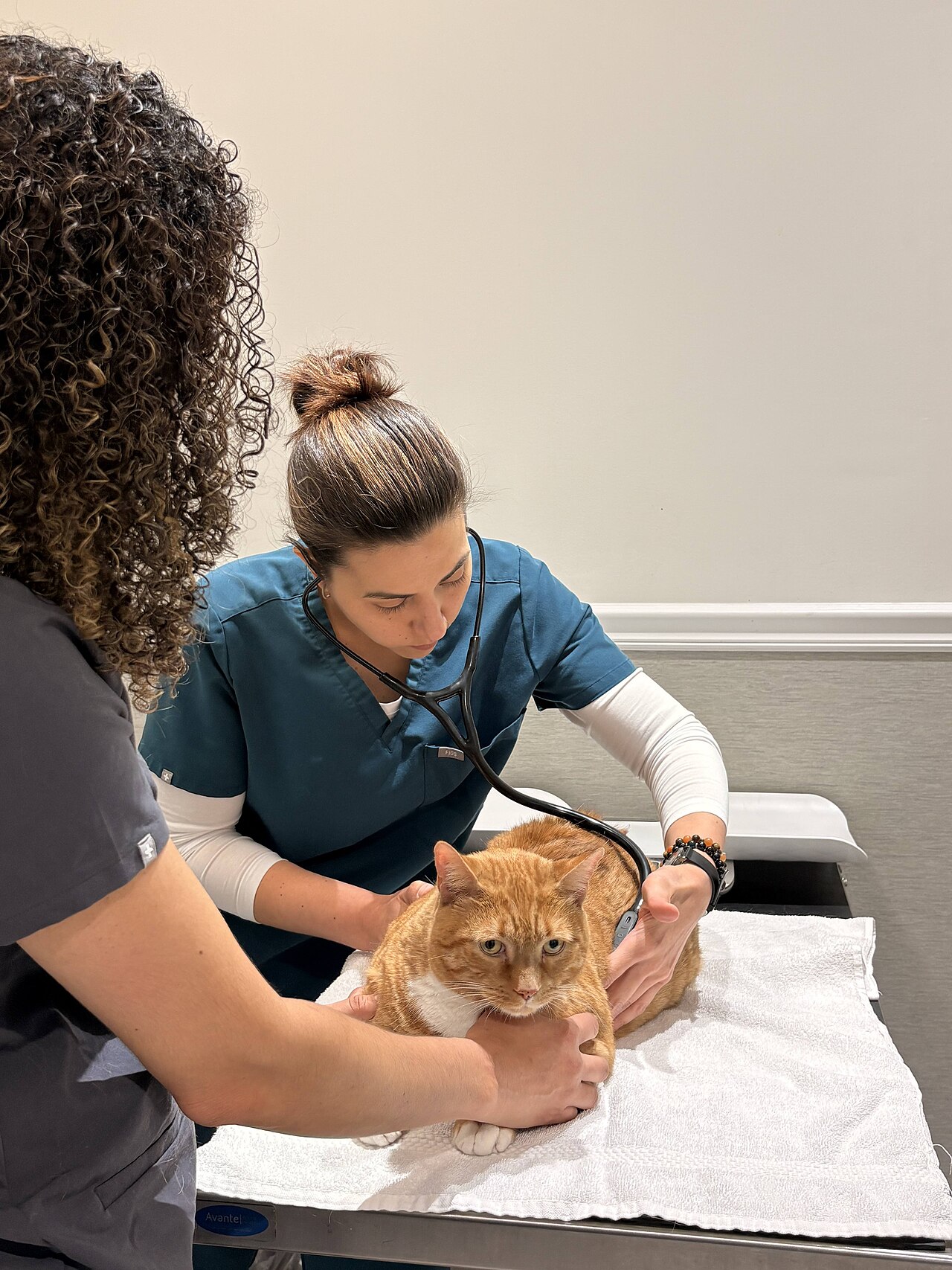
You cannot talk a cat out of purring at the clinic, and you do not need to. The purr is doing a job. What you can do is lower the stress load around it.
Carrier training helps more than most owners expect. A carrier left open at home with treats inside stops being a torture box and becomes furniture, so the trip starts calmer. A familiar-smelling blanket over the carrier in the waiting room muffles sights and smells, and asking the clinic about low-stress handling, including exam-room waits instead of a busy lobby, can cut the peak of the visit.
Watch the pattern, not the single visit. A cat that purrs nervously at every appointment is normal.
A cat whose purring changes at home, paired with hiding, eating less, or avoiding the litter box, deserves attention. The Texas A&M veterinary school advises owners not to take a change in purring lightly and to call the veterinarian about it.
This article is general information only, not veterinary advice. If your cat shows persistent changes in appetite, behavior, or vocalization, book a vet visit rather than trying to interpret the purr yourself.
Do cats purr only when they are happy?
No. Purring also signals stress, fear, pain, and even labor, according to veterinarians quoted by Chewy and Reader's Digest. Happiness is the most common trigger, but the sound is a multi-purpose tool, and vets read it alongside body language.
Can a cat's purr actually heal it?
There is a real study behind the idea: a 2001 New Zealand Veterinary Journal analysis found cat purrs fall in the 25 to 150 Hz range, which overlaps frequencies studied for bone growth and soft-tissue repair. But Dr. Susan Whittred cautions the therapeutic benefits are unproven, so treat the healing claim as intriguing, not established.
Why does my cat purr while getting a shot?
The same reason cats purr on the exam table: the vibration appears to calm the nervous system during a frightening moment. Dr. Vered Bar describes it as a method of self-soothing, a way the cat tells itself everything is OK while the scary thing happens.
Should I worry if my cat purrs nonstop at the vet?
Not by itself. Continuous purring in an unfamiliar setting is a recognized self-soothing response, per the Texas A&M veterinary school. Worry more about new behavior at home, like a changed purr, reduced appetite, or hiding, and raise those with your vet.
The bottom line
A cat purring at the vet is usually comforting itself, not enjoying the visit. The sound runs on a 25 to 150 Hz vibration that vets link to endorphin release and, in unproven but suggestive research, tissue-healing ranges. Read the body language around the purr, keep clinic stress low with carrier training and calm handling, and ask your vet about anything that changes at home.
Topics: cat purring, cat behavior, vet visits
The Rive News research desk writes explainers from published veterinary sources. We do not examine animals.
Related
- Why your cat gets the midnight zoomies at 3am
- Why rabbits pull out their own fur to line a nest
- Why dogs lick their lips when you talk to them
- Why you shiver when nervous even if you are warm
Get one plain-English animal behavior explainer in your inbox each week. No spam, ever.
Rive News follows a corrections policy: factual errors are fixed with a visible update note.
Related stories
Why Does My Dog Eat Grass and Vomit?
A UC Davis study of 1,571 owners found grass eating is normal dog behavior, not self-medication: only 10% were ill first. What the science

Why Does My Dog Stare at Me While I Eat?
Dogs stare at you while you eat because it has worked before, and mutual gaze raises bonding hormones. Learn the reinforcement science

Foods toxic to dogs: the list, with reasons
Chocolate, xylitol, grapes, onions: common foods can harm dogs. Learn what makes each one toxic, the warning signs, and what to do if your