
Why bread goes stale inside a sealed bag
By Rive News / Research desk | Rive News / Published October 26, 2026 at 9:00 AM PKT
Key takeaways
- Bread goes stale mainly because starch recrystallizes after baking, not because water escapes.
- A sealed bag stops drying but cannot stop this internal restructuring.
- Fridge temperatures speed staling up, while heat can partly reverse it.
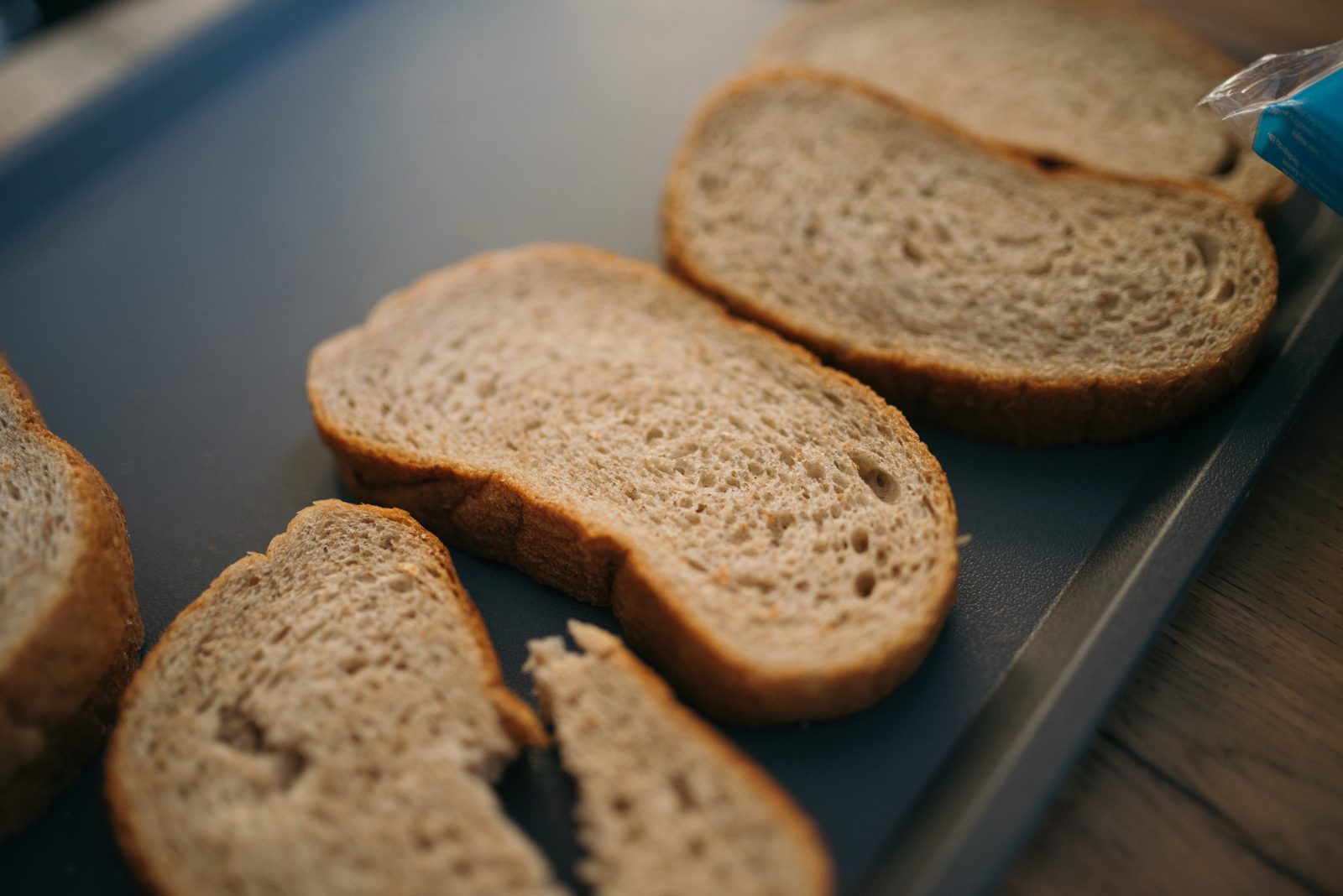
[Fresh slices of bread sit arranged on a baking tray.] Photograph: Wikimedia Commons contributor
Image Credits: Wikimedia Commons
Bread goes stale inside a sealed bag because staling is mostly a change inside the loaf, not a loss of water from it. After baking, the starch in bread slowly reorganizes into a firmer, more ordered structure. This article explains starch retrogradation, why a sealed bag cannot stop it, and how storage and heat change the result.
The myth: stale means dry
Most people assume a stale slice has dried out. The logic feels obvious, because stale bread feels dry in the mouth and crumbles more easily than fresh bread. But the sealed bag breaks that logic.
A loaf that has lost almost no water can still turn firm and unpleasant within a day or two. If drying were the whole story, sealing the bag would solve the problem, and it does not.
The real distinction is between water content and water availability. A stale loaf may still hold most of its original water, but that water is no longer held in the same places. Some of it has been squeezed out of the starch network as the starch chains repack, and some has moved from crumb to crust.
The bread feels dry because the water is less available to soften each bite, not because the loaf has emptied out.
What baking does to starch
Flour starch comes in two main forms, amylose and amylopectin. In raw flour, these molecules sit packed inside granules with ordered regions. When dough is mixed with water and baked, heat makes the granules swell and lose their internal order, and some starch leaks into the surrounding mixture.
Food scientists call this gelatinization, and it is what turns wet dough into a soft, sliceable crumb.
That soft structure is temporary. As bread cools, the starch chains start forming new associations again. Amylose changes quickly and helps the fresh loaf set its shape.
Over the following hours and days, the branched amylopectin molecules slowly become more ordered and crystalline. That slow second stage is the main driver of the firming you notice on day two and day three.
New Scientist traces this insight back to the 19th century, when the French chemist Jean-Baptiste Boussingault showed that bread still goes stale when hermetically sealed and losing no moisture. His experiment separated staling from drying more than a century before modern food science gave the process its name. The sealed bag in your kitchen is a repeat of his experiment, and it gives the same answer.
Retrogradation, in plain language
Retrogradation is the name for starch chains lining themselves back up after baking. Think of fresh bread as a loose tangle of starch and protein holding water in its gaps. Over time, parts of that tangle straighten and lock together, squeezing water out of the network and making the crumb firmer and less springy.
The loaf does not need to lose water to the outside air for this to happen, because the change is happening between the molecules themselves.
Moisture movement adds a second effect on top of retrogradation. Water migrates from the soft crumb toward the crust, so the crust softens while the crumb firms. That is why a day-old loaf can feel wrong in two directions at once, with a leathery crust and a dry-tasting middle.
Sealing the bag slows moisture exchange with the room, but it cannot stop water moving around inside the loaf.
Bread staling is therefore a bundle of changes, not one tidy reaction. Retrogradation firms the crumb, moisture redistribution changes the crust, and flavor compounds fade at the same time. Naming retrogradation as the main cause does not mean it is the only cause, and honest food science says the full picture is still not completely understood.
Why the fridge makes it worse
Refrigeration feels like the safe choice, and for most foods it is. For bread, it is the worst everyday choice. Starch recrystallization runs fastest just above freezing, which is exactly where a household fridge sits.
A loaf kept in the fridge can go stale several times faster than the same loaf kept on the counter.
The trade is real but lopsided. A fridge does slow mold growth, which matters in a hot, humid kitchen. But for a loaf you plan to eat within a few days, the texture loss arrives long before mold would.
The fridge only makes sense if you plan to toast every slice, because heat partly reverses the starch changes, or if the alternative is throwing the loaf away to mold.
Freezing is different from refrigerating, and the difference matters. A freezer drops the temperature far below the range where retrogradation runs fastest, effectively pausing the process. Bread frozen promptly after baking keeps far better than bread refrigerated for the same number of days.
Thaw it at room temperature and toast it, and the result is much closer to fresh.
Why heat revives stale bread
If staling were simple drying, reheating a stale slice would not help much, because the water would already be gone. In fact, gentle heat does help, and that is further proof of the retrogradation story. Warming the bread softens the recrystallized starch and lets some water move back into the network.
That is why stale bread makes decent toast and why a brief spell in a warm oven revives a day-old loaf.
The revival has limits. Heat can soften starch that recrystallized recently, but it cannot restore flavor compounds that have faded or fix a loaf that has gone moldy. A loaf that is merely firm will improve with heat.
A loaf that smells off or shows mold should be thrown away, because no amount of toasting makes moldy bread safe.
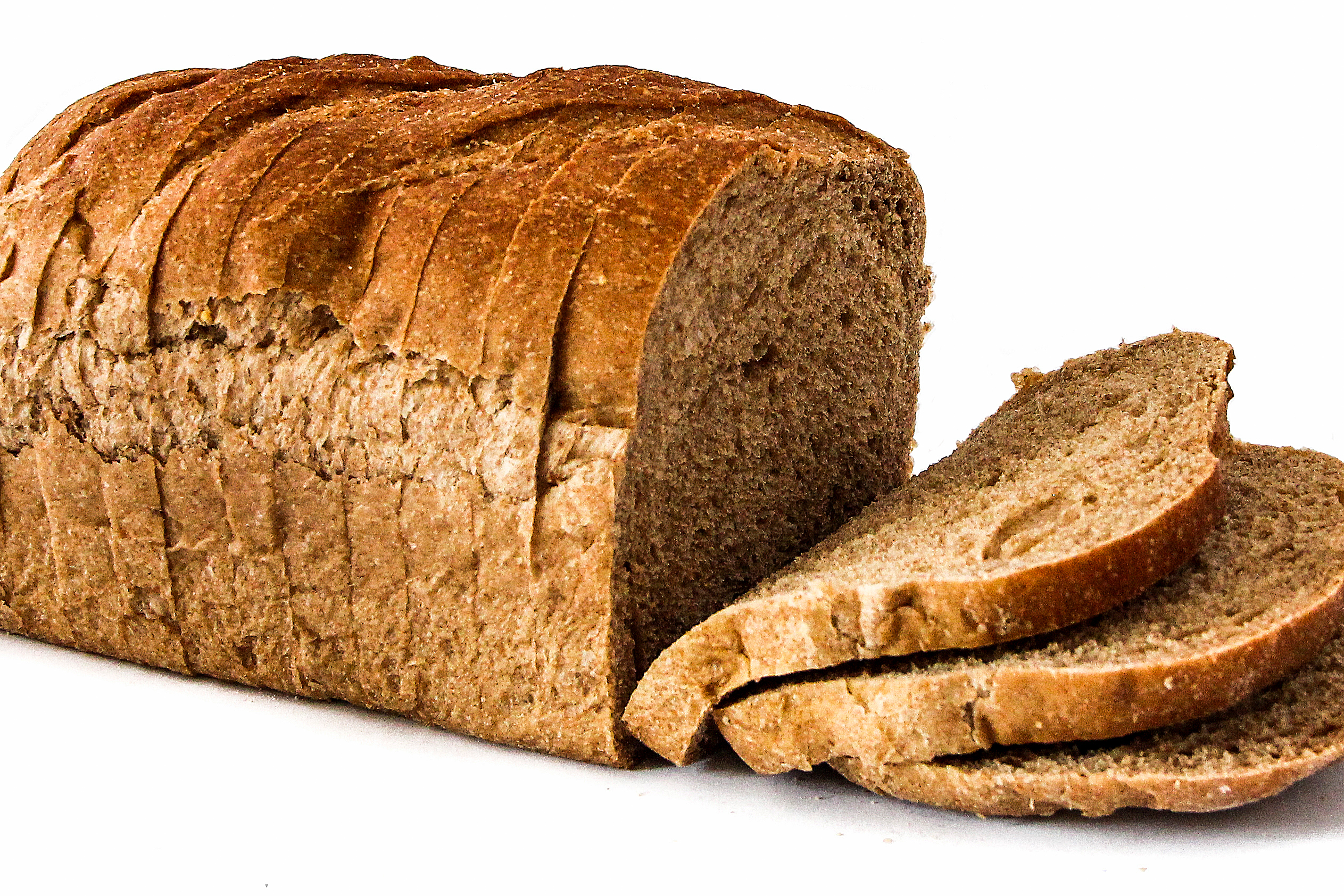
[A freshly baked loaf rests after coming out of the oven.] Photograph: Wikimedia Commons contributor
Image Credits: Wikimedia Commons
How to store bread well
Start with the timeline. A crusty artisan loaf is at its best on the day it is baked and declines fast after that. A sliced sandwich loaf lasts longer, partly because commercial loaves often contain emulsifiers that slow staling by interfering with water movement out of the starch.
Either way, plan around days, not weeks, for anything kept at room temperature.
For bread you will eat within two to three days, keep it at room temperature in a bag or bread box. Do not seal a still-warm loaf tightly, because trapped steam softens the crust and encourages mold. Let it cool first, then close the bag.
For bread you will not finish in that window, slice it and freeze it in a sealed bag, then thaw only what you need.
Reheating works best with gentle, even heat. A few minutes in a warm oven beats a long blast in a microwave, which can make bread rubbery. Sprinkling a little water on a very firm slice before heating can help, because it adds moisture the starch can take up as it softens.
Toasting is the simplest fix of all, and it is the right fate for most stale bread.
Frequently asked questions
Does bread go stale in a sealed bag?
Yes. Sealing stops most moisture loss to the room, but starch retrogradation continues inside the loaf. That internal change firms the crumb even when no water escapes.
Is stale bread the same as dry bread?
No. Stale bread feels dry because water has moved out of the starch network, but the loaf may still hold most of its water. Truly dry bread has lost water to the air, which is a separate process.
Should I keep bread in the fridge?
Usually not. Fridge temperatures speed up starch recrystallization, so bread goes stale faster there than on the counter. Freeze bread instead if you need to keep it beyond a few days.
Can you reverse staling?
Partly. Gentle heat softens recrystallized starch and improves texture, which is why stale bread makes good toast. Heat cannot restore lost flavor or make moldy bread safe.
How long does bread stay fresh?
A crusty loaf is best the day it is baked, while a sliced commercial loaf often stays acceptable for several days at room temperature. Storage method matters more than the exact day count.
The bottom line
A sealed bag cannot keep bread fresh because staling is not mainly about water escaping. Starch recrystallizes after baking, water moves inside the loaf, and the crumb firms even in a perfect seal. Keep short-term bread at room temperature, freeze what you will not finish soon, and skip the fridge unless every slice is headed for the toaster.
When bread does go stale, heat is your best second chance, and toast is a respectable ending.
Tags: food science, bread, kitchen science
Rive News's research desk covers everyday science and pet behavior in plain language, citing public sources for every key claim.
Related
- Why bread goes stale so fast
- Why bread goes stale faster in the refrigerator
- Can you revive stale bread, and how does it work
- Why bread goes hard but crackers go soft
Subscribe for one plain-language explainer a day, no jargon and no filler.
Rive News publishes research-desk explainers with named sources and a standing corrections policy: errors are corrected openly when readers point them out.
Related stories

Why diamond is hard and graphite is soft when both are carbon
Diamond and graphite are both pure carbon, yet diamond is 10 on the Mohs scale and graphite is 1 to 2. The difference is not the atoms;
Why Hot Water Can Freeze Faster Than Cold: The Mpemba Effect Explained
Hot water can freeze faster than cold under specific conditions. The Mpemba effect, named for a 1963 schoolboy experiment, still divides
How Magnets Work at the Atomic Level: Spins, Domains, and Iron
Magnetism comes from electrons: their spin and orbits make each atom a tiny magnet. In iron, quantum forces align these atomic magnets into