
What Causes Thunder and Why Lightning Comes First
Key takeaways
- Thunder is the sound of air blasted apart by lightning, which heats nearby air to about 30,000 C in a fraction of a second.
- You see lightning first because light travels near 300,000 km per second while sound crawls at about 343 metres per second.
- Count seconds between flash and bang. Five seconds means about one mile, and a gap under 30 seconds means you should be indoors.
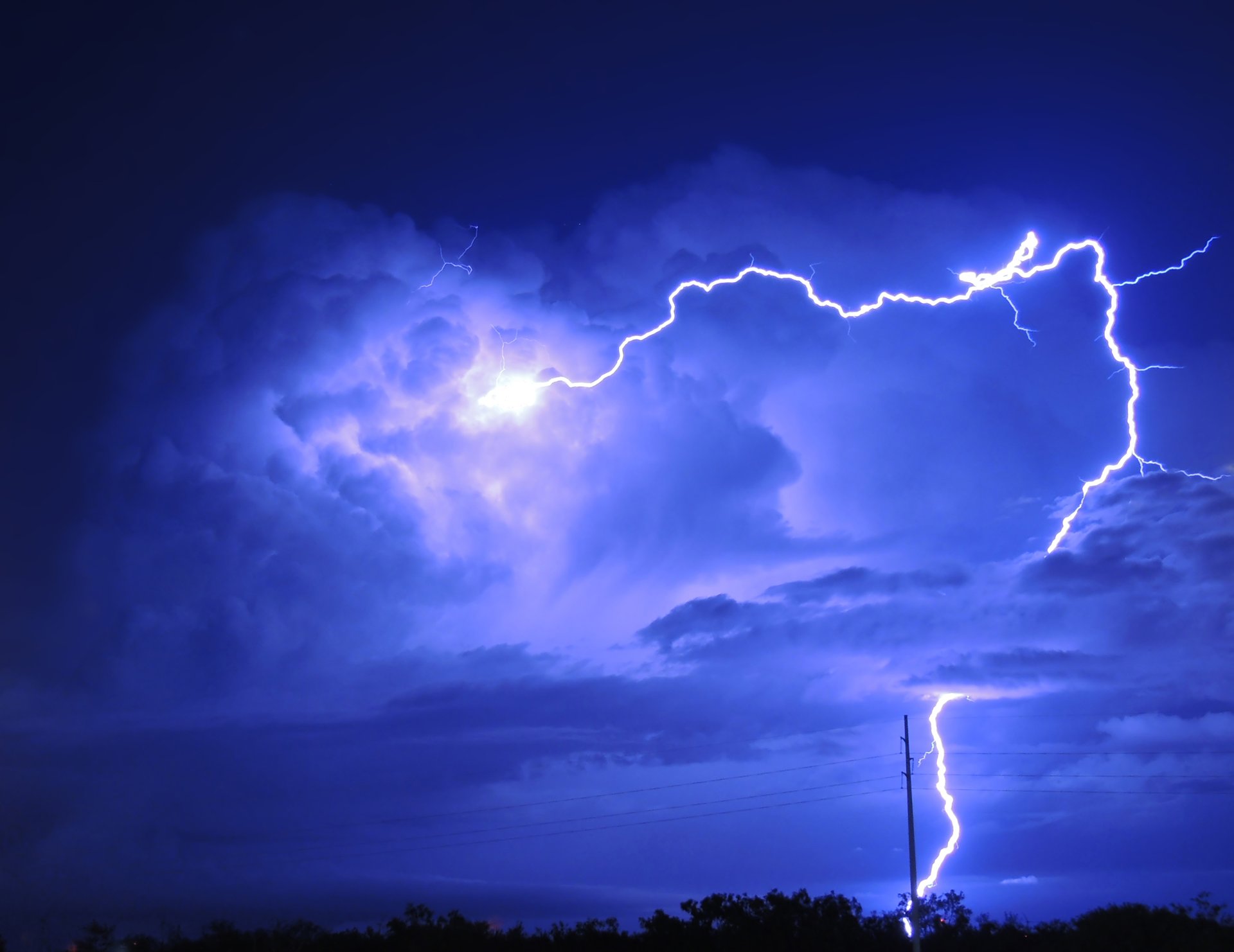
Thunder is the sound that lightning makes. The two events are born together, in the same instant and in the same channel of air. Your eyes simply receive the news faster than your ears do.
This article explains what causes thunder, why you see lightning first, and how to turn the gap between flash and bang into a useful distance estimate.
What is thunder?
Thunder is the sound wave produced when lightning superheats the air around it. The bolt itself is a giant electrical discharge, and the air it passes through cannot absorb that energy gently.
The National Oceanic and Atmospheric Administration (NOAA) explains that lightning heats the air around it to about 54,000 degrees Fahrenheit (30,000 degrees Celsius) in a fraction of a second. NOAA notes that this is about five times hotter than the surface of the Sun.
That sudden heating makes the air expand explosively. The expansion creates a shock wave as surrounding air is compressed, and then the air contracts as it cools. Your ear hears the first part as a sharp crack, followed by rumbles as the long column of air keeps vibrating.
The rumble can last for seconds. Sound from different parts of a long, branched bolt reaches you at slightly different times. Hills, buildings, and clouds can also bounce the sound around before it arrives.
A close strike sounds like a crack or a bang. A distant strike sounds like a low roll. The difference comes from distance, not from a different kind of thunder.
High frequencies fade faster as sound travels, so distant thunder keeps mostly its low tones.
What causes lightning in the first place?
Lightning starts inside a storm cloud, usually a tall cumulonimbus cloud built by rising warm, moist air. Inside that cloud, air currents toss ice crystals and softer hail pellets called graupel up and down.
Those collisions strip electric charge from one particle and hand it to another. Over minutes, the top of the cloud tends to gather positive charge while the lower part gathers negative charge. The ground below can also build up a positive charge in response.
Air is normally a poor conductor. As the charge imbalance grows, the voltage across the gap grows with it. When the imbalance gets large enough, the air breaks down and a channel of ionized air opens.
A giant spark jumps through that channel. That spark is lightning. It can travel within a cloud, between clouds, or between a cloud and the ground.
You sometimes see a bolt flicker. NOAA notes that several strokes can use the same path in quick succession, which gives the bolt a flickering look before the discharge ends.
Why do you see lightning first?
You see lightning first because light and sound travel at wildly different speeds. Light moves at about 300,000 kilometres per second in air. Sound moves at about 343 metres per second in air at typical temperatures.
Put another way, light covers the distance from a storm to your eyes almost instantly. Sound needs seconds to cover the same ground. For a storm a few kilometres away, the flash arrives in a tiny fraction of a second while the thunder needs ten seconds or more.
Nothing about your senses causes the delay. The flash and the bang start together. The light simply wins the race by an enormous margin.
The same gap explains why distant fireworks look silent for a moment. You see the burst, then the boom catches up. Thunderstorms work the same way, only the distances are bigger and the stakes are higher.
How to judge distance from flash to bang
You can estimate how far away lightning struck by counting the seconds between the flash and the thunder. NOAA gives a simple rule: it takes about five seconds for the sound to travel one mile.
Count the seconds from the moment you see the flash until you hear the thunder. Divide by five for miles. A ten-second gap means the strike was about two miles away.
A fifteen-second gap means about three miles.
In metric terms, sound travels about one kilometre every three seconds. A nine-second gap means about three kilometres. A twelve-second gap means about four kilometres.
The method works best when you can match one flash to one bang. In a busy storm with overlapping flashes, pairing gets harder. If flashes and bangs run together, treat the storm as close and act accordingly.
If the flash and the bang arrive at almost the same moment, the strike was very close. That is a clear signal to get indoors at once rather than keep counting.
Why thunder sounds different each time
A sharp crack usually means the lightning channel was close and pointed toward you. The full shock wave reaches your ears with little time to spread or fade.
A rolling rumble usually means the strike was farther away or the bolt was long and branched. Sound from the near end of the channel arrives first, and sound from the far end arrives later. The result stretches into a roll.
Terrain shapes the sound too. A bolt in a valley can echo off slopes. A bolt over open water can carry a long way with less to block it.
Thunder can also seem to arrive in waves when reflections reach you from different surfaces.
Cloud cover matters as well. A low cloud deck can trap and reflect sound, which makes thunder seem louder or longer. None of this changes the cause.
It only changes the path the sound takes to your ears.
The 30-30 rule for staying safe
The gap between flash and bang is not just a curiosity. Safety agencies use it as a decision rule. The National Weather Service and university extension services describe the 30-30 rule in plain terms.
If you see lightning and hear thunder within 30 seconds, the storm is close enough to be dangerous. Go indoors right away. A solid building is the safest option, and a hard-topped vehicle is the next best choice.
Then wait. Stay inside until at least 30 minutes after the last lightning flash or thunderclap. More than half of lightning deaths happen after the storm seems to have passed, according to the University of Georgia extension service, so an early exit is a real risk.
The National Weather Service adds that lightning can strike as far as 10 miles from the area where rain is falling. If you can hear thunder, you are within striking distance. Its advice is short: when thunder roars, go indoors.
NOAA reports that about 400 people in the United States are struck by lightning each year while working or playing outside. About 50 are killed, and several hundred more are left with lasting disabilities. The summer months from June through September are the deadliest period.
Indoor safety matters too. The National Weather Service advises people to avoid corded phones, electrical appliances, plumbing, showers, and baths during a thunderstorm, since lightning can travel through wiring and pipes.
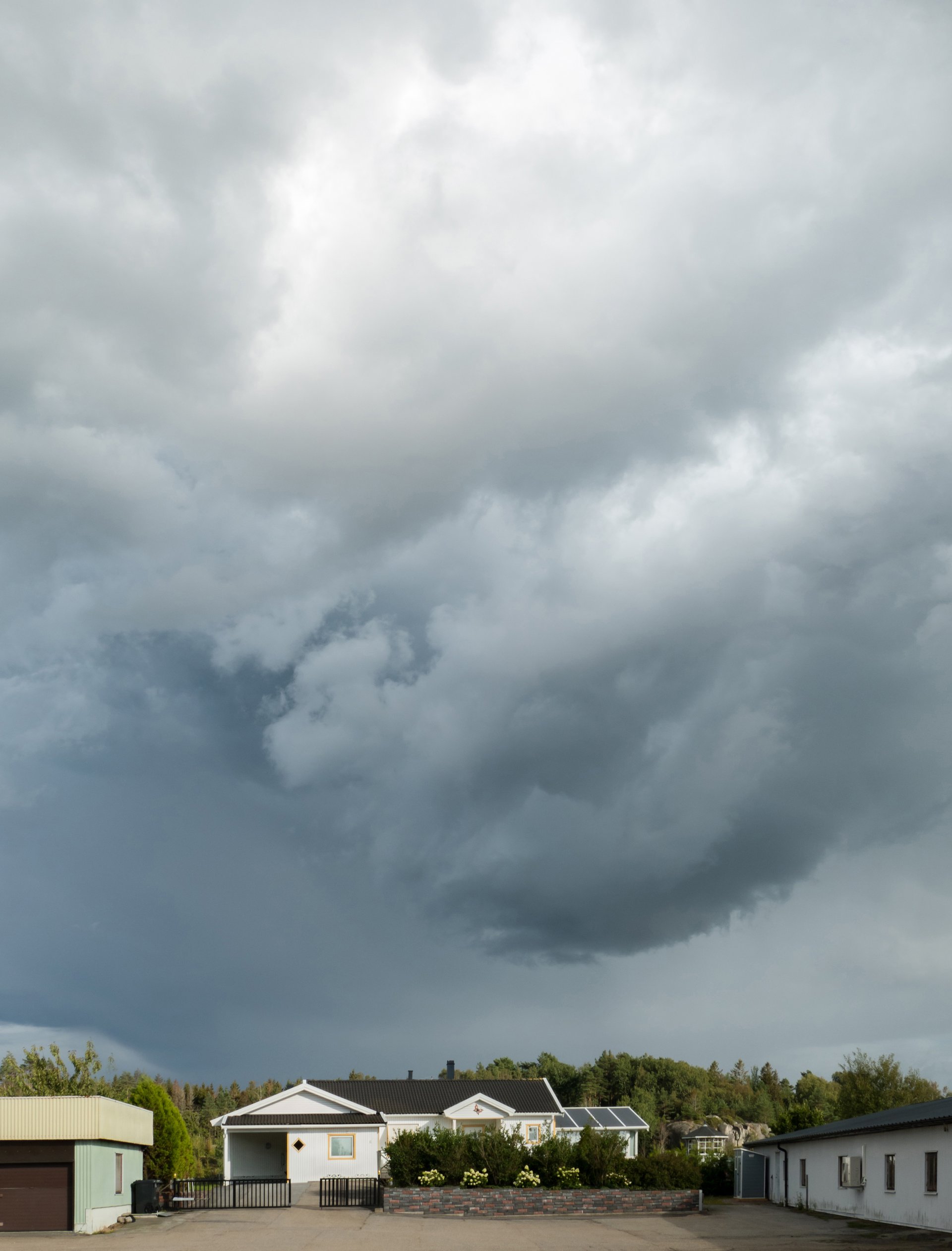
What if you are caught outside?
A building or a hard-topped car is always the goal. Small sheds, picnic shelters, dugouts, and bleachers do not give real protection from lightning, according to the University of Georgia extension service.
If no shelter is available, move away from tall isolated objects, metal fences, and open water. Avoid hilltops and lone trees. Crouch low with your feet together if you feel your hair stand on end, and keep contact with the ground as small as possible.
Do not lie flat on the ground. The aim is to make yourself a smaller target while keeping as little of your body in contact with the ground as you can.
Keep away from plumbing and wiring once you are inside. Wait out the full 30 minutes after the last flash. A storm that looks finished can still produce a strike, which is why the waiting period matters.
Common questions about thunder
Thunder raises the same questions in almost every storm. These short answers cover the ones people ask most.
Can thunder hurt your ears?
Very close thunder can be loud enough to be painful, much like a gunshot or a firecracker. The risk is highest for a strike within a few hundred metres. Move indoors if the bang is sharp and immediate.
Why is there thunder without visible lightning?
The bolt may be inside a cloud or hidden behind a hill or a building. You hear the thunder even when the flash itself is out of sight. Sheet lightning inside clouds can also light up the sky without a clear bolt.
Can you hear thunder from a storm you cannot see?
Yes, on a quiet night thunder can carry a long way. Heat lightning is often just an ordinary storm too far away for its thunder to reach you. The flash is visible because light travels so far, while the sound fades out before it arrives.
Does thunder mean lightning struck nearby?
Thunder means lightning happened within hearing range, which can still be many kilometres away. A loud crack suggests a close strike. A soft roll suggests a distant one.
Either way, treat audible thunder as a warning.
The bottom line
Thunder is the sound of lightning heating the air to about 30,000 C and blasting it apart. You see the flash first because light outruns sound by an enormous margin, not because the two events happen at different times.
Count the seconds between flash and bang, divide by five for miles or by three for kilometres, and use the 30-30 rule to decide when to go inside and when it is safe to come back out. When thunder roars, go indoors, and stay there until 30 minutes after the last flash.
Tags: thunder, lightning, storms, weather
Latest in Science
- How photosynthesis keeps nearly all life going
- How bees turn nectar into honey, step by step
- Why clouds stay up in the sky when they are made of water
- Why water expands when it freezes
Subscribe for one clear science explainer in your inbox each week.
Related stories

Why diamond is hard and graphite is soft when both are carbon
Diamond and graphite are both pure carbon, yet diamond is 10 on the Mohs scale and graphite is 1 to 2. The difference is not the atoms;

Why Hot Water Can Freeze Faster Than Cold: The Mpemba Effect Explained
Hot water can freeze faster than cold under specific conditions. The Mpemba effect, named for a 1963 schoolboy experiment, still divides

How Magnets Work at the Atomic Level: Spins, Domains, and Iron
Magnetism comes from electrons: their spin and orbits make each atom a tiny magnet. In iron, quantum forces align these atomic magnets into