
What Is the Difference Between a Hurricane and a Tornado?
Key takeaways
- A hurricane is about a thousand times wider than a tornado and lasts days, not minutes.
- Tornadoes form from thunderstorms over land, while hurricanes form over warm ocean water.
- Tornado winds can top hurricane winds, but hurricanes cause far more total damage.
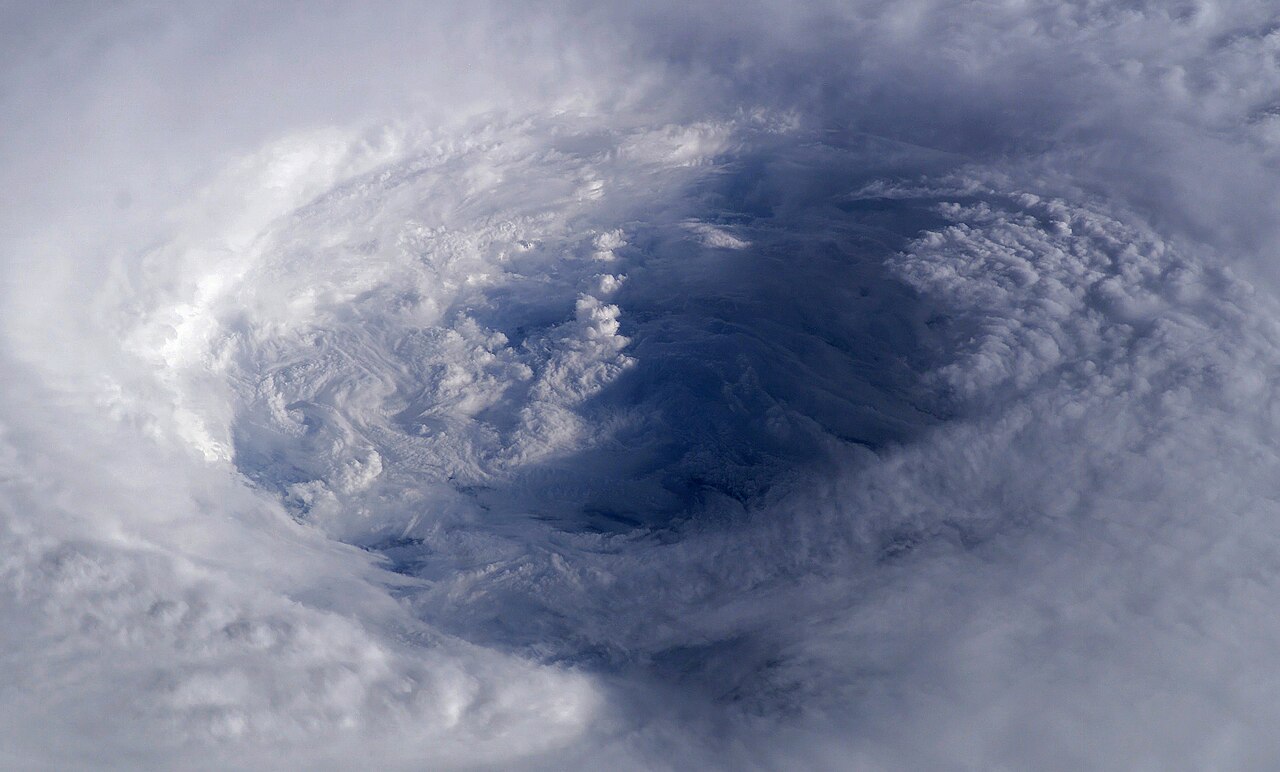
A hurricane and a tornado are both spinning storms with strong winds. That is where the similarity ends. A hurricane is a huge system that forms over warm ocean water and can last for days or weeks.
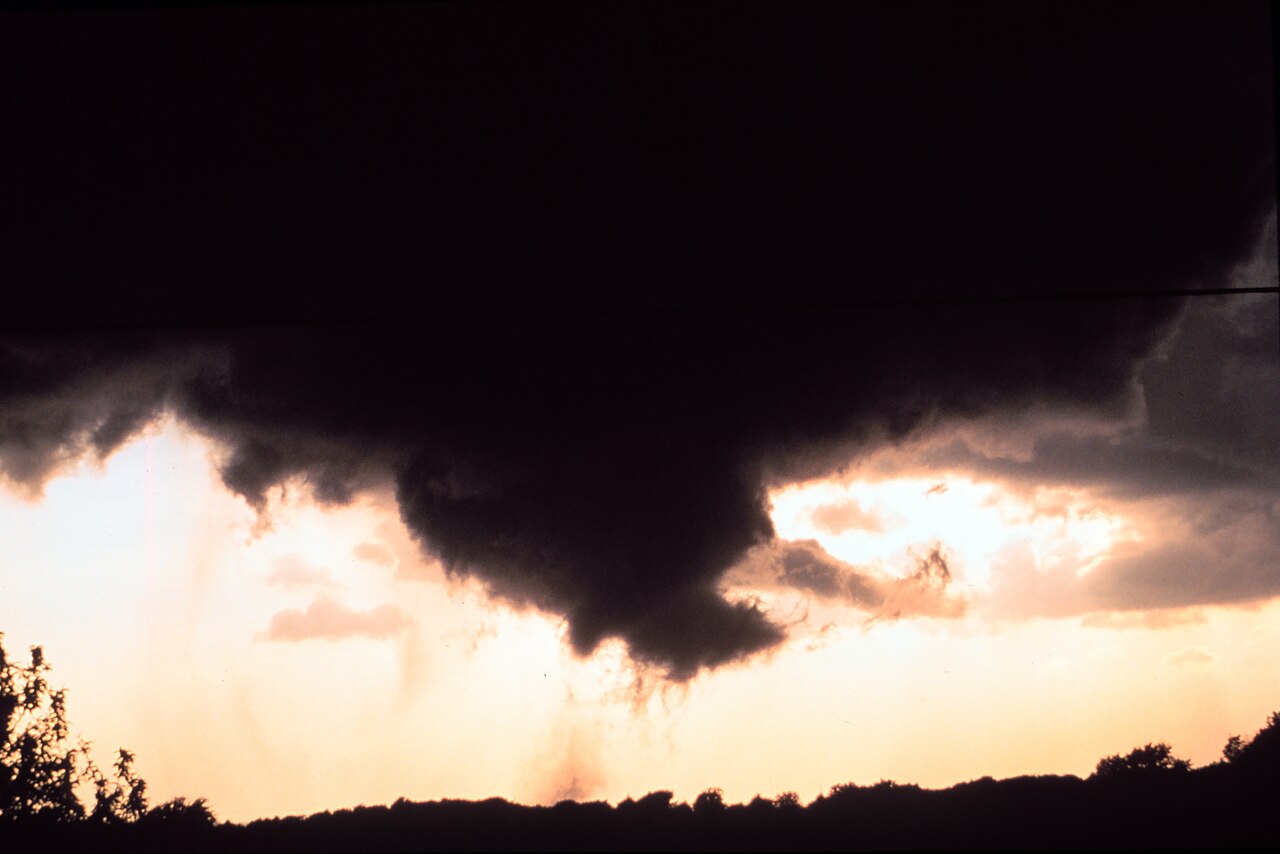
A tornado is a narrow column of spinning air that drops from a thunderstorm and may last only minutes.
People mix them up because both rotate and both destroy. The differences matter for safety, since the warning time and the shelter you need are not the same. A hurricane gives days of notice.
A tornado may give minutes.
This article explains the difference between a hurricane and a tornado, including how each forms, how big each gets, how strong the winds get, how long each lasts, how each is measured, and how to prepare for each.
What is a hurricane?
A hurricane is a large tropical storm system that forms over warm ocean water. NASA describes hurricanes as large-scale circulations 60 to over 1,000 miles across. They form near the equator, generally between 5 and 20 degrees latitude, and always over tropical ocean water where the sea surface temperature tops 26.5 degrees Celsius (76 degrees Fahrenheit).
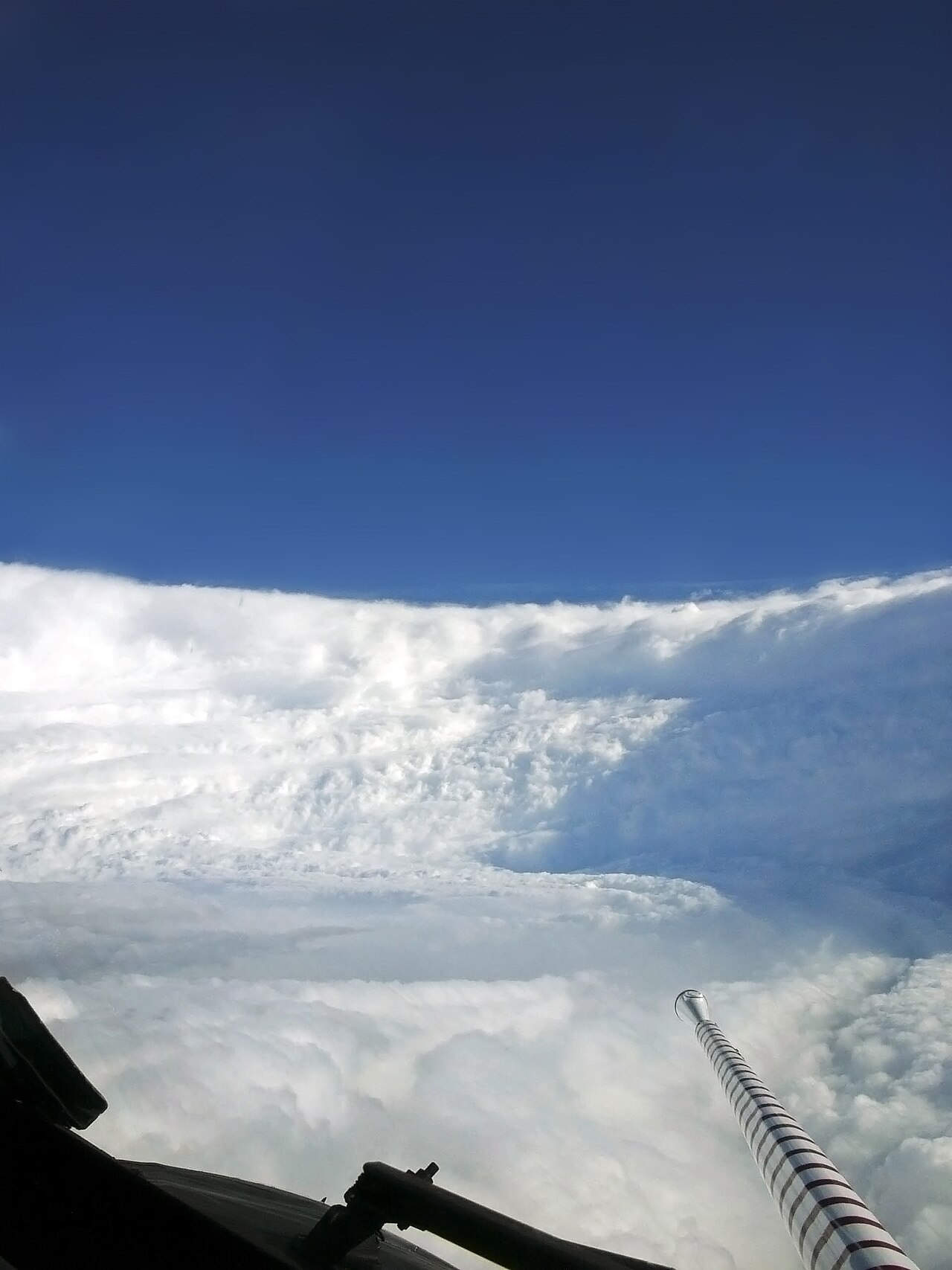
A hurricane draws energy from warm seawater. Moist air rises, cools, and releases heat, which drives the spin. The system builds a calm center called the eye, ringed by the eyewall, where the strongest winds and heaviest rain sit.
Jagran Josh notes that hurricanes are classed on the Saffir-Simpson Hurricane Wind Scale from Category 1 to Category 5.
Hurricanes move slowly across whole regions. One storm can flood coastal cities, knock out power across a state, and push seawater inland as storm surge. The wind gets the attention, but water causes much of the damage.
What is a tornado?
A tornado is a rapidly rotating column of air that extends from a thunderstorm cloud to the ground. It forms when warm, moist air collides with cool, dry air, creating instability that spins up inside a severe thunderstorm. Jagran Josh puts a typical tornado diameter at 100 to 600 meters, a tiny footprint next to a hurricane.
NASA explains that most tornadoes grow out of severe thunderstorms in the high wind-shear environment of the United States Central Plains during spring and early summer. Warm, moist air from the Gulf of Mexico meets cold, dry air from the northwest, and the clash can spin a funnel down to the ground.
A tornado is not a scaled-down hurricane. It is a different kind of storm with a different engine. The parent thunderstorm supplies the spin, and the tornado spends its short life inside that storm.
Formation: ocean heat versus thunderstorm clash
Formation is the clearest difference between the two storms. Hurricanes need warm ocean water, moist air, and low wind shear over a wide area. Without a warm sea surface, the engine has no fuel.
That is why hurricanes form over tropical oceans and weaken once they move over land or cold water.
Tornadoes need a severe thunderstorm and wind shear, which is a change in wind speed or direction with height. The shear tilts and stretches rising air into a rotating column. The clash of air masses over land provides the ingredients, so tornadoes form over land, often far from any ocean.
The two storms can interact. NASA notes that a hurricane making landfall may trigger many tornadoes to form. The outer bands of a hurricane hold thunderstorms, and those storms can spin up tornadoes over land.
So a hurricane can bring tornadoes with it, but a tornado can never grow into a hurricane.
Size: a thousand times apart
NASA states the most obvious difference plainly: a hurricane's horizontal scale is about a thousand times larger than a tornado's. A hurricane can span 60 to over 1,000 miles across, while a tornado is rarely more than a few hundred feet across when it touches the ground.
Always Ready HQ cites the National Weather Service figure of an average hurricane width near 300 miles. Even the smallest hurricane eye on record, from Hurricane Wilma in 2005, measured 2 miles wide. The most destructive tornadoes on record span about 1.5 miles at the base.
Wind speed: tornadoes win the peak, hurricanes win the breadth
Tornadoes hold the record for peak wind speed. NASA puts tornado winds at 100 to 300 mph. Jagran Josh says the most intense tornadoes pass 480 km/h (300 mph).
The Enhanced Fujita scale rates tornadoes from EF0 to EF5 by wind speed and damage.
Hurricane winds are lower at the peak but far broader. A Category 1 hurricane carries sustained winds of 74 to 95 mph, and a Category 5 tops 157 mph, according to the Saffir-Simpson scale cited by Jagran Josh. Always Ready HQ adds that a 160 mph hurricane wind is roughly EF-2 to EF-3 strength on the tornado scale.
The practical point is simple. A violent tornado can hit harder than any hurricane at a single spot. A hurricane hits far more spots at once, for far longer, with wind plus rain plus surge.
Duration and warning time
Hurricanes last days to weeks. NASA says a hurricane may travel thousands of miles and persist over several days or weeks. Forecasters can track a tropical disturbance for days before it becomes a named storm, which gives coastal areas time to prepare and evacuate.
Tornadoes last minutes. NASA says tornadoes typically last only a few minutes and rarely travel more than 10 or 20 miles along the ground. Always Ready HQ cites a National Severe Storms Laboratory figure of about five minutes for the average tornado, though some last much longer.
The longest tornado path on record, the Tri-State tornado of 1925, ran 219 miles across Missouri, Illinois, and Indiana.
Warning time follows the same split. A hurricane warning can come days ahead. A tornado warning may give minutes, and the warning often arrives while the parent storm is already overhead.
That is why tornado safety depends on a plan made in advance, not on last-minute decisions.
How each storm is measured
Hurricanes use the Saffir-Simpson Hurricane Wind Scale, which runs from Category 1 to Category 5 by sustained wind speed. Category 3 and above count as major hurricanes. The scale measures wind only, not storm surge or rainfall flooding, which cause much of the harm.
Tornadoes use the Enhanced Fujita scale, from EF0 to EF5, based on wind speed and damage. Survey teams rate a tornado after the fact by the damage it left. A tornado that crosses open fields with nothing to hit may get a low rating even if its winds were strong.
Damage and cost
Hurricanes cause far more total damage because they cover far more ground. Always Ready HQ cites a figure of about 21.5 billion dollars per hurricane event, and about 2.5 million dollars for an average tornado. Storm surge, river flooding, and days of rain add costs that a short tornado never produces.
Tornado damage is intense but local. A violent tornado can level homes, toss cars, and strip trees along its path. The path may be only a few hundred yards wide, so damage maps show a sharp line rather than a broad zone.
Both storms kill, and the death toll in a given year depends on where storms strike and how much warning people get.
Safety: different storms, different plans
Hurricane safety starts days ahead. Track forecasts, know your evacuation zone, and leave early if officials order it. Board up windows, secure outdoor items, and stock water and food.
Never drive through floodwater, and stay away from the coast during surge warnings.
Tornado safety starts with a shelter plan. Know the lowest room in your home, away from windows, or a storm shelter if one is nearby. A basement, a small interior room, or a closet on the lowest floor offers the best cover.
Mobile homes offer little protection, so plan to reach a sturdier building.
Both plans share one rule: act on the warning, not on the sky. A hurricane can flood areas far from the beach. A tornado can strike at night, in rain, with no visible funnel.
Official warnings and a practiced plan beat eyesight every time.
Frequently asked questions
Is a hurricane just a big tornado?
No. A hurricane is about a thousand times wider than a tornado, forms over warm ocean water, and lasts days. A tornado forms from a thunderstorm over land and usually lasts minutes.
They are different storm types with different engines.
Which is stronger, a hurricane or a tornado?
At peak wind speed, the strongest tornadoes beat the strongest hurricanes. Tornado winds can reach 300 mph, while a Category 5 hurricane tops 157 mph sustained. Hurricanes cause more total damage because they strike far larger areas for far longer.
Can a hurricane spawn tornadoes?
Yes. The thunderstorms in a hurricane's outer bands can produce tornadoes after the storm moves over land. NASA notes that a landfalling hurricane may trigger many tornadoes, which is one reason hurricane warnings cover inland areas too.
Why do hurricanes have names but tornadoes do not?
Hurricanes are tracked for days across oceans, so names make forecasts clear. Tornadoes are short-lived and local, so they are identified by place, date, and EF rating instead. The World Meteorological Organization manages the hurricane name lists.
When is tornado season?
Tornadoes can occur any time of year, but they peak in spring and early summer in the central United States. Always Ready HQ notes the Gulf Coast peaks from March through May, the Southern Plains from May into early June, and the Upper Midwest in June and July.
The bottom line
A hurricane is a vast ocean storm that lasts days and strikes whole regions with wind, rain, and surge. A tornado is a narrow thunderstorm product that lasts minutes and strikes a thin path with extreme winds. Tornadoes win on peak wind speed, and hurricanes win on total reach and total damage.
The safety lesson follows the science. Hurricanes reward early preparation and evacuation. Tornadoes reward a shelter plan made long before the sirens sound.
Know which storm is coming, and act on the warning for that storm. If you want to keep building your science picture, see how a balloon shrinks in cold air, why hot water can sometimes freeze faster than cold water, and why we see colours in optical illusions.
Tags: hurricane, tornado, weather, storms, science
Latest in Science
- Why Does Earth Have Seasons?
- What Is the Difference Between a Meteor, Meteoroid, and Meteorite?
- Why Do We See Colours in Optical Illusions?
- Why Does a Balloon Shrink in Cold Air?
Subscribe to the Rive News newsletter for one clear explainer each week.
Related stories

Why diamond is hard and graphite is soft when both are carbon
Diamond and graphite are both pure carbon, yet diamond is 10 on the Mohs scale and graphite is 1 to 2. The difference is not the atoms;

Why Hot Water Can Freeze Faster Than Cold: The Mpemba Effect Explained
Hot water can freeze faster than cold under specific conditions. The Mpemba effect, named for a 1963 schoolboy experiment, still divides

How Magnets Work at the Atomic Level: Spins, Domains, and Iron
Magnetism comes from electrons: their spin and orbits make each atom a tiny magnet. In iron, quantum forces align these atomic magnets into