
Russian satellite approaches US satellite in close orbit encounter
Web StoryWatch this story in 15 seconds →Key takeaways
- Russia's Cosmos 2612 moved within about 500 metres of the US-owned ICEYE-X36 satellite between 15 and 19 October 2026, space trackers said.
- A senior US official called the move threatening behavior that fits space-weapon activity. Russia has not explained what the satellite was doing.
- The two satellites are now drifting apart. But the incident raised new fears about commercial satellites in wartime.
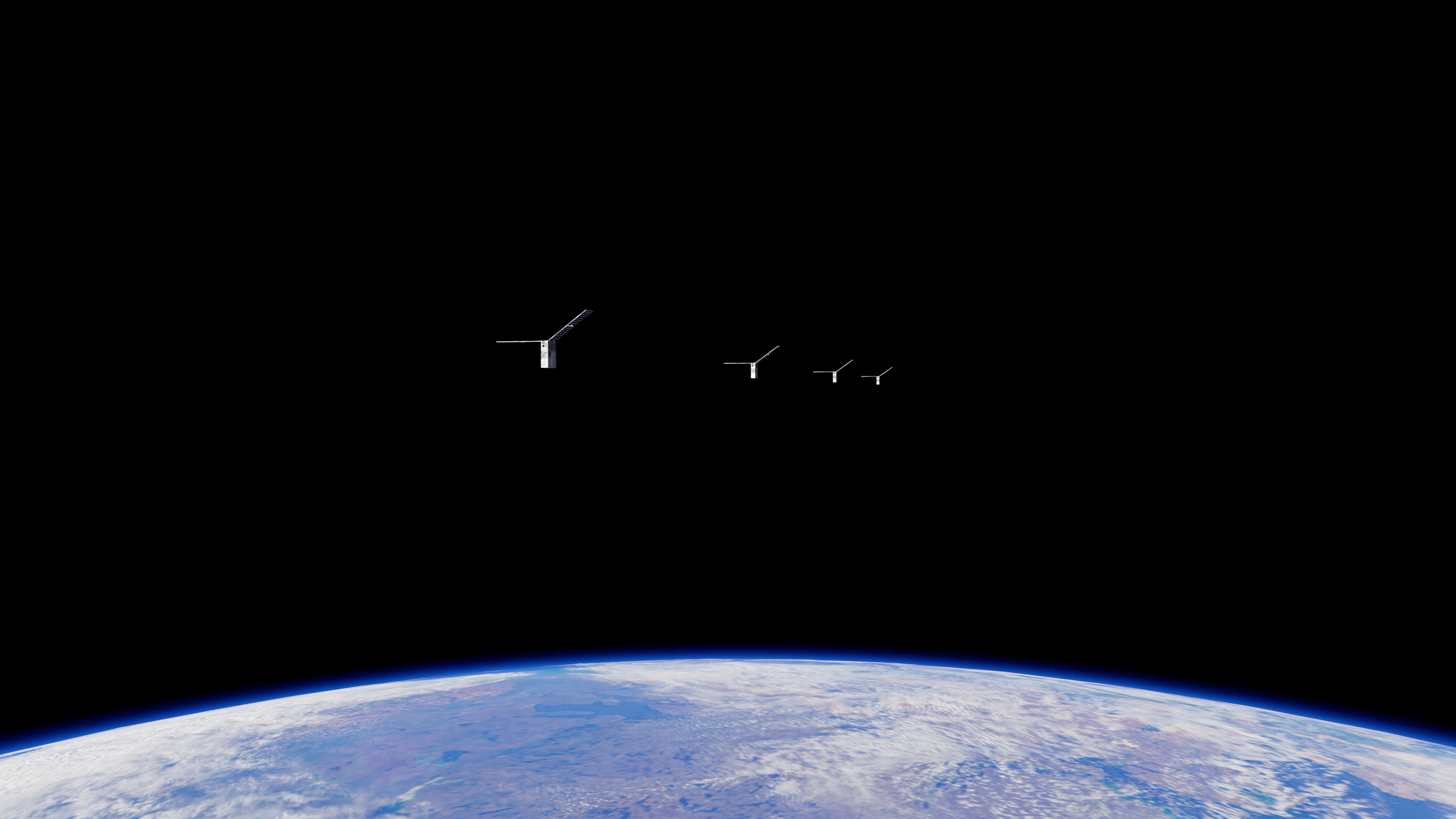
A Russian military satellite flew dangerously close to a US-owned imaging satellite this week. The two craft came within about 500 metres of each other. The US says the move looks like a possible space-weapon test.
What happened
Cosmos 2612 is a Russian military satellite. Russia launched it in April 2026. Moscow shared almost no details about its job.
Its target was ICEYE-X36. That is a commercial radar satellite. It is owned by the US branch of ICEYE. ICEYE is a company that started in Finland.
The satellite is registered in the US. Ukraine's military uses its images.
This was not the first approach. In May 2026, another Russian satellite, Cosmos 2609, came within 2.5 kilometres of ICEYE-X36, according to the Center for Strategic and International Studies. Russia launched six satellites in April 2026, named Cosmos 2609 through Cosmos 2614.
On 30 September 2026, Cosmos 2612 started to change its orbit. Over the next two weeks, it lined up its path with ICEYE-X36. This kind of move is costly. It burns a large amount of fuel.
Satellites cannot refill fuel in orbit. They do not make such moves without a strong reason, the Center for Strategic and International Studies said.
Between 15 and 19 October, the Russian satellite made a careful series of moves toward the commercial satellite. It matched the satellite's height and speed. It shifted to positions ahead of it and behind it.
Space-tracking firm LeoLabs called it a deliberate series of maneuvers.
The closest pass came around 17 October. A new image from space-monitoring firm Vantor showed the two satellites about 1.02 kilometres apart that day. LeoLabs said they may have come within about 500 metres.
Some public tracking models put the gap even smaller, within 30 metres. The exact distance is not confirmed.
Both satellites circle Earth in low orbit, about 550 kilometres up. That is far below the Moon, which circles much farther away. Up there the sky looks black, not blue.
The satellites race around Earth at about 27,000 kilometres per hour. At that speed, even a small steering error can cause a crash.
The Russian satellite spent about two days within 5 kilometres of ICEYE-X36. Then it moved away to about 100 kilometres, according to astrophysicist Jonathan McDowell. By 20 October, the close-approach sequence had ended. The two craft were moving apart.
Analysts noted that Russia was willing to burn precious fuel to make this happen. The satellite changed its height and orbital plane quickly. That showed clear intent, trackers said.
Why it matters
Washington is treating this as a possible weapons test. Thomas DiNanno is a senior US arms-control official. He spoke at the United Nations this week.
He said Cosmos 2612 showed threatening behavior that fits space-weapon activity.
Such moves have a technical name: rendezvous and proximity operations. In plain words, it means one satellite flying up close to another on purpose. To do it, a satellite must enter the same orbital plane as its target.
Then it must match its speed. This burns a lot of fuel, which satellites cannot refill. Operators only attempt it for compelling reasons.
A satellite that gets this close can do many things. It can take pictures of its target. It can jam its signals.
It can even push the other craft out of orbit. The operators of ICEYE-X36 might have to burn their own fuel to dodge it. That would shorten the satellite's working life.
Victoria Samson leads space policy at the Secure World Foundation. She said the move is not proof of an attack. But the context makes it worrying.
Russia is at war with Ukraine. ICEYE's images help Ukraine.
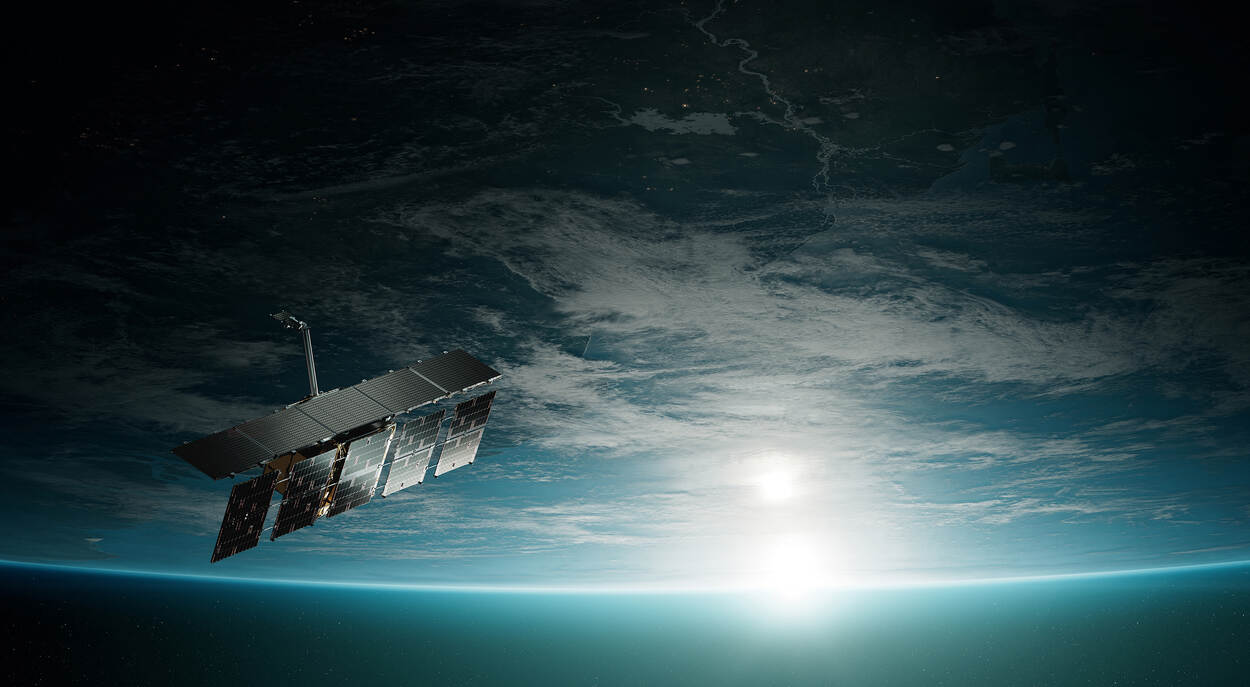
ICEYE-X36 carries a special radar called synthetic-aperture radar. In plain words, it is a radar that takes pictures. It can see through clouds and darkness.
That makes it useful for tracking troop movements on the ground. A Ukrainian official confirmed that the country's military works with ICEYE. The company signed an agreement with Ukraine's defense ministry this year.
ICEYE-X36 launched in 2024, two years after Russia's full-scale invasion of Ukraine.
Russia has said before that commercial satellites helping Ukraine could count as military targets. That makes ICEYE-X36 a sensitive target.
Russia has tested such technology before. In July 2020, its Cosmos 2543 satellite released an object that moved at 186 metres per second, the Center for Strategic and International Studies reported. In 2026, the head of US Space Command said Russia was deploying a space weapon with another satellite, Cosmos 2558.
Space is getting more tense. Last month, the US Space Force said it had placed weapons in space. Other Russian satellites have been moving near ICEYE-X36 since May.
The US Space Force has called out those moves too.
Victoria Samson said an uninvited close approach breaks the norms of safe space operations. She said it could be read as aggressive, or even as an act of war.
What happens next
No hostile act has been confirmed. ICEYE said it is tracking the situation. Russia has not explained what Cosmos 2612 was doing.
The US Defense Department declined to share details about Russia's space moves.
Watchers will keep tracking the Russian satellite. Any new approach would raise fresh alarm. Private firms like Vantor and LeoLabs are now filling the information gap.
They publish tracking data that governments keep secret. Vantor's chief executive Dan Smoot said the new image shows that space is becoming more contested.
The US and Europe must now decide how to respond. The Center for Strategic and International Studies says Washington should make its answer clear. A weak response could invite more such moves.
Possible answers include new sanctions or new rules for space behavior.
The incident will likely sharpen calls in Washington and Europe for stronger satellite tracking and clearer rules, Mathrubhumi reported. Right now, few international rules cover these maneuvers.
New satellites launch almost every week on rockets like SpaceX's Falcon 9. Each launch adds more traffic to low orbit. Close encounters like this one may become more common.
The next weeks will show whether Cosmos 2612 was sending a warning or testing something worse. For now, the two satellites are drifting apart. But the message has landed.
Space is no longer a quiet place. Commercial satellites are now on the front line.
Related stories

Why diamond is hard and graphite is soft when both are carbon
Diamond and graphite are both pure carbon, yet diamond is 10 on the Mohs scale and graphite is 1 to 2. The difference is not the atoms;

Why Hot Water Can Freeze Faster Than Cold: The Mpemba Effect Explained
Hot water can freeze faster than cold under specific conditions. The Mpemba effect, named for a 1963 schoolboy experiment, still divides
How Magnets Work at the Atomic Level: Spins, Domains, and Iron
Magnetism comes from electrons: their spin and orbits make each atom a tiny magnet. In iron, quantum forces align these atomic magnets into