
Why Do Some Animals Glow in the Dark? The Science
Key takeaways
- Glowing animals use bioluminescence, a chemical reaction that makes cold light.
- The glow serves hunting, defense, camouflage, and communication.
- Bioluminescence may have begun as protection from oxygen, long before eyes existed.
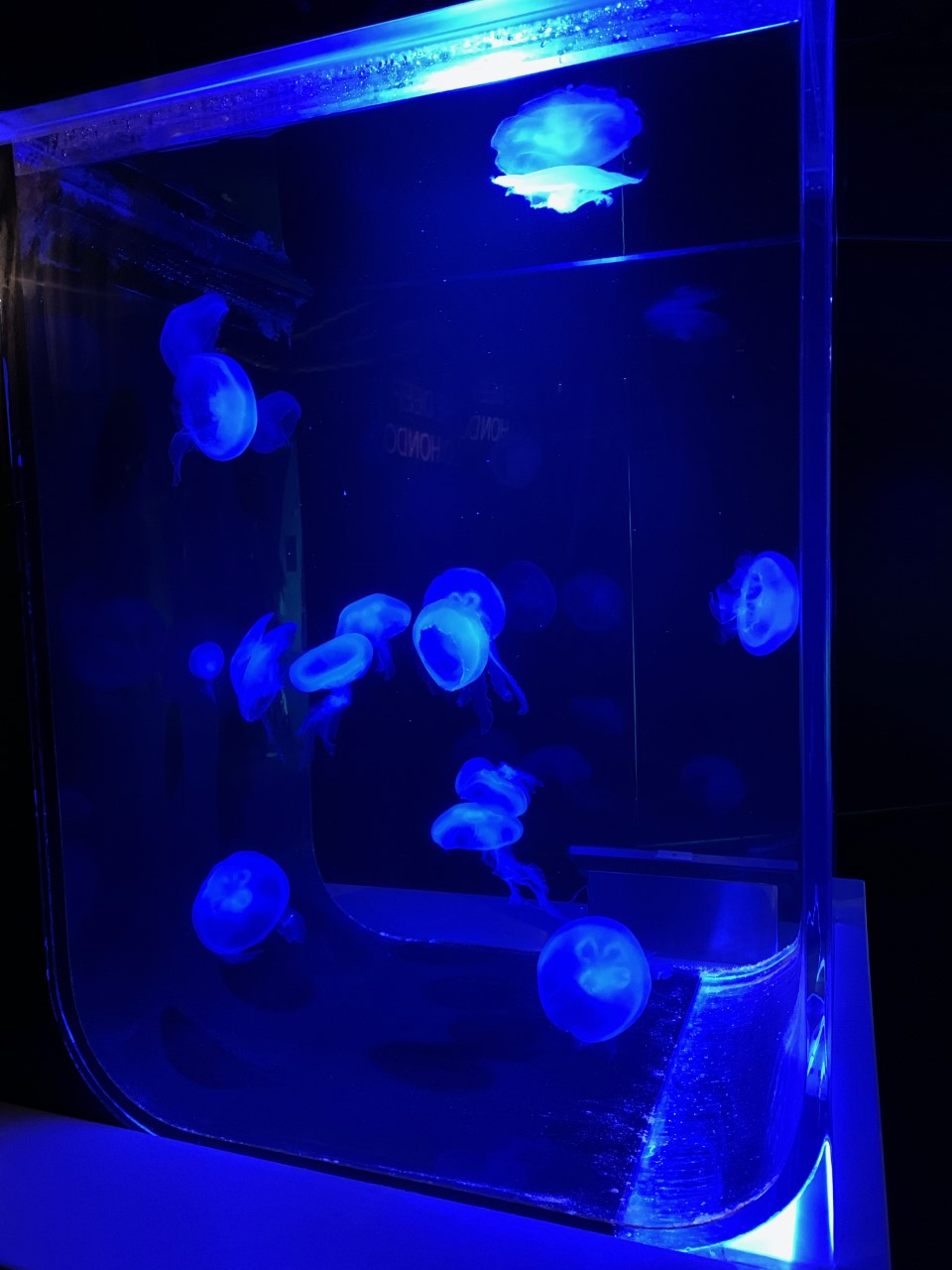
Some animals glow in the dark because their bodies run a chemical reaction that produces light. The process is called bioluminescence, and it is common in the ocean, rare on land, and useful for hunting, hiding, defense, and communication.
This article explains why some animals glow in the dark, including how the chemistry works, what animals use the glow for, where glowing animals live, and what scientists still do not know. It also clears up the difference between bioluminescence, fluorescence, and phosphorescence.
What bioluminescence actually is
Bioluminescence is light produced by a living organism through a chemical reaction. The National Oceanic and Atmospheric Administration (NOAA) defines it in plain terms: the light comes from energy released by chemical reactions inside the organism, or ejected by it.
In most glowing animals, the reaction uses three ingredients. A light-emitting molecule called luciferin reacts with oxygen, and an enzyme called luciferase controls the reaction. When the pieces fit together and oxygen joins in, luciferin releases a photon, which is a particle of light that we see.
The light is often called cold light, because very little of the reaction energy escapes as heat. A firefly's glow feels cool for the same reason a glow stick feels cool.
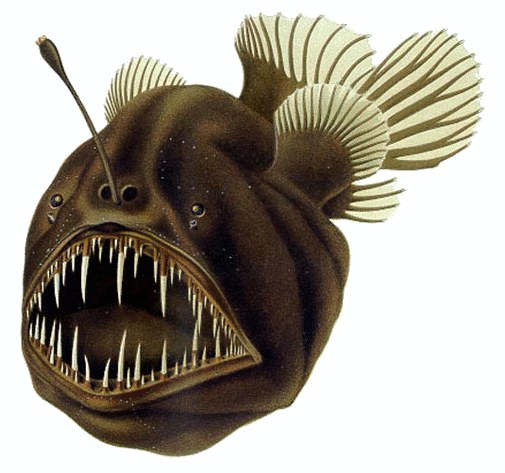
Not every glowing animal makes its own light chemicals. Some animals host glowing bacteria in special light organs. The anglerfish is the famous case.
Its glowing lure holds symbiotic bacteria that produce the light, while the fish supplies nutrients to the bacteria. Both partners gain, and the fish gets a built-in bait.
Other animals get luciferin from food. The details vary by species, and NOAA notes that different species use different chemicals, which suggests the ability to make light evolved independently many times. There is no single bioluminescence system.
There are many, built on similar chemistry.
How common is glowing?
Bioluminescence is rare on land and common in the sea. NOAA Ocean Exploration reports that 80 percent of the animals living between 200 and 1,000 meters depth in the ocean water column are bioluminescent. That band covers the twilight zone, where sunlight fades to nothing.
The glow shows up across the animal kingdom. NOAA lists fish, squid, and gelatinous zooplankton such as jellyfish, siphonophores, and comb jellies as the most common glowing groups. Most types of animals, from bacteria to sharks, include some bioluminescent members.
On land, the roster is short. Fireflies, glow worms, some mushrooms, and a few other organisms make their own light. Scienceline notes that fireflies, glow worms, and some mushrooms are among the terrestrial organisms that can create light, but the trait is far less common on land than in the deep sea.
The color also follows a pattern. NOAA says bioluminescence is usually blue, because blue light travels best through water. The range runs from nearly violet to green-yellow, with red appearing very rarely.
Fireflies on land often glow green-yellow, which suits signaling in air rather than water.
What animals use the glow for
Glowing serves several jobs, and the same species may use light in more than one way. NOAA's National Ocean Service lists the typical uses: warning or evading predators, luring or detecting prey, and communication between members of the same species.
Hunting is the most dramatic use. The deep-sea anglerfish dangles a glowing lure in front of its jaws, and curious prey swim toward the light. Scienceline describes schools of tiny fish lighting up at once to swim in formation, jellyfish flashing to warn of a predator, and an anglerfish dangling its rod to tempt prey closer.
Each case turns light into a tool.
Defense works in the opposite direction. Some animals flash brightly to startle a predator, then escape in the confusion. Others release glowing clouds or particles that distract the attacker while the animal slips away.
A burst of light can also serve as a warning that the animal tastes bad, which predators learn to avoid.
Camouflage uses light in a quieter way. Some fish and squid carry glowing organs on their undersides. The light matches the faint sunlight filtering down from above, which hides the animal's silhouette from predators below.
Scientists call this counterillumination, and it is one of the subtler uses of living light.
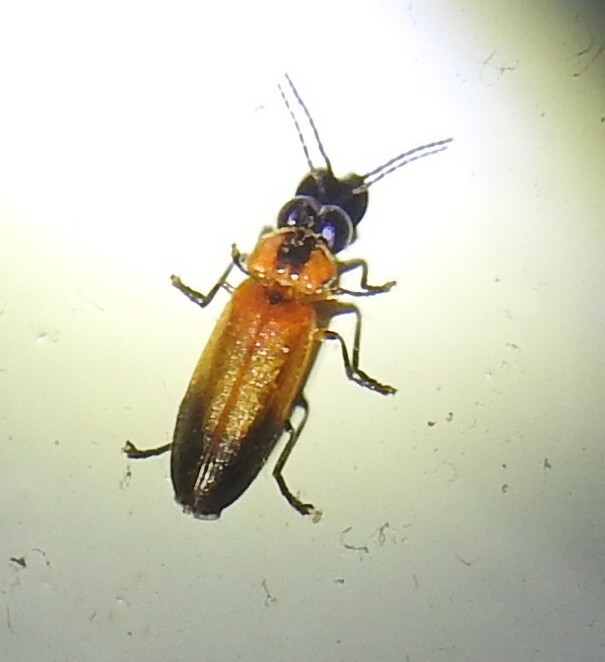
Communication ties the uses together. Fireflies use species-specific flash patterns to find mates on summer nights. Marine animals use pulses and patterns to signal through dark water.
Flashlight fish use light to hold schools together in caves and reefs. Light becomes a language where sound and color fail.
NOAA adds an honest caveat. The functions of bioluminescence are not known for all animals, and much about the trait remains a mystery. Scientists have yet to learn why it is common in the ocean water column but not in freshwater systems or on land, or even how it evolved.
The uses above are the best-supported cases, not a complete list.
The surprising origin story
Bioluminescence may be older than eyesight. That is the most startling finding in the field, and Scienceline laid it out through the work of David Gruber, a marine biologist at the American Museum of Natural History in New York City.
When bioluminescence first emerged, no animal could see it, because eyes had not evolved yet. Gruber explained that while the glow later became a way for sea life to communicate and see in the dark, it did not begin that way. Many researchers believe it originally protected organisms from the toxic effects of oxygen.
The backstory runs deep. Until some bacteria began producing oxygen around 2.4 billion years ago, oxygen was scarce in the atmosphere. As it built up, it became toxic for life on Earth.
Luciferin acts as an antioxidant, a shield that protects microbes from the harmful effects of oxygen.
Only hundreds of millions of years later, after the Great Oxygenation Event, did the first eye-like structures evolve. That gave glowing bacteria and animals a second advantage: underwater communication. The glow that began as chemical protection became a signal.
"It is used for everything," Gruber told Scienceline. "They can lure prey, they can stun or confuse. They can find each other.
"
That quote captures the current picture. Bioluminescence began as chemistry, then became behavior. The glow kept its old job in some species and gained new jobs in others.
Glow, fluorescence, and phosphorescence are different
People often mix up three kinds of glow. They look similar, but the physics differs.
Bioluminescence needs no outside light. The animal makes light through a chemical reaction. Fireflies, anglerfish, and glowing plankton all qualify.
The light stops when the chemistry stops.
Fluorescence needs outside light. A fluorescent animal absorbs light at one wavelength and re-emits it at another color. Scorpions are the classic example.
They glow under ultraviolet light but not in complete darkness without it. The glow depends on an external lamp.
Phosphorescence stores light and releases it slowly. A phosphorescent material absorbs energy, then gives off an afterglow after the light source goes away. Glow-in-the-dark stickers work this way.
The glow fades as the stored energy runs out.
The distinction matters for anyone who wants to see glowing animals. A scorpion under a UV lamp is fluorescent. A firefly on a summer night is bioluminescent.
A glow stick is chemistry, but it is not alive.
Where to see glowing animals
Glowing animals appear in a few famous places, and each one shows a different side of the trait.
New Zealand's glowworm caves hold the larvae of a fungus gnat that glows to lure prey into sticky threads. Puerto Rico's Mosquito Bay holds dense plankton that flash when the water moves. The Great Smoky Mountains host synchronous fireflies that flash in unison during mating season.
Coastal waters around the world hold glowing plankton blooms that light up waves and boat wakes.
Seeing them takes timing and luck. Plankton blooms come and go with nutrients, storms, and seasons. Firefly displays peak on warm, humid nights in early summer.
Glowworm caves run year-round, but the larvae glow brightest in the dark.
Anyone who visits a glow site should keep lights low, avoid touching the animals, and follow local rules. The glow is a behavior, not a show, and bright lights or handling can harm the animals that make it.
Why the ocean glows more than the land
The deep ocean is the best home for bioluminescence for two reasons. First, it is dark. Below about 200 meters, sunlight fades fast, and light becomes a useful signal.
Second, it is crowded with animals that hunt, hide, and mate in that darkness.
NOAA notes that bioluminescence may provide a survival advantage in the darkness of the deep sea, helping organisms find food, assisting in reproduction, and providing defense. In shallow water and on land, sunlight and moonlight already carry signals, so a chemical glow adds less value.
Freshwater holds another puzzle. Bioluminescence is common in the ocean water column but rare in freshwater, and NOAA lists that gap among the open questions. Scientists have no settled answer yet.
The chemistry works in salt water, but the ecology of lakes and rivers may not reward it the same way.
The ocean also preserves the trait because so many animals live there. With more species, more chances exist for the chemistry to evolve, spread, and specialize. Land animals found other signals, such as sound, scent, and color, and most never needed a chemical light.
FAQ
Why do some animals glow in the dark?
Animals glow through bioluminescence, a chemical reaction in which luciferin reacts with oxygen, controlled by the enzyme luciferase, to release light. The glow serves hunting, defense, camouflage, and communication, depending on the species.
Is bioluminescence the same as glowing under a black light?
No. Bioluminescence makes light from chemistry alone, with no outside lamp. Fluorescence, such as a scorpion under ultraviolet light, absorbs outside light and re-emits it at a different color.
Phosphorescence stores light energy and releases it slowly as an afterglow.
Why is bioluminescence mostly blue?
NOAA explains that bioluminescence is usually blue because blue light travels best through water. The full range runs from nearly violet to green-yellow, with red appearing very rarely.
Did bioluminescence exist before eyes?
Many researchers believe so. David Gruber told Scienceline that when bioluminescence first emerged, eyes had not evolved yet, so no animal could see the glow. The reaction likely began as protection from toxic oxygen, and communication came hundreds of millions of years later.
The bottom line
Some animals glow in the dark because chemistry lets them. A reaction between luciferin, luciferase, and oxygen releases cold light, and animals use that light to hunt, hide, defend themselves, and talk to each other.
Tags: bioluminescence, animals, ocean, science
Latest in Science
- What causes thunder, and why do you see lightning first?
- How do bees make honey, step by step?
- Why do clouds stay up in the sky if they are made of water?
- Why does water expand when it freezes?
Subscribe for weekly science explainers from the Rive News research desk.
Related stories

Why diamond is hard and graphite is soft when both are carbon
Diamond and graphite are both pure carbon, yet diamond is 10 on the Mohs scale and graphite is 1 to 2. The difference is not the atoms;

Why Hot Water Can Freeze Faster Than Cold: The Mpemba Effect Explained
Hot water can freeze faster than cold under specific conditions. The Mpemba effect, named for a 1963 schoolboy experiment, still divides

How Magnets Work at the Atomic Level: Spins, Domains, and Iron
Magnetism comes from electrons: their spin and orbits make each atom a tiny magnet. In iron, quantum forces align these atomic magnets into